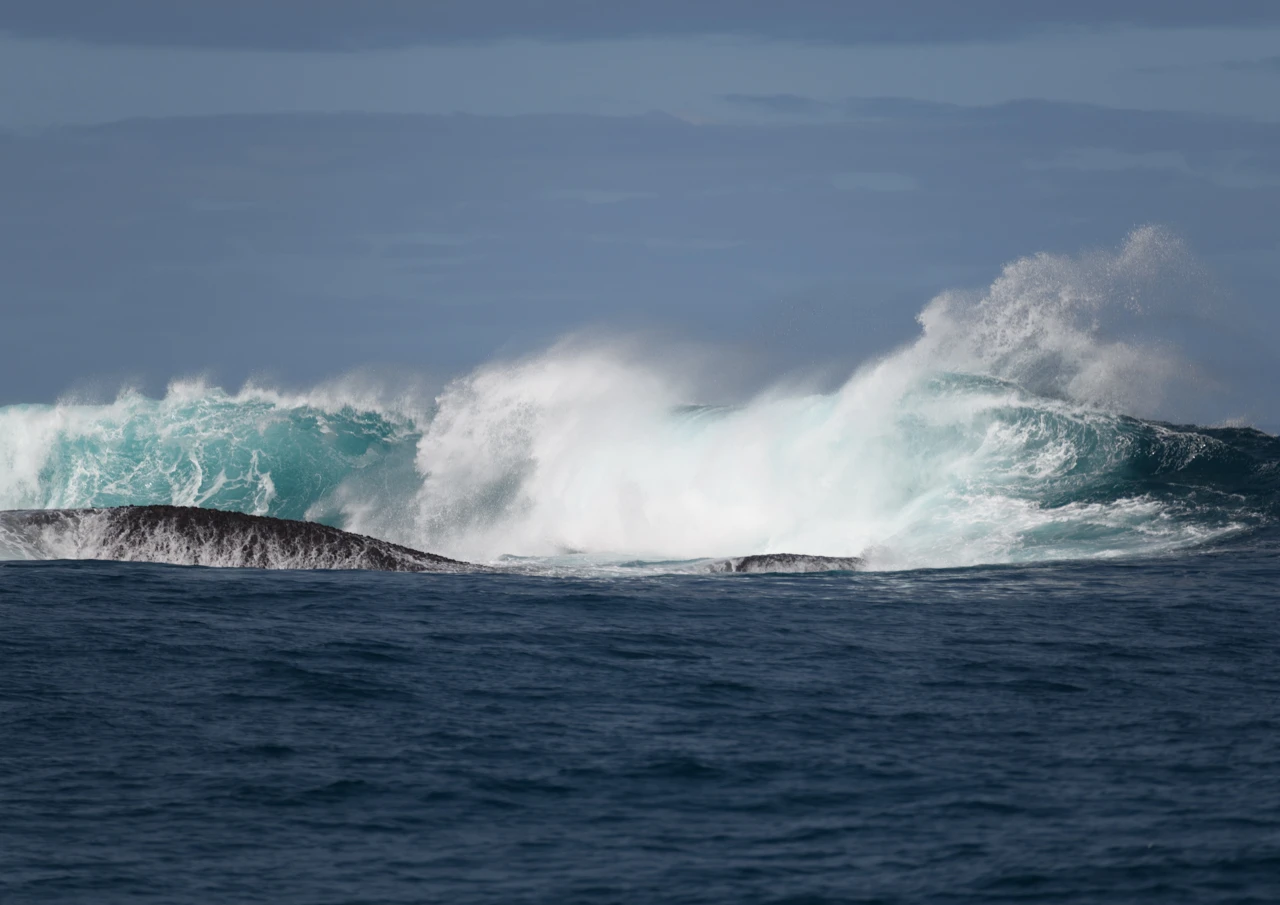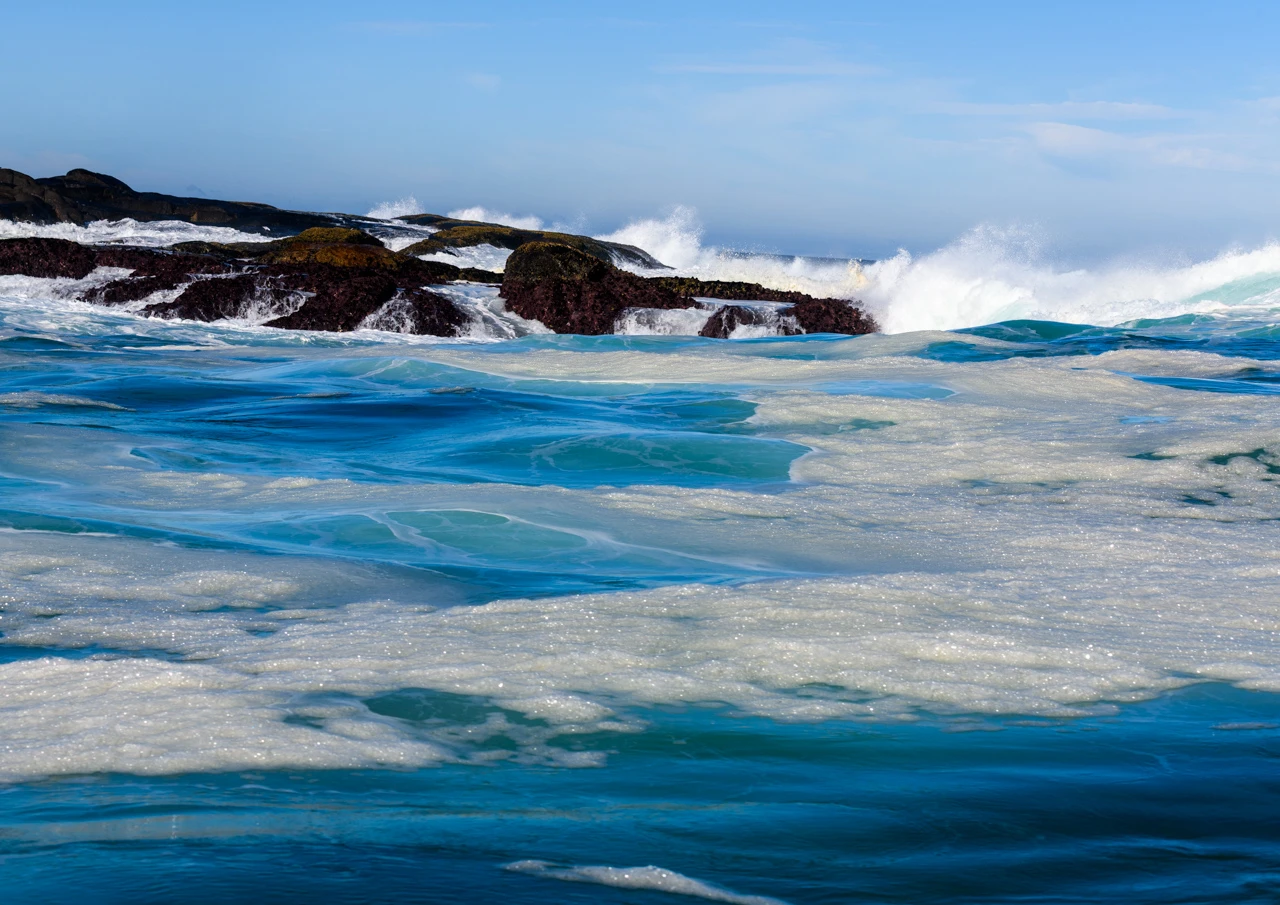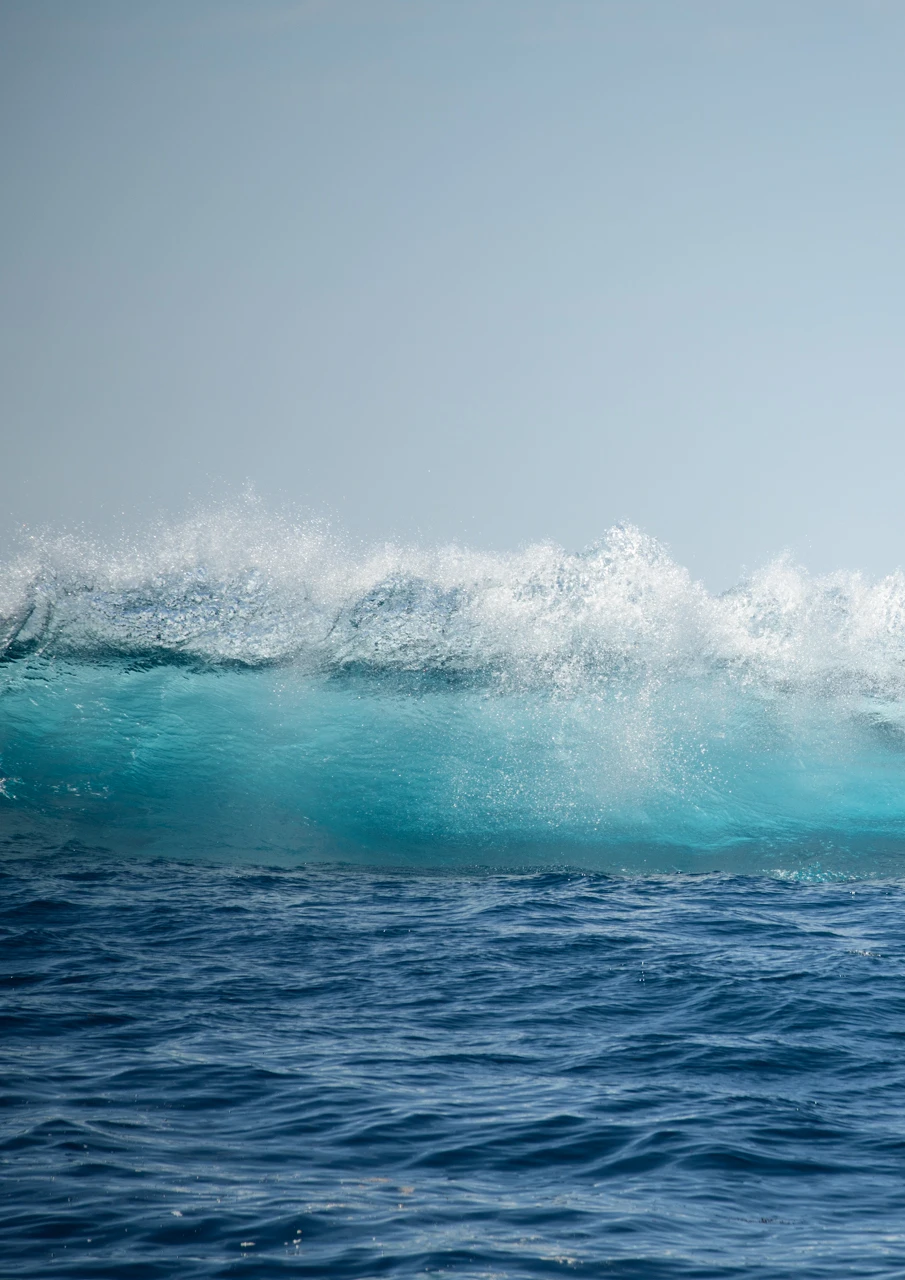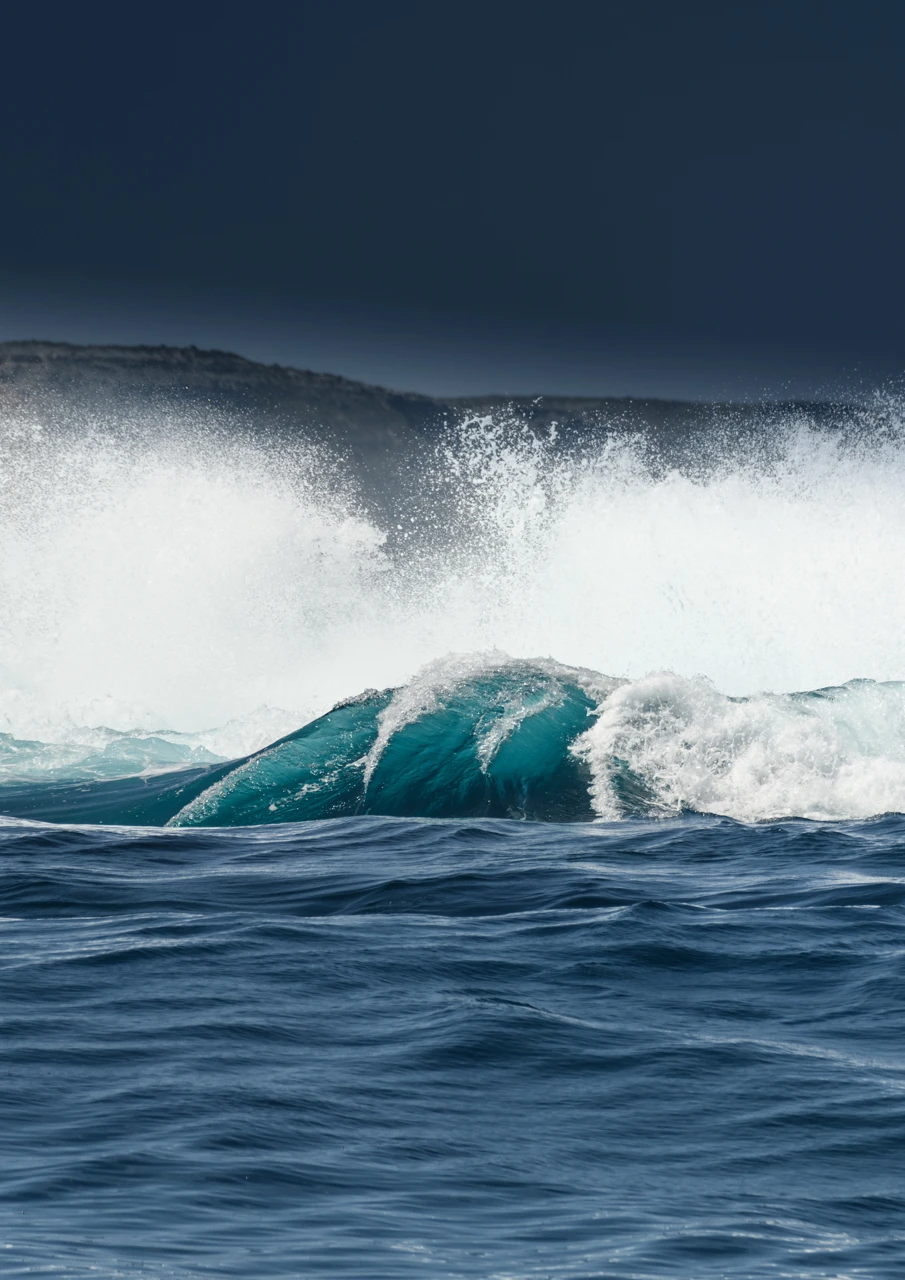
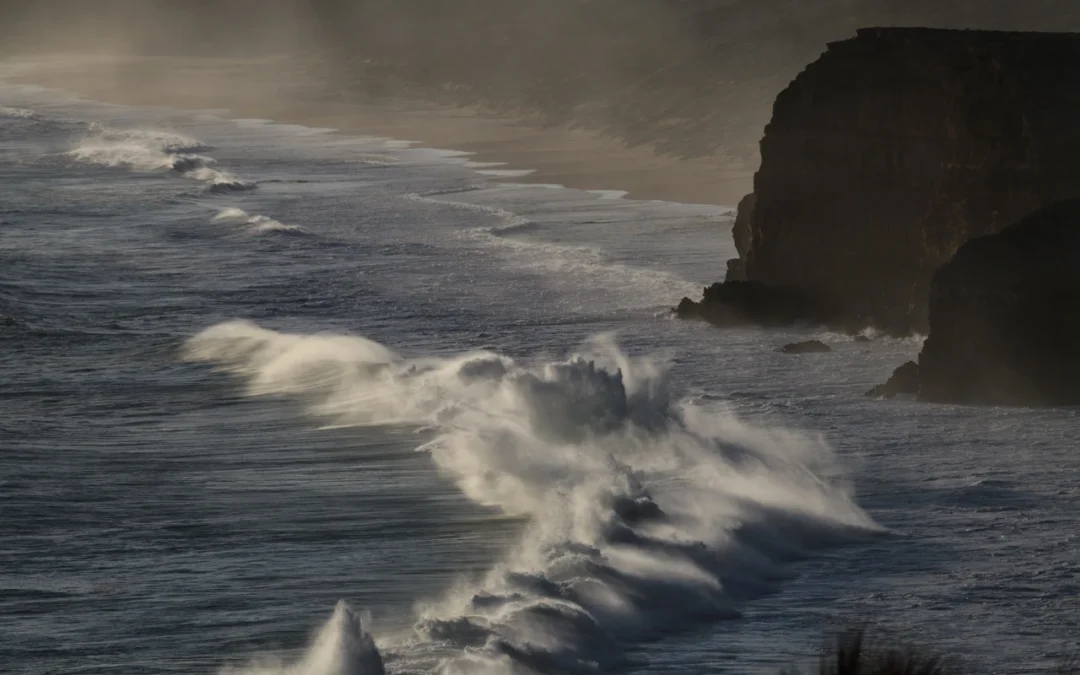
Winter in Marion Bay Yorke Peninsula

Winter in Marion Bay Yorke Peninsula
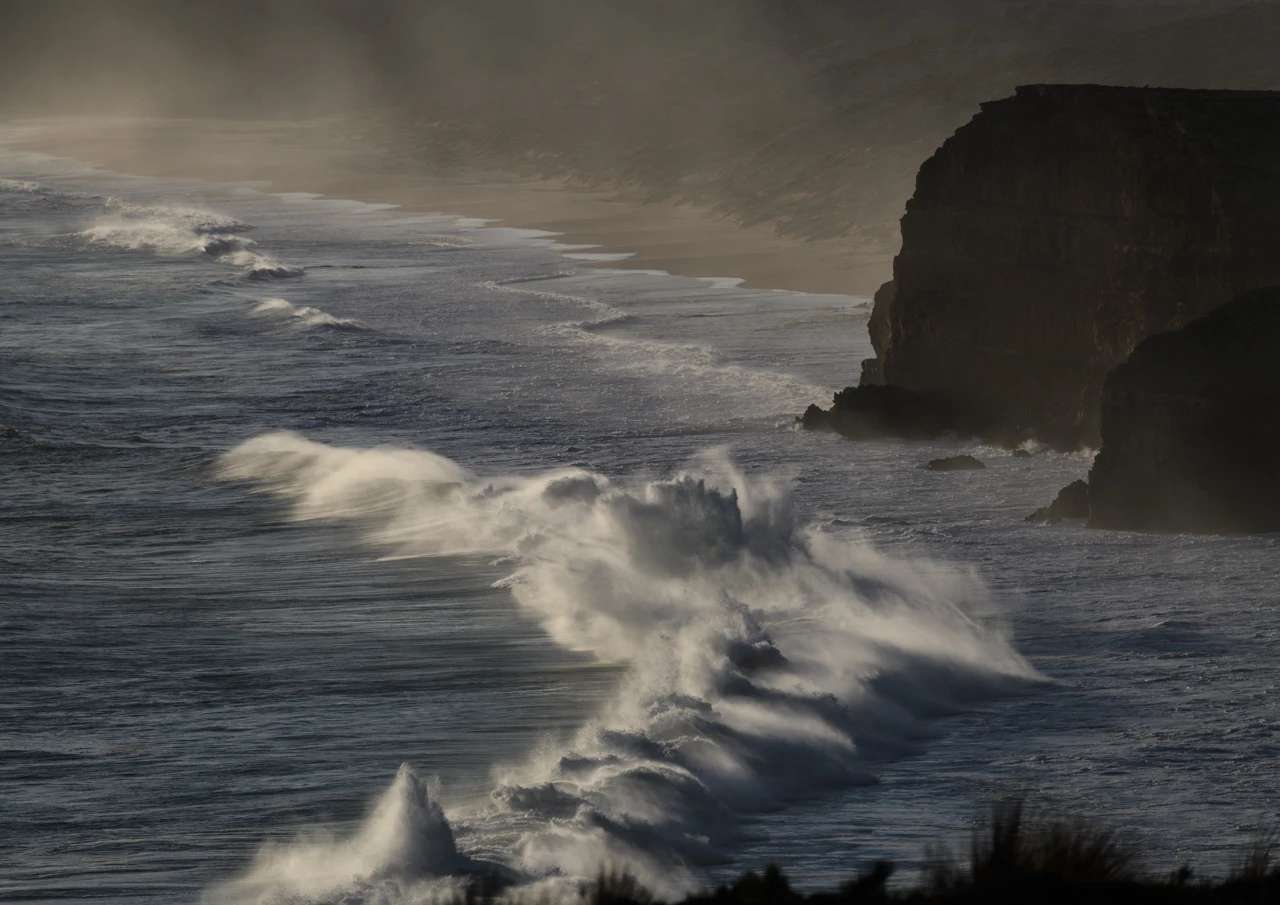
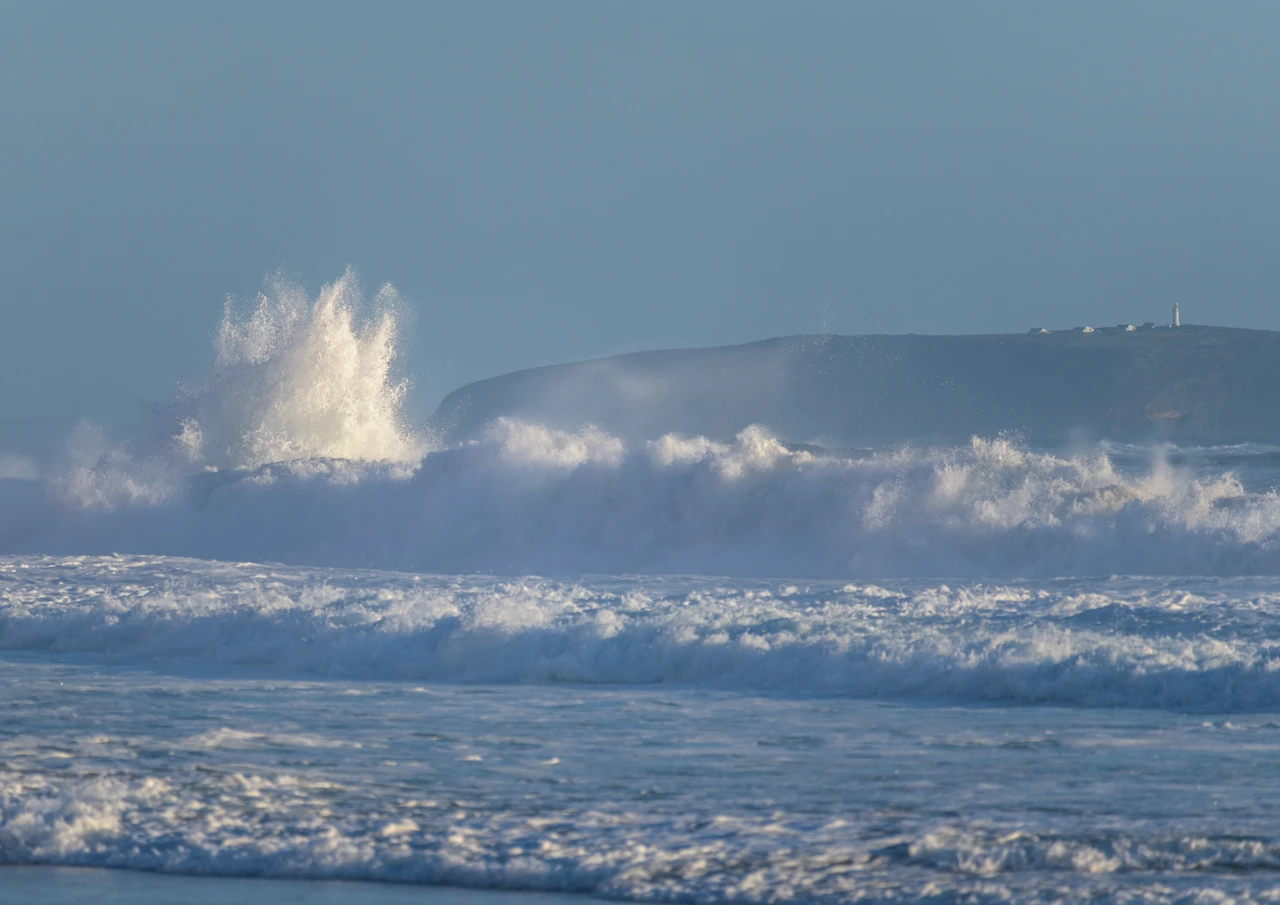
Waves roll into Ethel beach Yorke Peninsula

Winter in Marion Bay 2026


It has been an extremely wet and dismal winter. But the farmers are rejoicing as their crops are some of the best they have ever had.

We have spent most of our time indoors and fishing trips have been very limited. Yorke Peninsula can be buffeted daily by strong winds, so this increases the chill factor. We did mangage to go out fishing on one occasion and it happened to be a very grey day. When we got home I had got so cold I think it took me several hours to warm up.
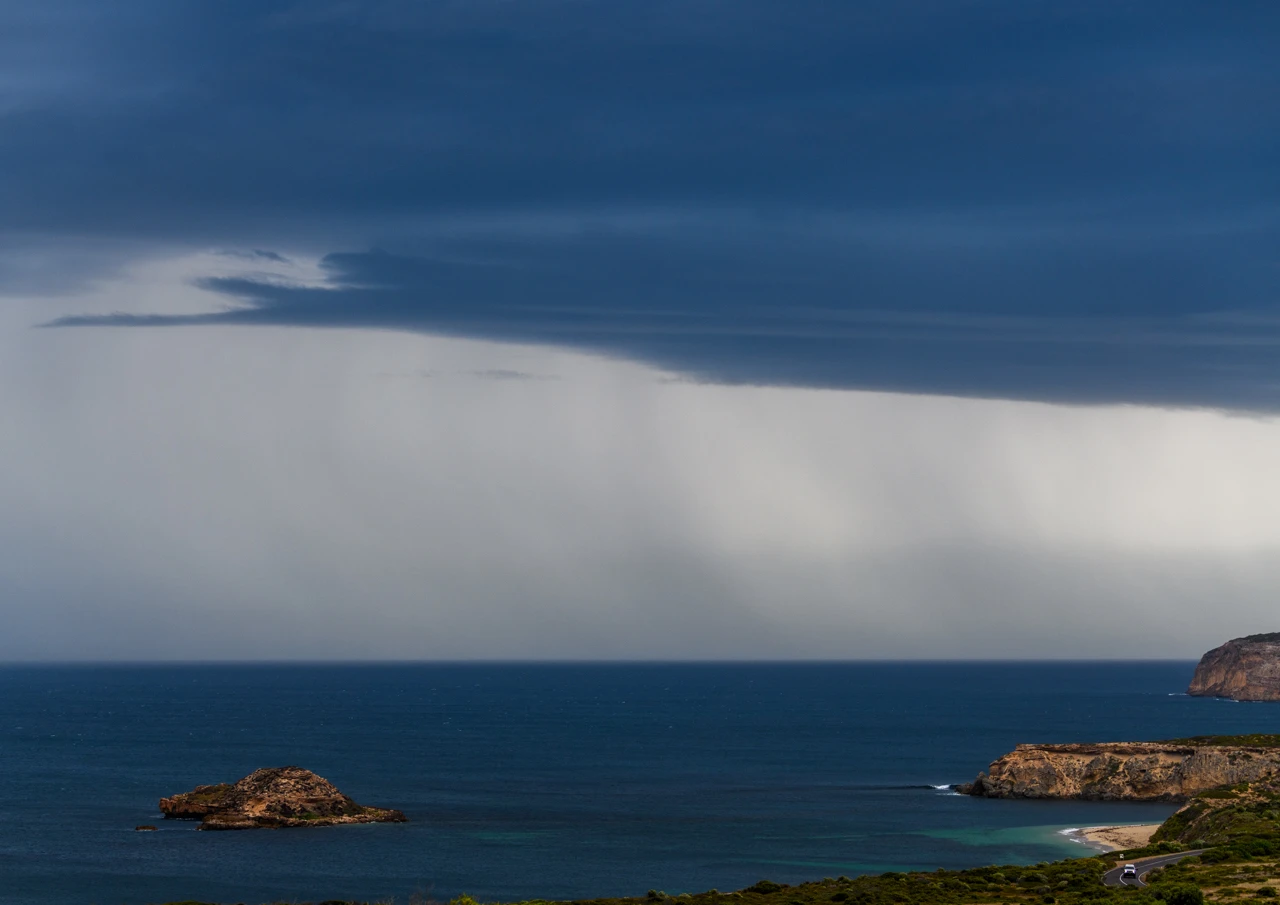
Innes National Park and stormy clouds on the horizon
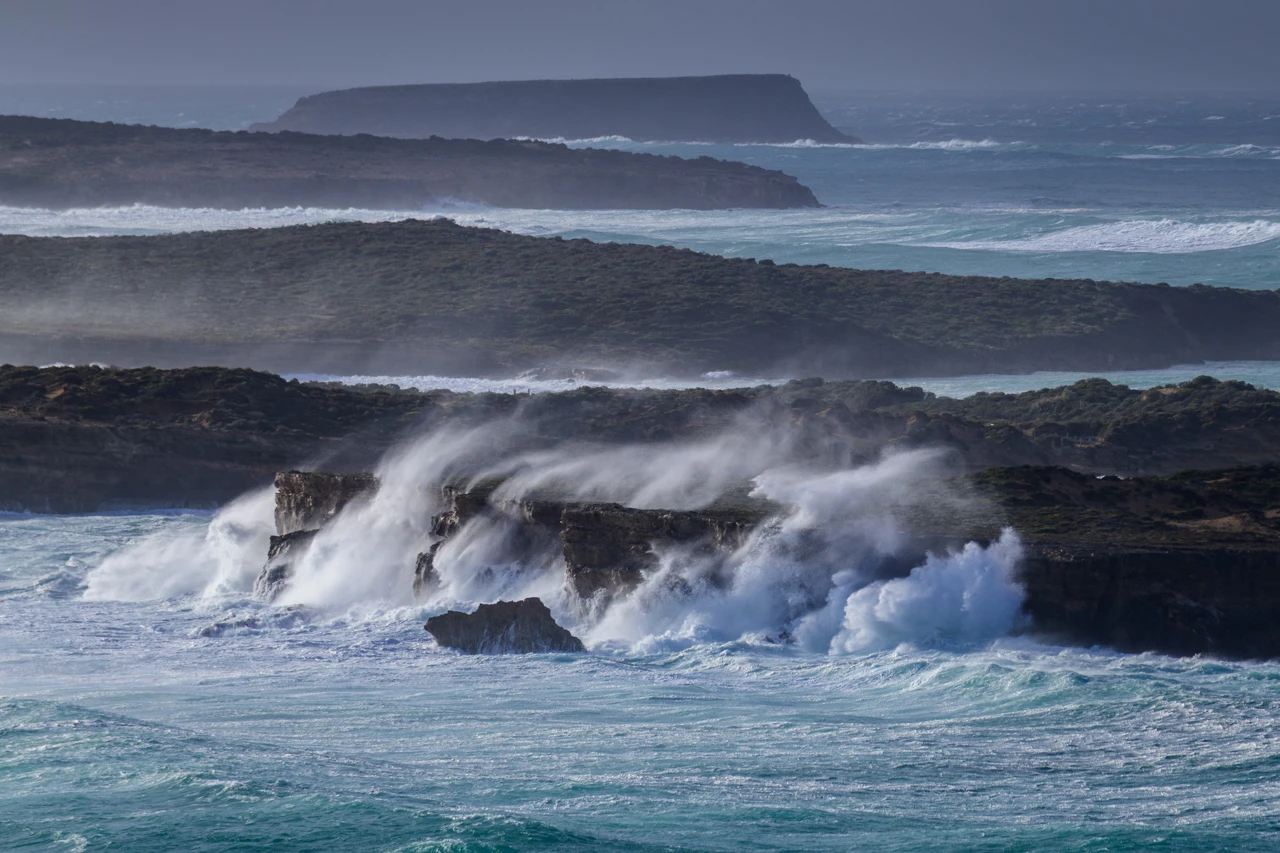
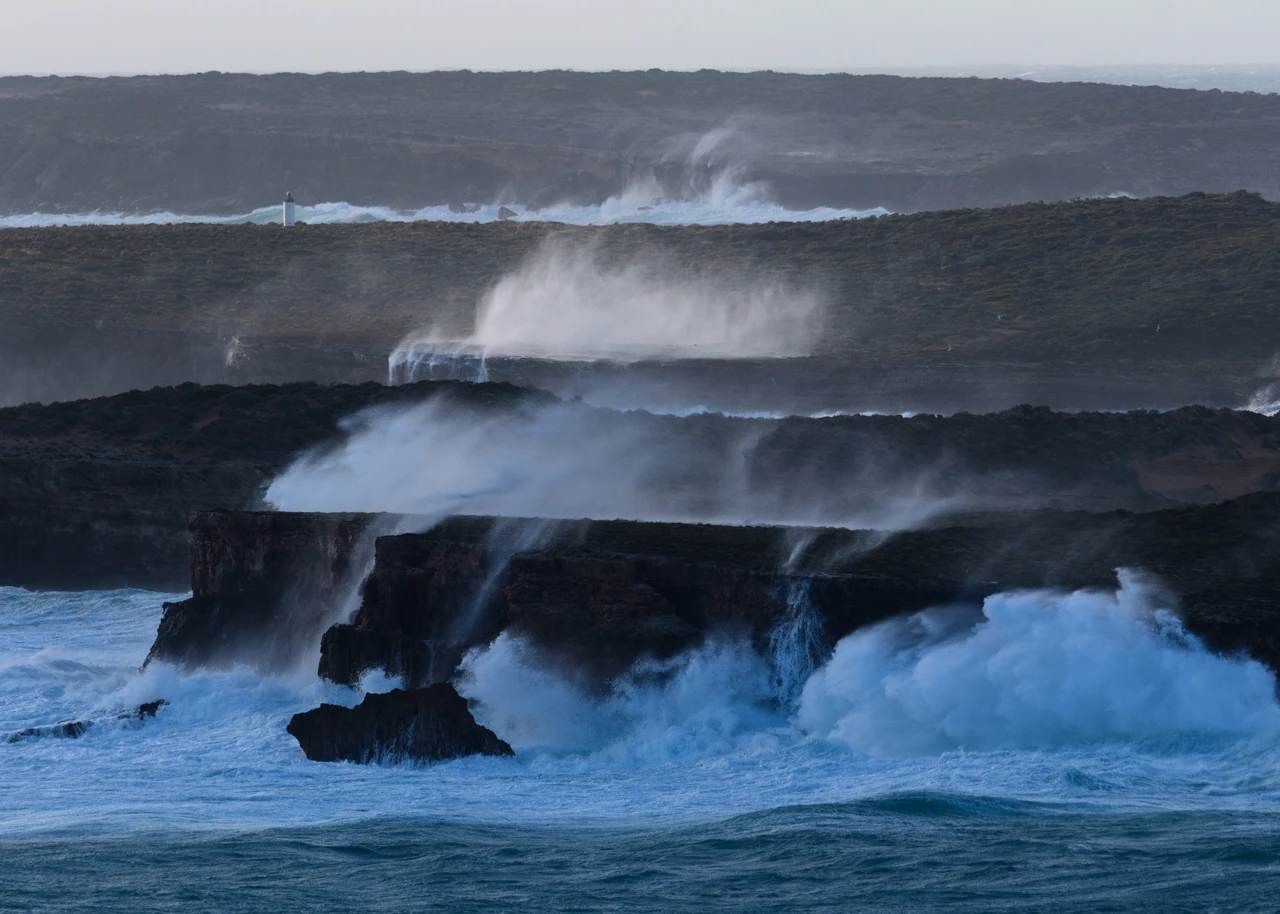
Pondalowie cliffs and extreme wind conditions
Wild weather at Pondalowie cliffs Innes National Park

The wind can be very strong and when a big swell is running. The Pondalowie cliffs look spectacular. We have taken these shots from up on the hill. If you were to venture down to the Pondies cliffs in this weather, you would just get absolutely soaked in seaspray.
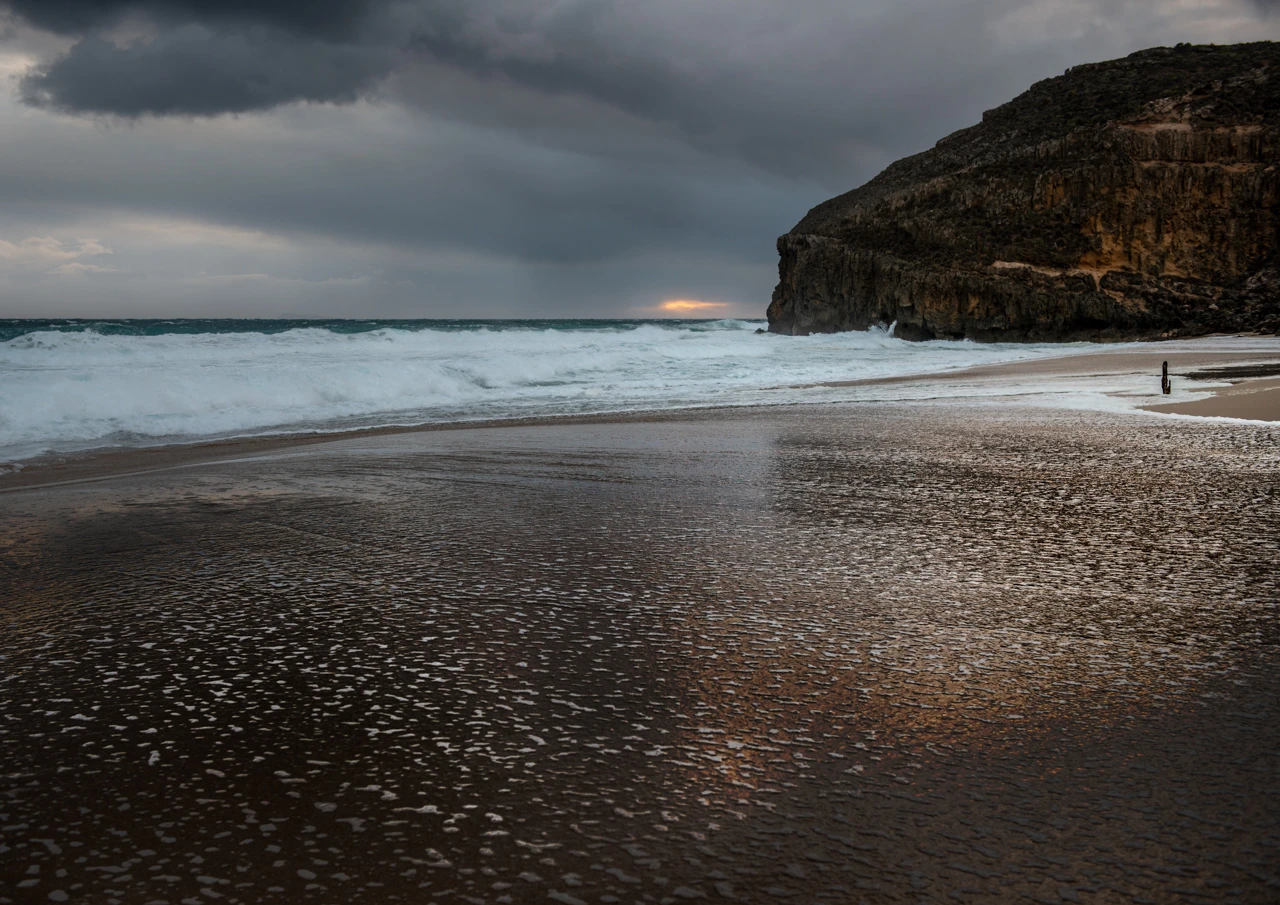
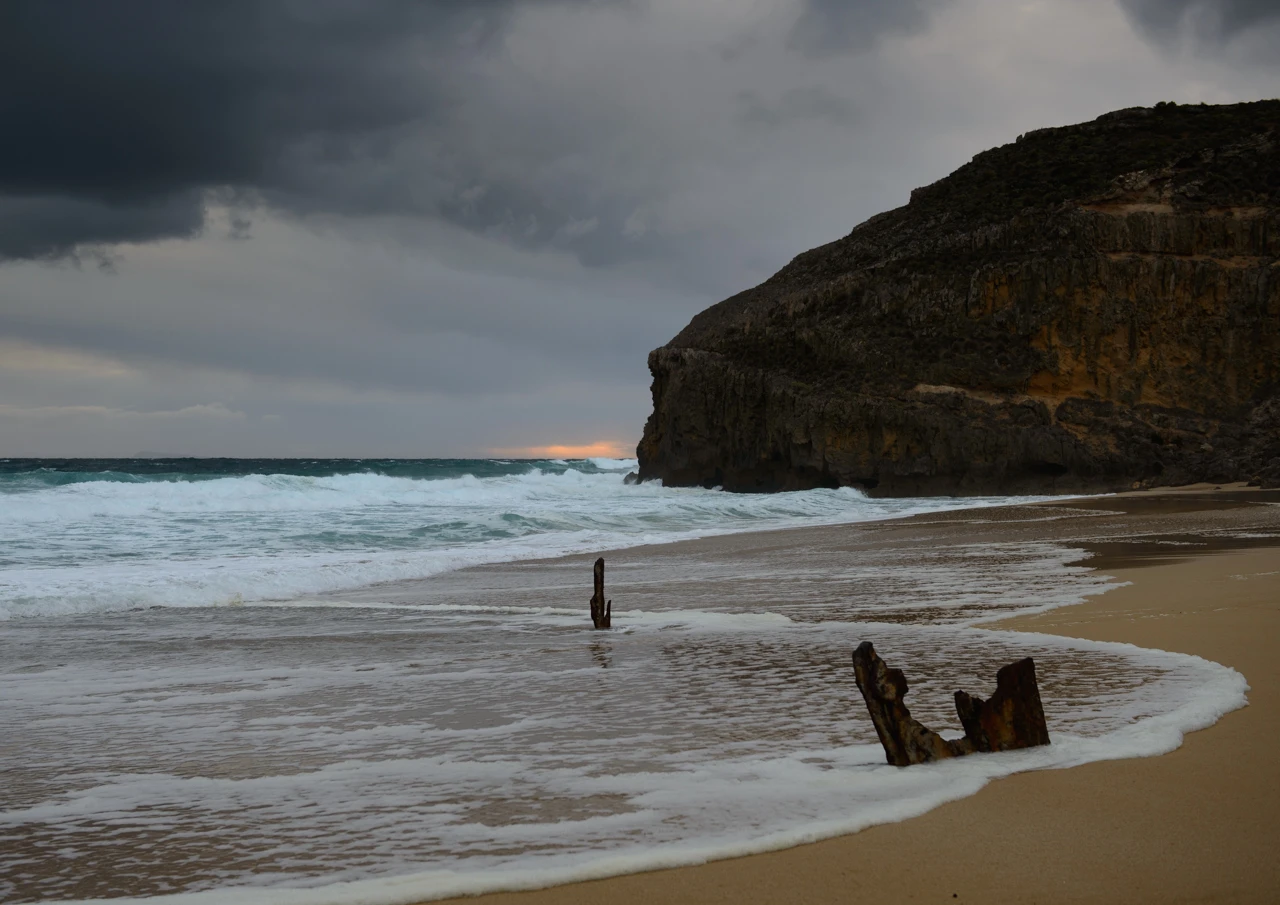
Ocean waves stream in. Ethel beach cliffs
Ethels winter sun and dark clouds Yorke Peninsula
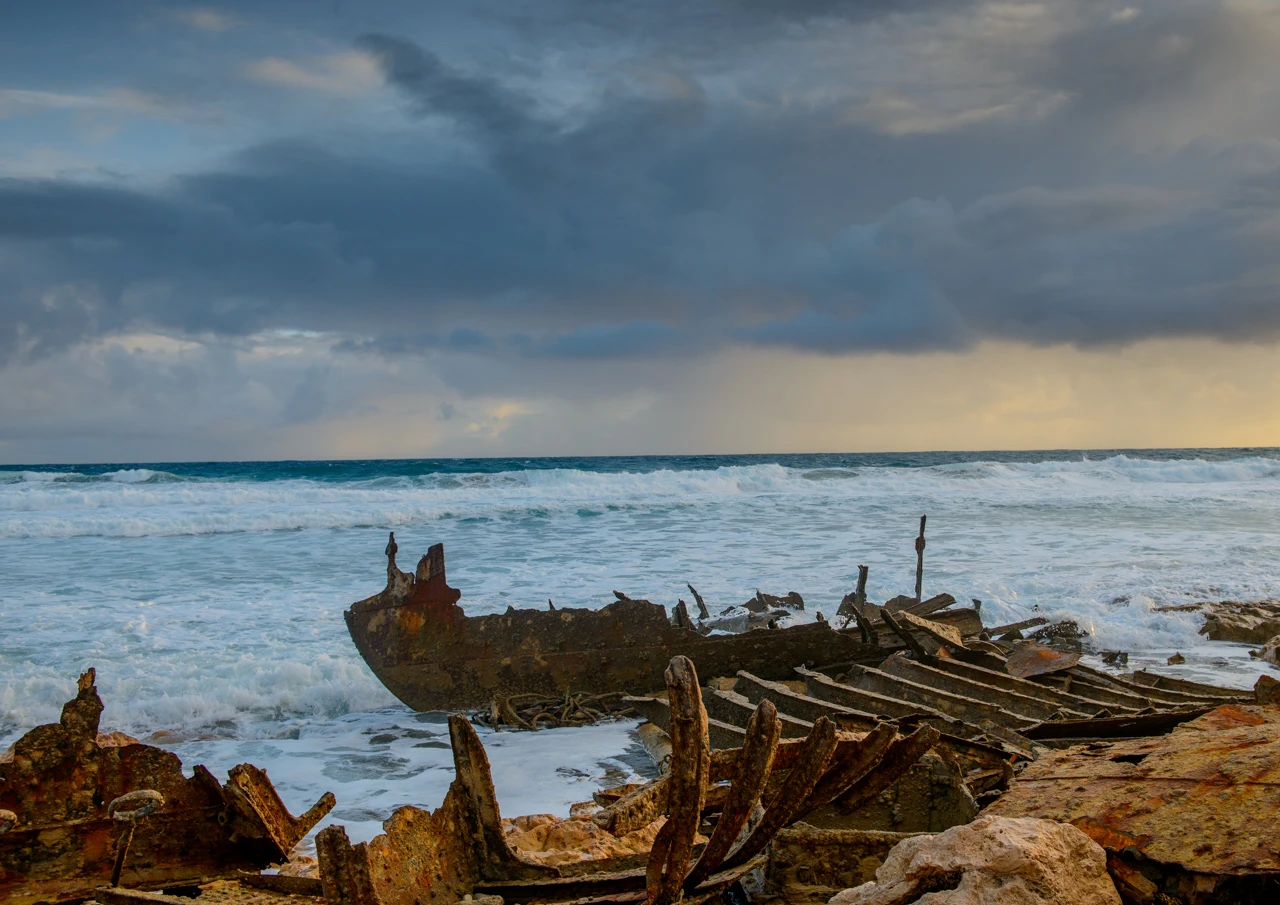
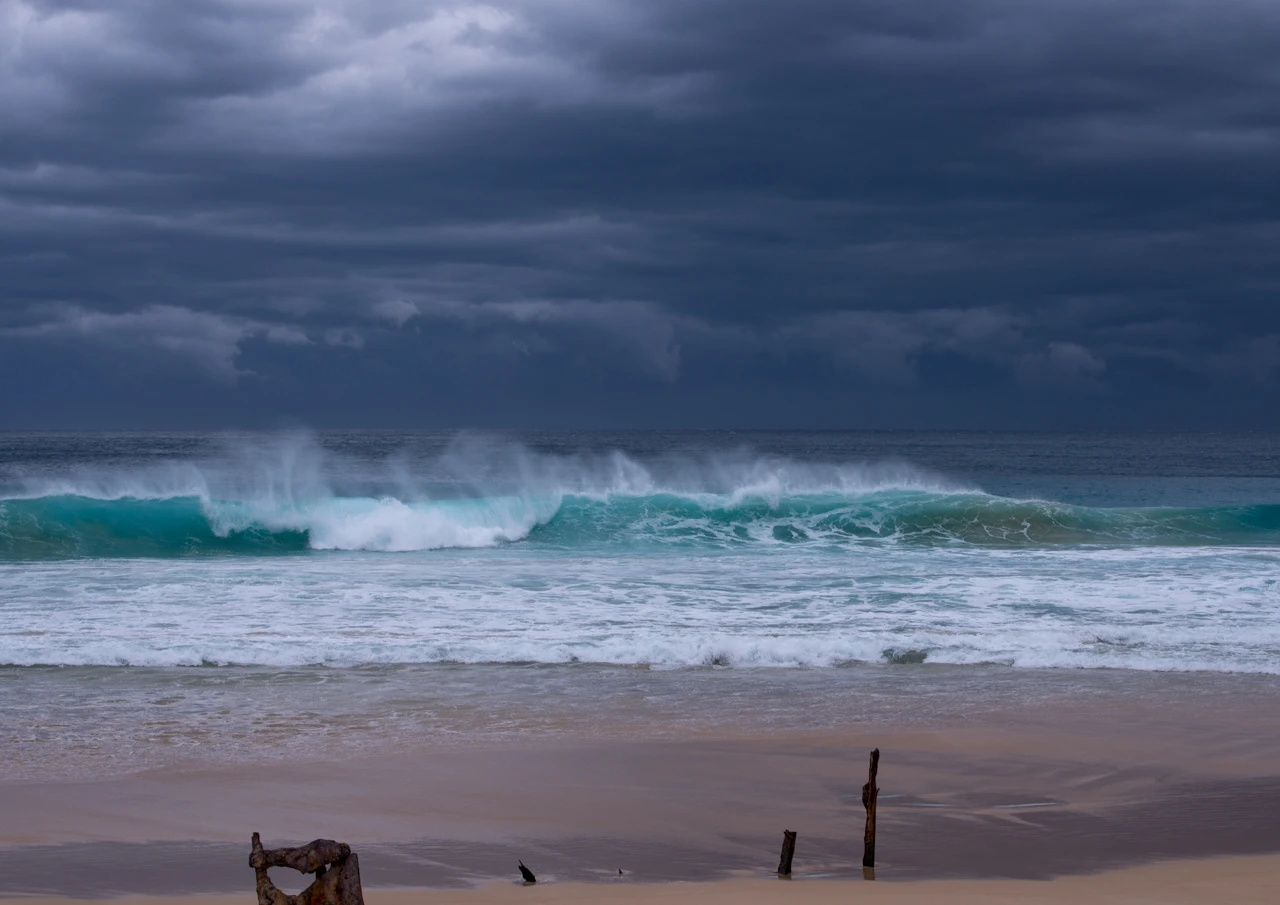
Ethel shipwreck on a stormys day

The remains of the Ethel shipwreck. Tons of sand has been washed out and the shipwreck is quite exposed. Come summer and tons of sand will wash back in and almost cover the shipwreck.
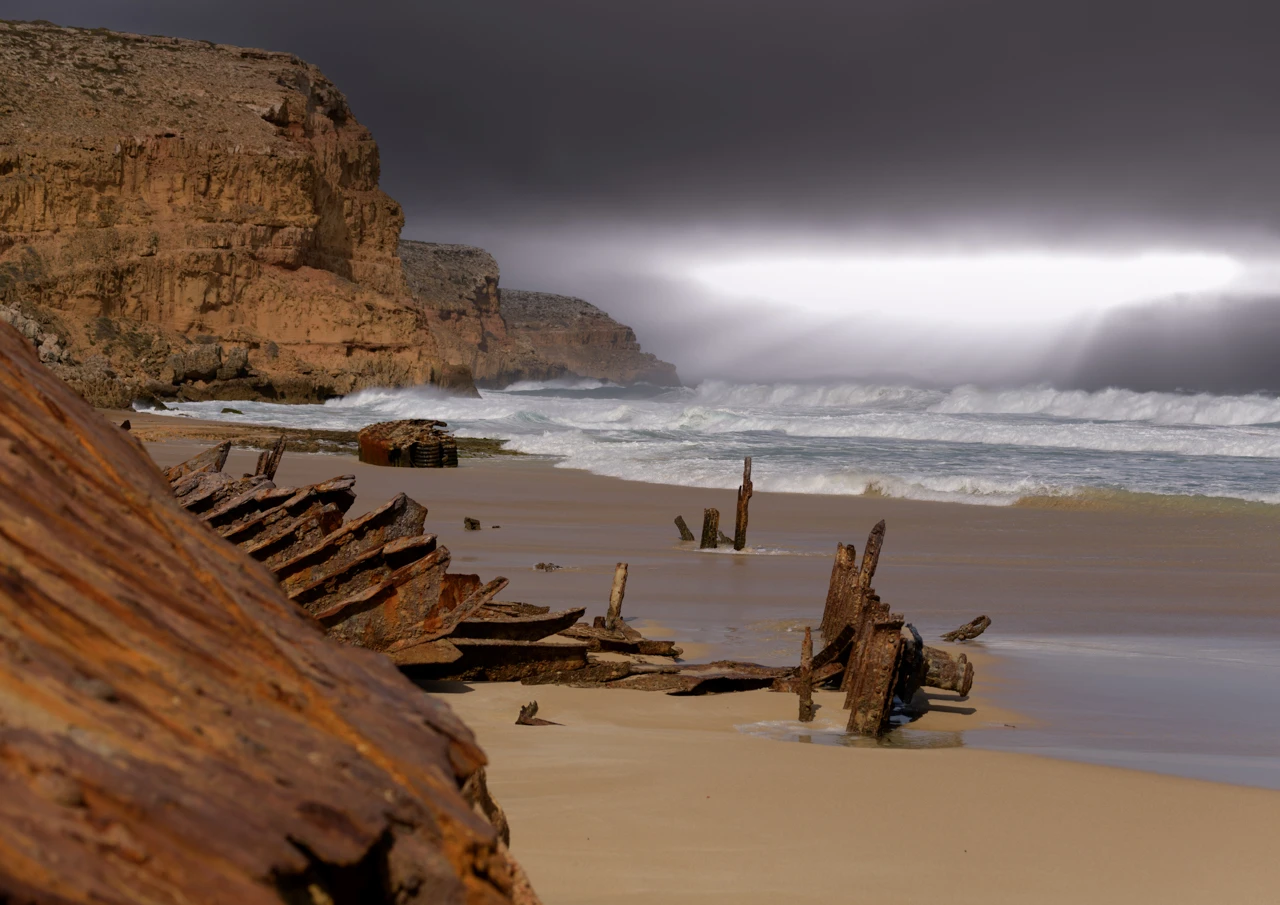
Ethel wreck from the other side of the beach
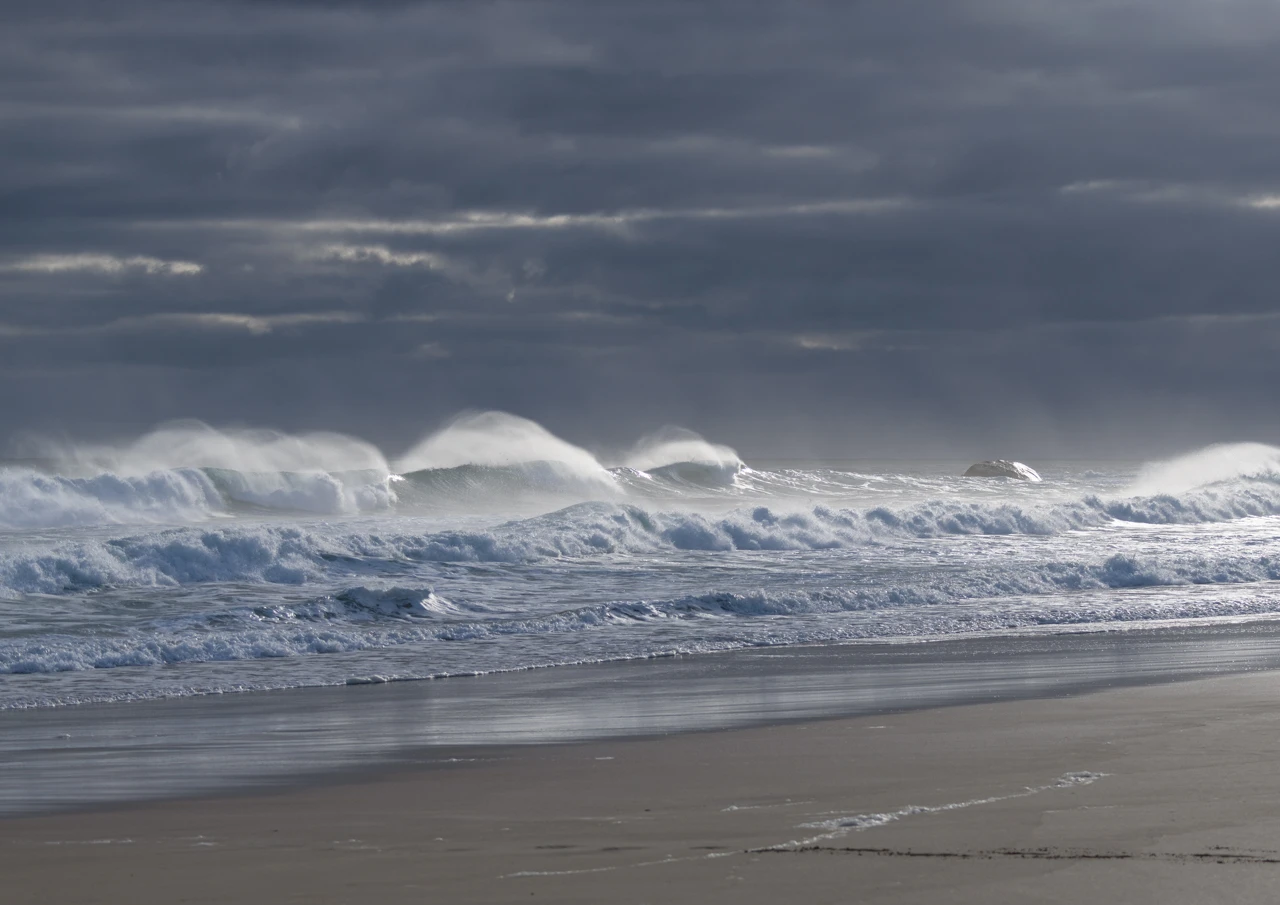
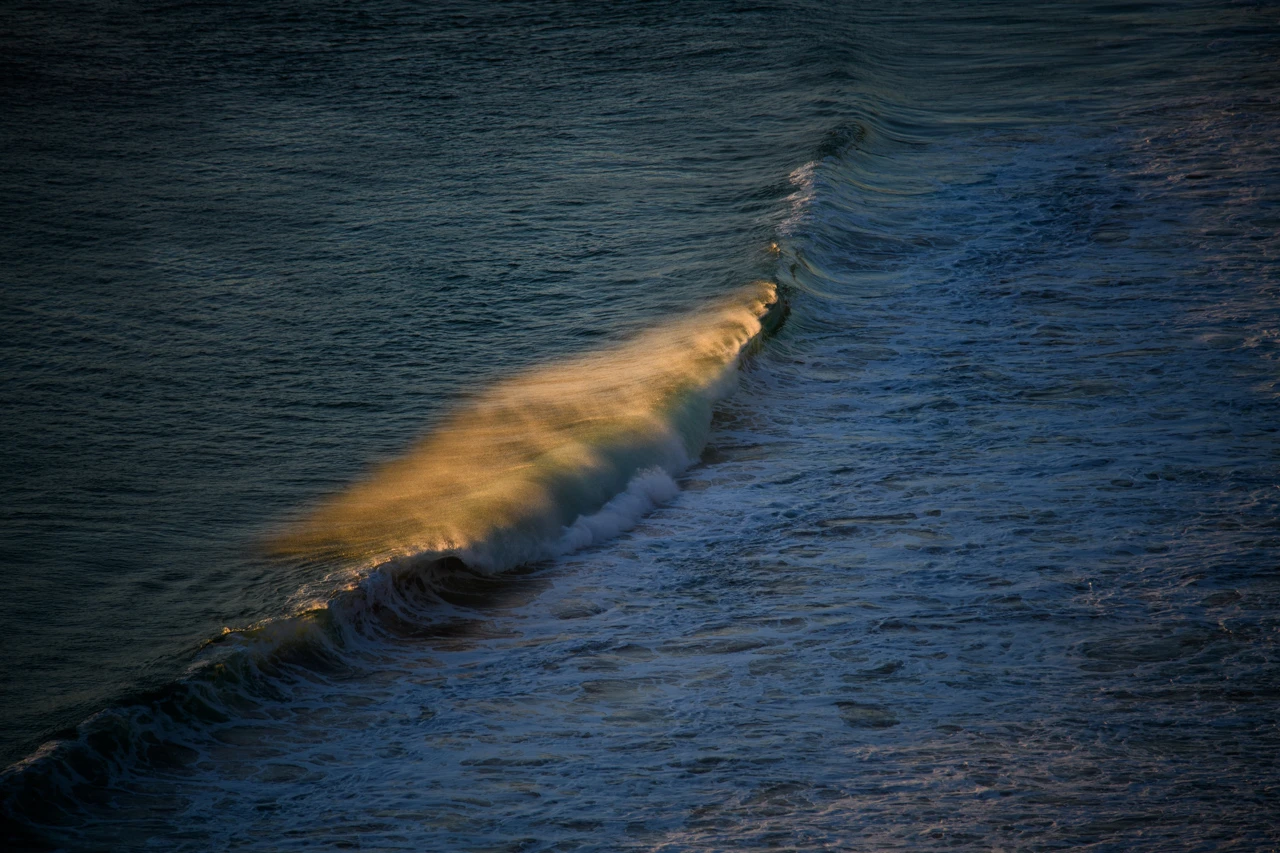
Waves keep rolling in over winter
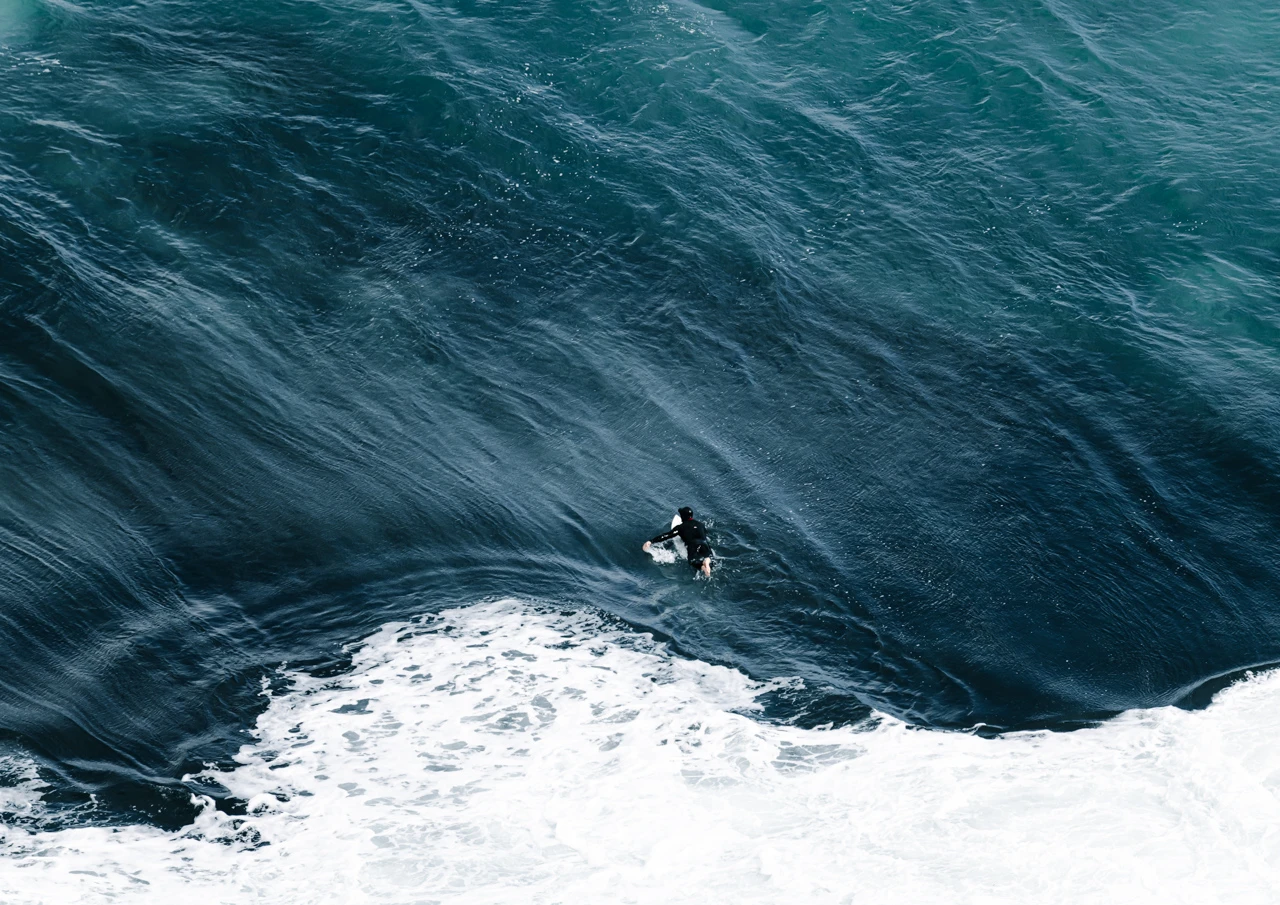
The surfer well covered in winter wet suit
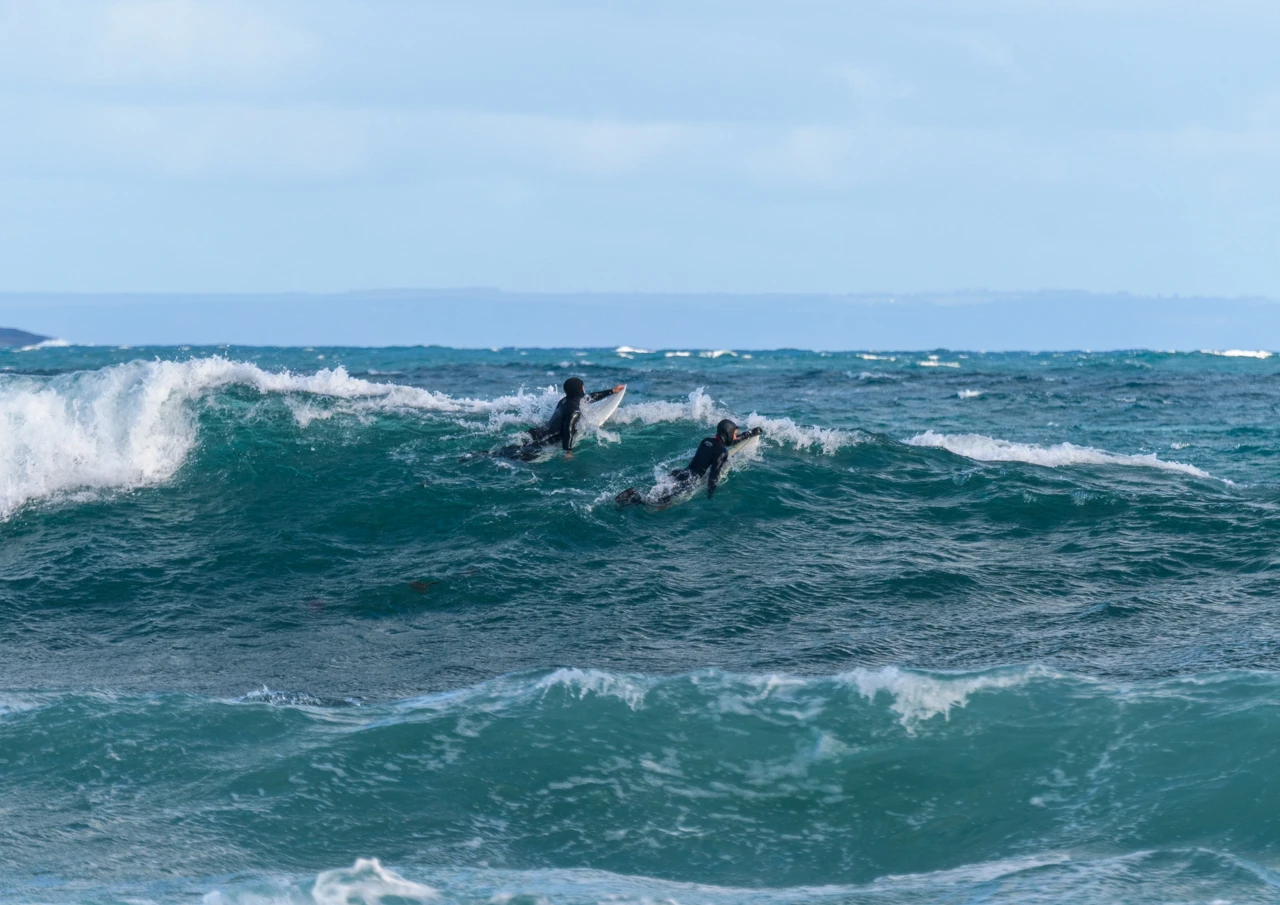
Two surfers going over a wave

Surfers going over some wild waves. Not the best conditions but sometimes its worth it just to get wet.
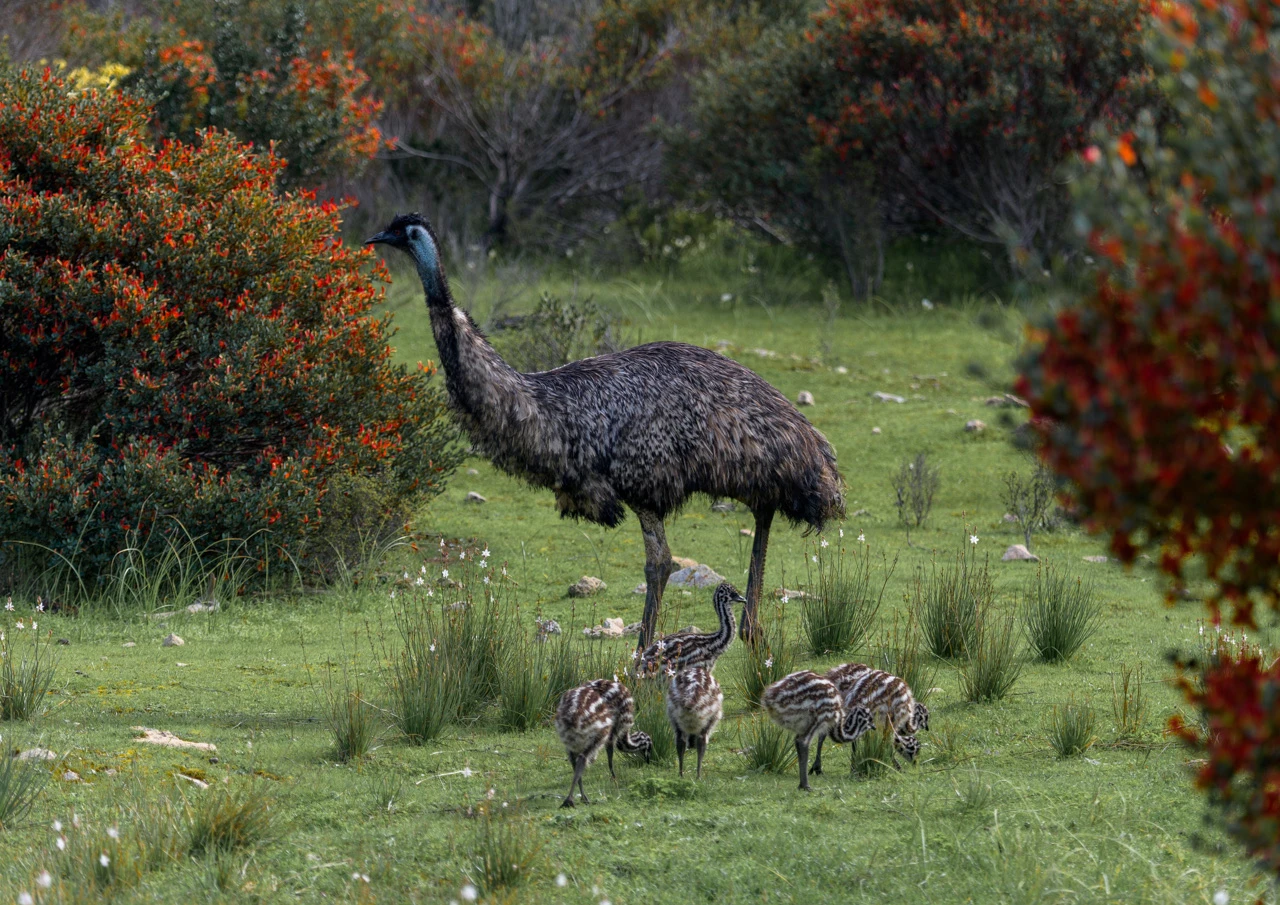
Baby emus come out over winter

The baby emus appear at the end of August, early September. We love watching them grow and get used to the nosey tourists always stopping to photograph them. Not me of course!!! The red bushes are everywhere at the moment, spring is trying to arrive with flowers just starting to appear. Winter could be on the horizon and this will be most welcome
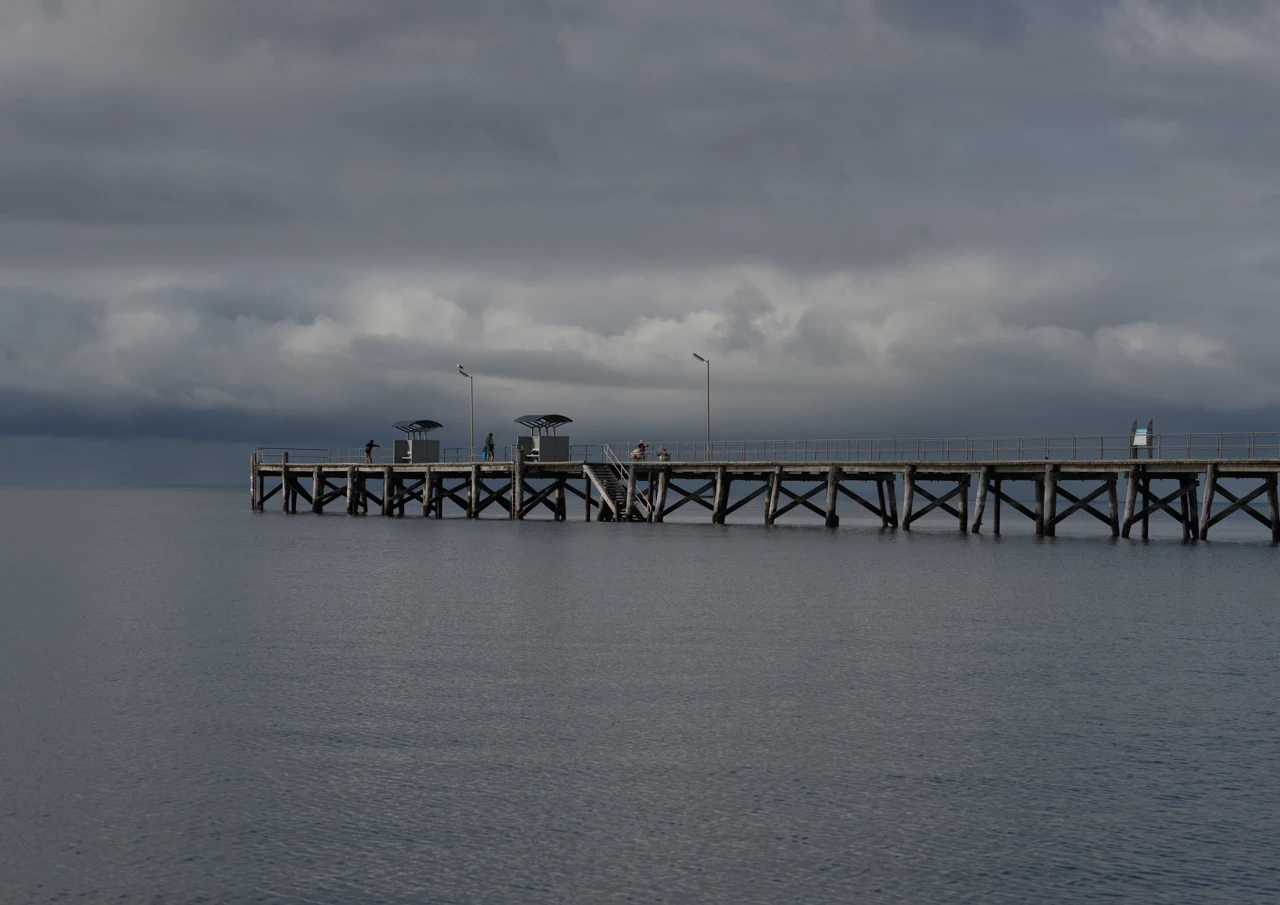
Marion Bay jetty very grey and cool day

Marion Bay jetty with only a handful of tourists. Later on in the winter  there was nobody on the jetty as catching squid was not allowed till summer. I think this was due to the algae bloom outbreak during last summer.
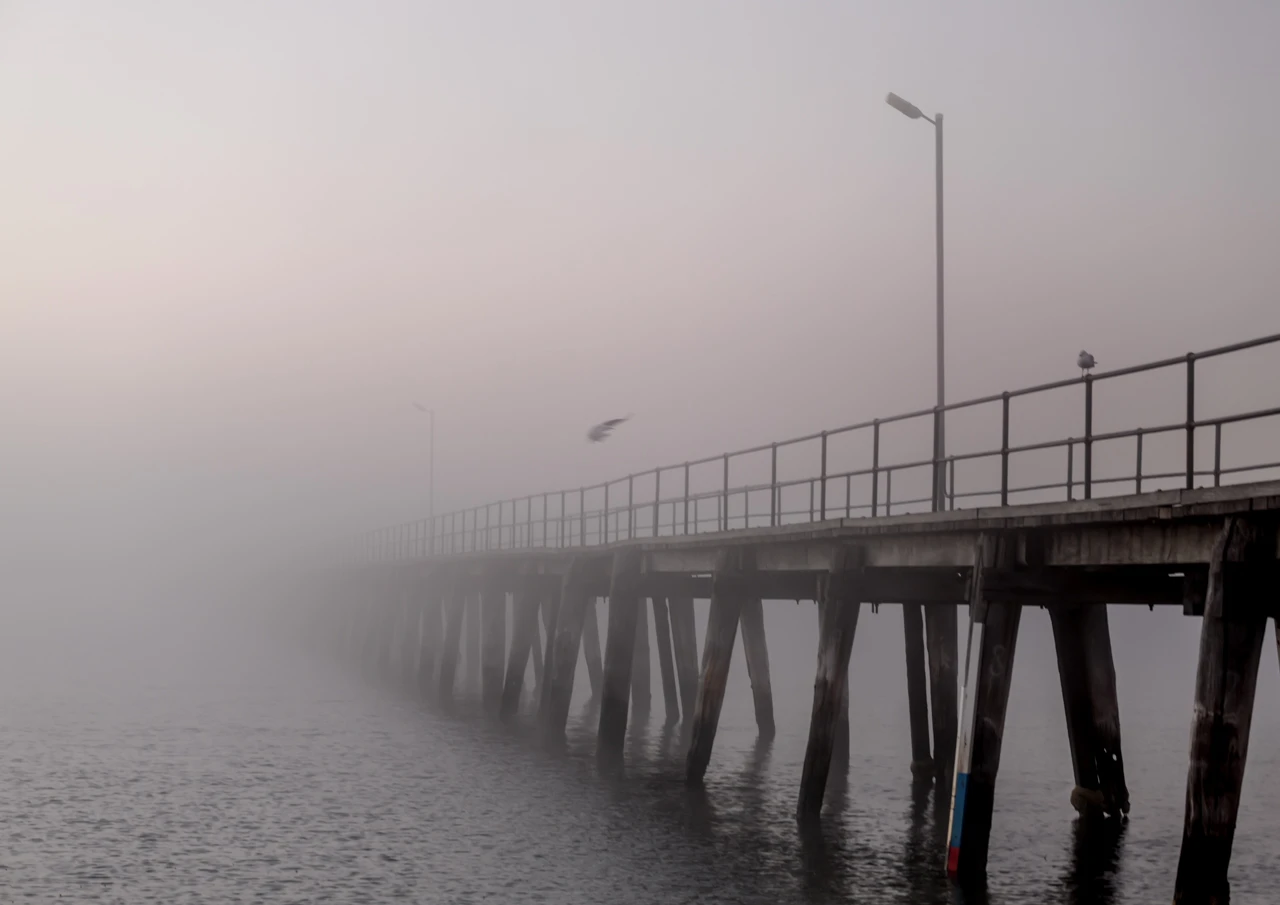
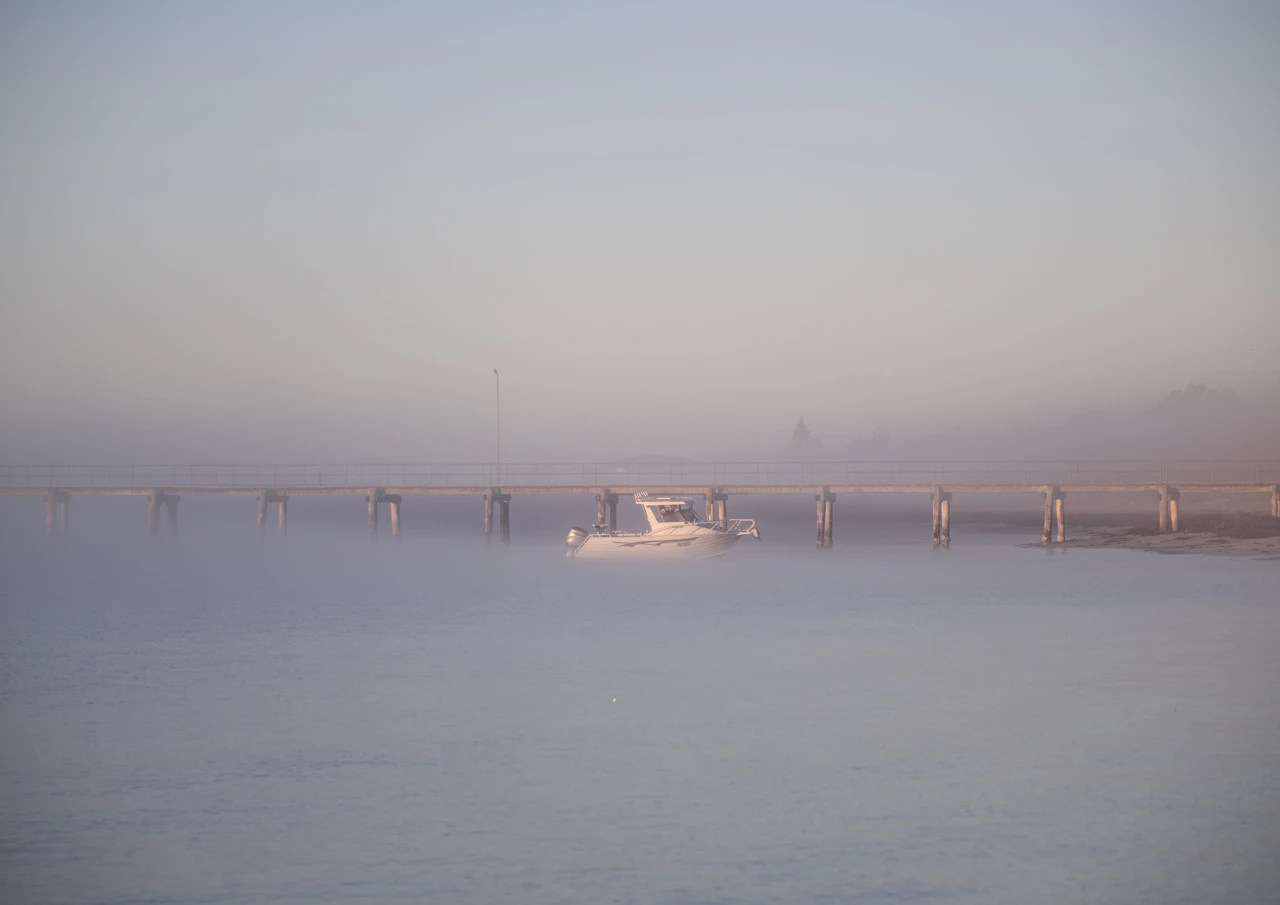
Marion Bay jetty often foggy
Fishing boat leaving in the morning fog

We have a few foggy days when the wind decides not to blow. Oooo  the serenity of a calm day!
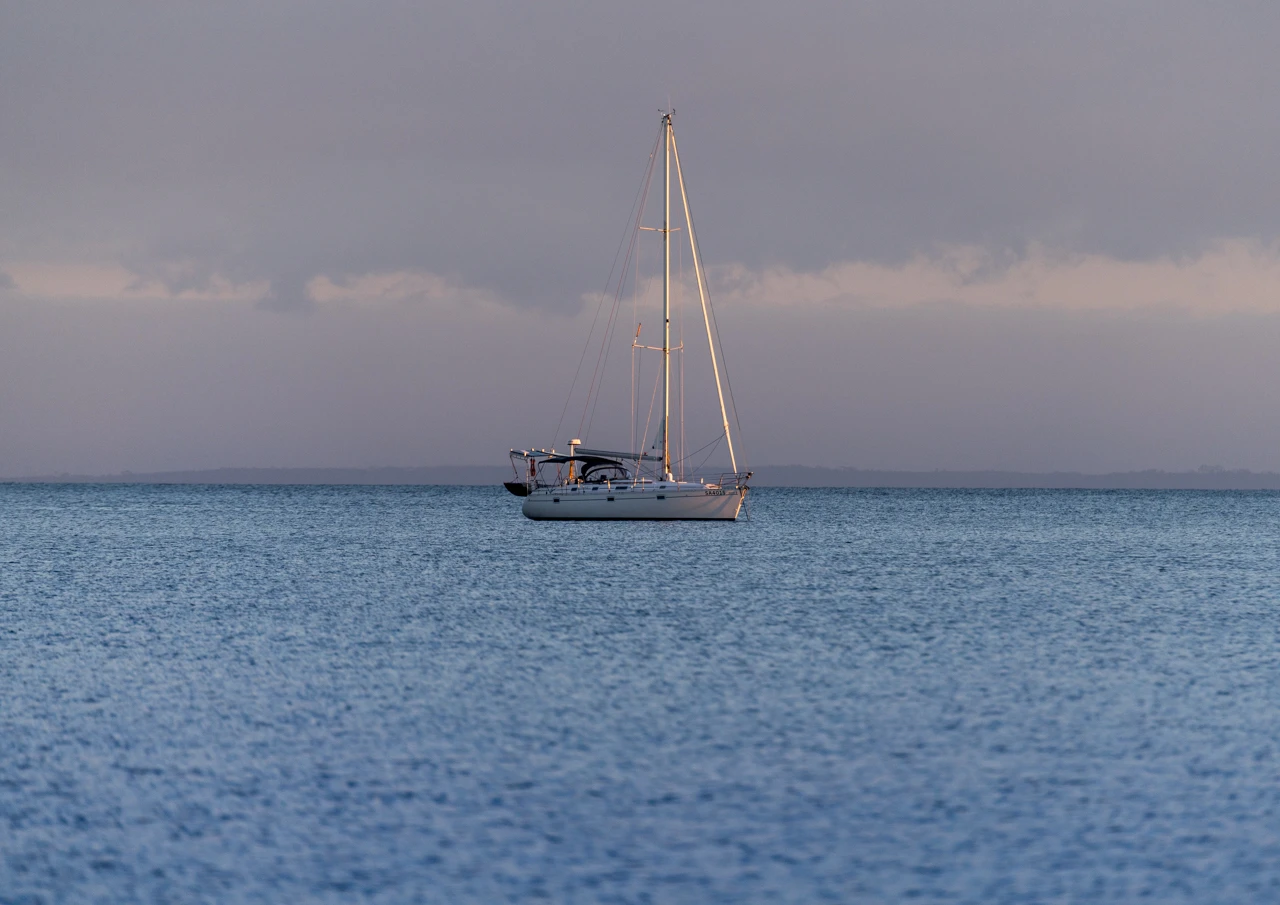
Yacht moored at Marion Bay

Only a few yachts over winter, just the brave souls who enjoy a bit of a challenge.
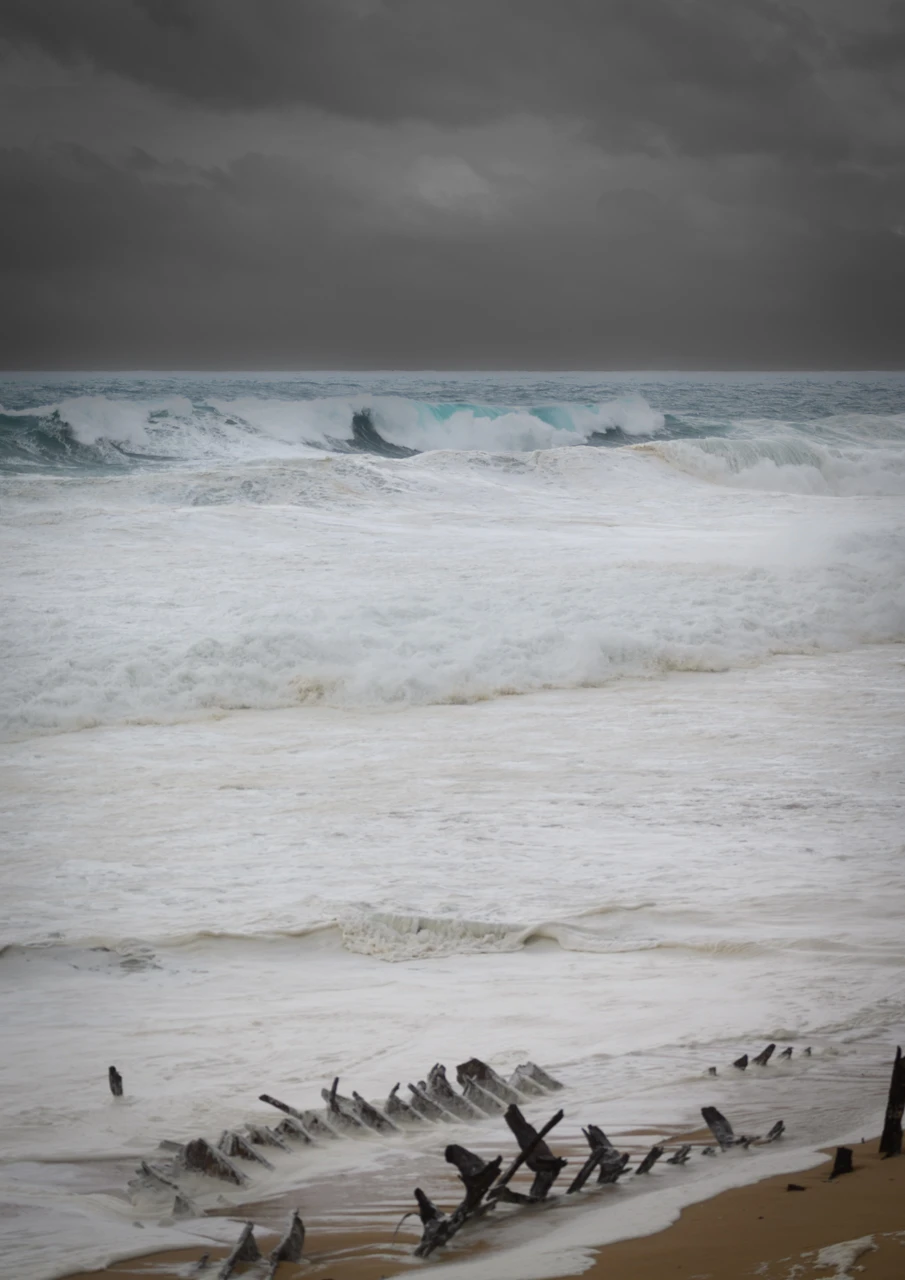
Foam washes on to the shore.

Foam washes on to the shore. Normally a sandy sunny spot!
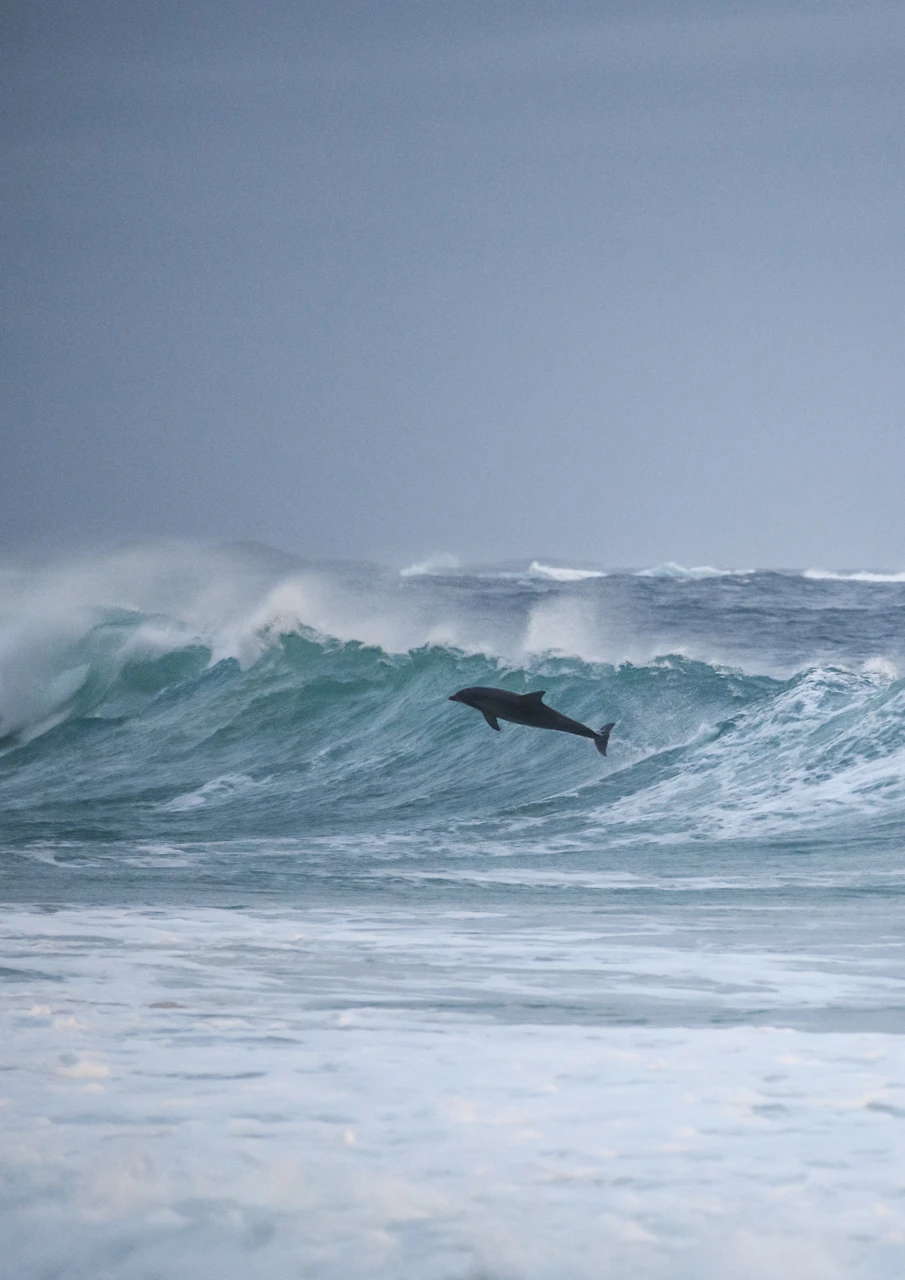
Dolphin leaps out of the wave
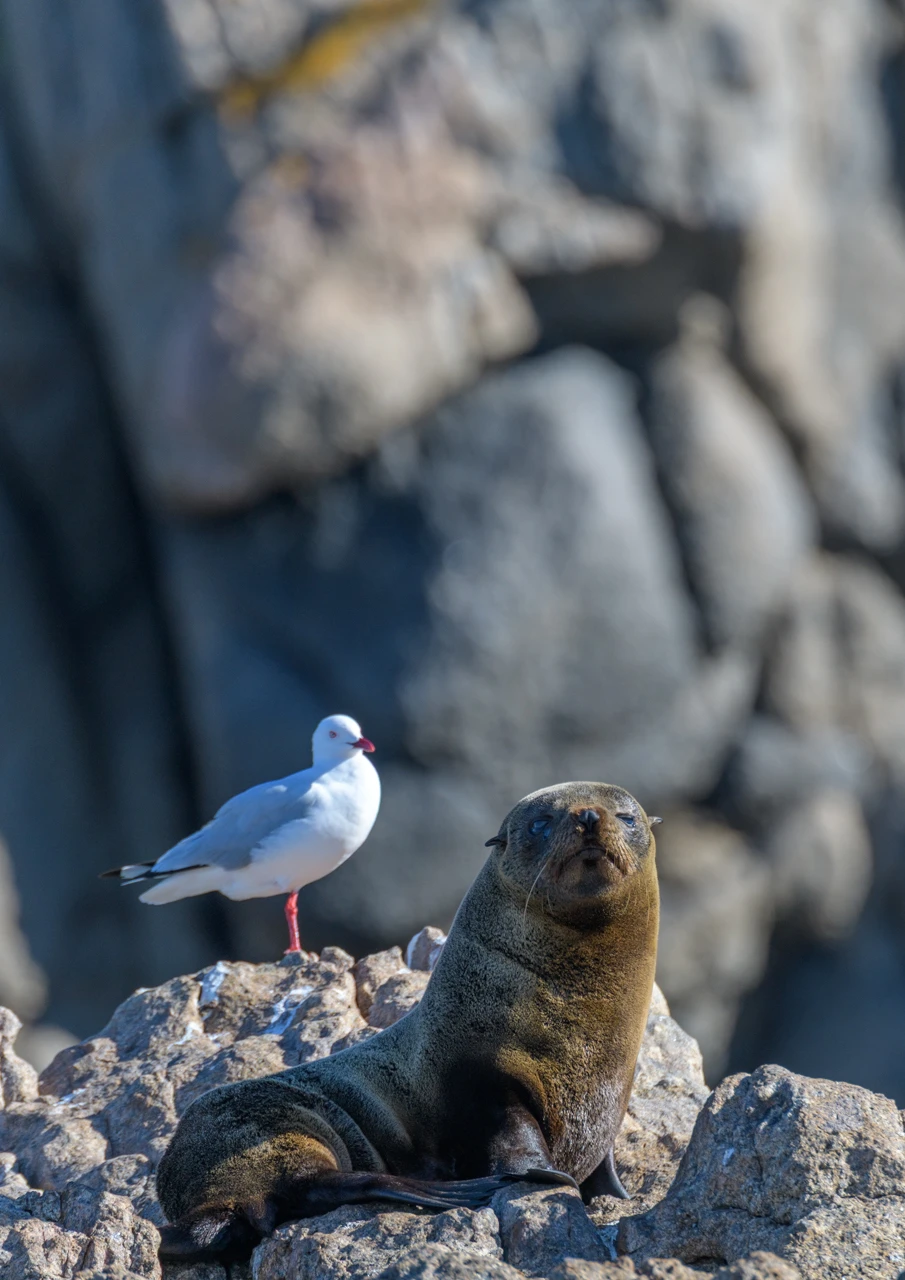
Seal and sea gull
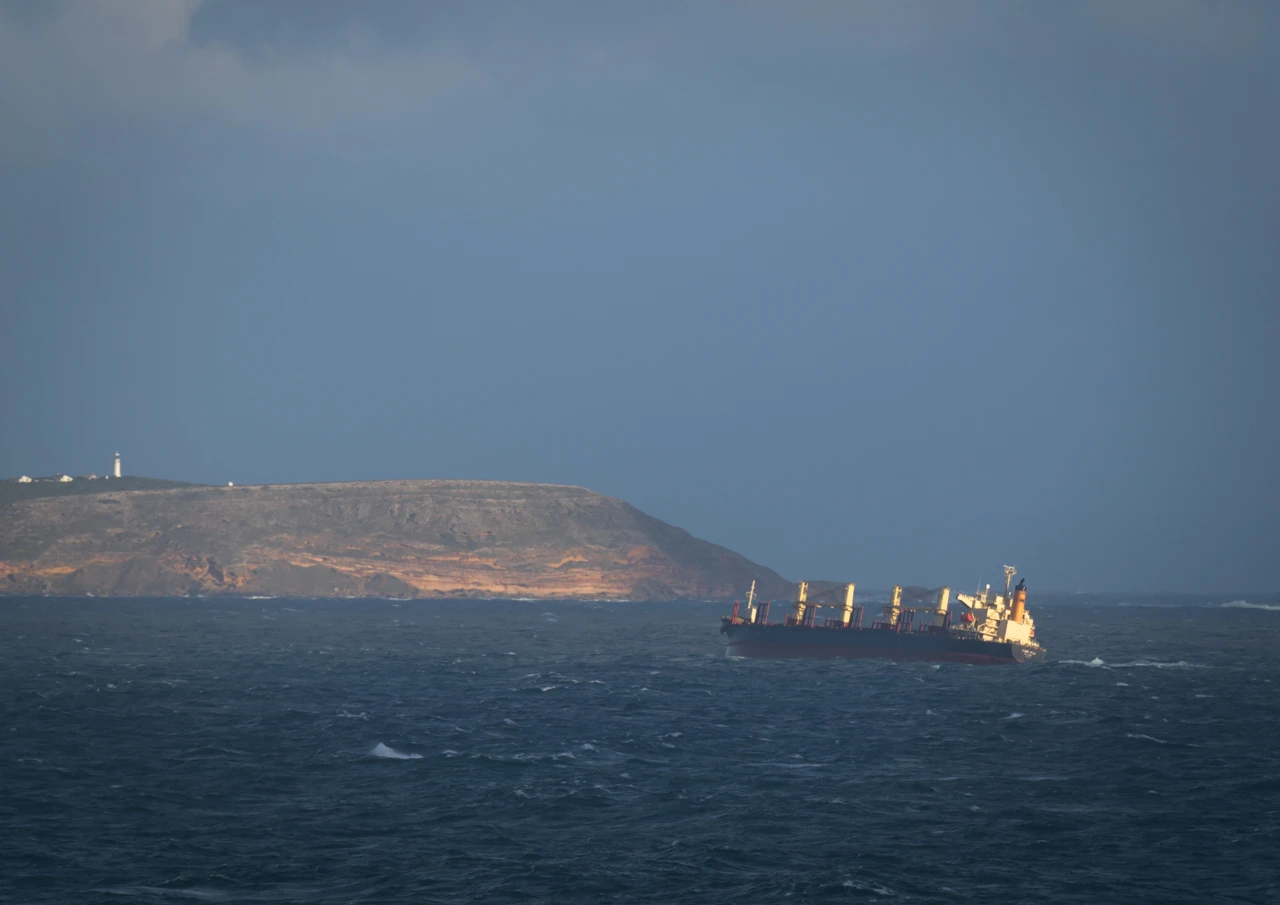
Ship passing close to shore buffeted by wind and big swell

An ocean liner buffeted by winds and a big swell. 
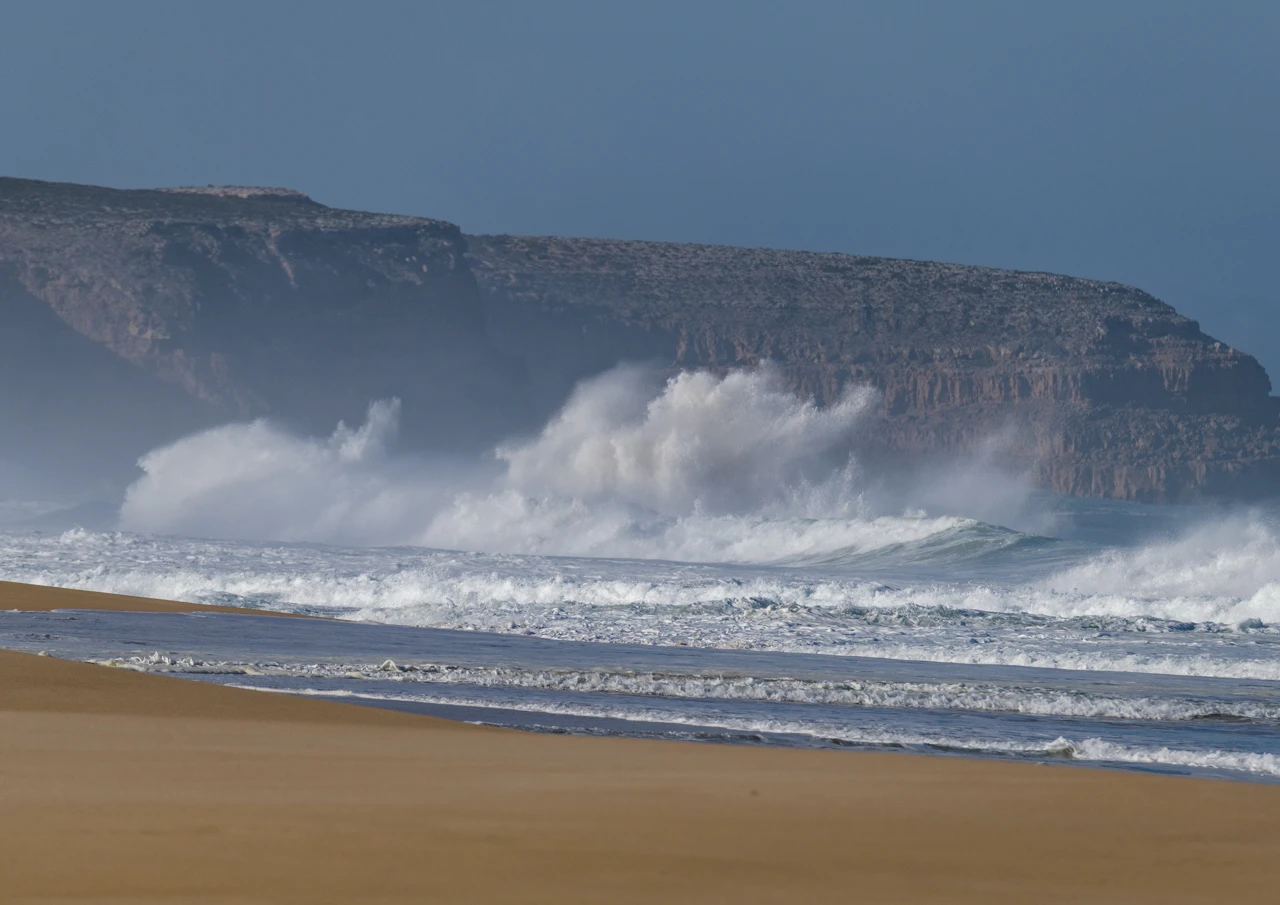
Spectacular big waves.
West Cape in rough seas

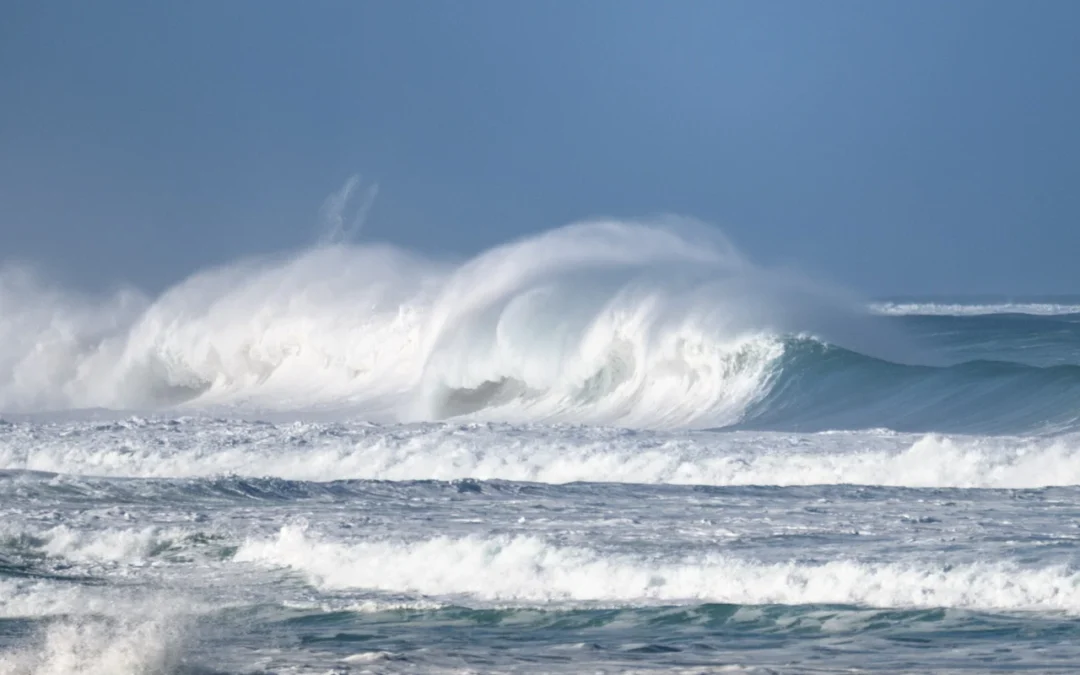
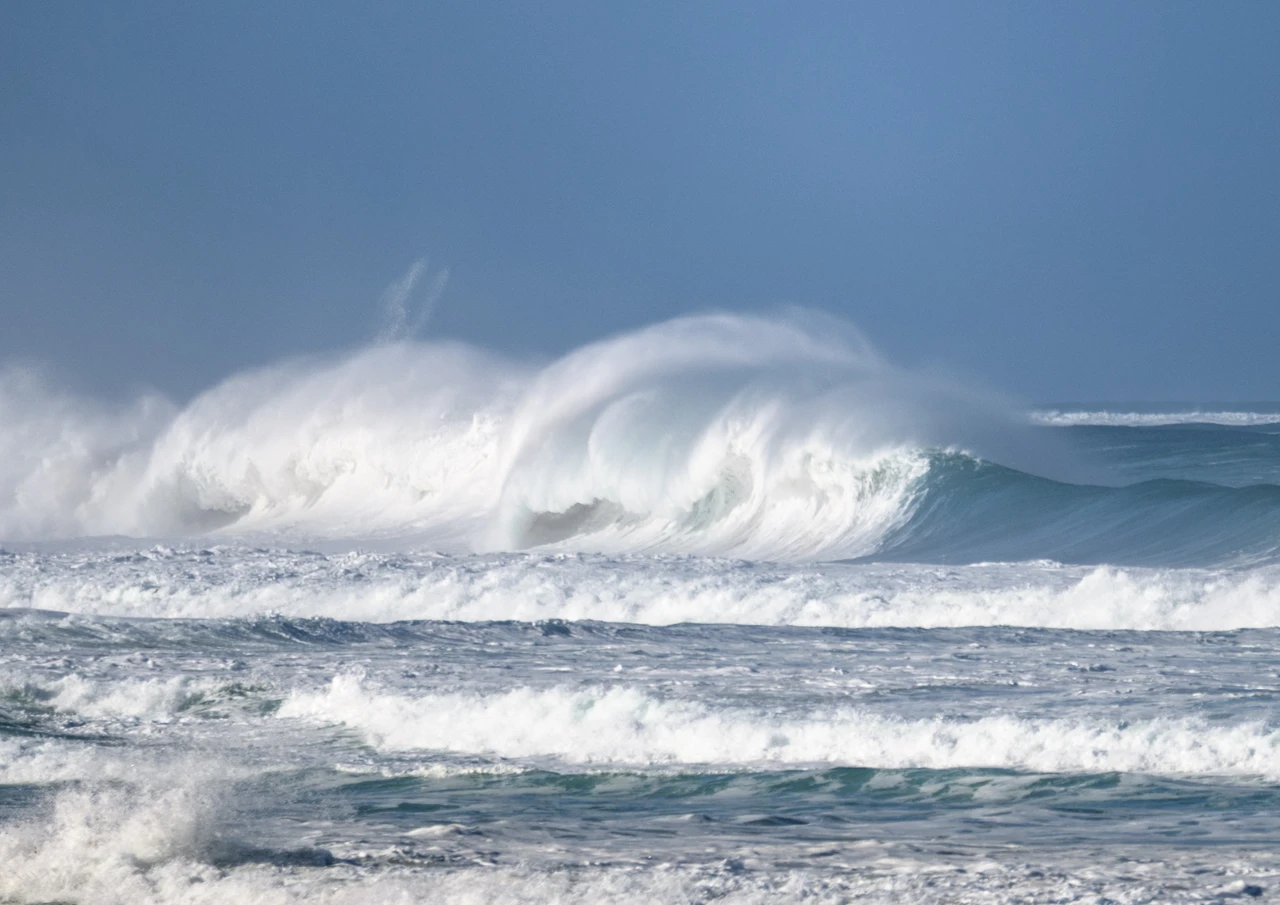
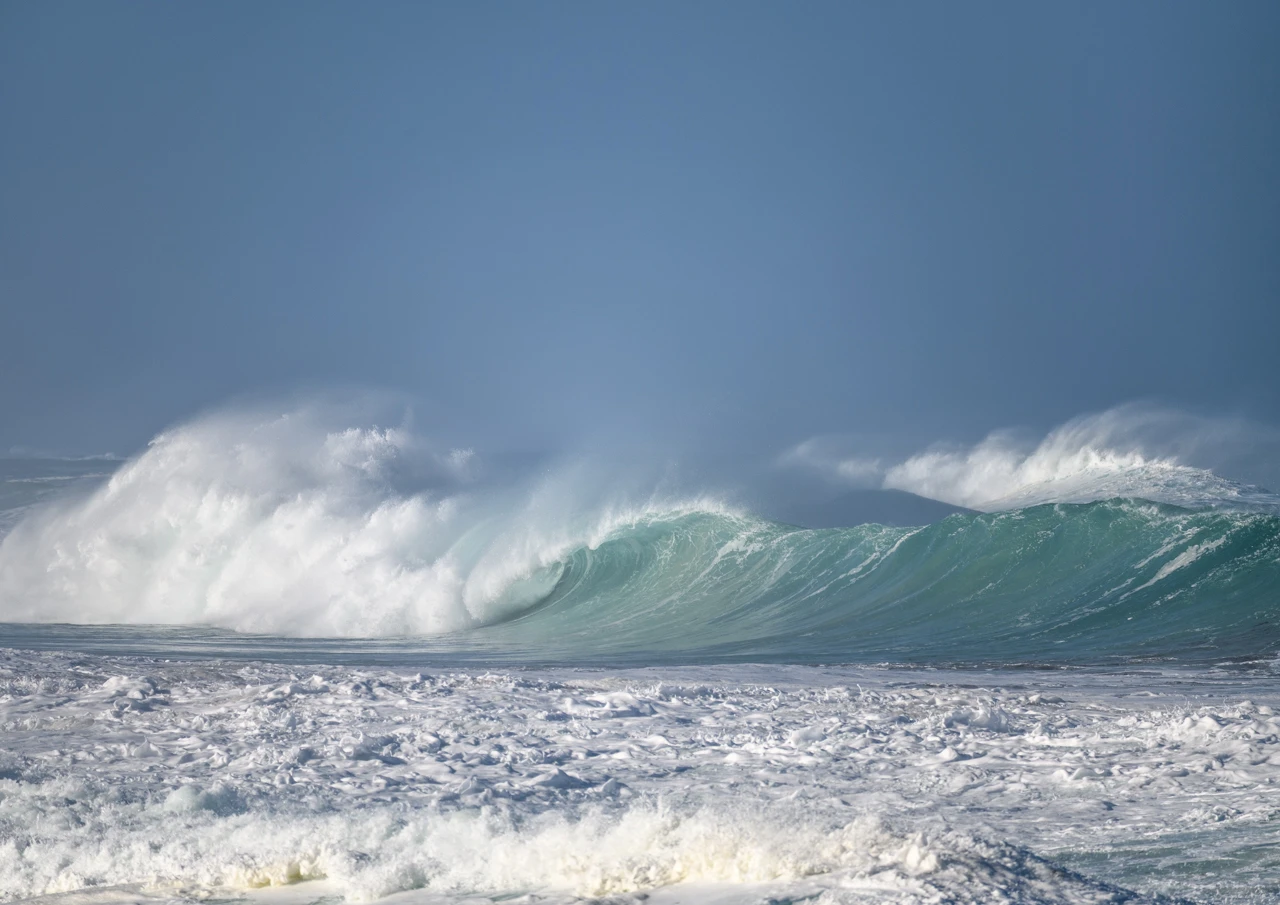
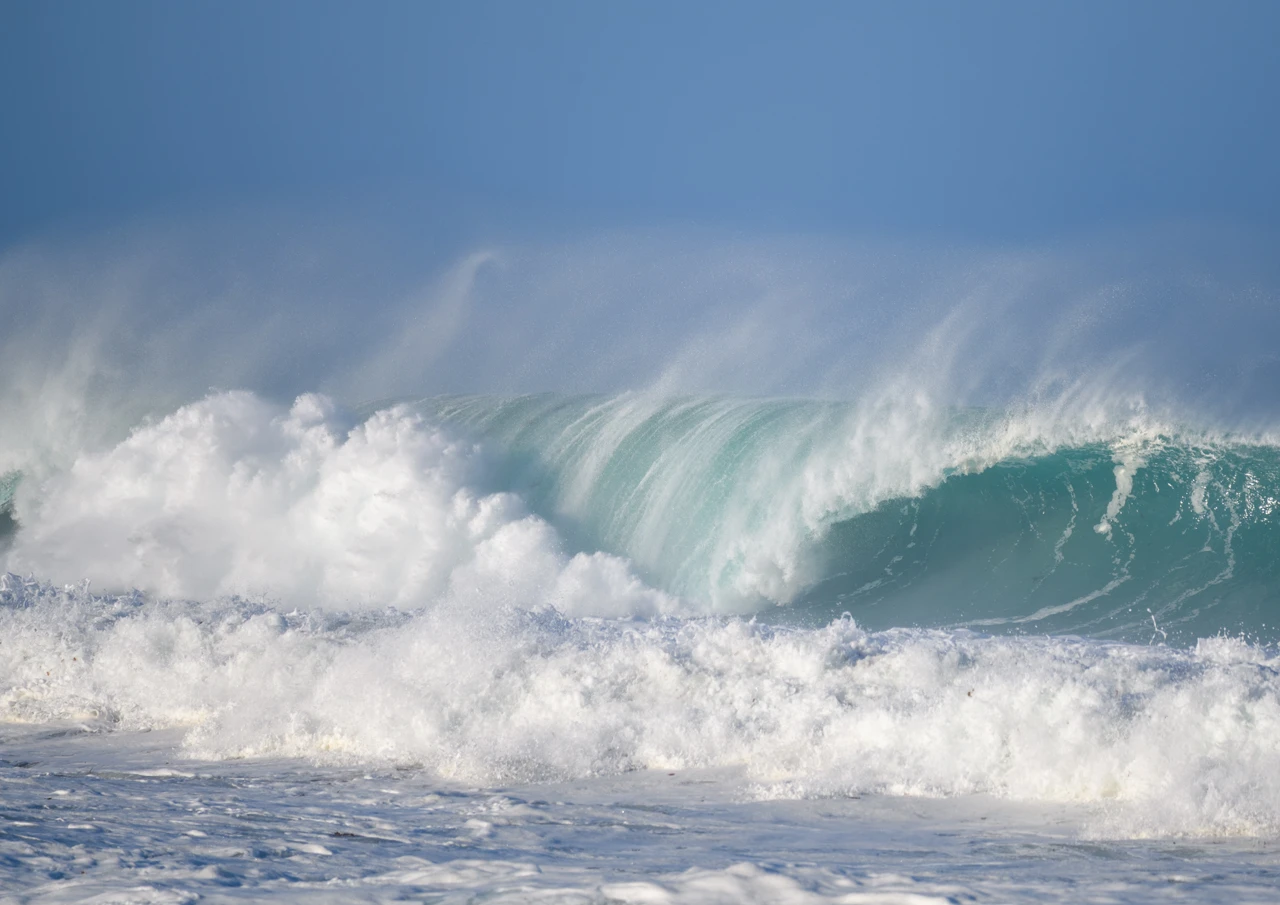
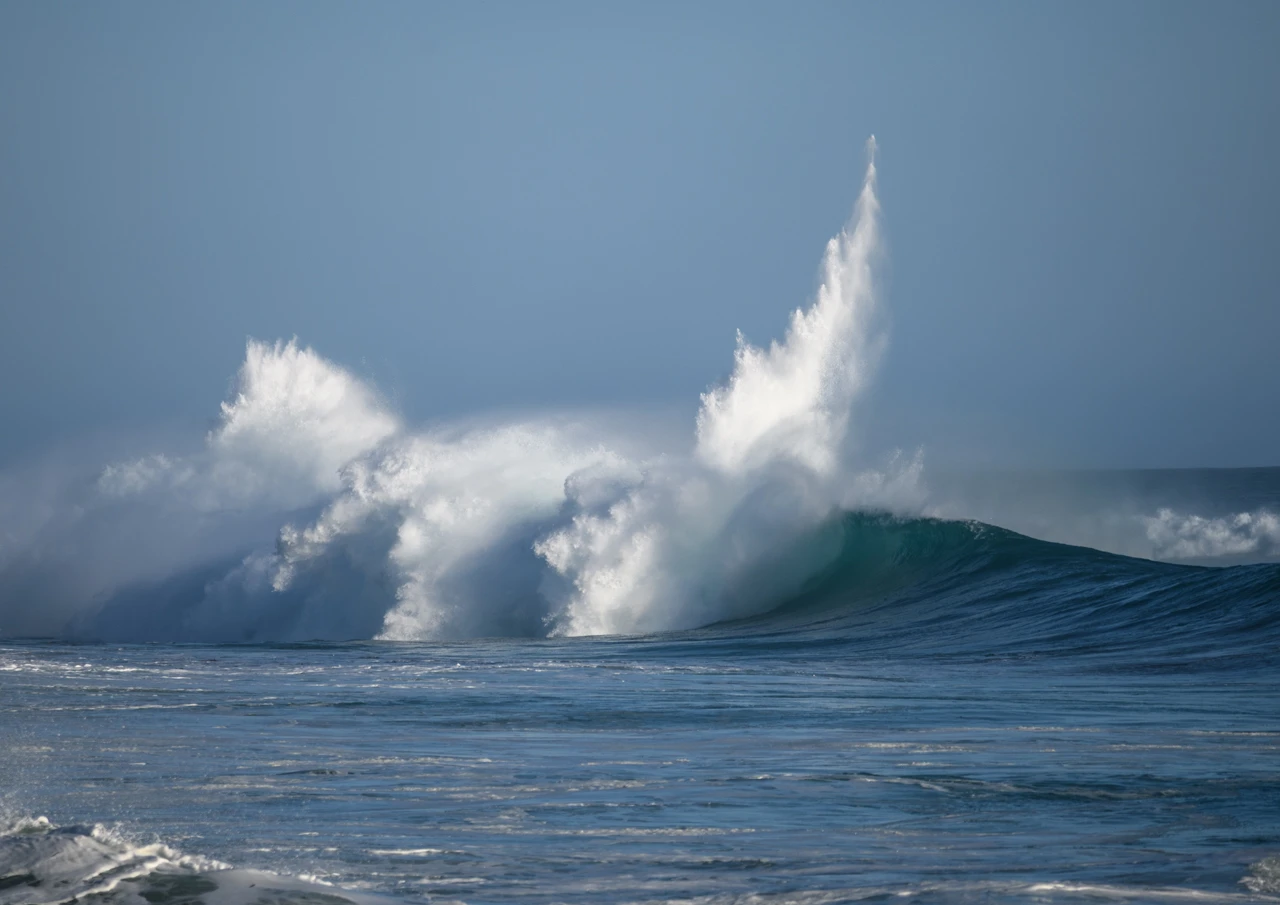
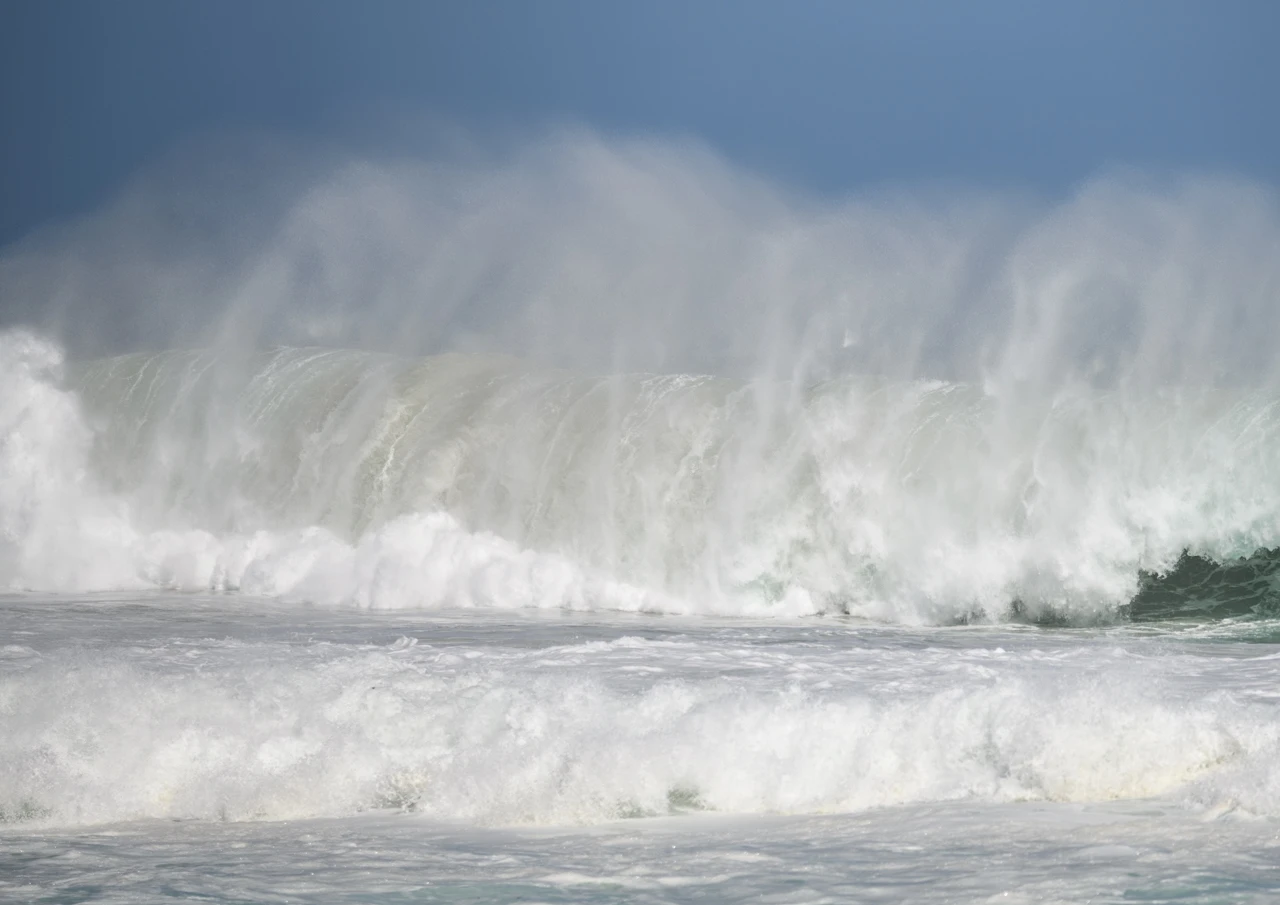
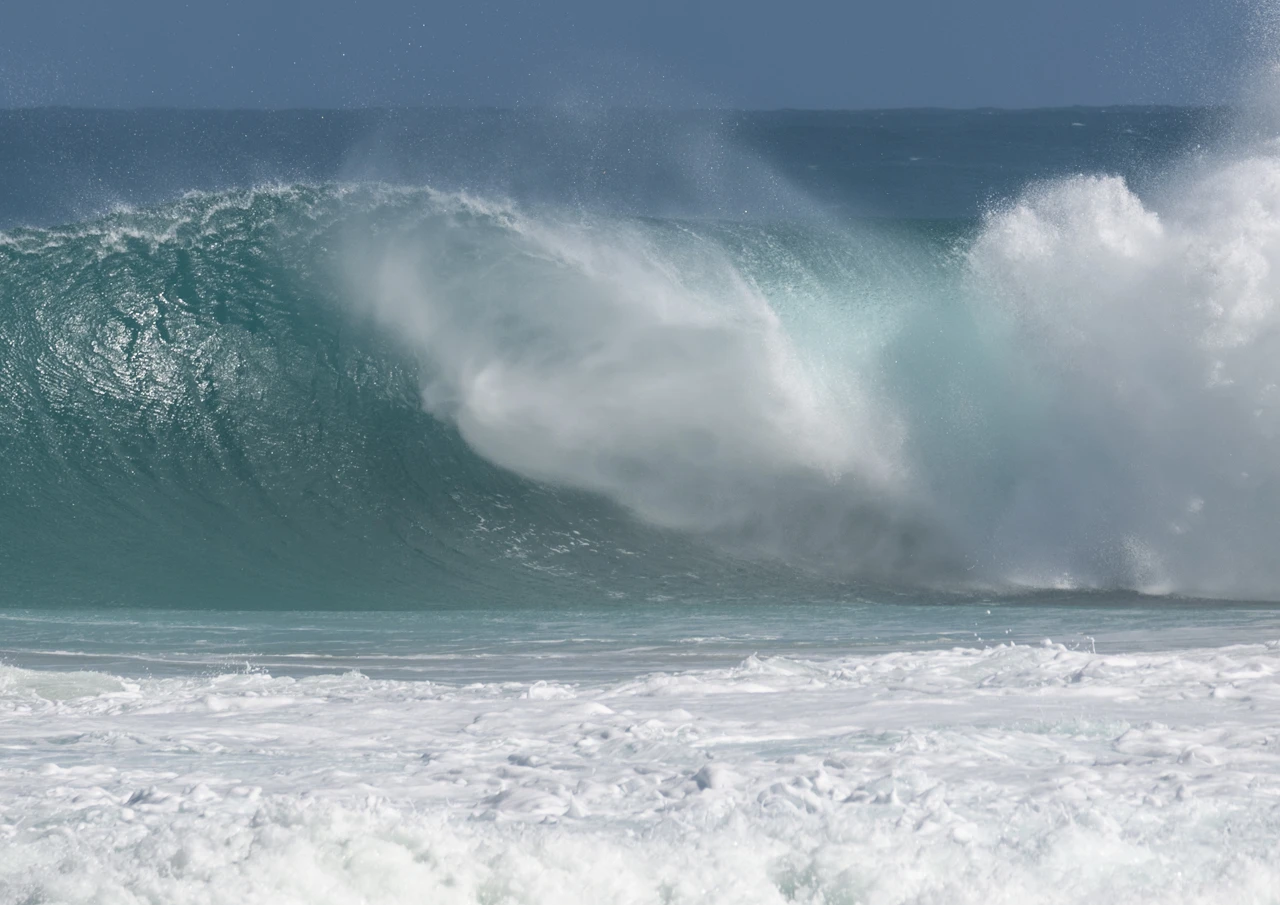
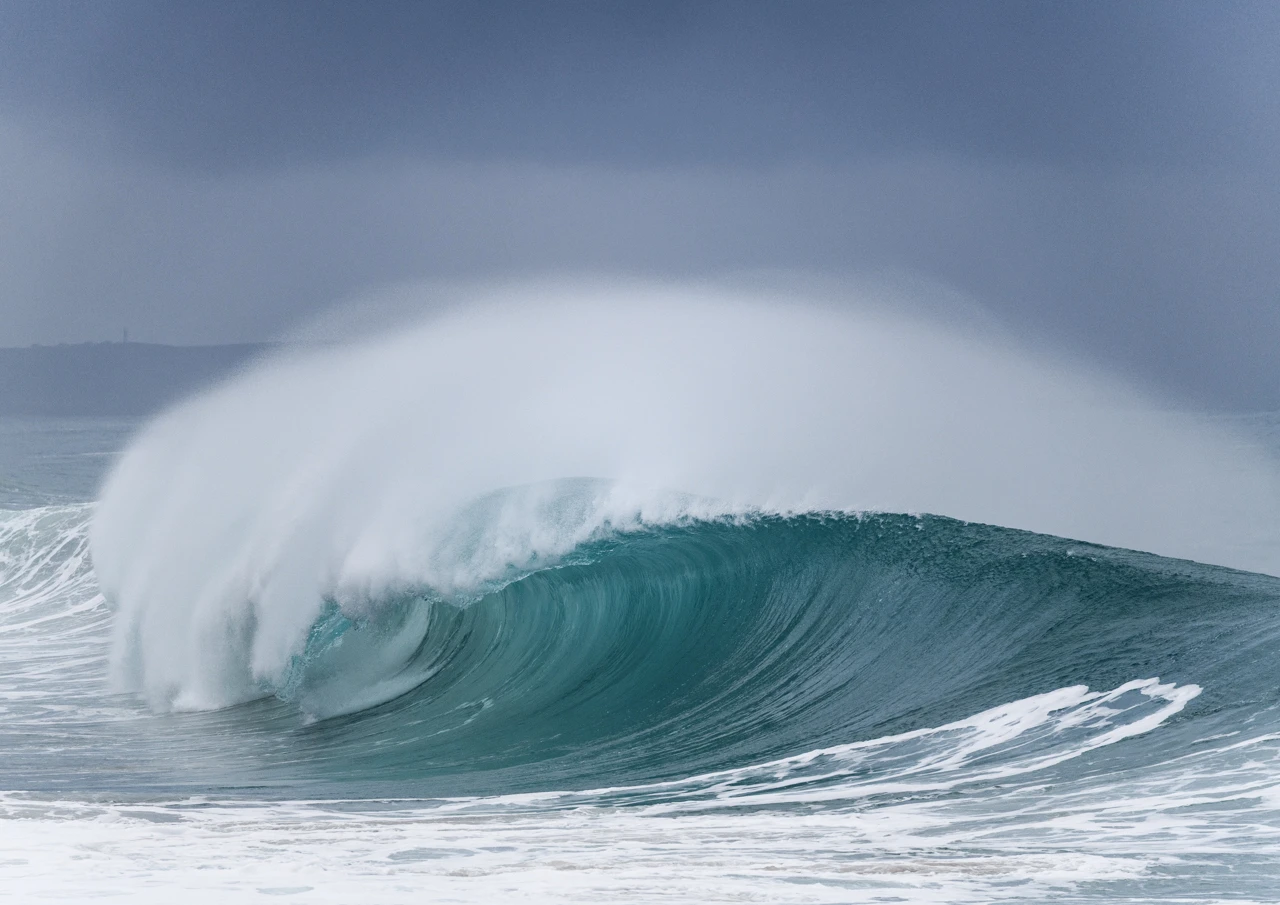
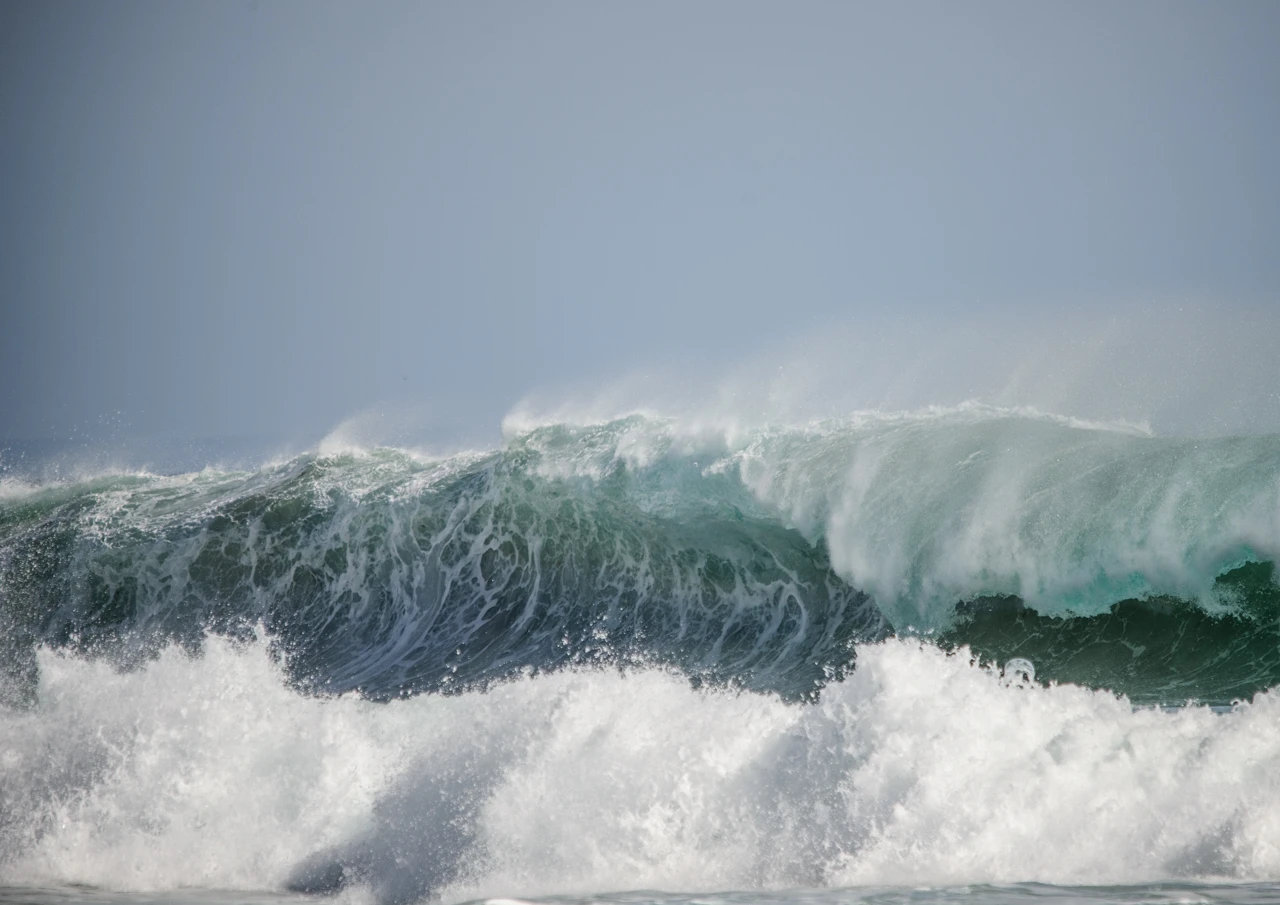
For me the most spectacular happening by far over our winter is the gigantic powerful waves that hit the shore. I dress warmly, ear muffs, gloves, thick jacket and scarf and often take a walk up West Cape beach. Very invigorating, but certainly a very different experience. The sound these waves make is quite deafening!

(All images are taken by Wendy Philip. No AI generated images.)

(This web site is ad free, a peaceful and relaxing experience.)
Huge waves which originate in Antarctica

Huge waves which originate in Antarctica

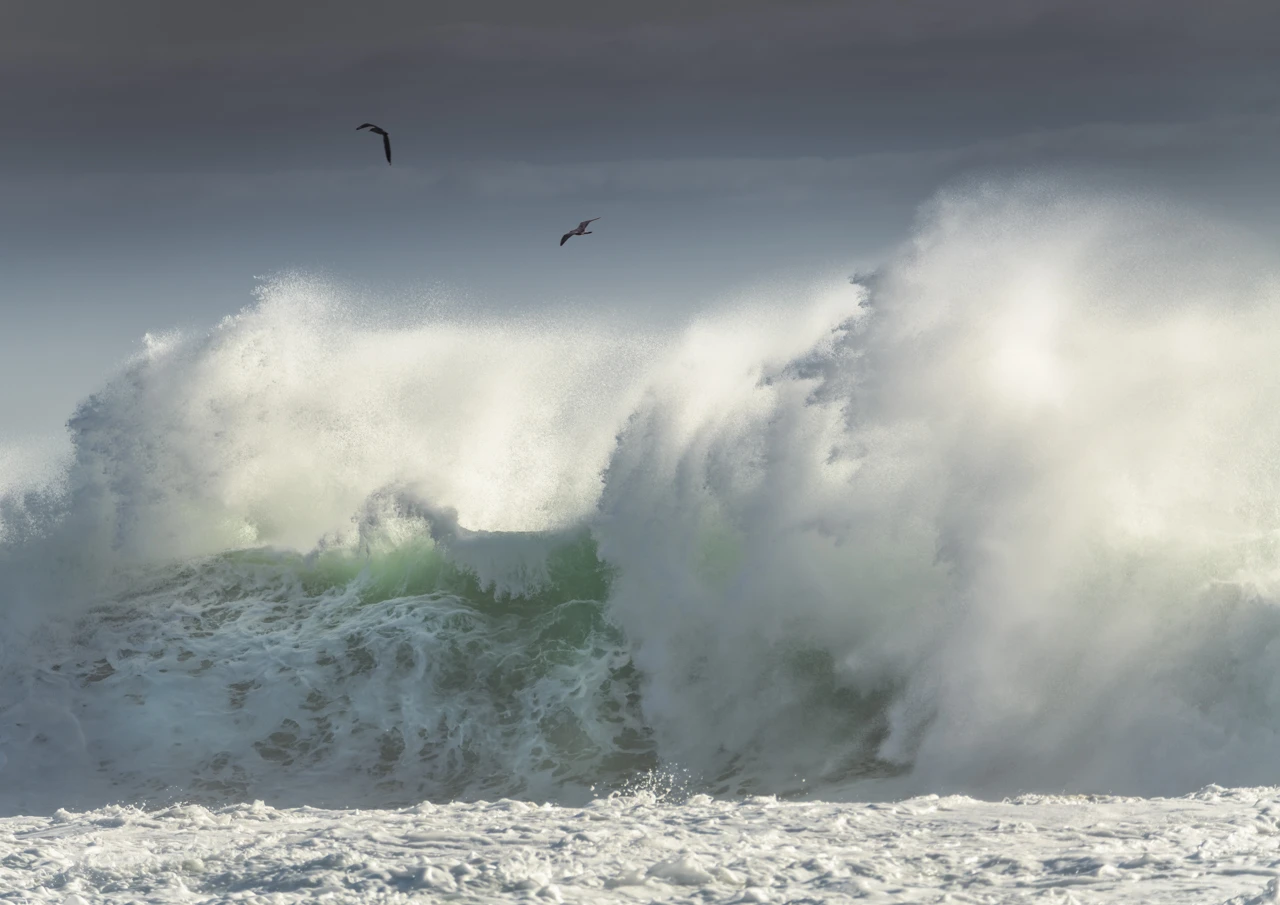
Birds and wild stormy weather

The waves which land on the South Australian shores originate in the Southern ocean.


The Southern Ocean, also known as the Antarctic Ocean, comprises the southernmost waters of the globe, spanning the area south of 60°S latitude and encircling Antarctica, covering  approximately 21,960,000 square kilometers.

Generated by the relentless, unobstructed westerly winds between latitudes 40degrees and 50degrees South, the Roaring Forties fuel the Southern Ocean’s massive groundswells. These swells travel thousands of kilometres before hitting South Australia, producing some of the heaviest, most powerful, and pristine surf breaks in the country.

Because there are practically no landmasses to disrupt the wind in these southern latitudes, the resulting groundswells possess massive wave periods, often exceeding 14-17 seconds, packing incredible energy and power. (According to the local surfers the longer the period between waves, the better and more powerful they are for surfing on.)
The tip of Yorke Peninsula,

…..namely two beaches in particular, West Cape and Ethel Beach, very often receive these waves. On those days when the swell is big, I will undoubtedly meander to the salty shores to photograph and witness this God given phenomenon.


Artistic wave at West cape beach Yorke Peninsula
Big swell rolls in West cape beach Yorke peninsula
Another wave behind West cape beach
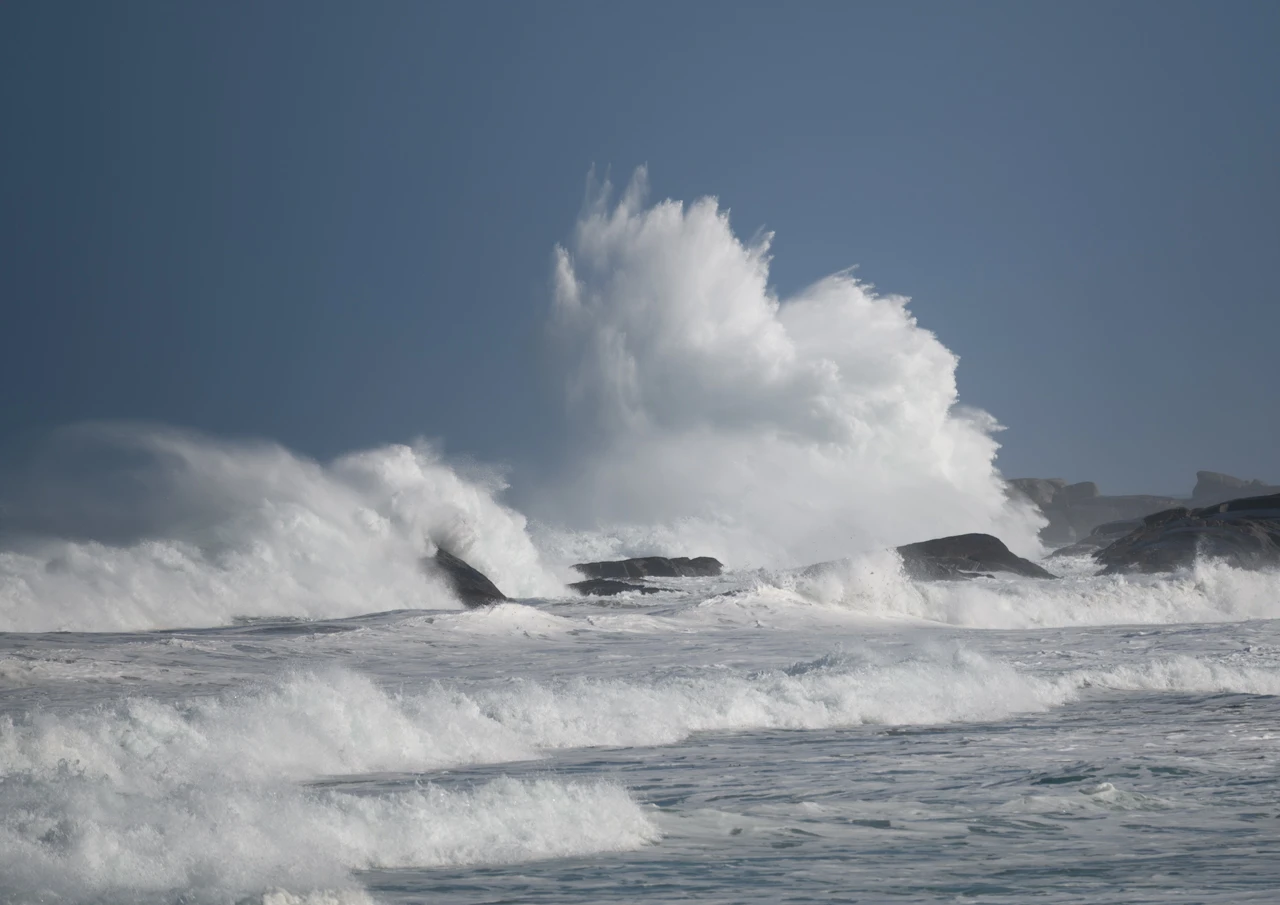
Wave crashing into rocks at West Cape beach Yorke Peninsula.
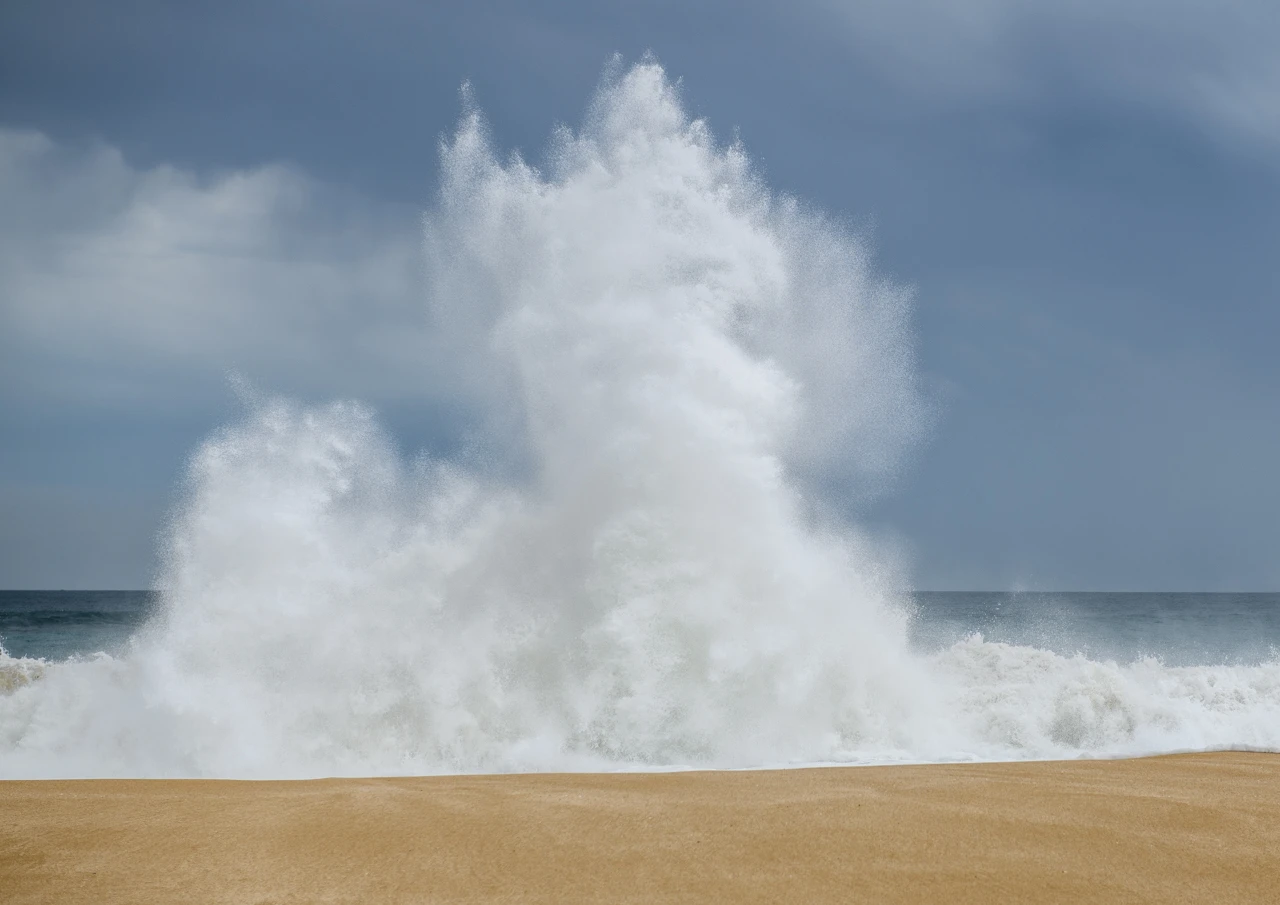
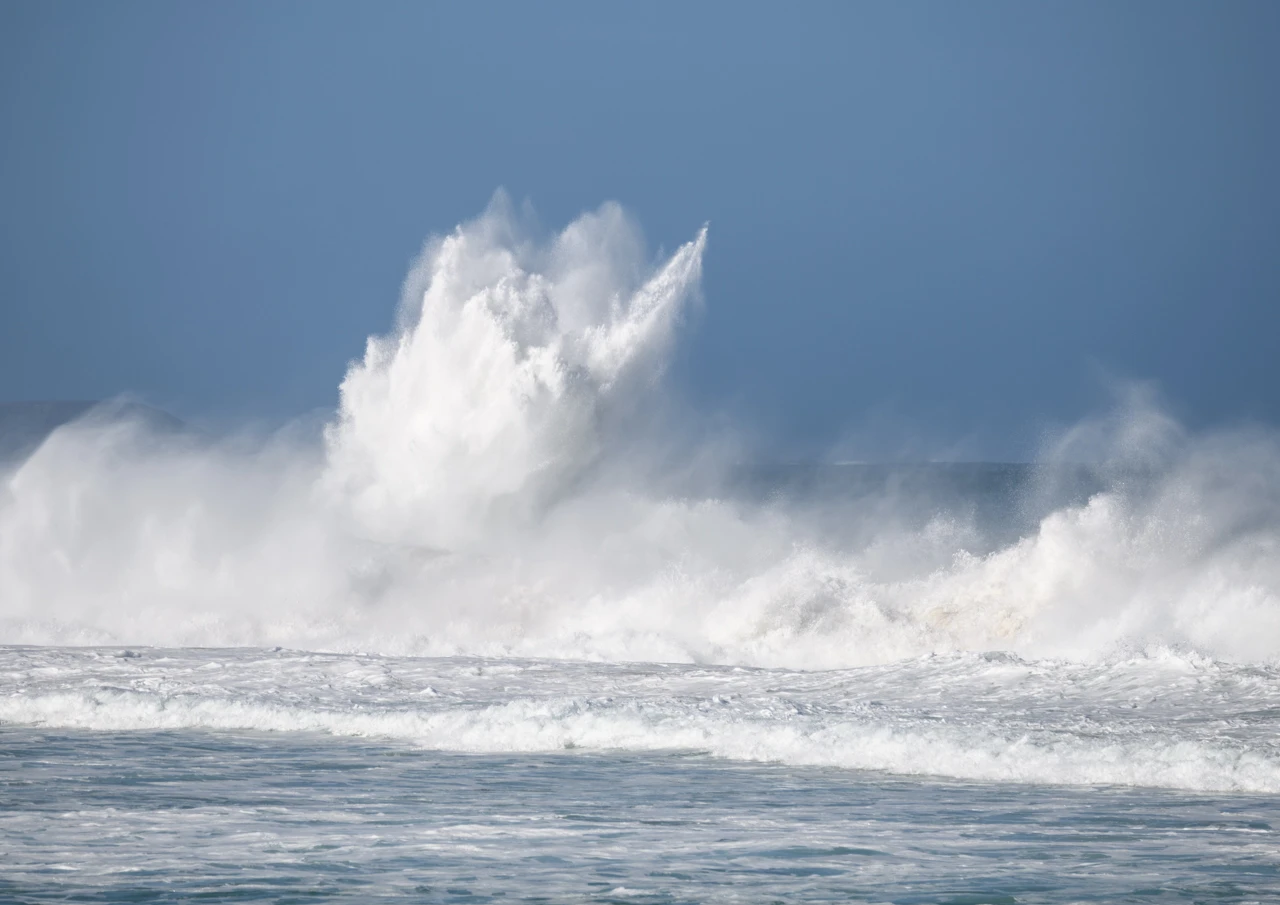
Sand and sea spray from big wave
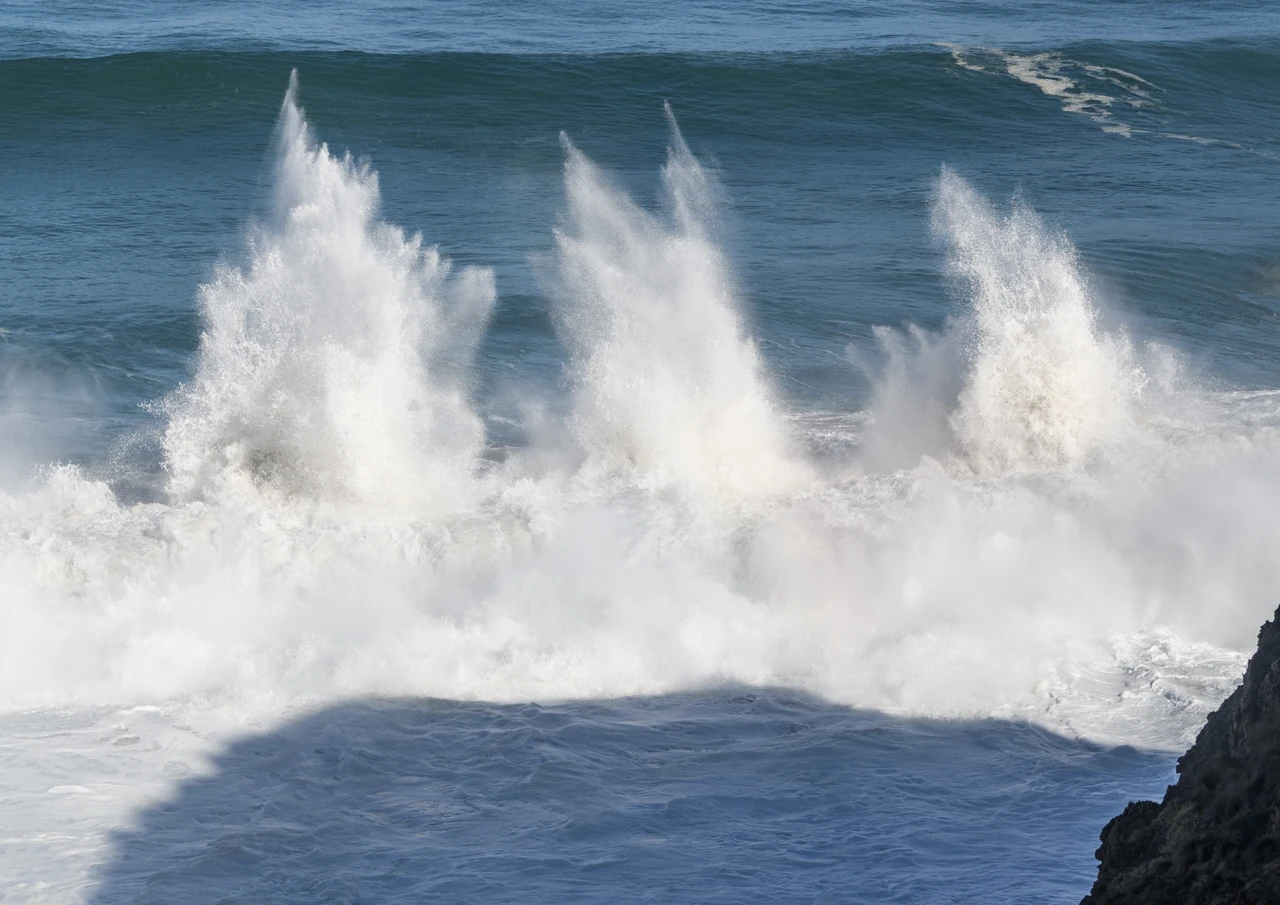
The after splash from huge waves Ethel Beach Yorke peninsula
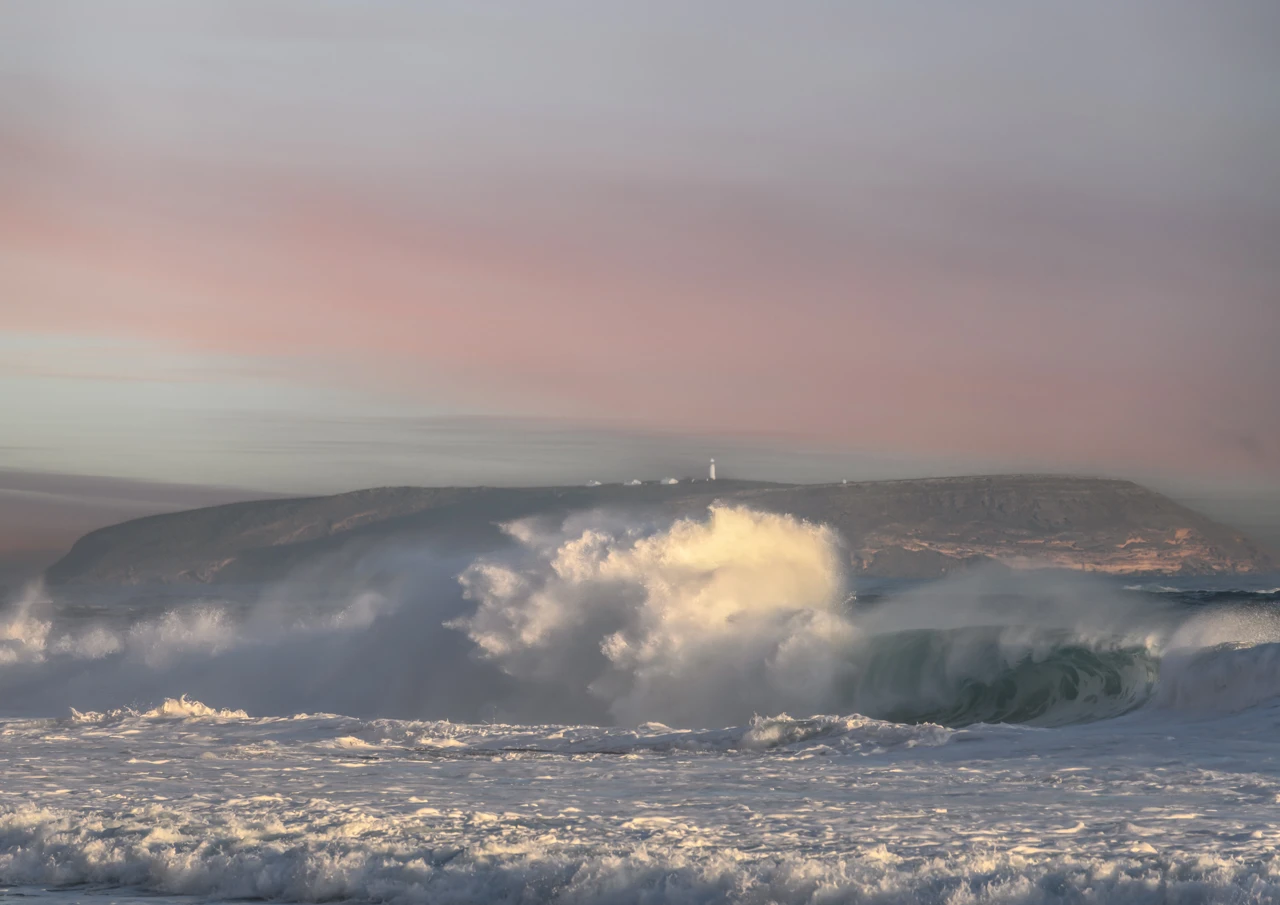
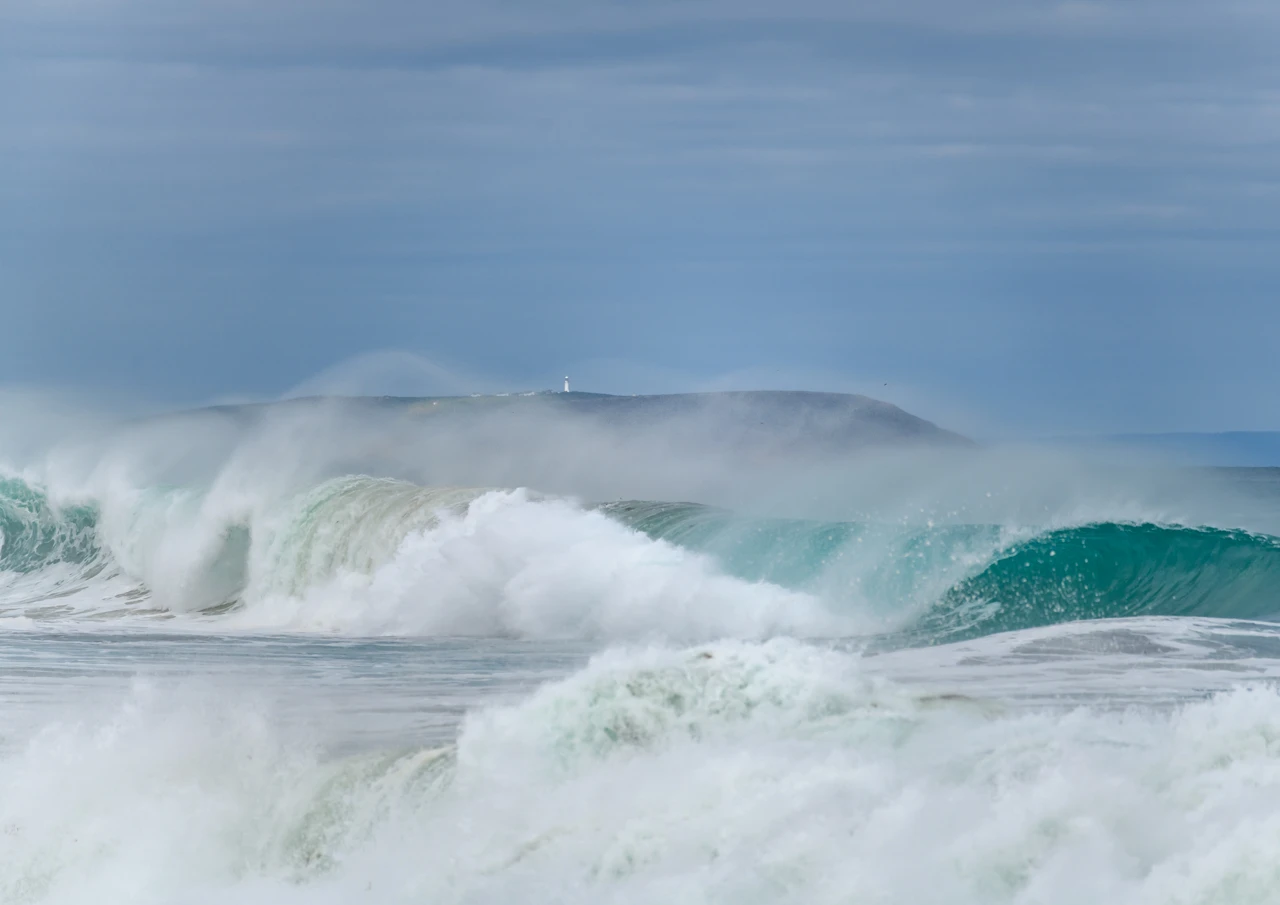
Big waves with Althorpe Island in the distance, Yorke Peninsula
Pink sky and a big swell at west cape beach Yorke Peninsula
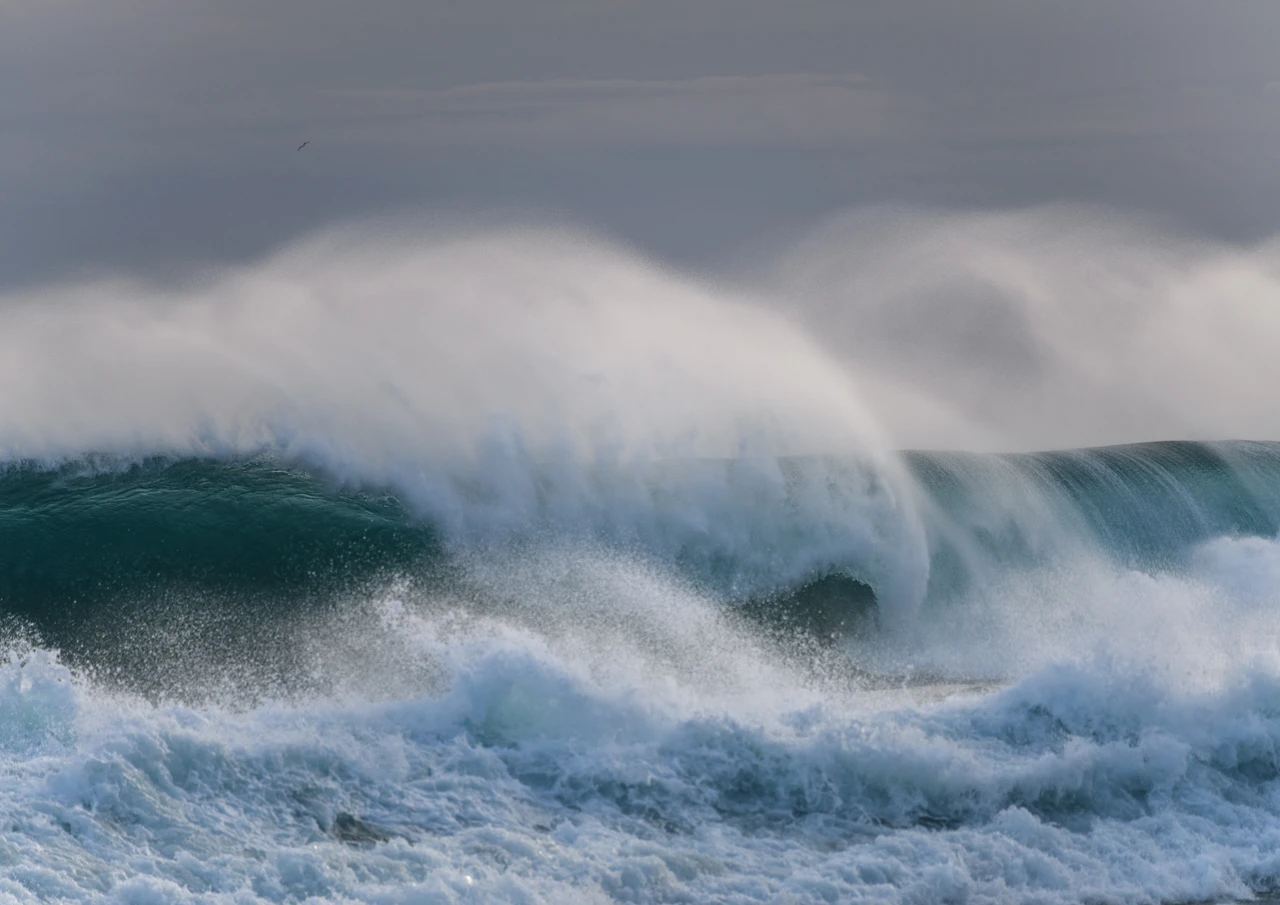
Howling winds and big waves West Cape beach Yorke Peninsula
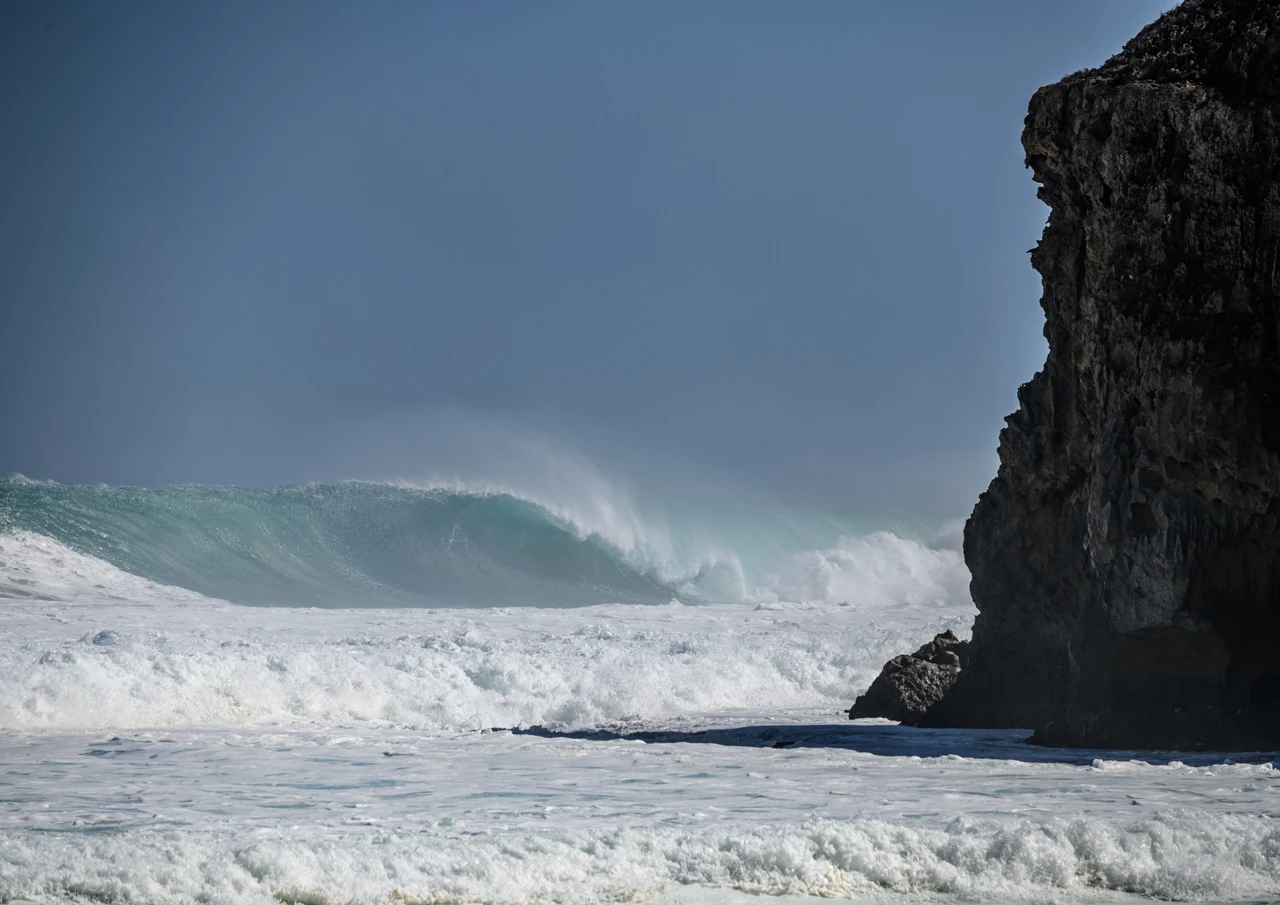
Wave near Ethel beach cliffs Yorke Peninsula
Big waves West Cape beach Innes National Park, West Cape
Evening and back spray from a wave
Waves keep rolling in A high energy beach West cape Yorke peninsula
A wave spitting West cape beach Yorke Peninsula
Waves and Althorpe island in the background. South Australia
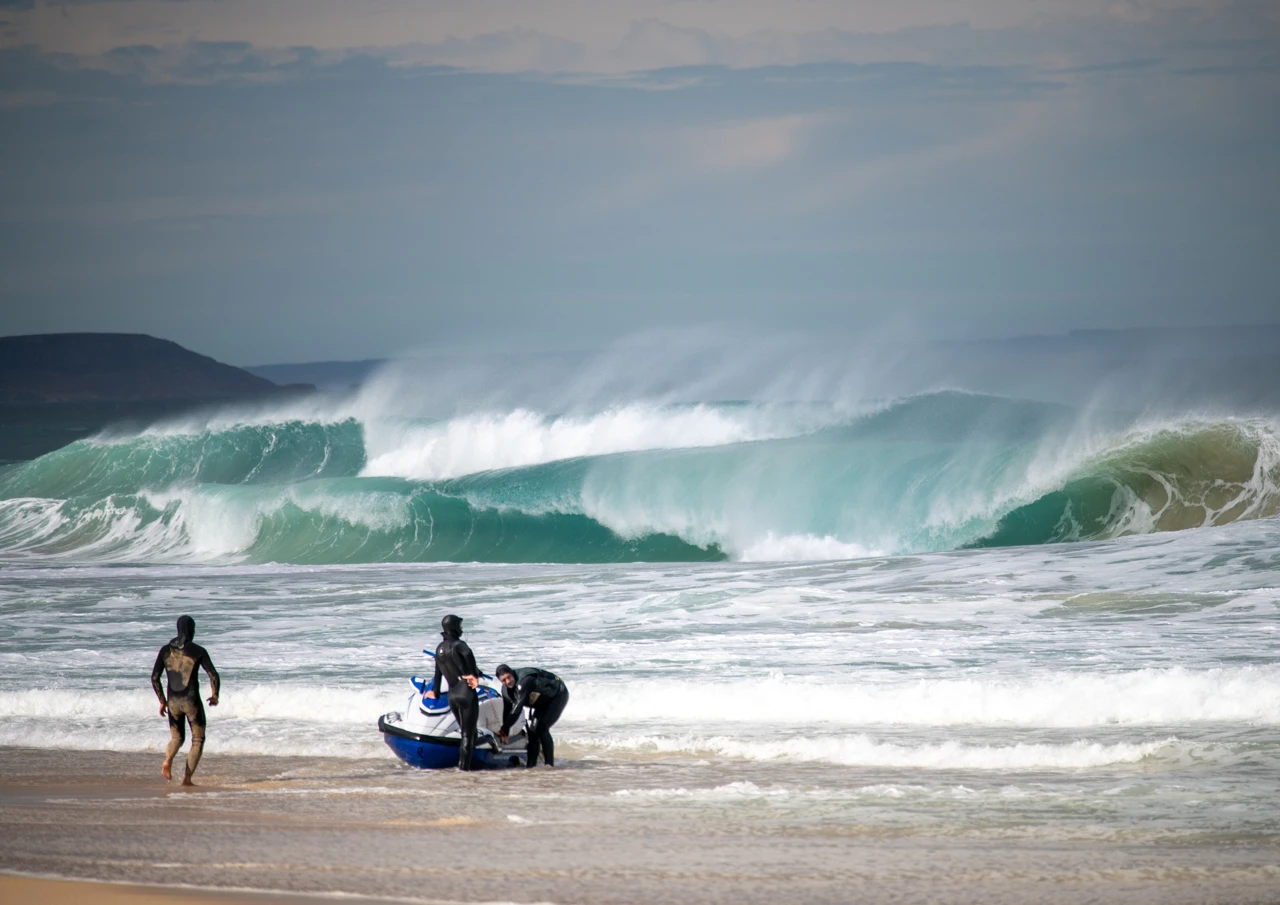
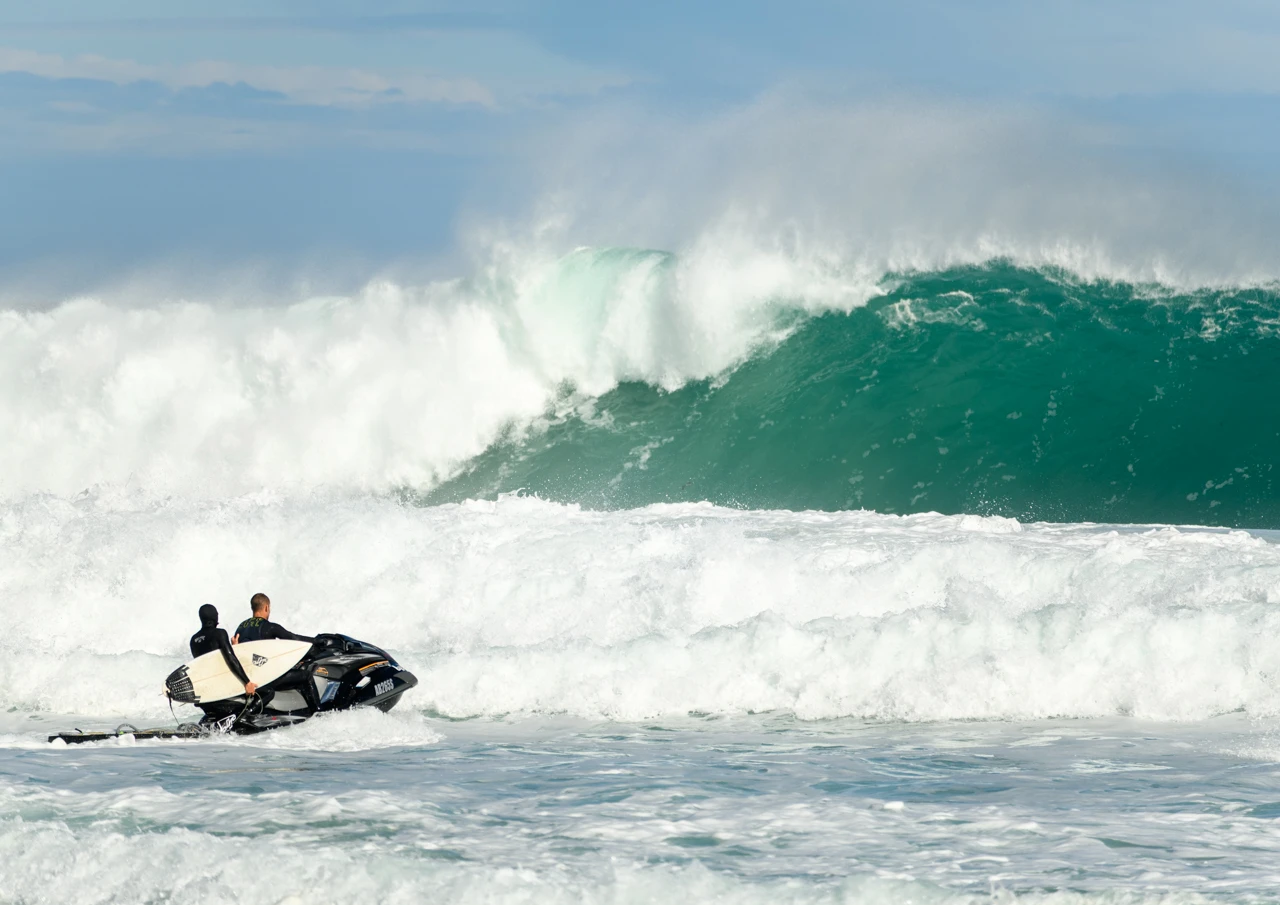
jet ski and surfers at West Cape Yorke Peninsula
Jet ski with surfers at West Cape Yorke Peninsula
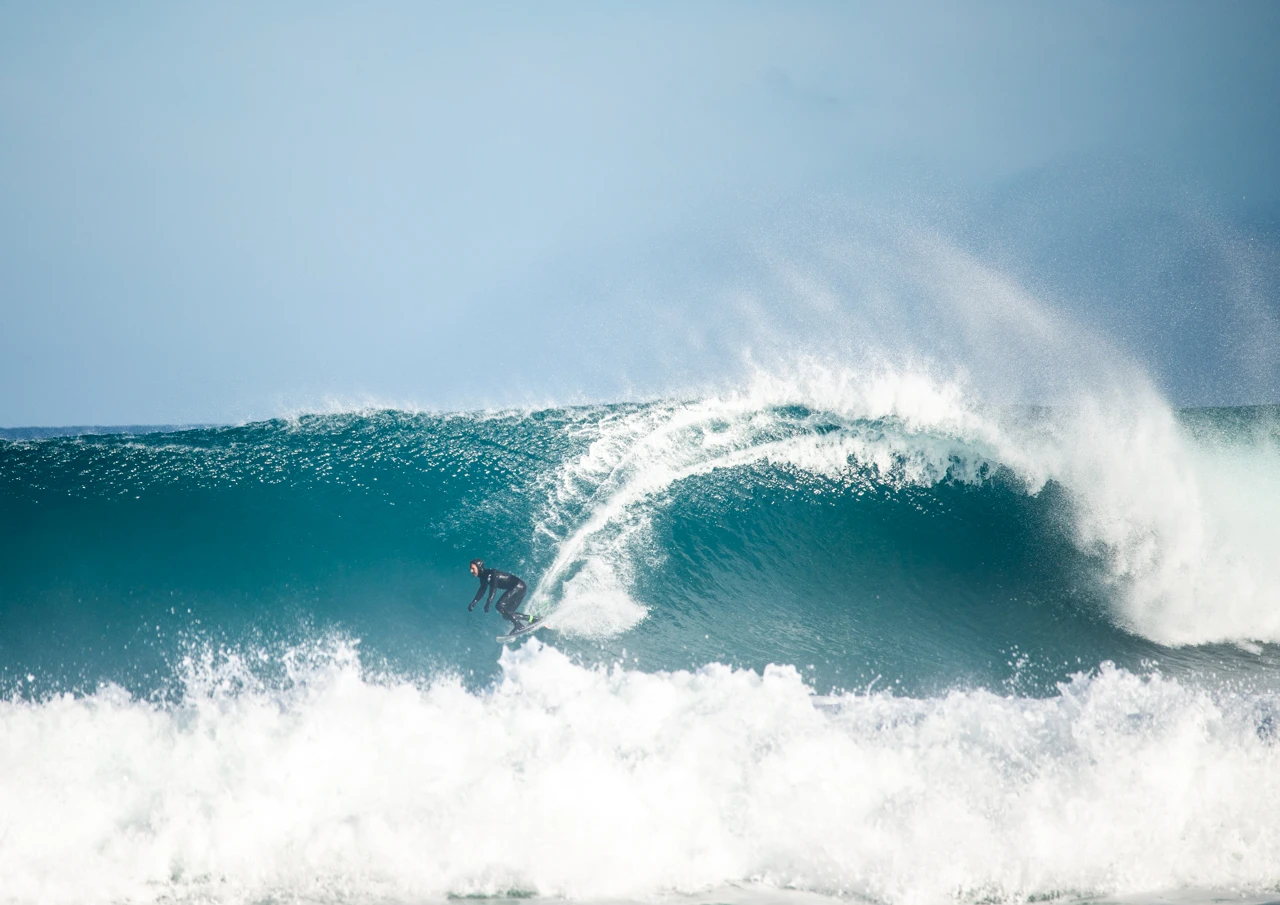
Waves and surfer West Cape Yorke Peninsula
Ocean wave West Cape Yorke Peninsula
Big wave West Cape Yorke Peninsula

A few  interesting facts.


The Antarctic Circumpolar Current:

This is the world’s strongest ocean current. Flowing continuously from west to east, it acts as an icy barrier that separates the relatively warmer waters of the Pacific, Atlantic, and Indian Oceans from the sub-zero waters of the Antarctic.

Global Climate Engine:

The Southern Ocean is Earth’s primary climate sponge, absorbing up to 75% of the excess atmospheric heat from human activity and roughly 40% of human-caused carbon dioxide.

Extreme Conditions:

It is renowned for being the stormiest place on Earth, featuring the planet’s largest waves, strongest winds, and massive, city-sized icebergs.


Depth and Geography

Size:

It represents about one-sixteenth of Earth’s total ocean area.

Depth:

The ocean has an average depth of 3,270 meters (10,728 feet) and reaches a maximum depth of 7,432 meters (24,383 feet) in the South Sandwich Trench.
Natural Boundary:

Its northern limit is defined by the Antarctic Convergence (or Polar Front), where cold, nutrient-rich southern waters meet warmer northern waters.

Marine Life:

The combination of melting sea ice and upwelling nutrients drives the growth of     microscopic phytoplankton, which fuels the entire food web. The ecosystem relies heavily on Antarctic krill—a small, shrimplike crustacean that sustains large populations of whales, seals, penguins, and seabirds.


Next blog

….will be about the winter down yonder in Yorke Peninsula’s southern tip, so stay tuned.


(All images are taken by Wendy Philip. No AI generated images.)

This web site is totally ad free, a peaceful and relaxing experience.

Photographing the seasonal bright yellow fields of canola

Photographing the seasonal bright yellow fields of canola

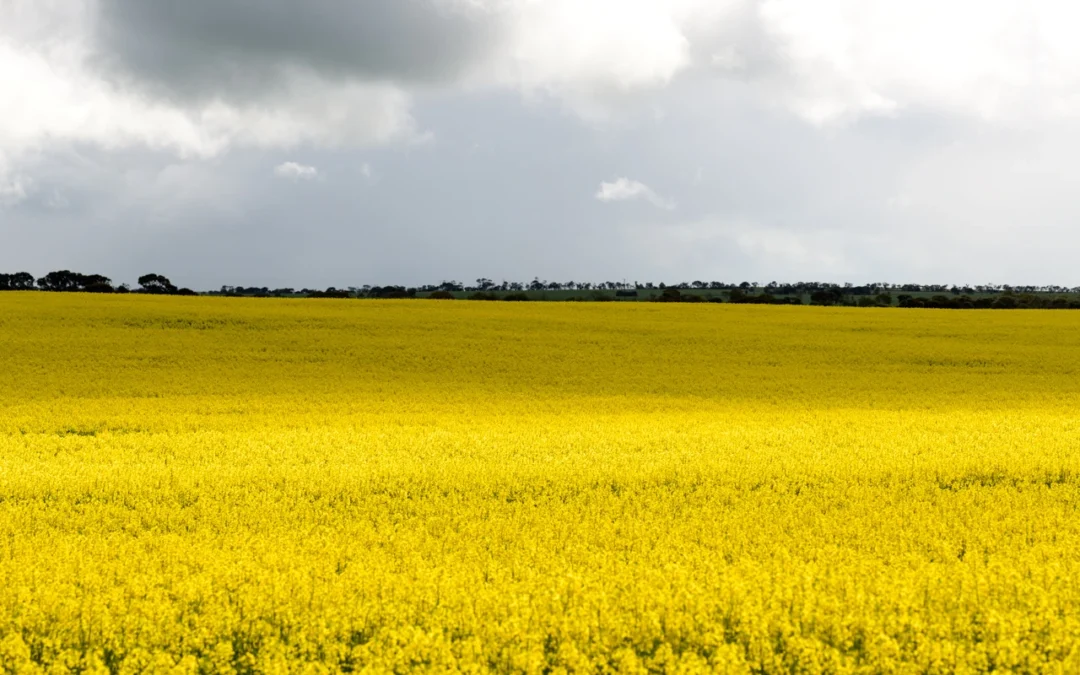
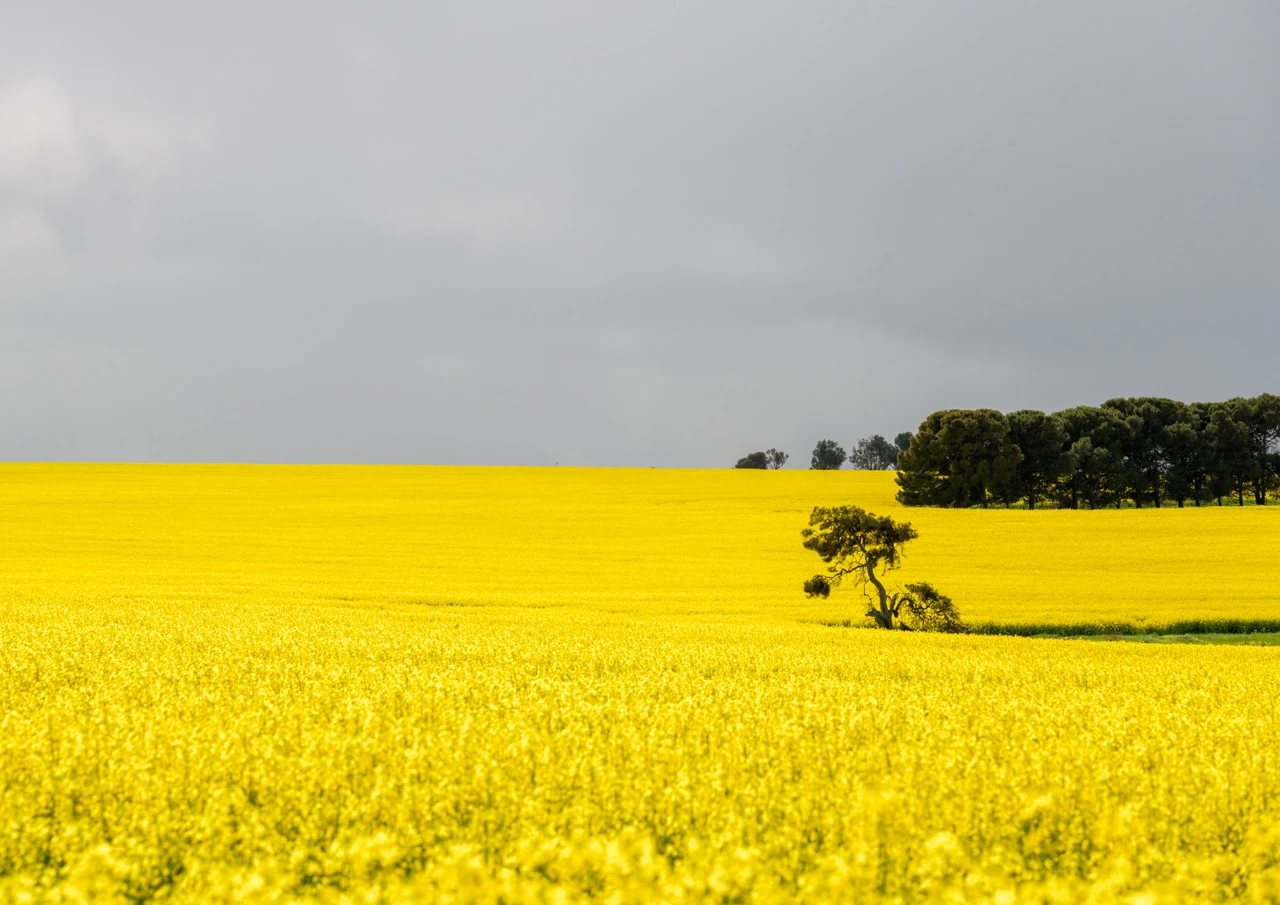
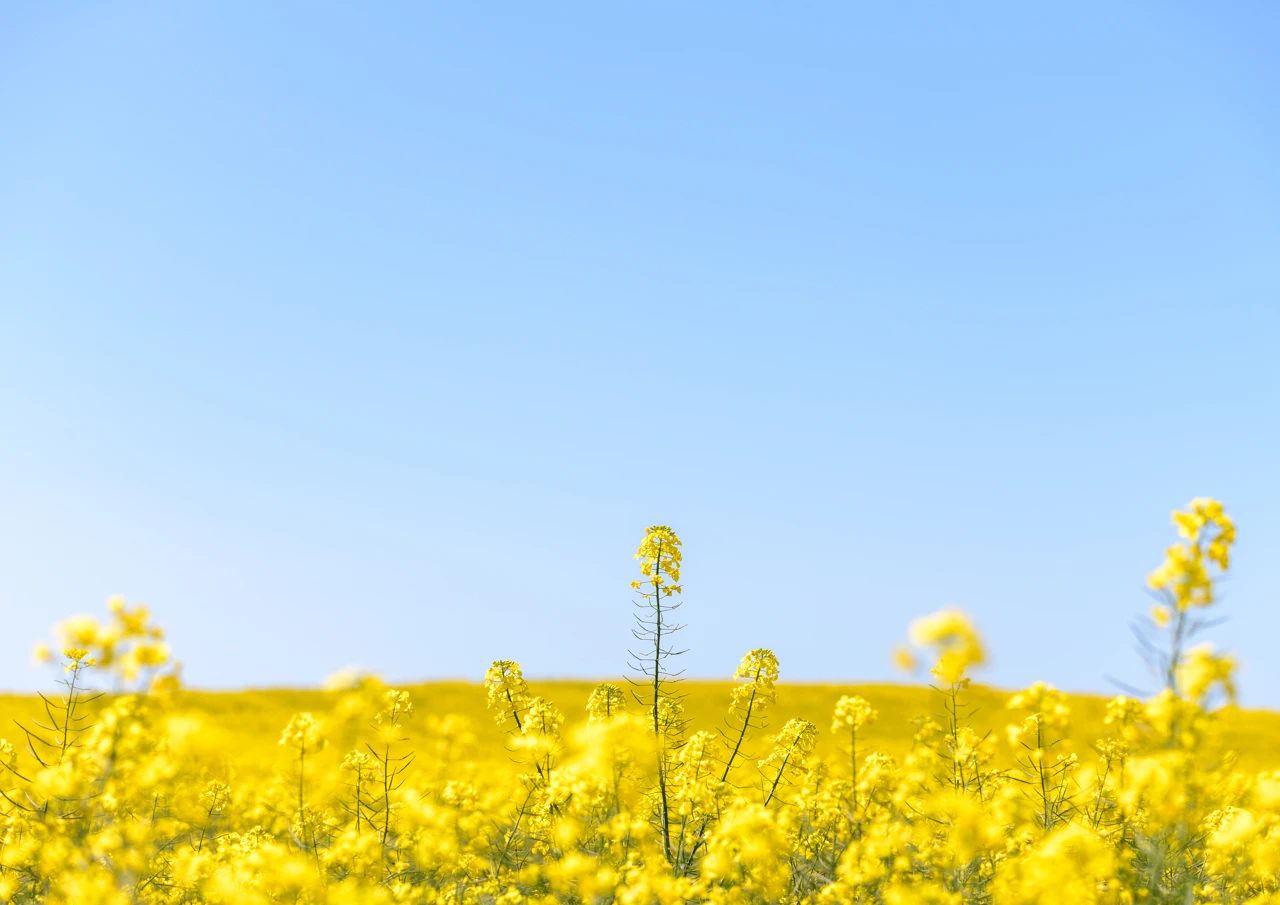
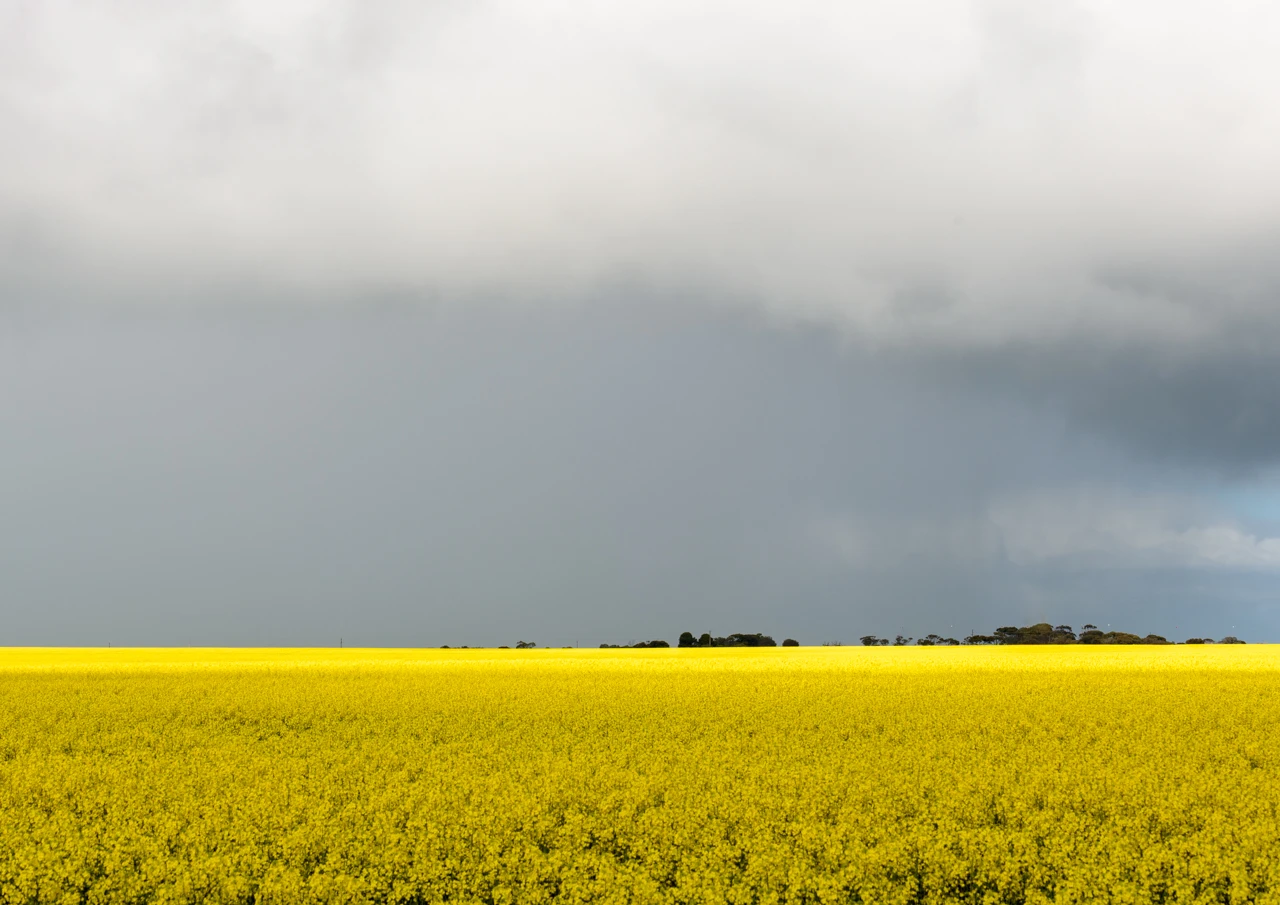
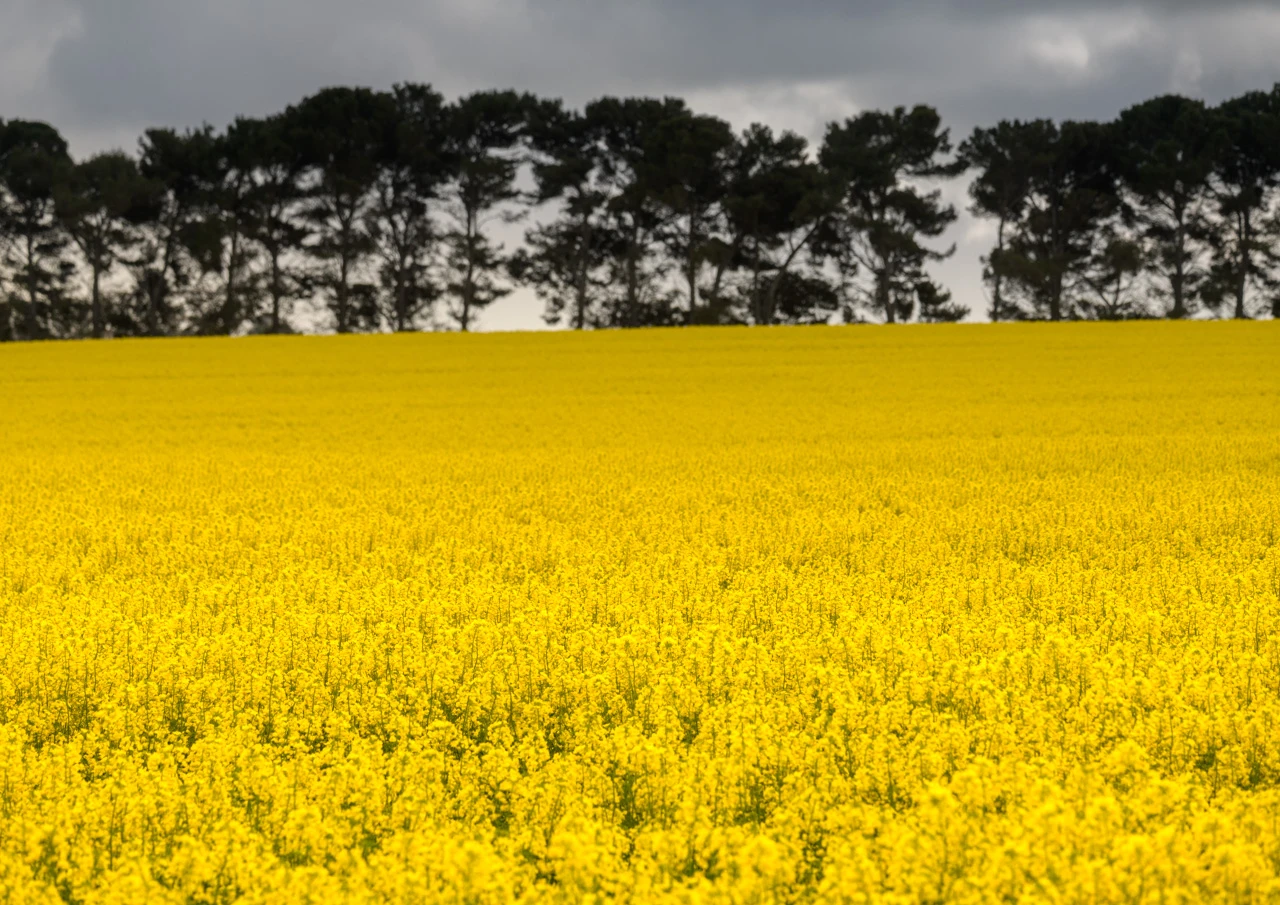
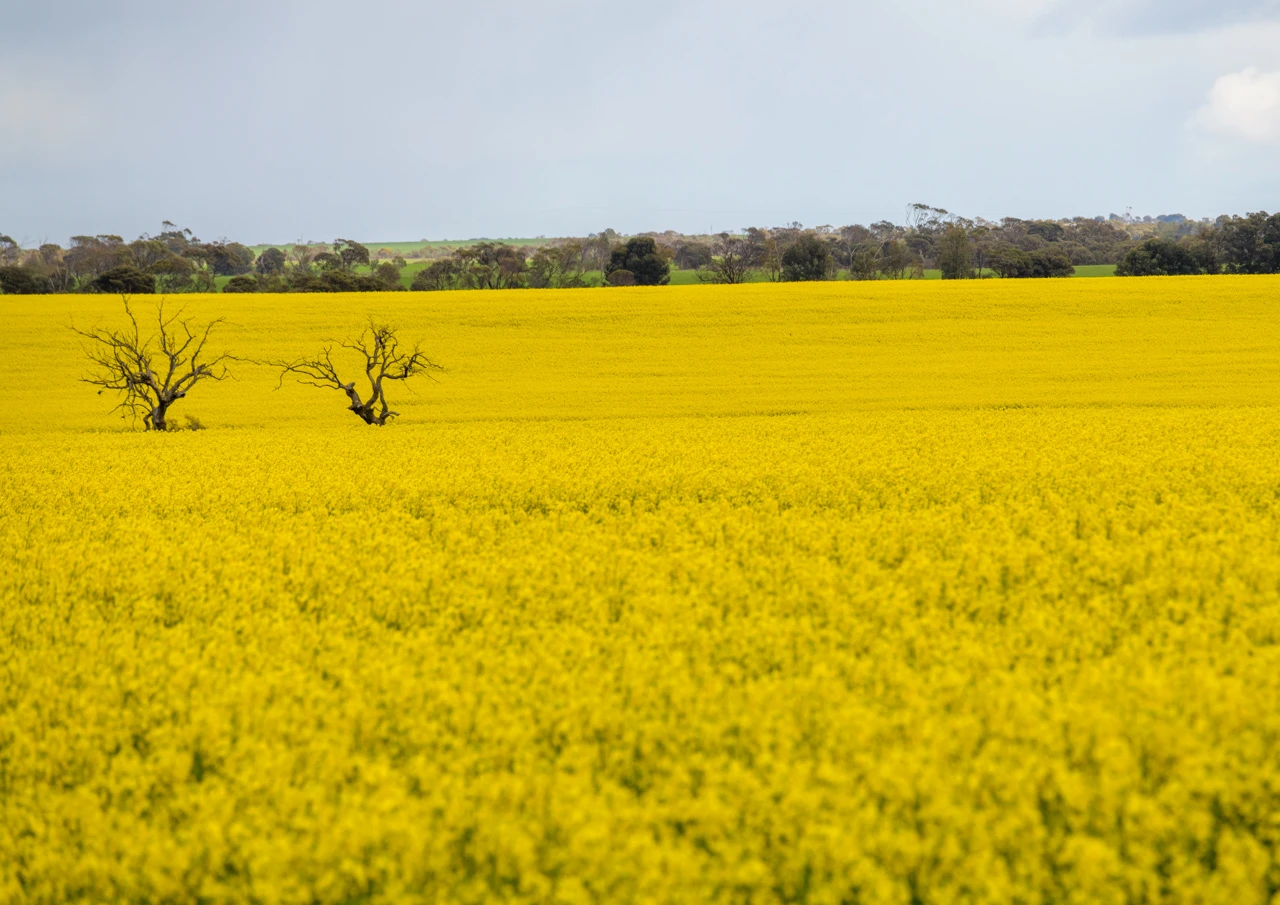
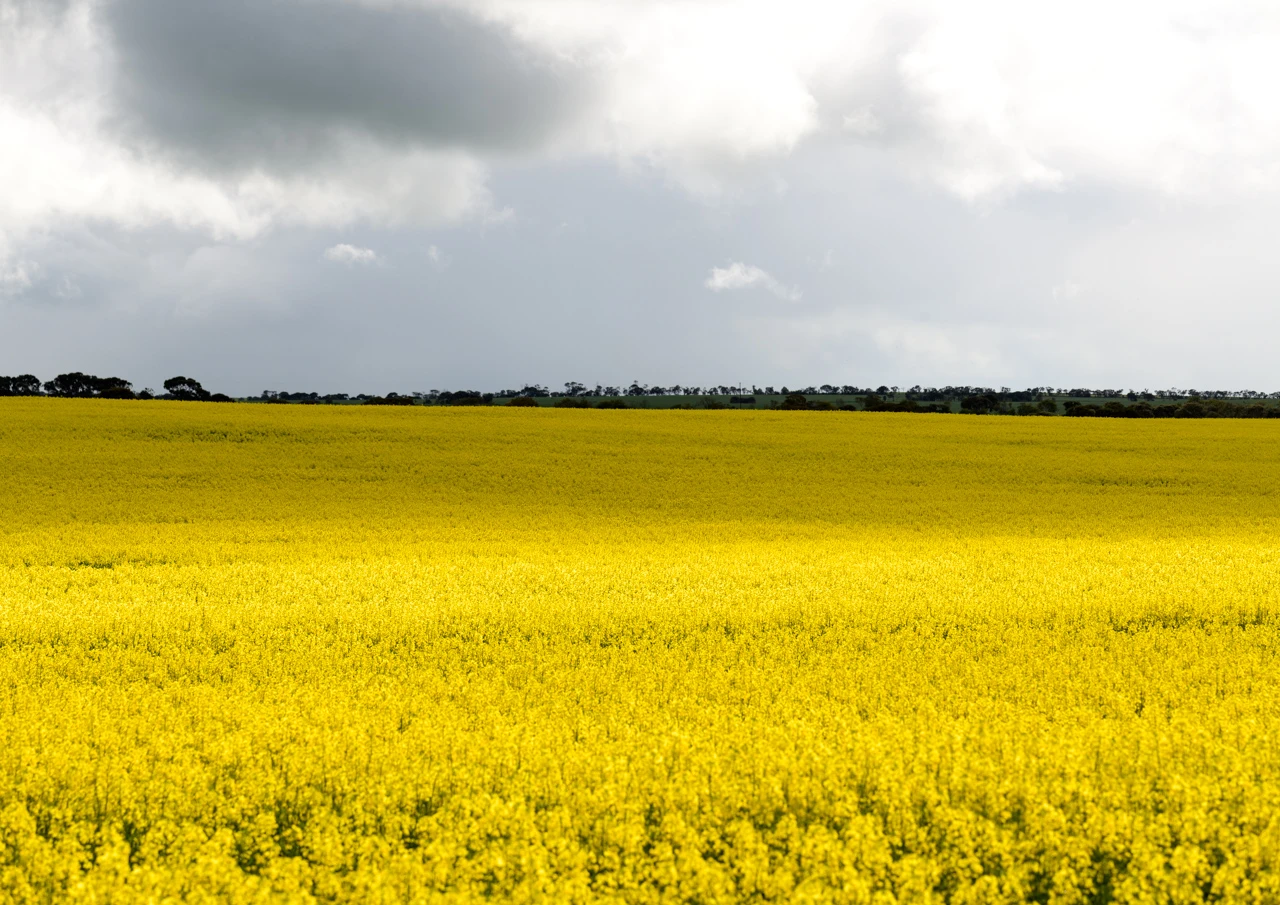
Yellow canola field South Australia

It is the spring of 2025 in Australia and each year I trek out to photograph those amazing canola fields.


Stopping on the side of the road we see that the fields are a brilliant yellow again, not quite ready for harvest, but certainly ready for the keen photographer.

Farmers fill Yorke Peninsula with wheat, barley, canola, and many other varieties of plants.  The peninsula has apparently very fertile limestone soils, and the region is known for significant crop growth.

The canola fields can develop into a brilliant and almost effervescent yellow. It’s all about timing. If you photograph too soon, there will be an almost equal amount of green in your image. If you are a week or so too late the flowers will have started to fall to the ground and you will once again see alot of green in your image. I have the privilege of regularly driving past these fields, hence my images are at the point when the flowers were most prolific. Usually late August early September depending on when the farmer has planted his crop.

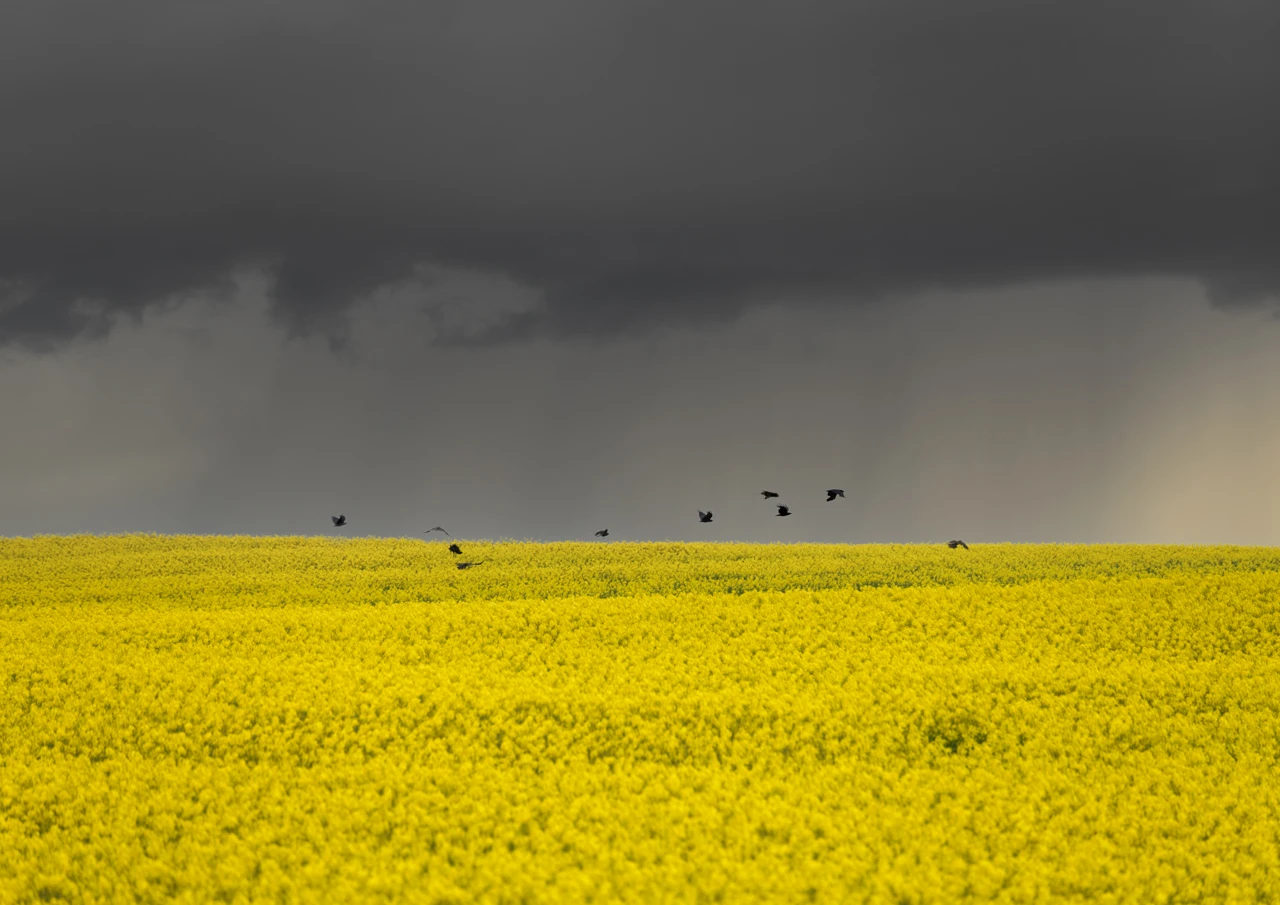
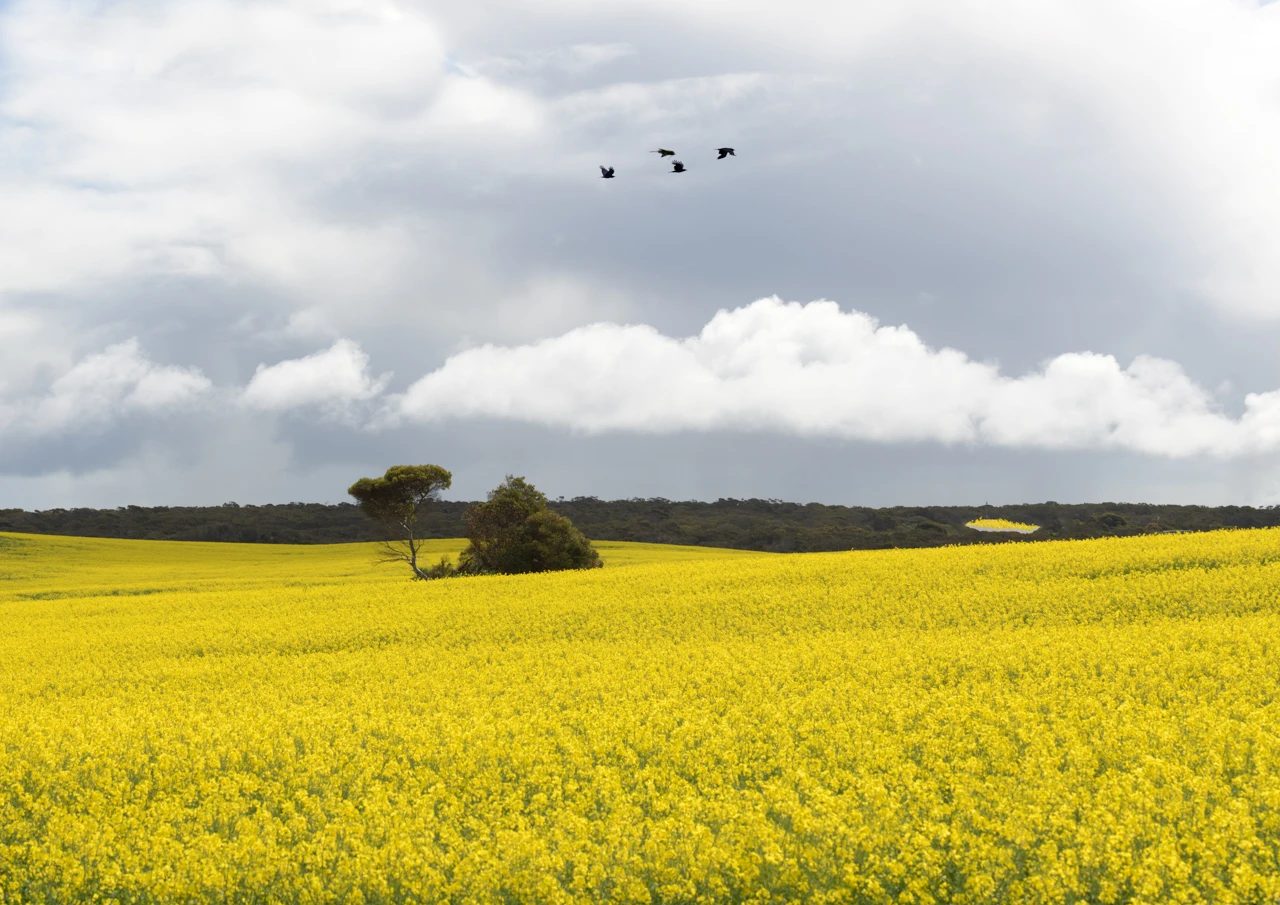
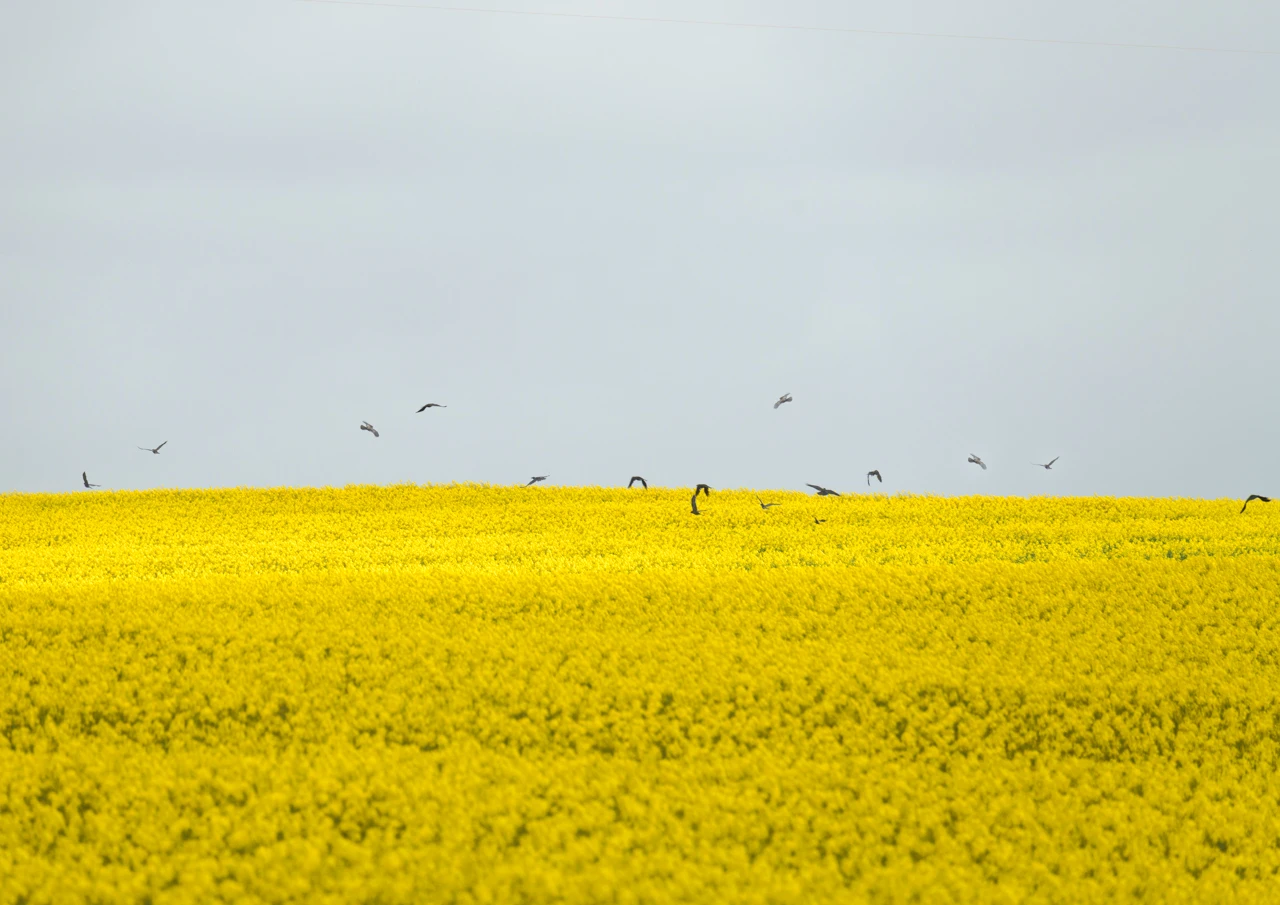
There seemed to be an abundance of crows this year, flying, chattering and then completely disappearing amidst the yellow blooms!

When photographing these fields

I try and look for suitable skies. I find daytime with either a grey or a blue sky is best for me. A pink glow at sunset is nice too, but we seemed to only be driving by during the day.

When editing my shots I will try to make the field completely yellow and take out the often hints of green in the leaves. I use the colour slider to do this.

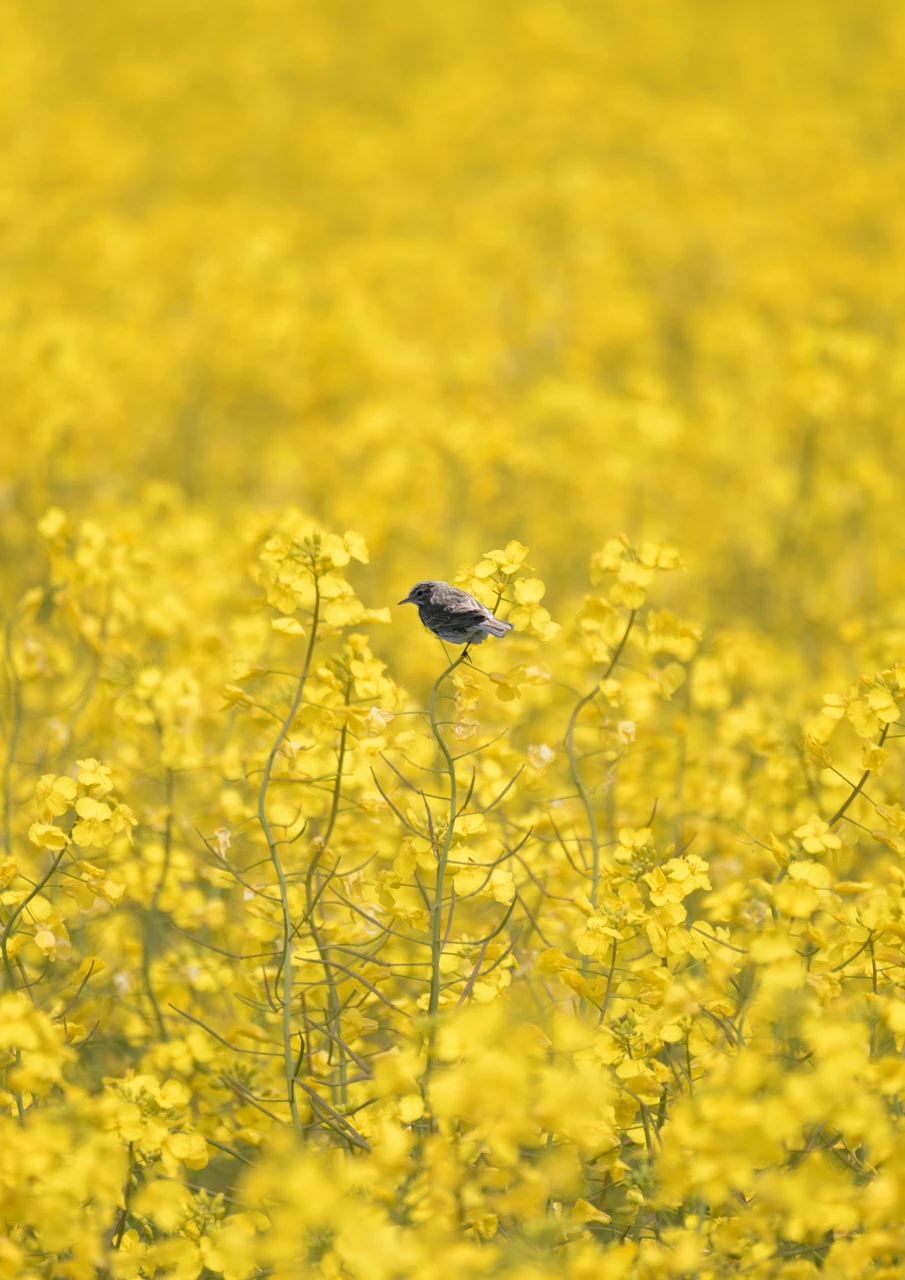
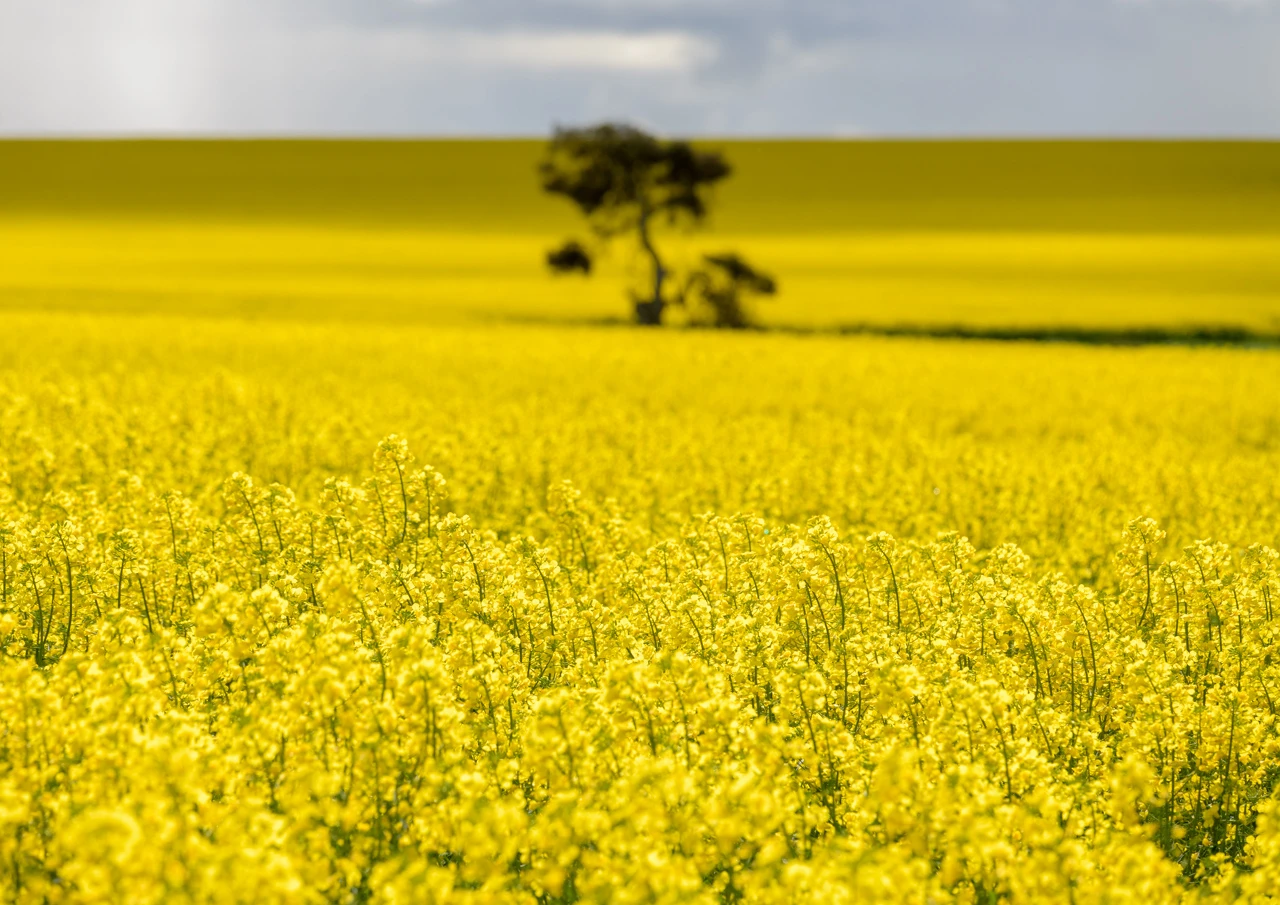
Often its good to look for one bird or tree as this adds variety to your image.

Try close up and long distance. Use an aperture over f5.6 for those long shots and an aperture of around f2.5 for close ups.

As the photographer develops their own taste and style, you will be able to ascertain what time of day you like the best.


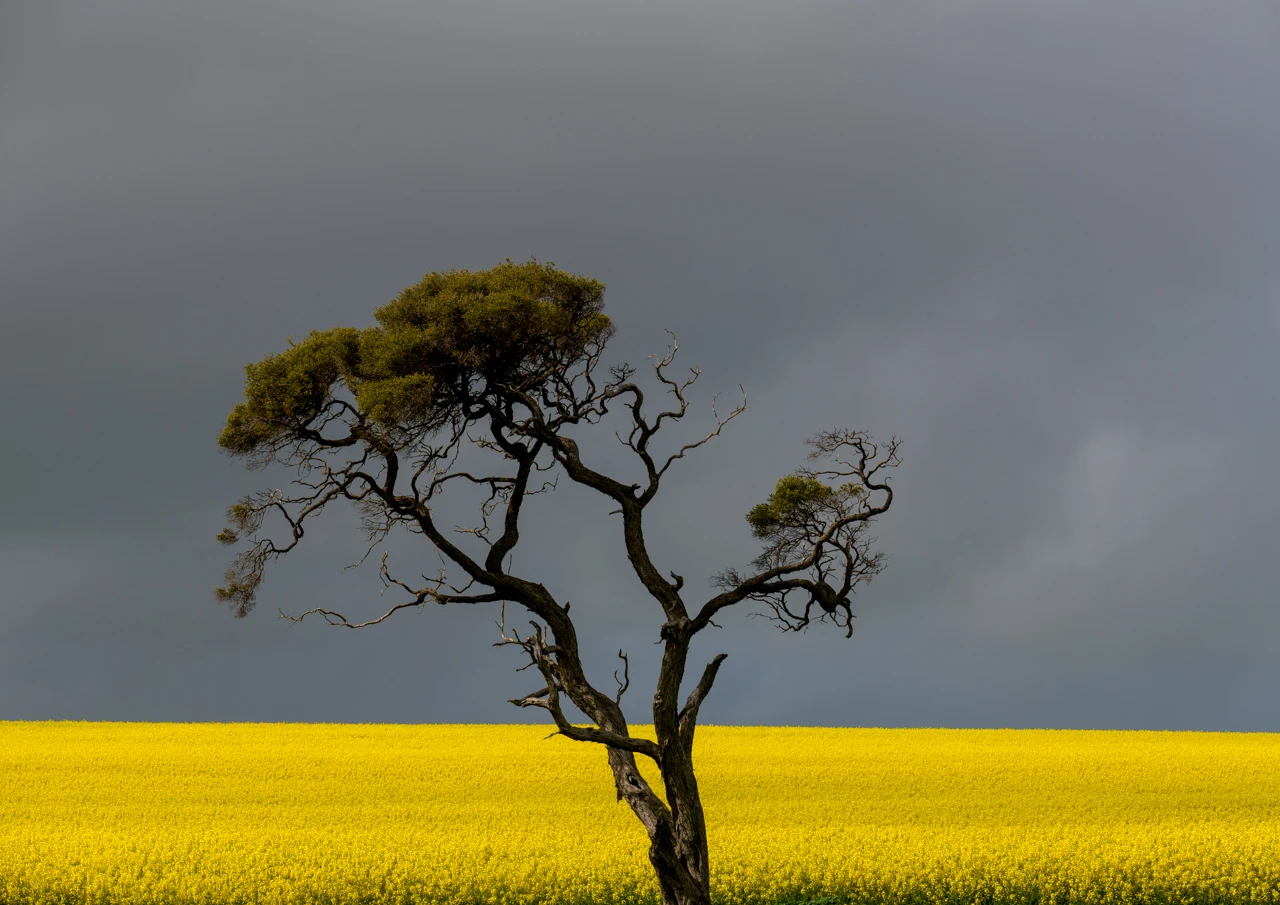
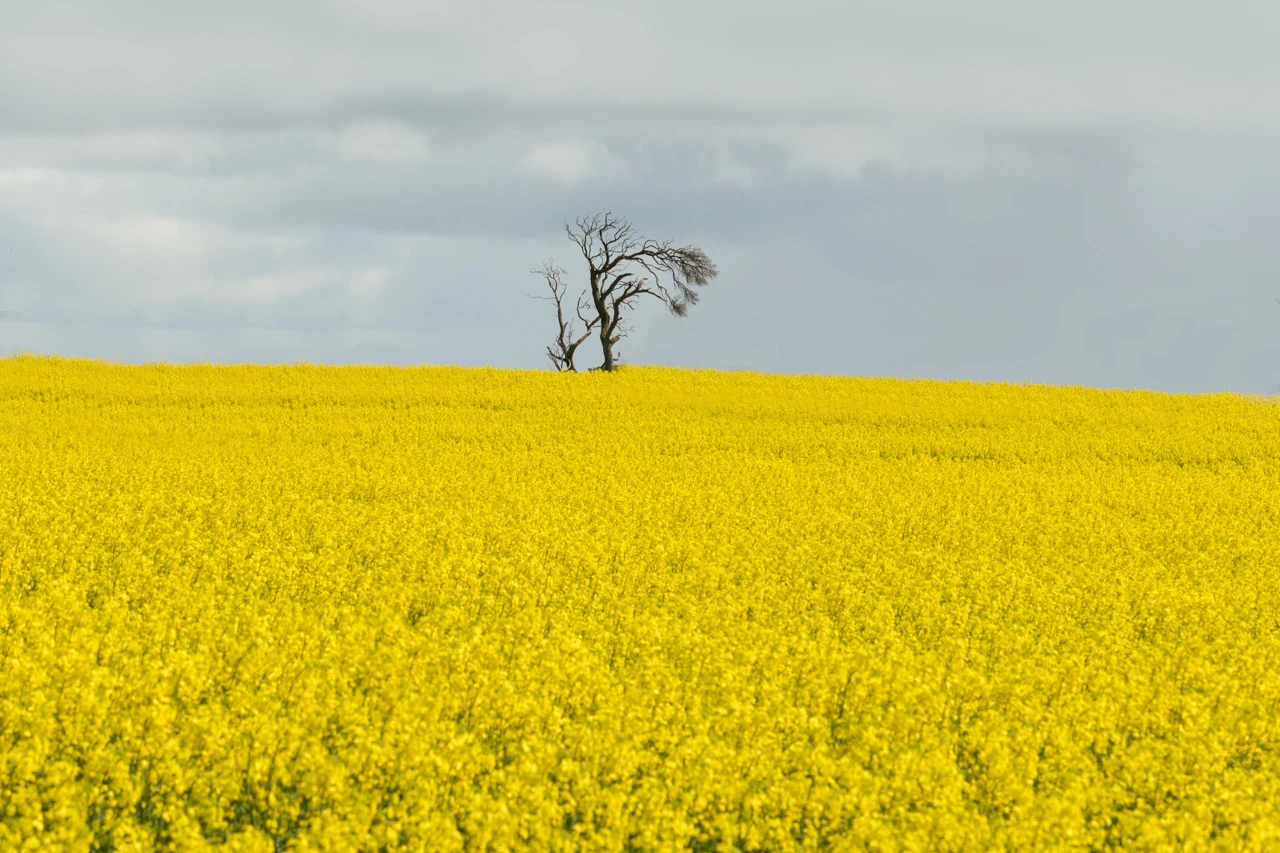
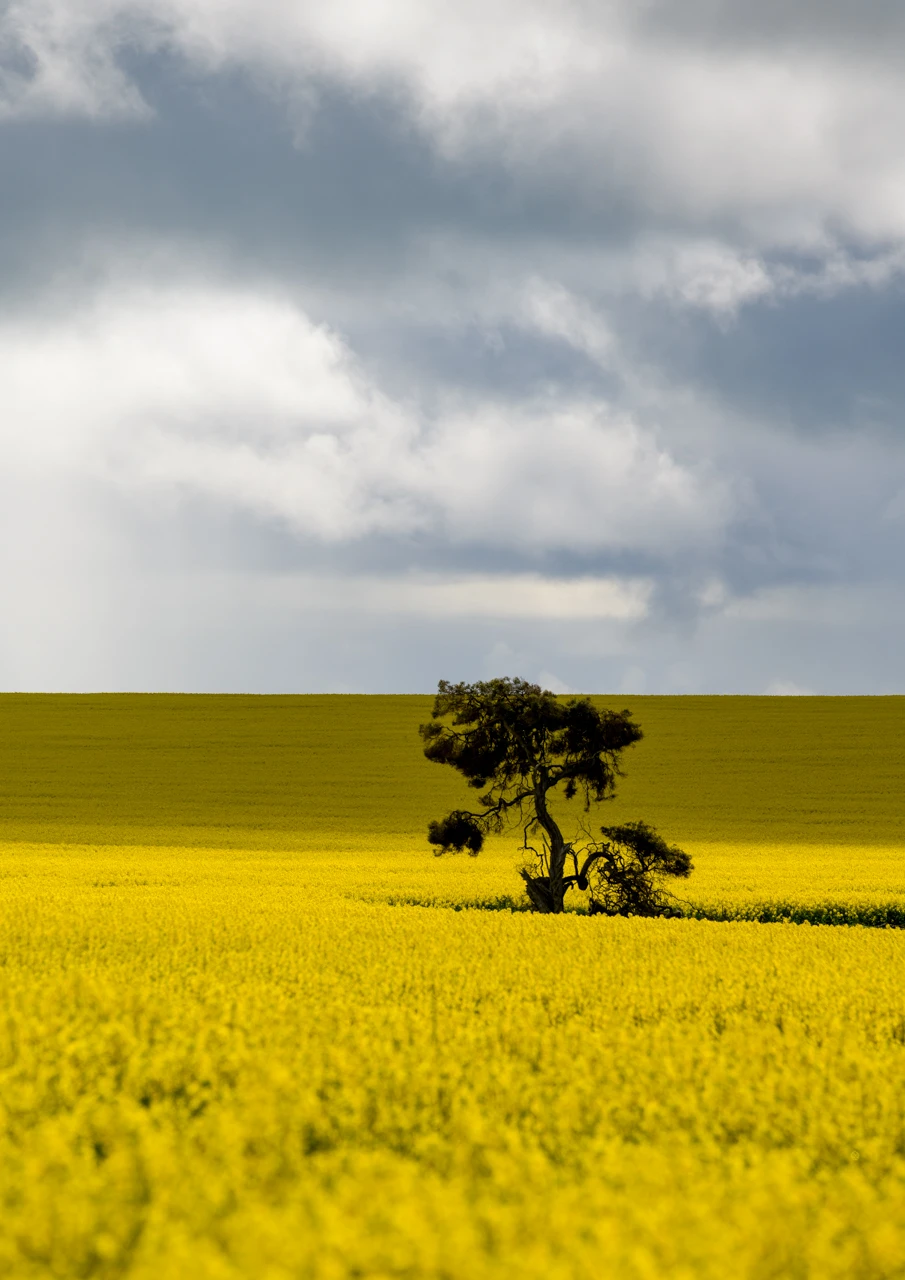
Solitary tree and a yellow canola field
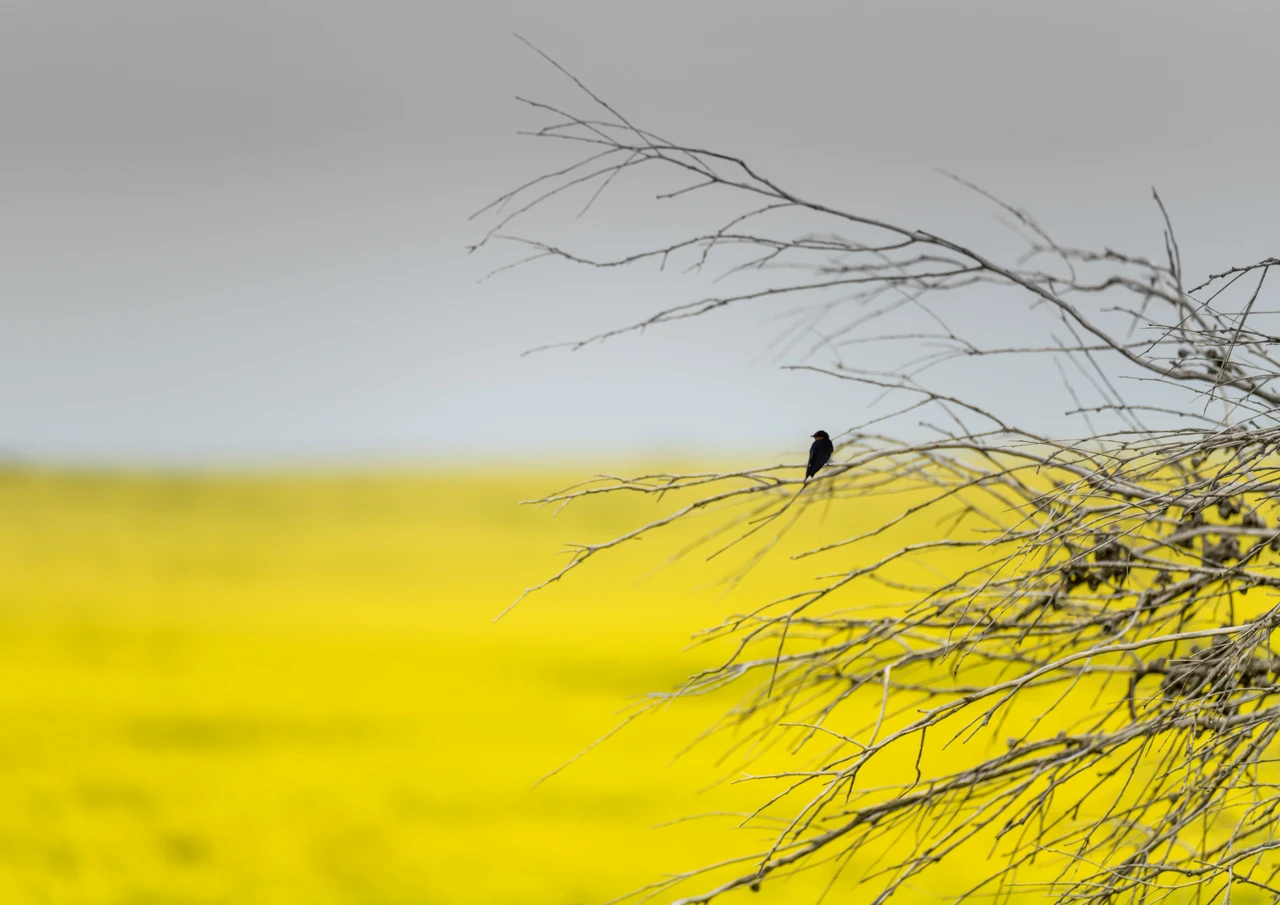
One bird sitting in a tree with blurred yellow canola field in the background
Crows in a canola field with dark grey skies
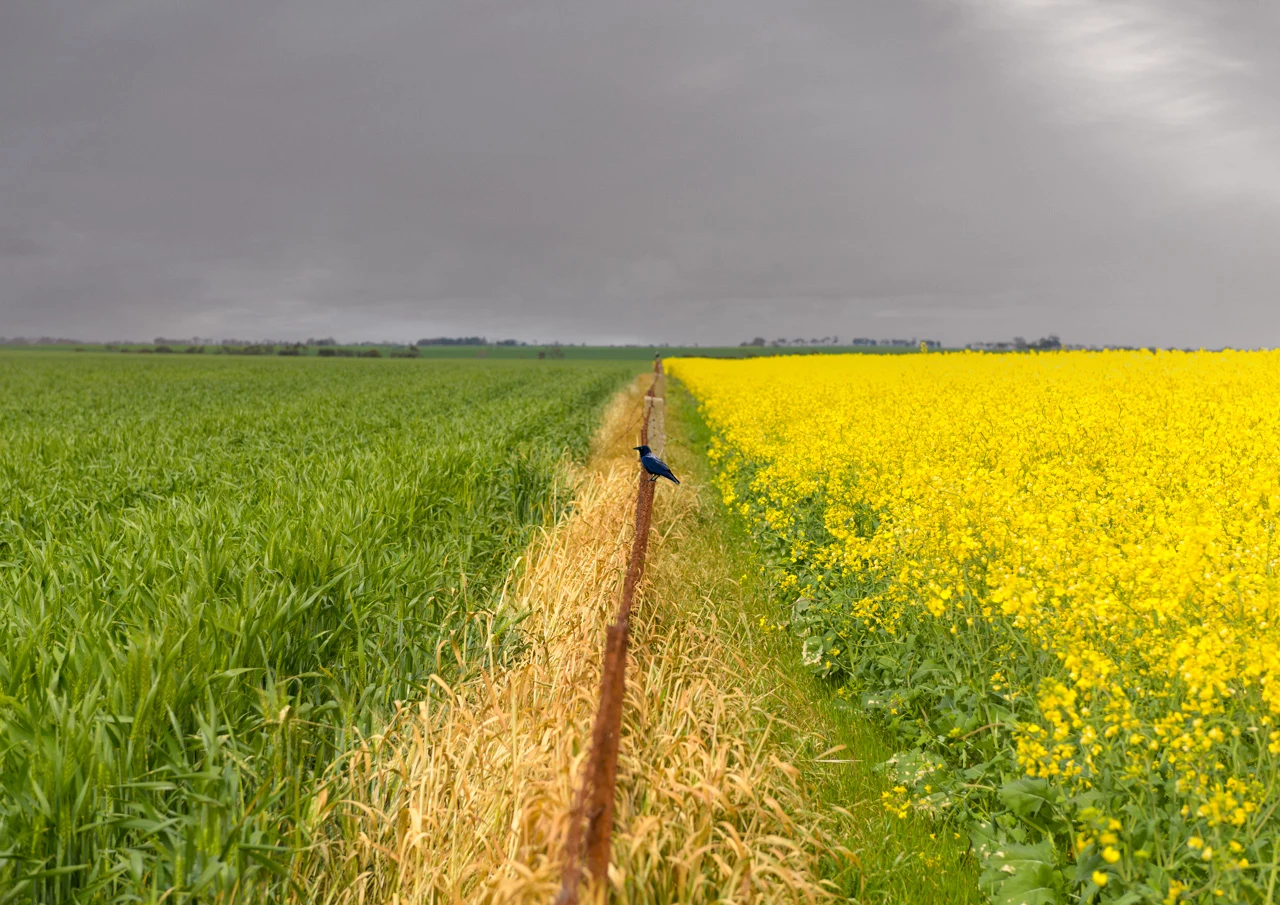
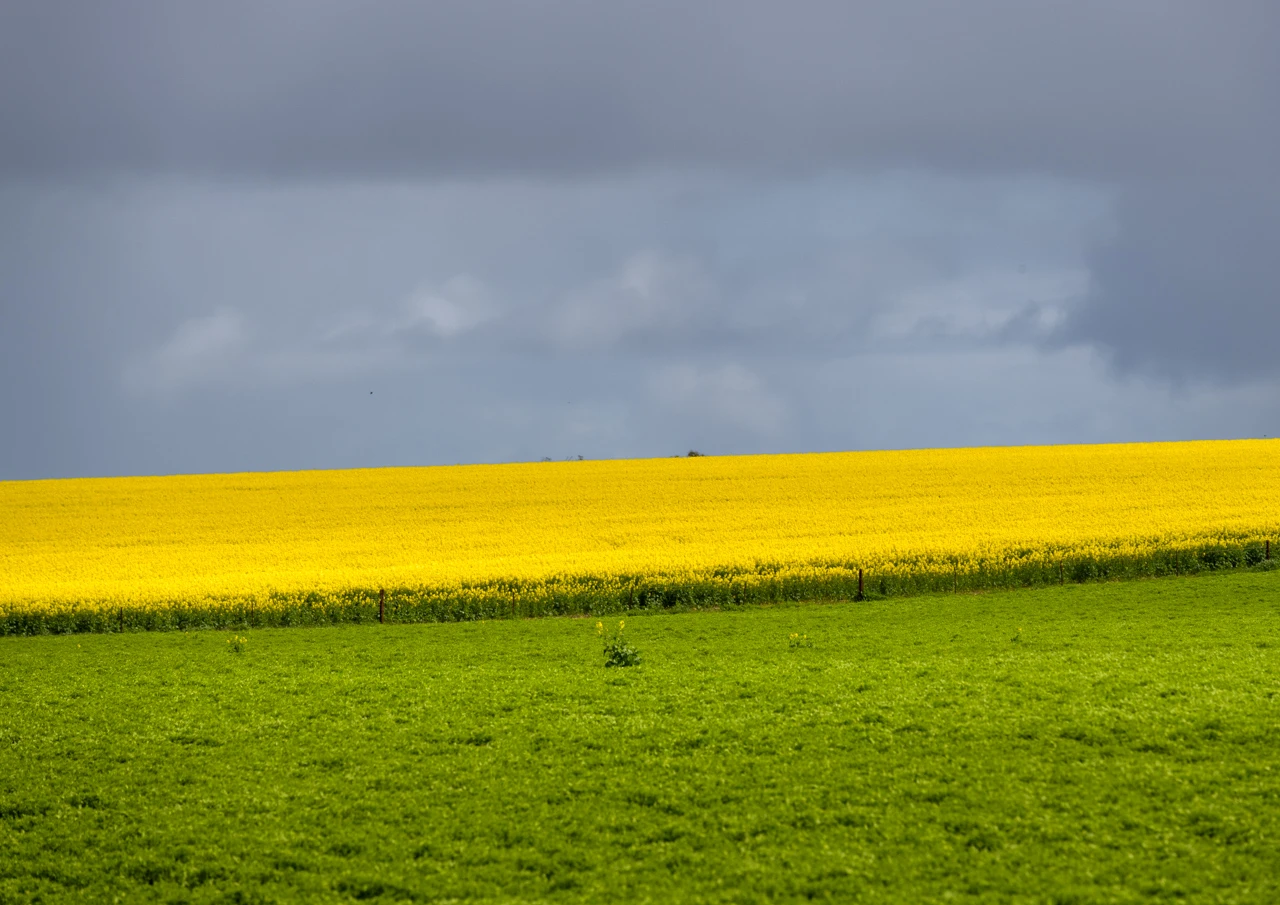
Dividing line between canola field and wheat field
Bent tree and canola field
Canola field and trees
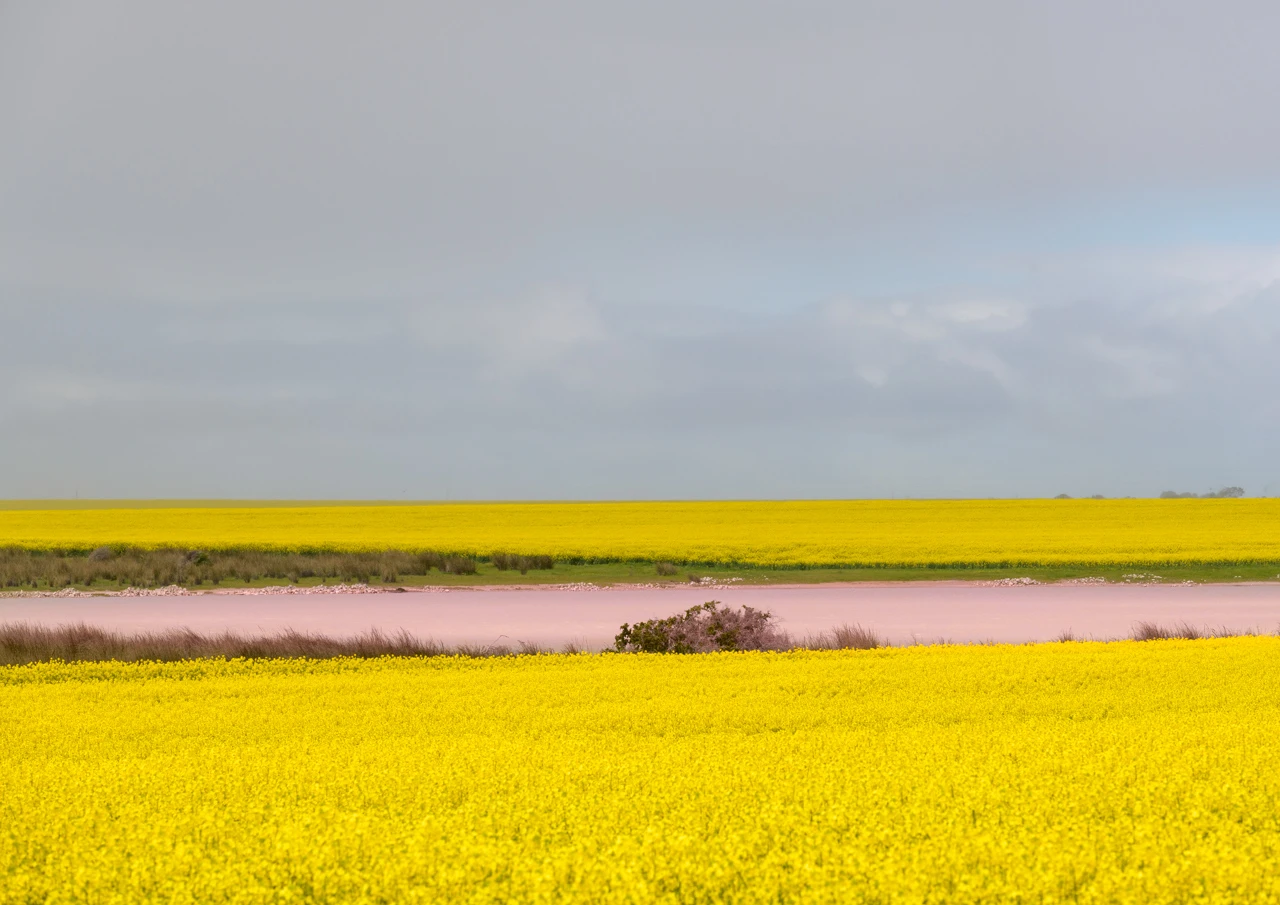
Pink salt lake in the centre of a canola field

A pink salt lake just outside Yorketown amidst the canola.

Canola and crows flying

Crows finding food

canola reaching for the sky
Vast fields of canola
Trees in the background of a canola field
Canola field and a lonely tree
Trees in a canola field
Green and yellow, canola
Two trees in a canola field
Bird amidst the canola
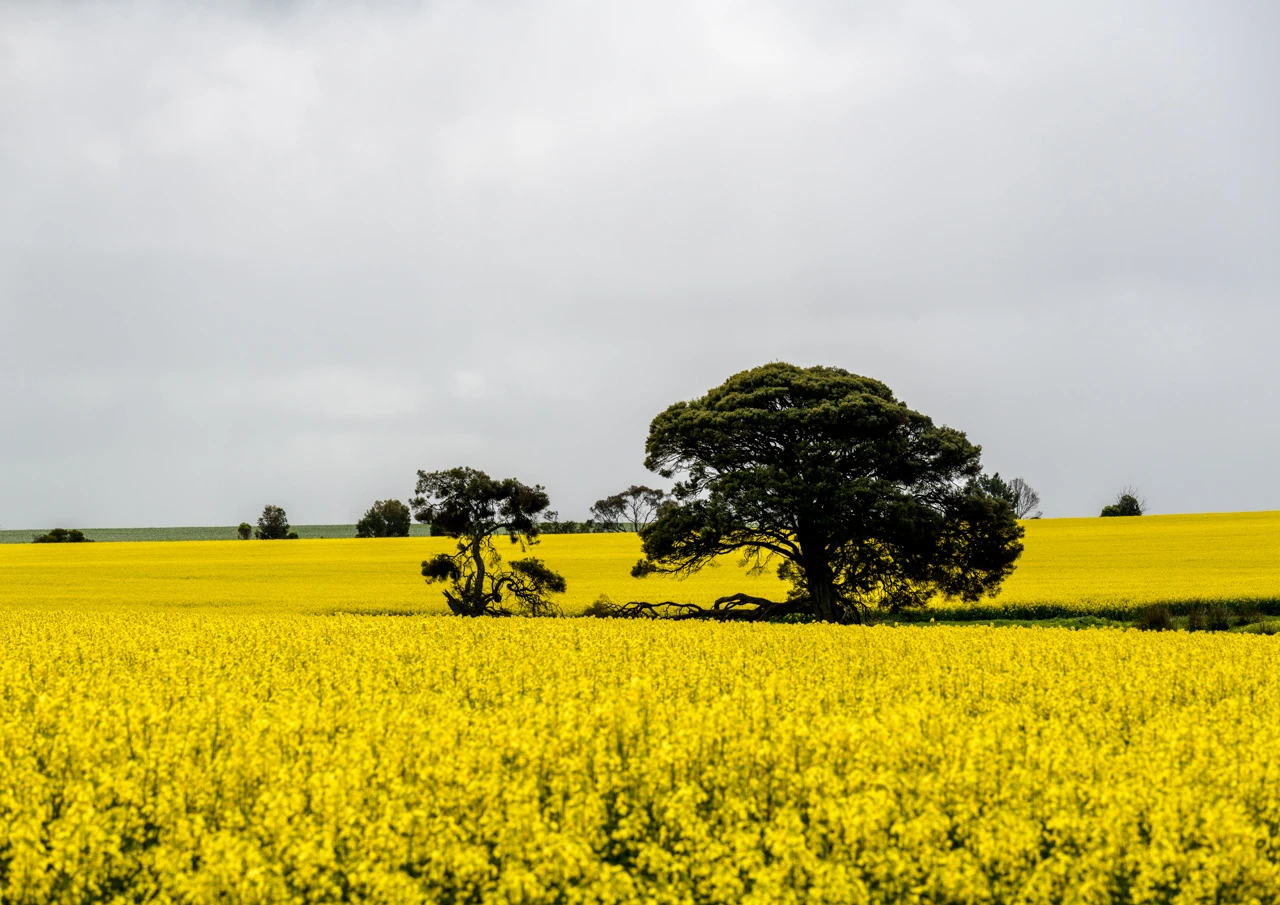
Canola and a tree with grey skies

Each year I eagerly wait for these fields to turn yellow so I can photograph them. Each year brings something different. Strange skies, new trees, birds flying through, and also we see the hand of the creative farmer with lines and patterns.

I hope you enjoy these shots.

All images are taken by Wendy Philip. No AI generated images.

The pelicans at Marion Bay

The pelicans at Marion Bay

Pelicans and a pink sunset

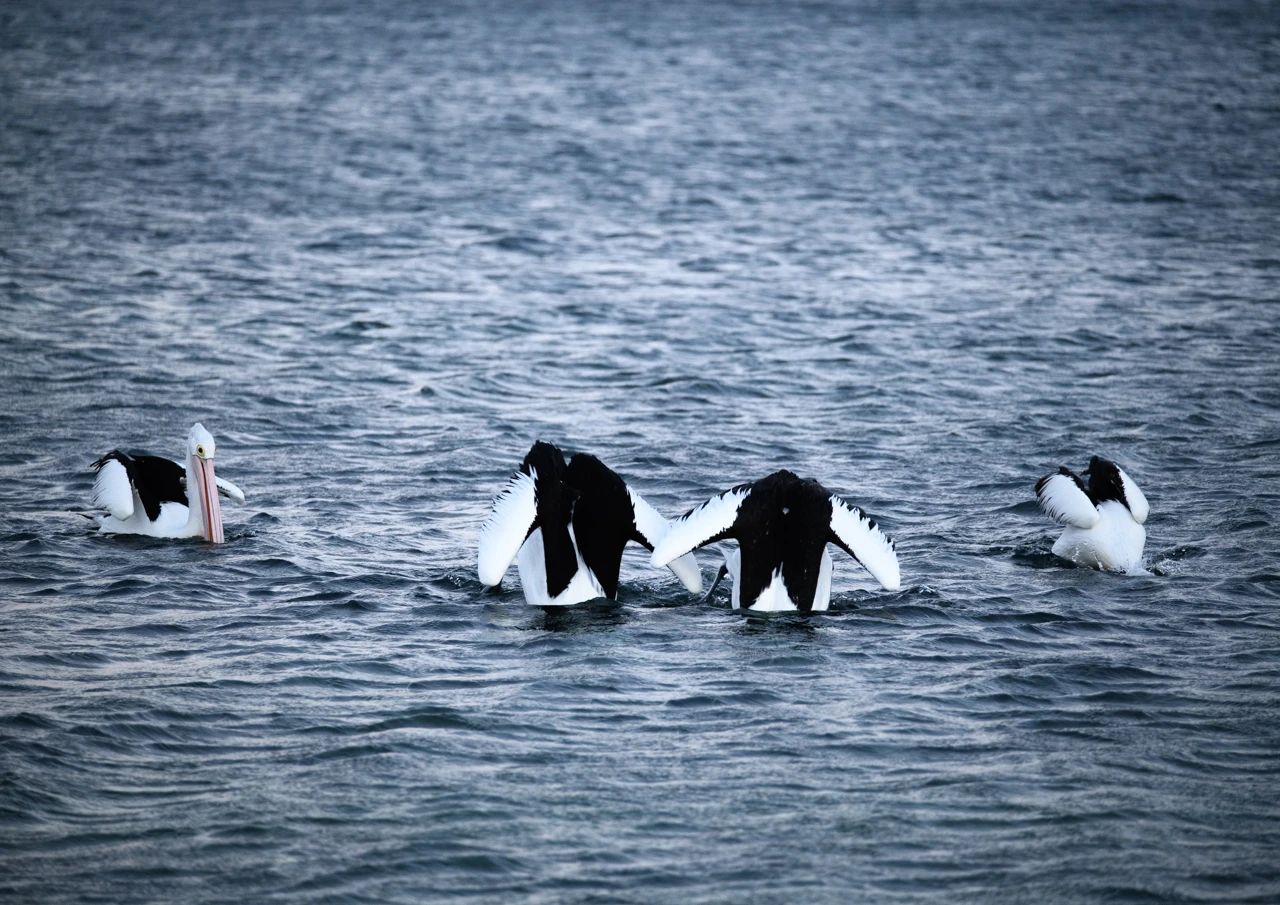
Around Marion Bay are a few pelicans.

Our younger members of the family (not myself of course) are fascinated by the pelicans. Whenever we arrive at our beach shack one of the first things we do is head to the beach and see where the pelicans are and count their numbers. Sometimes three or four sometimes thirteen to fifteen. Sometimes none at all! I think the most we’ve ever seen and counted was seventeen.

They seem to lurk about wherever shoreline fishermen are casting out their rods. Always on the lookout for something that resembles a small fish. We have tried feeding them bread but to no avail not the least bit interested. The seagulls soon eat what the pelicans turn their beaks up at!

Apparently pelican child rearing habits are not to be desired. They have two young and feed only one and let the other die. However, this morose fact does not deter us from loving them and photographing them whenever we can.

Through winter, spring, summer and autumn we watch and wait, observing and counting, so much fun and so wonderful to have nature at our back door


Pelicans at the boat ramp Marion Bay

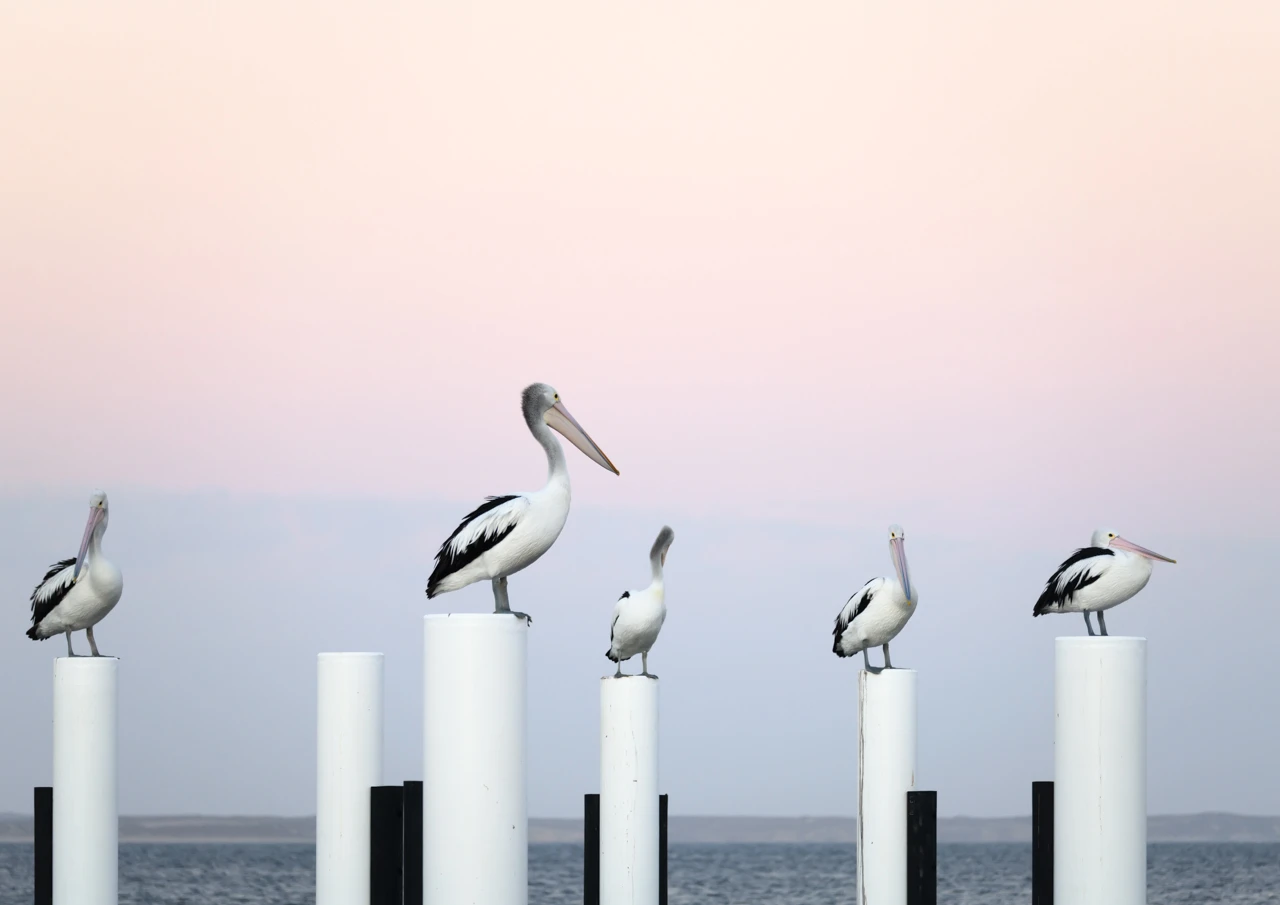
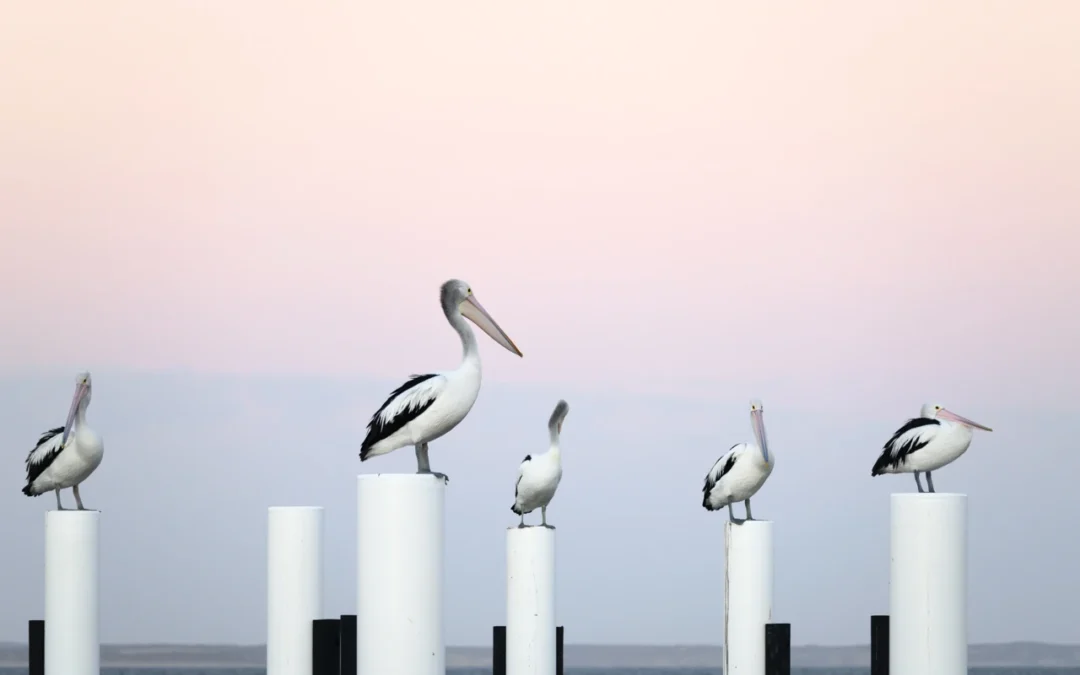
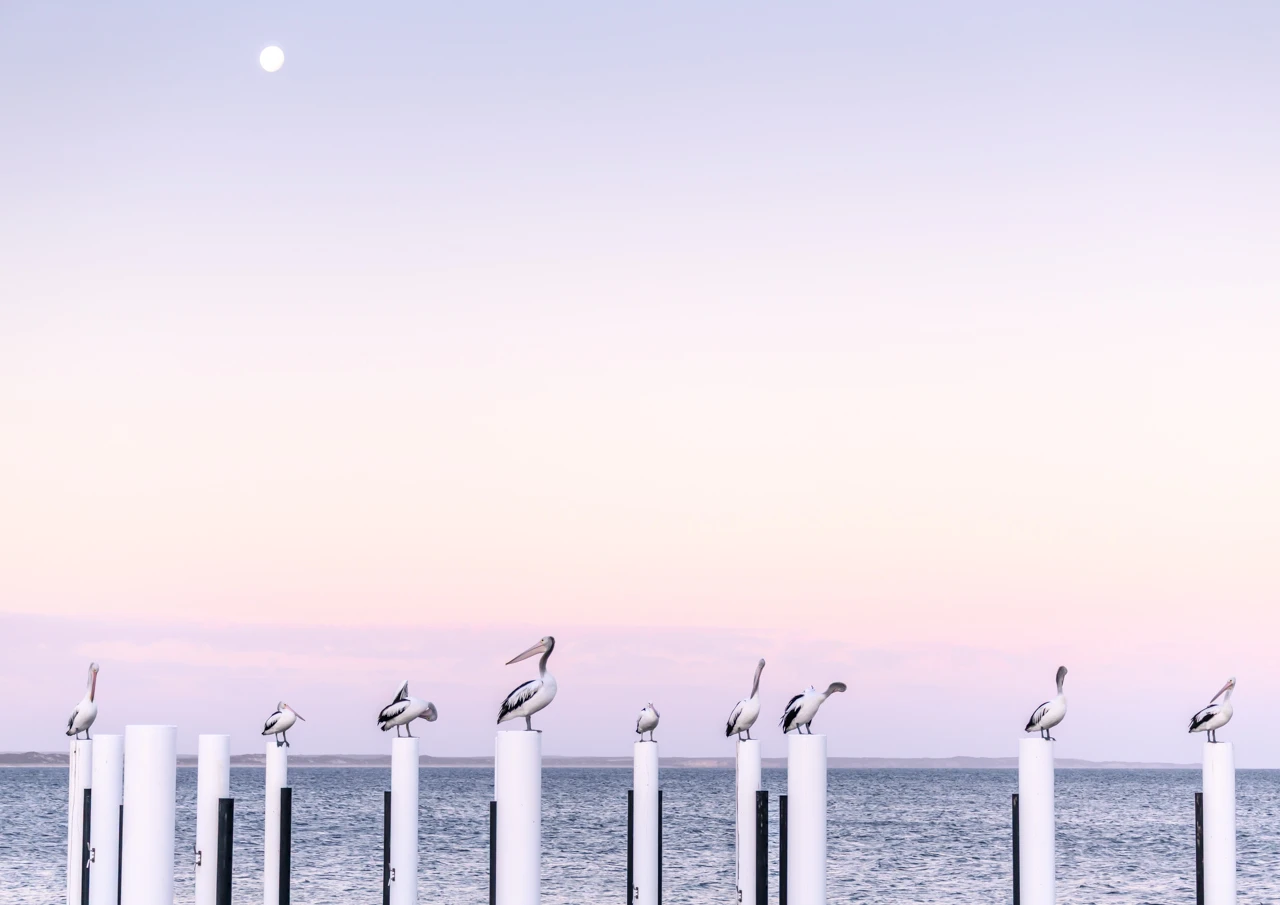
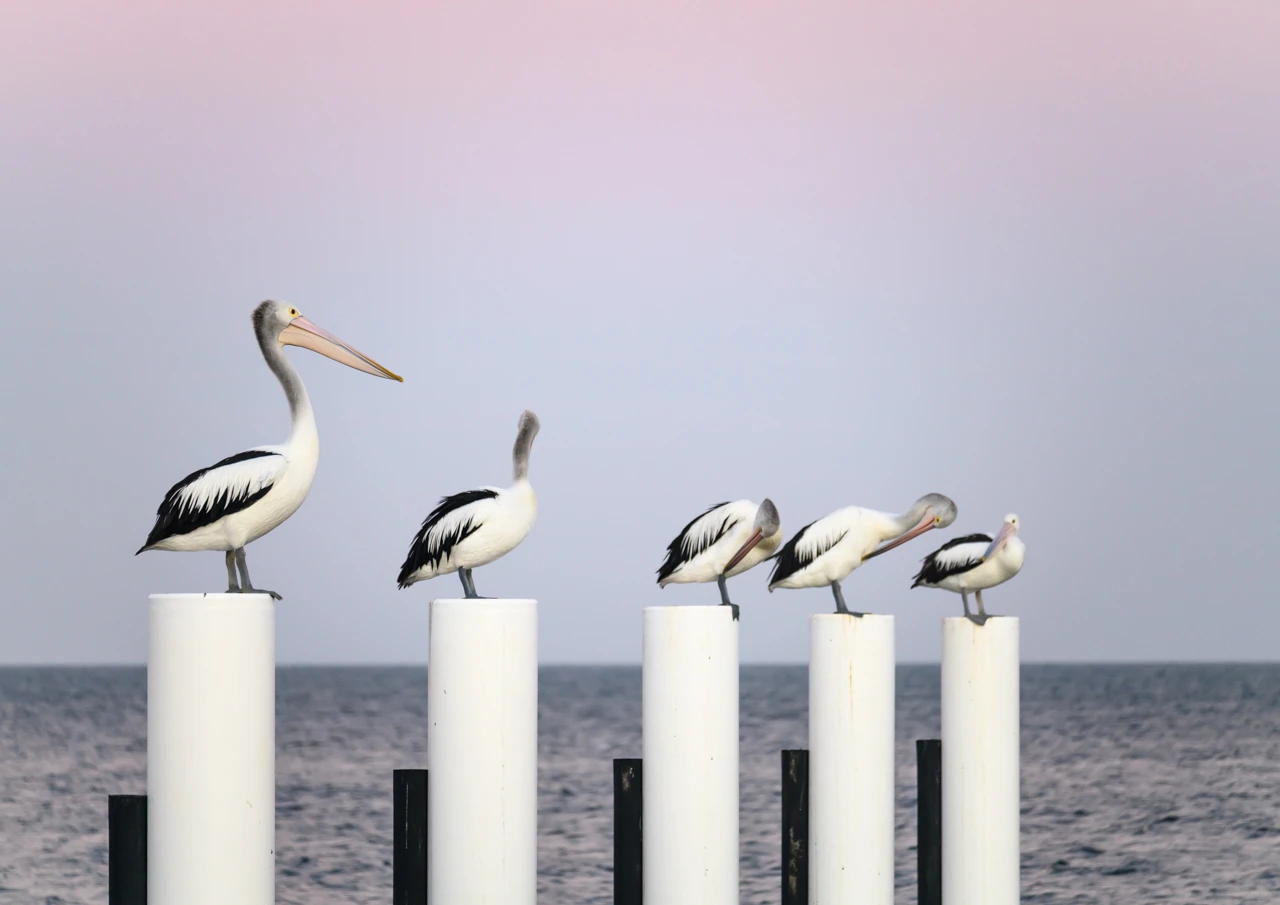
In a line perched on the Marion Bay poles of the boat ramp.

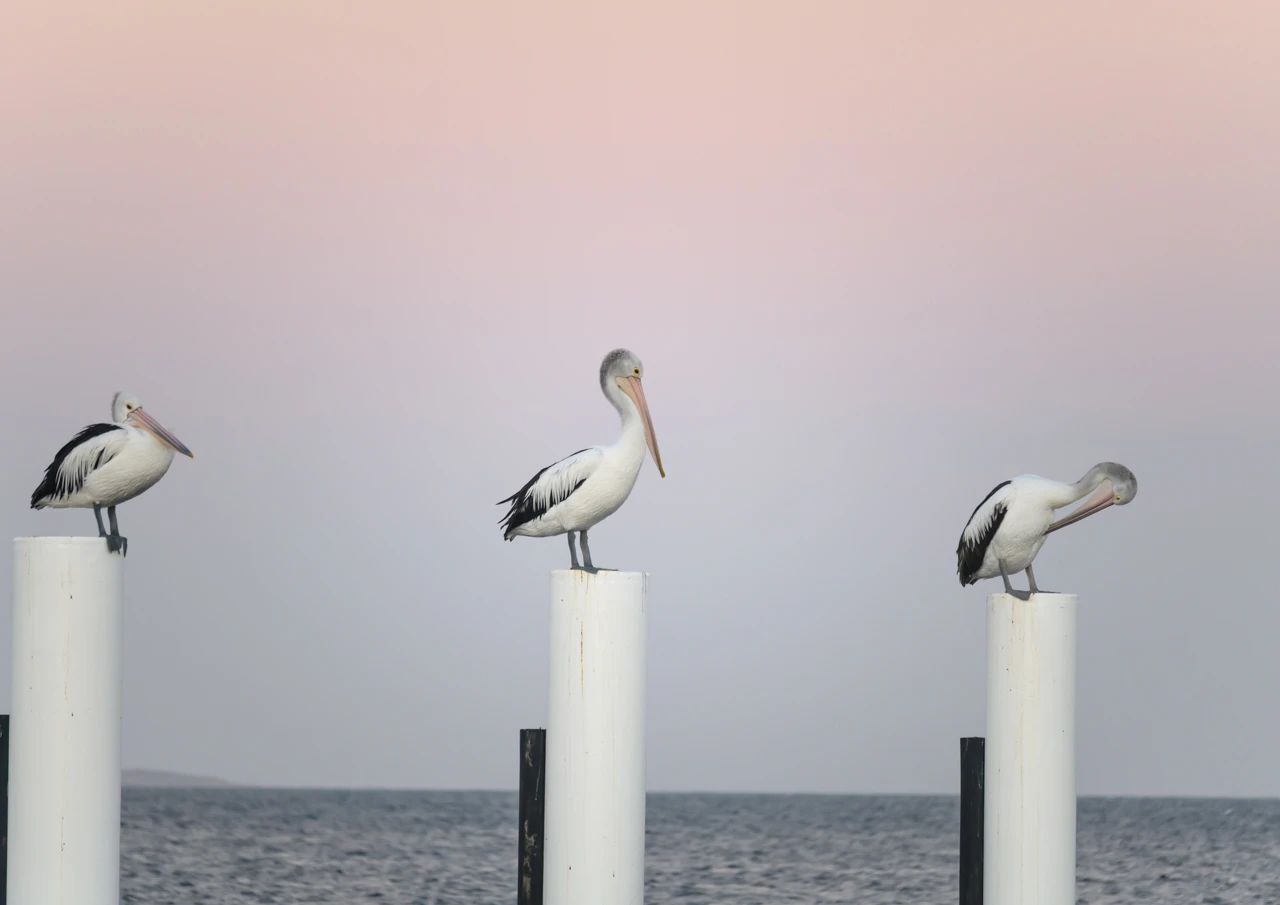
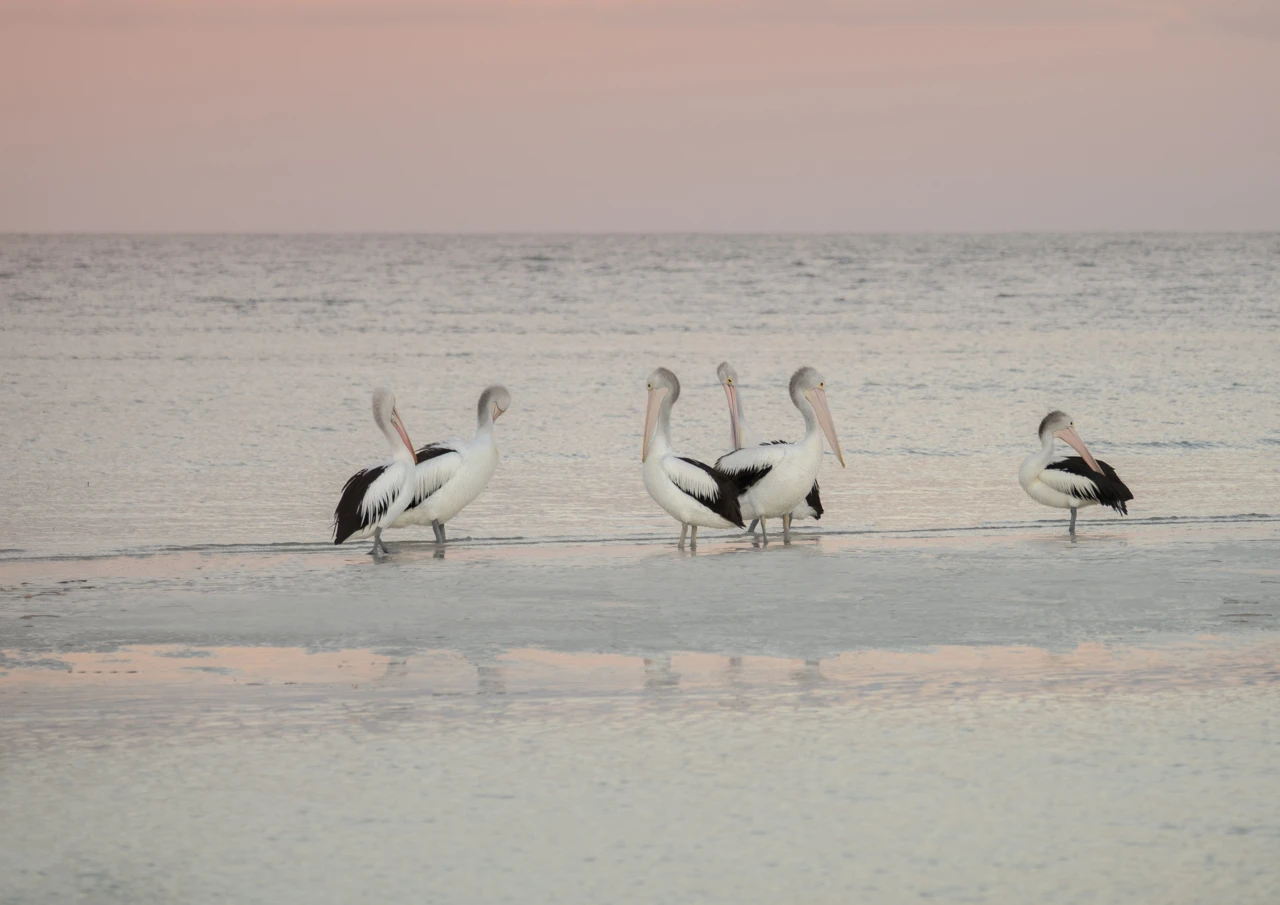
Three pelicans cleaning themselves in a pink sunset
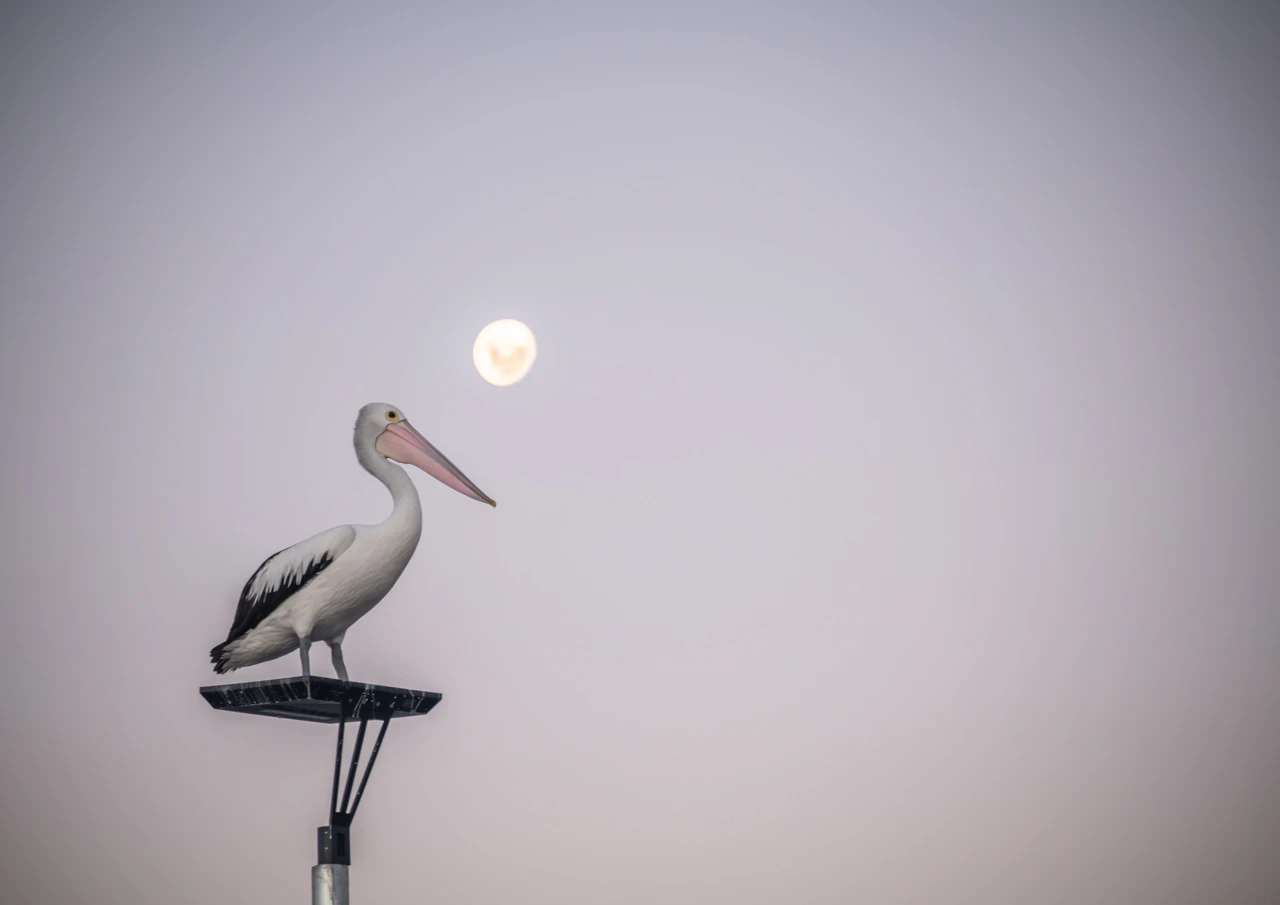
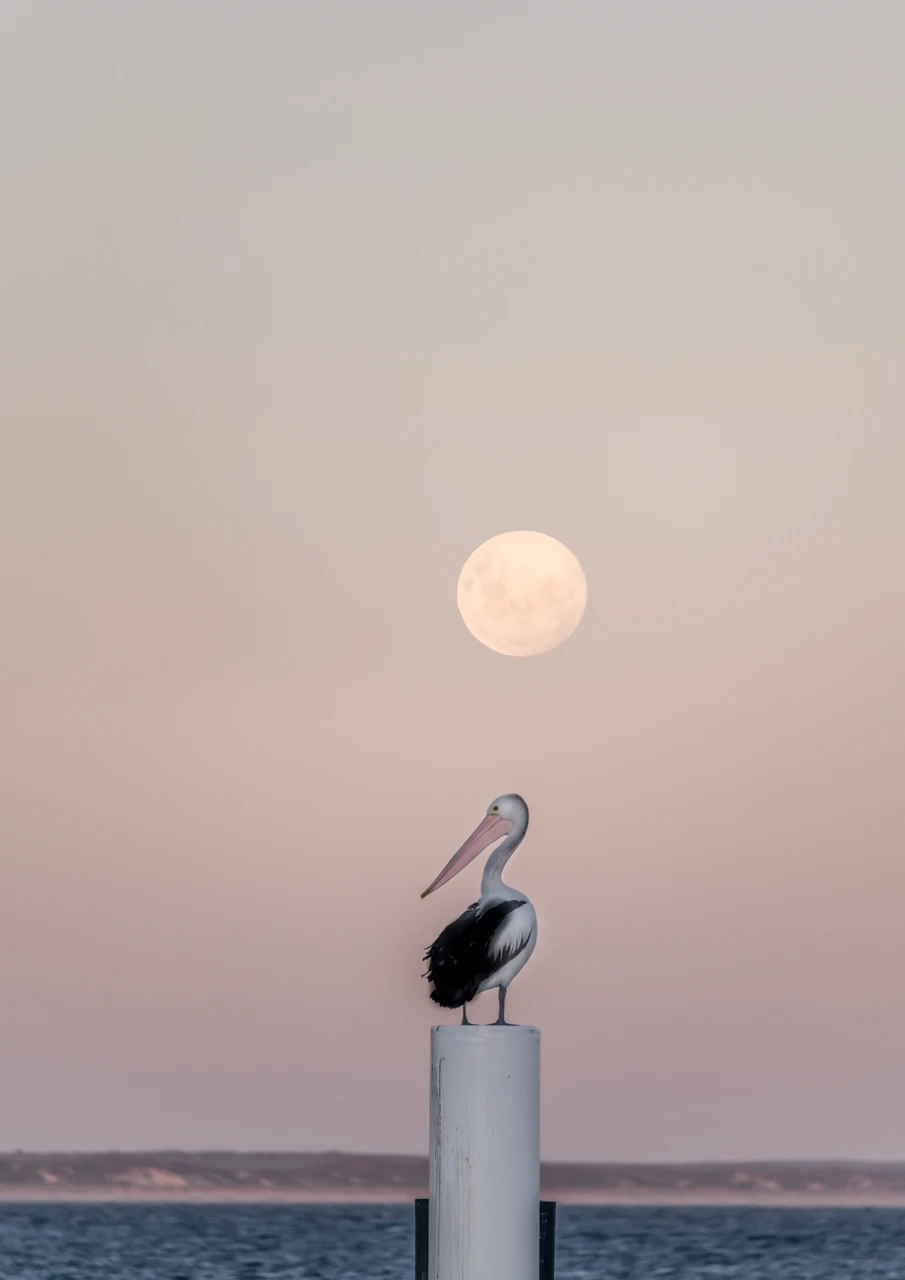
One pelican and the moon
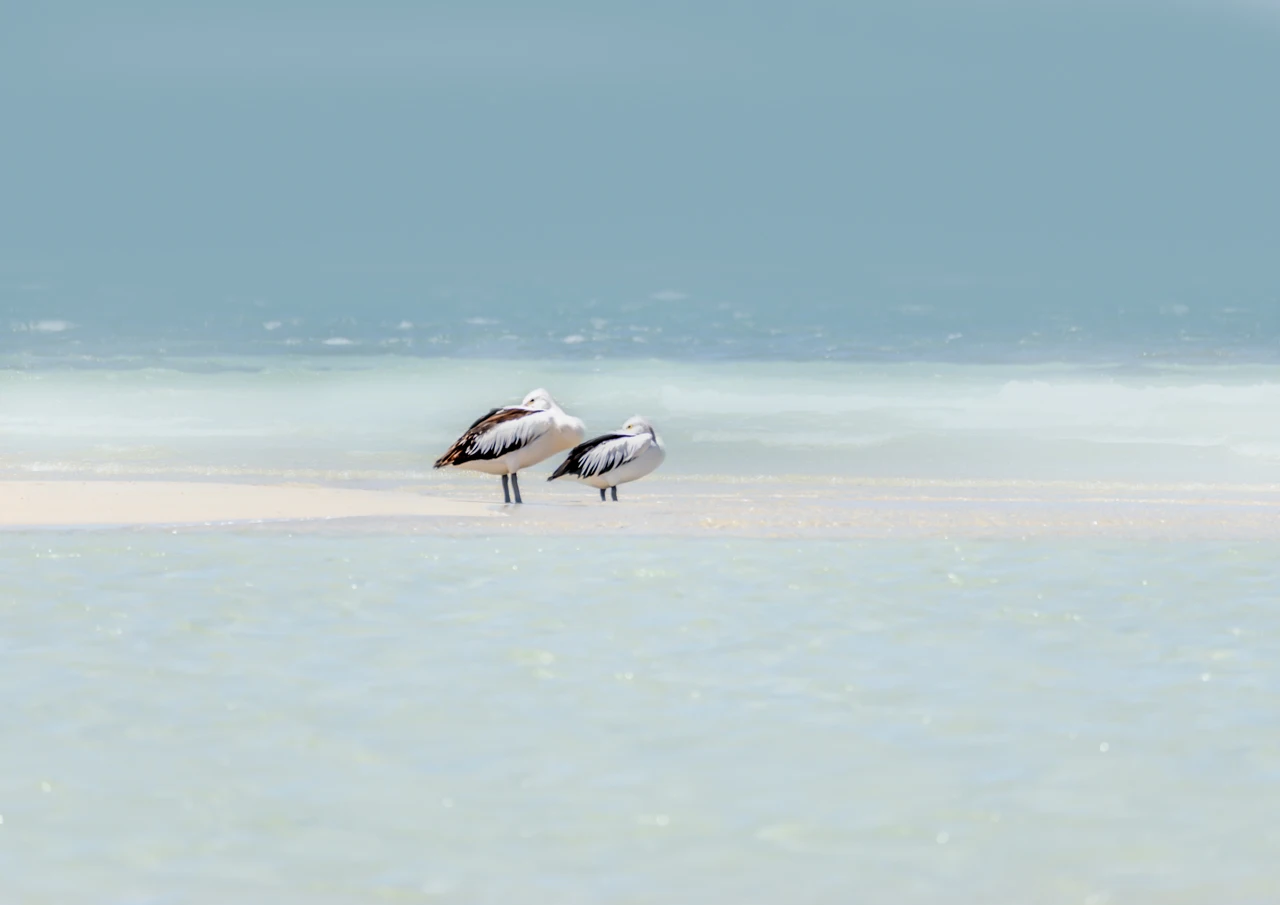
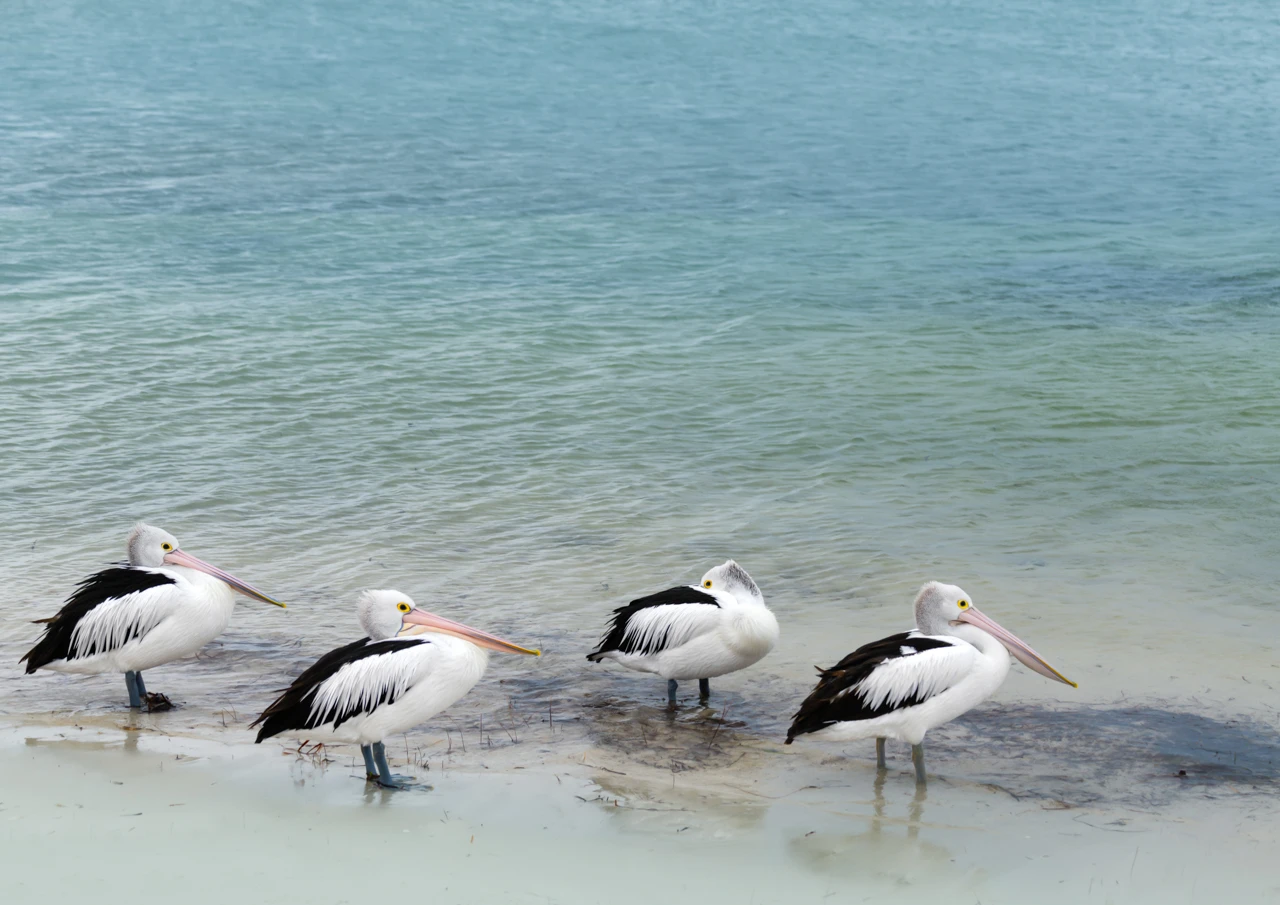
Pelicans resting
pelicans on a cool day
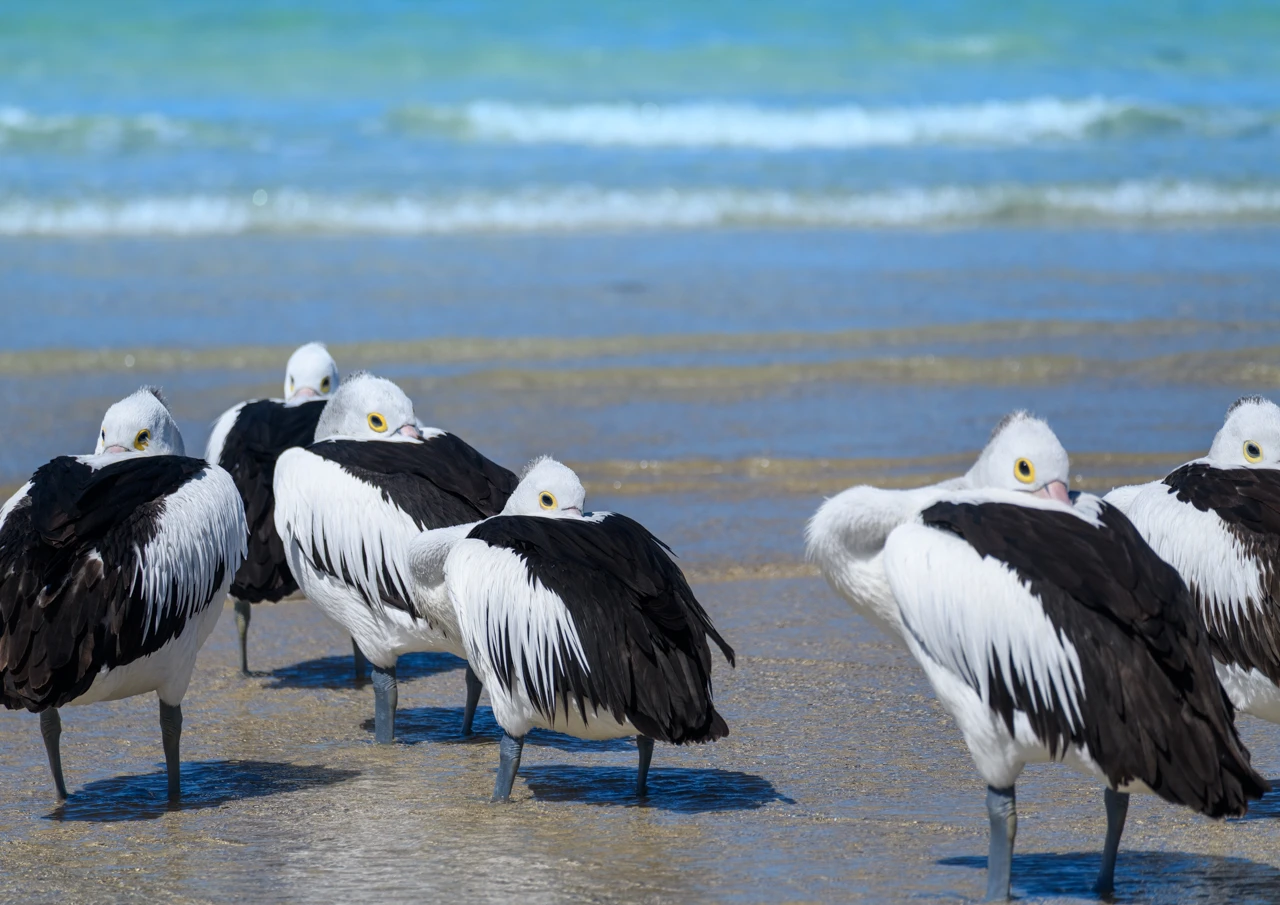
Pelicans asleep with one eye open
Pelicans eating food

Finding food 

Pelicans at Penguin Point Marion Bay
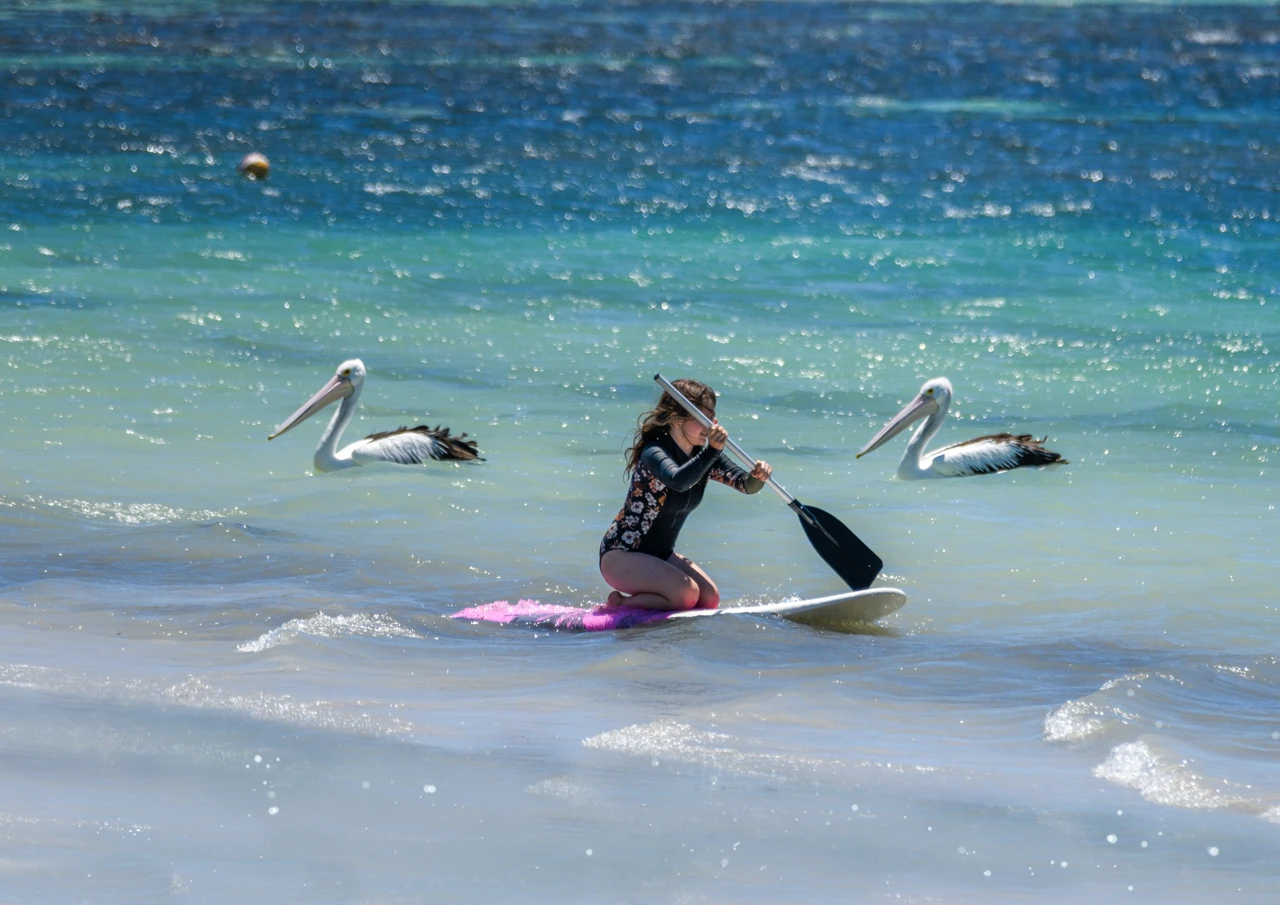
Girls on surf board and pelicans
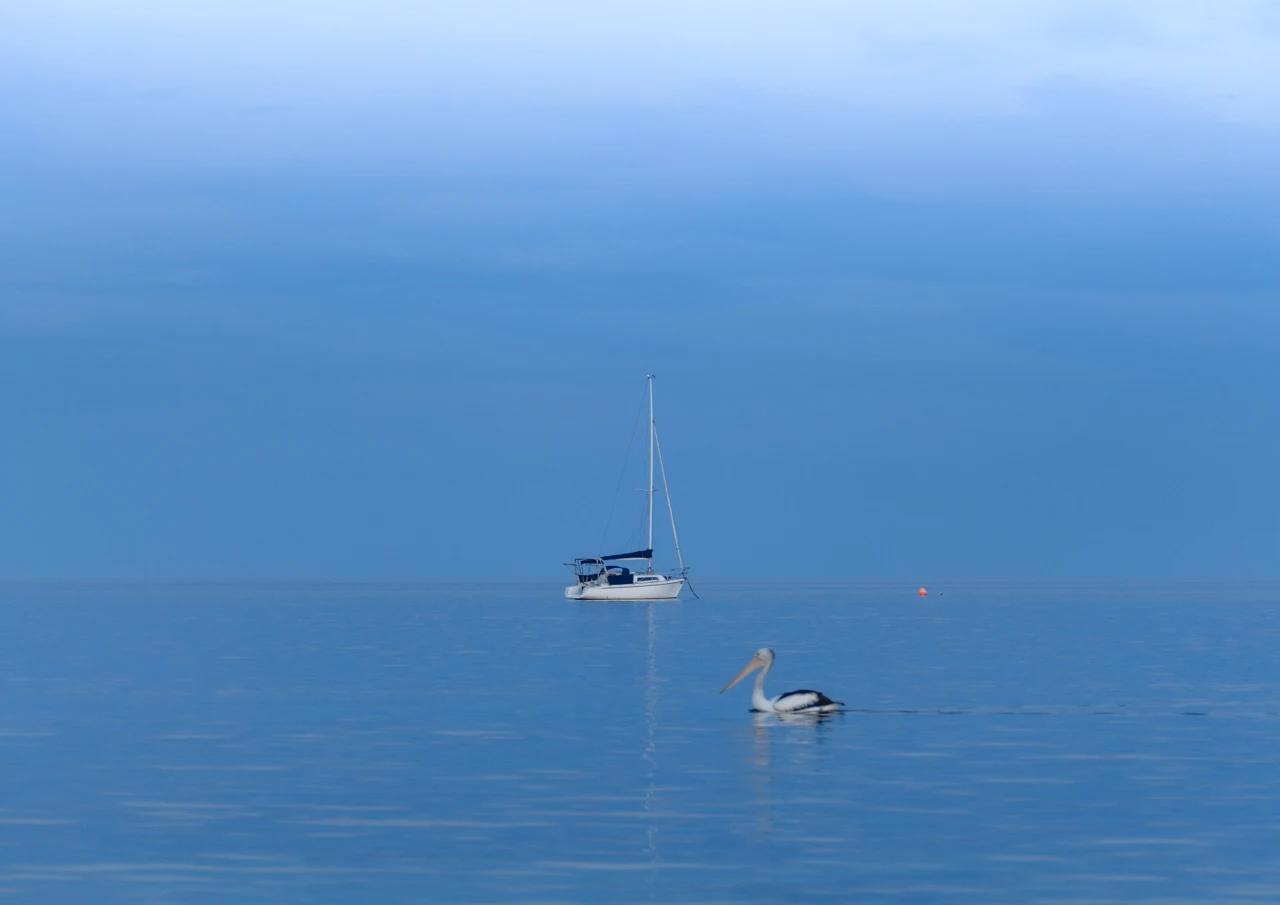
Pelican and yacht in background
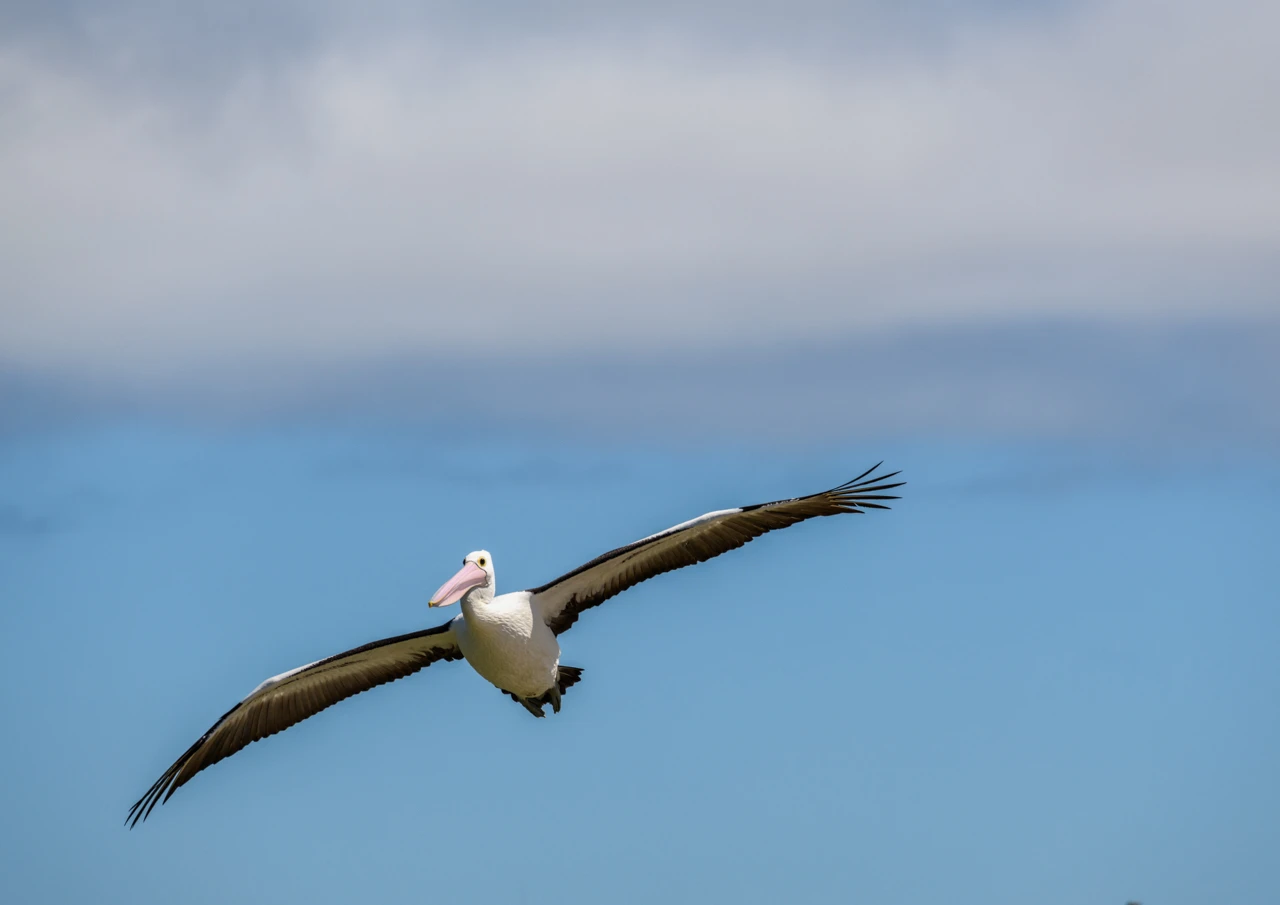
Pelican flying
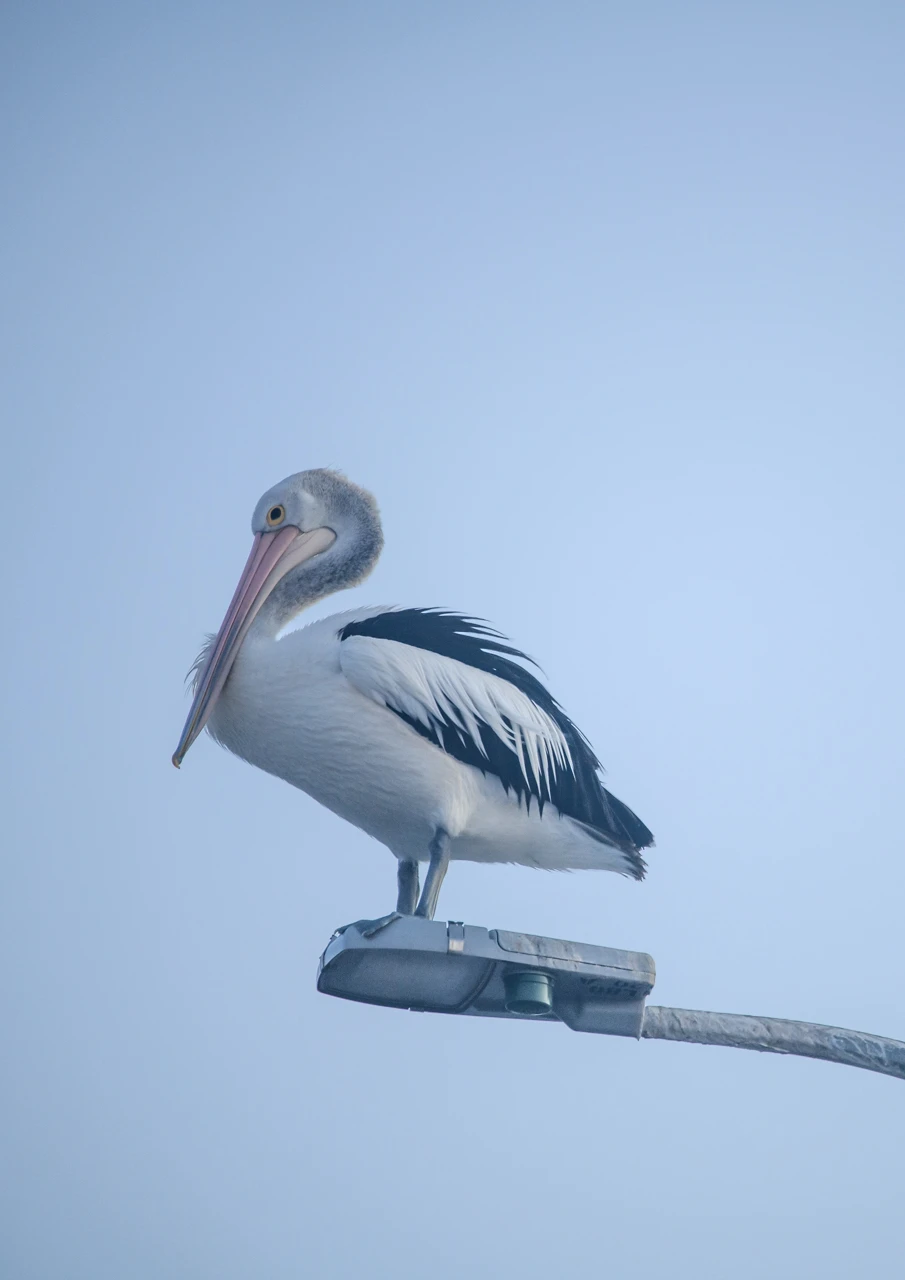
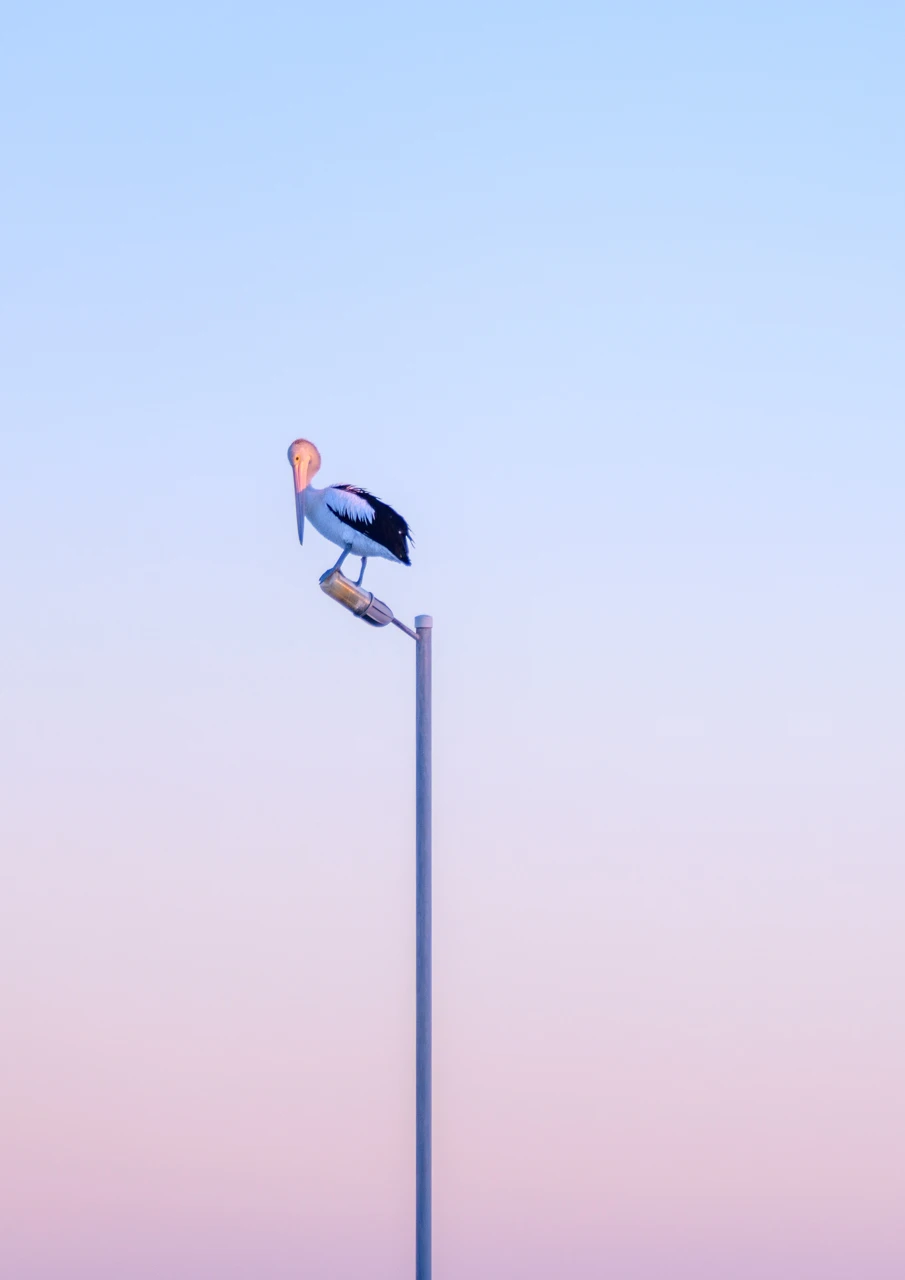
Pelican on a street light
Pelican resting on a street light
Red sky and yellow field

Birds are amazing creatures the ability to fly gives one that sense of freedom. The size of pelicans makes it particulary intriguing…how does such a big bird take to the sky and how do they eat with such a large beak. Lovely to photograph and certainly lovely to observe.

All photos are photographed by Wendy Philip. No AI generated images.

Eames Reef, out in the depths of the ocean

Eames Reef, out in the depths of the ocean

Eames reef with Althorpe is and in the distance


An adventure off the beaten fishing track to Eames Reef.


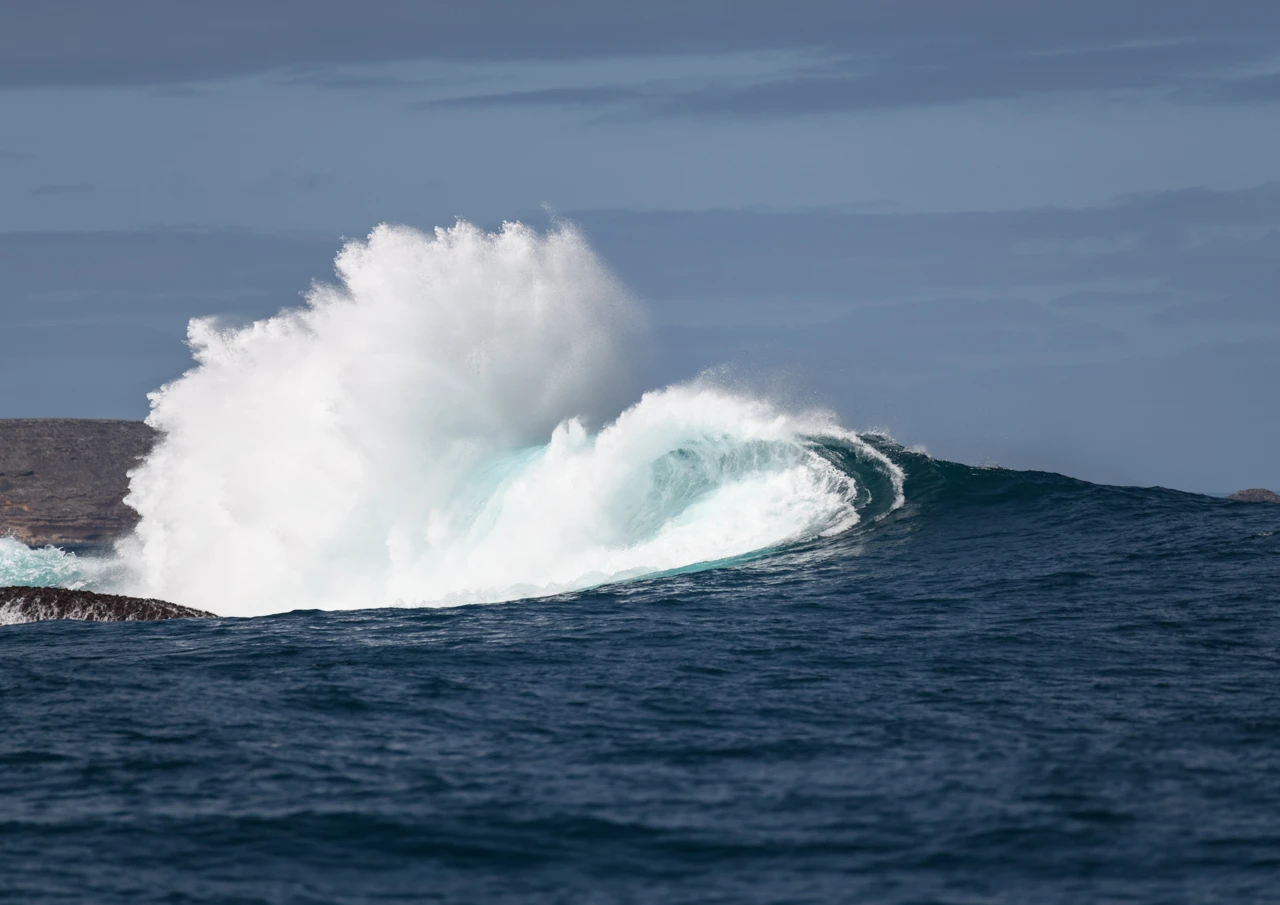
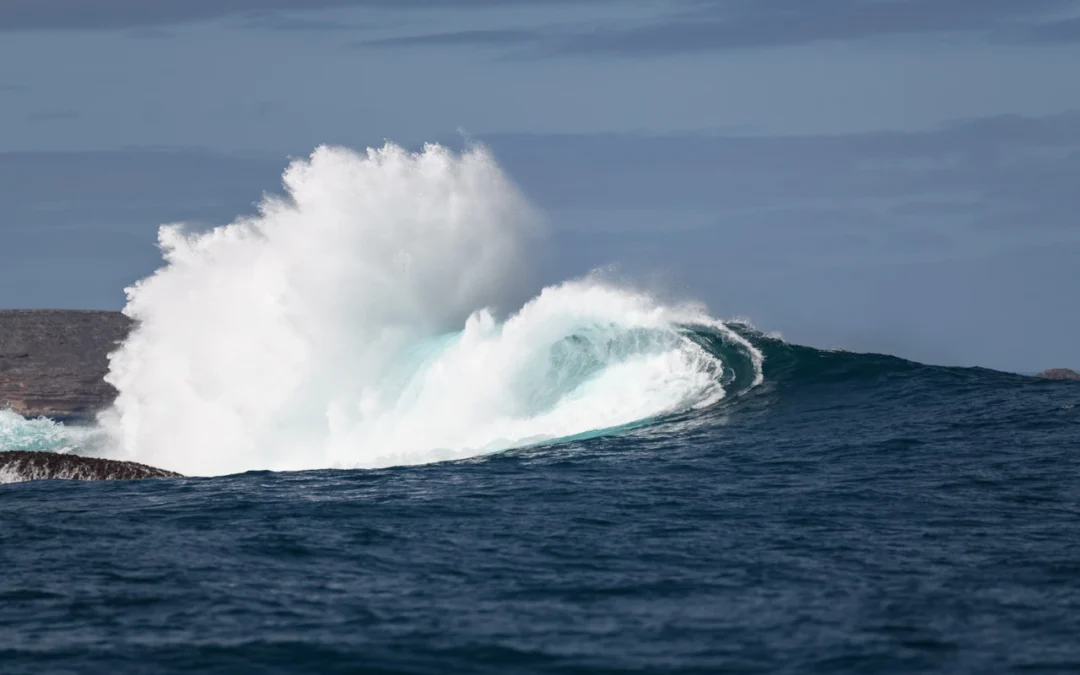
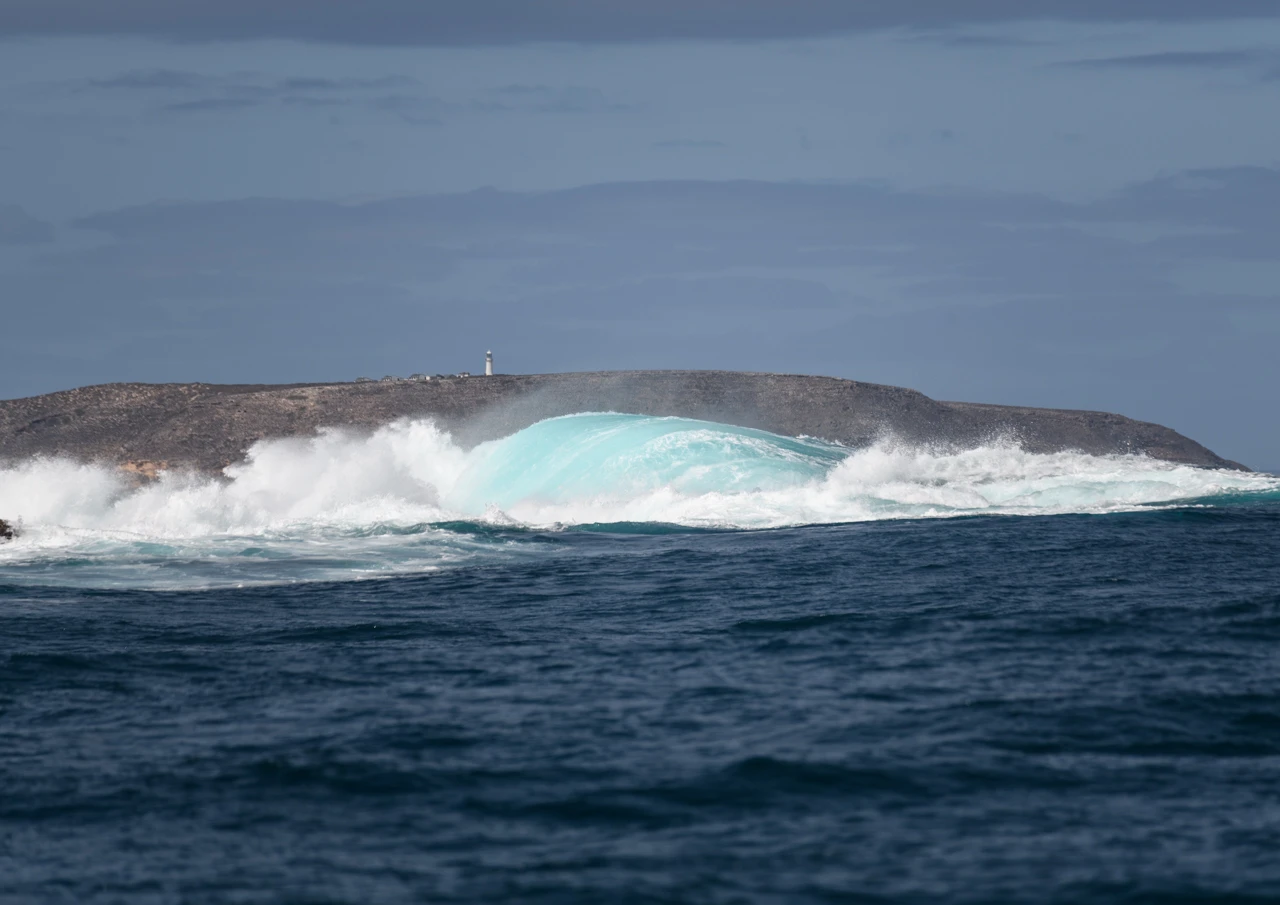
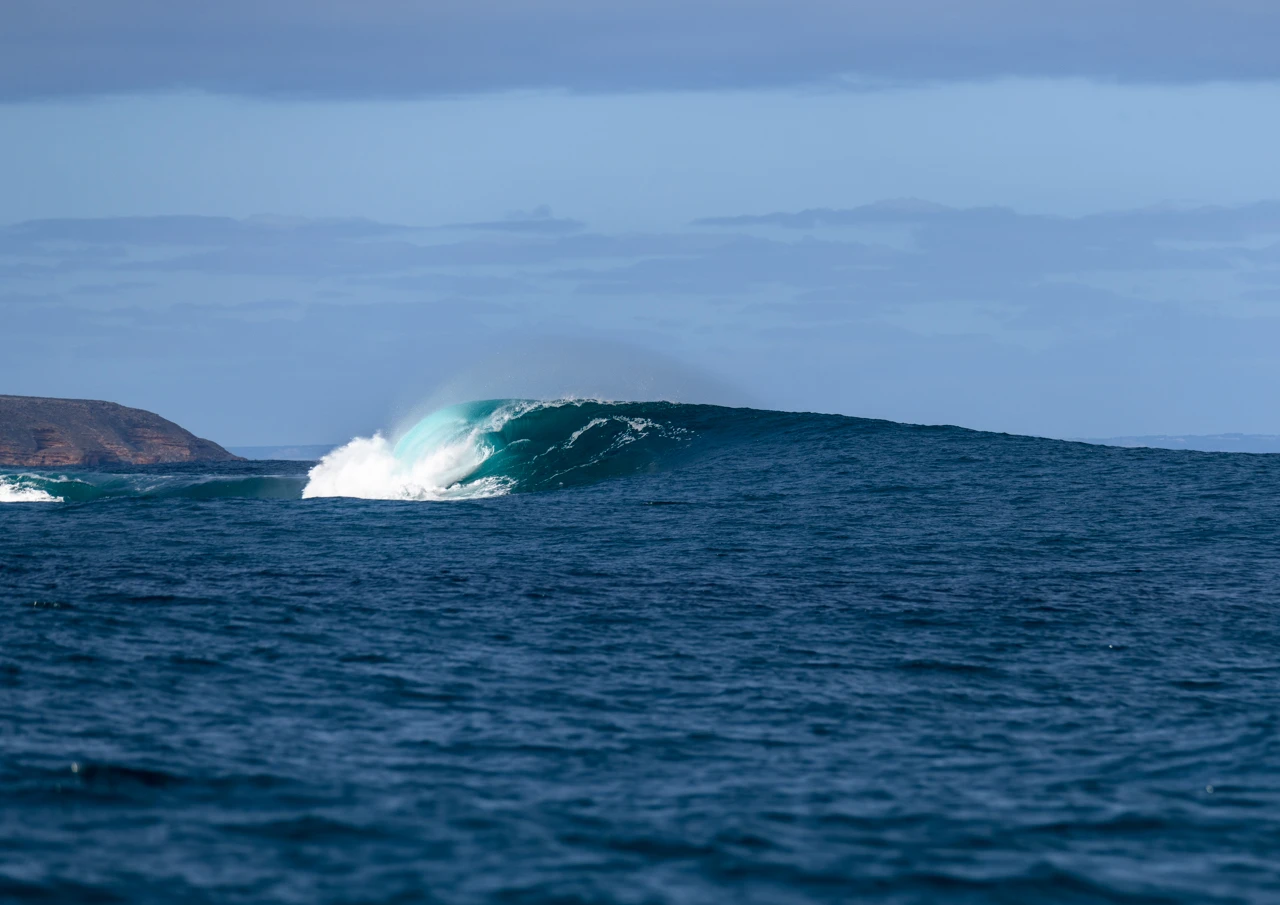
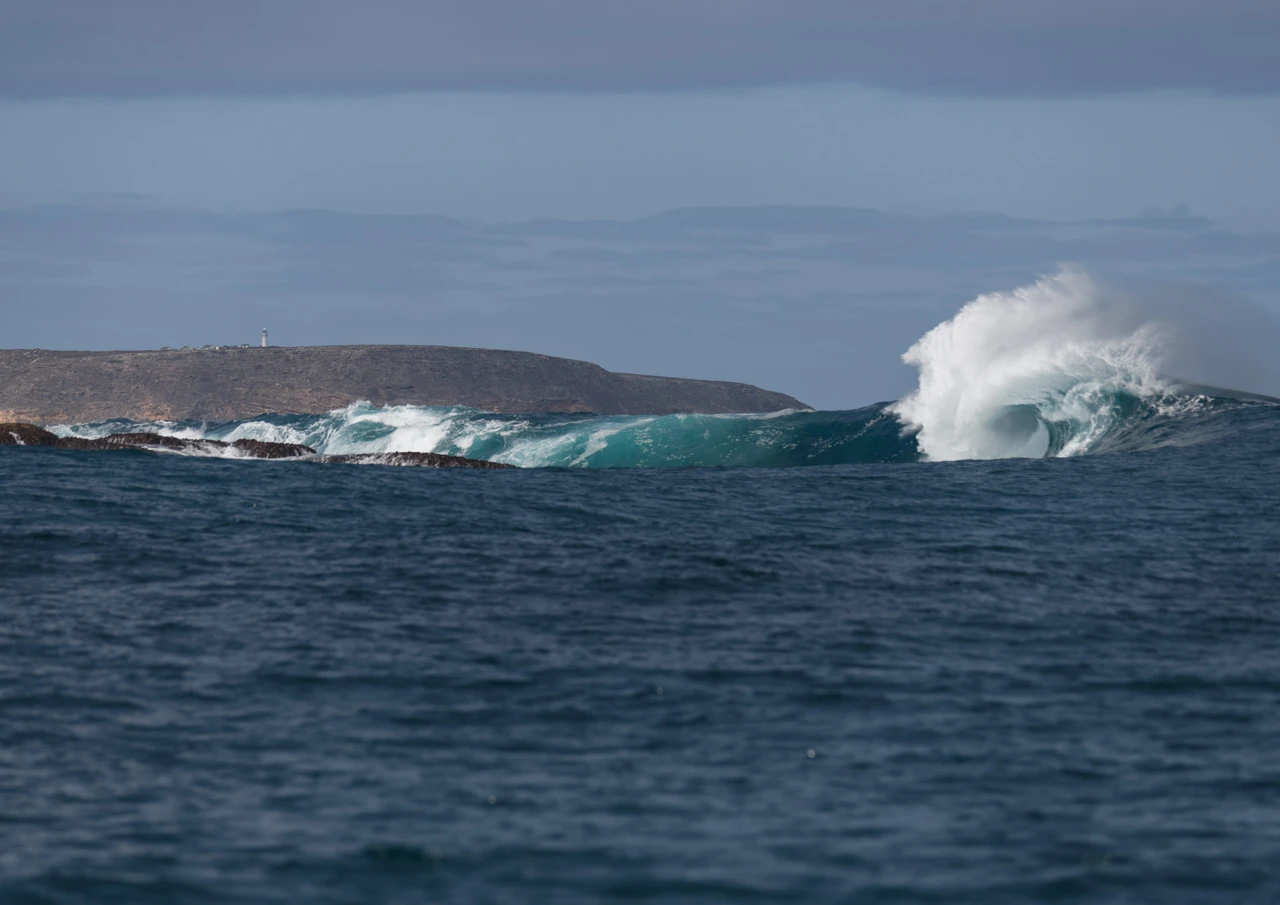
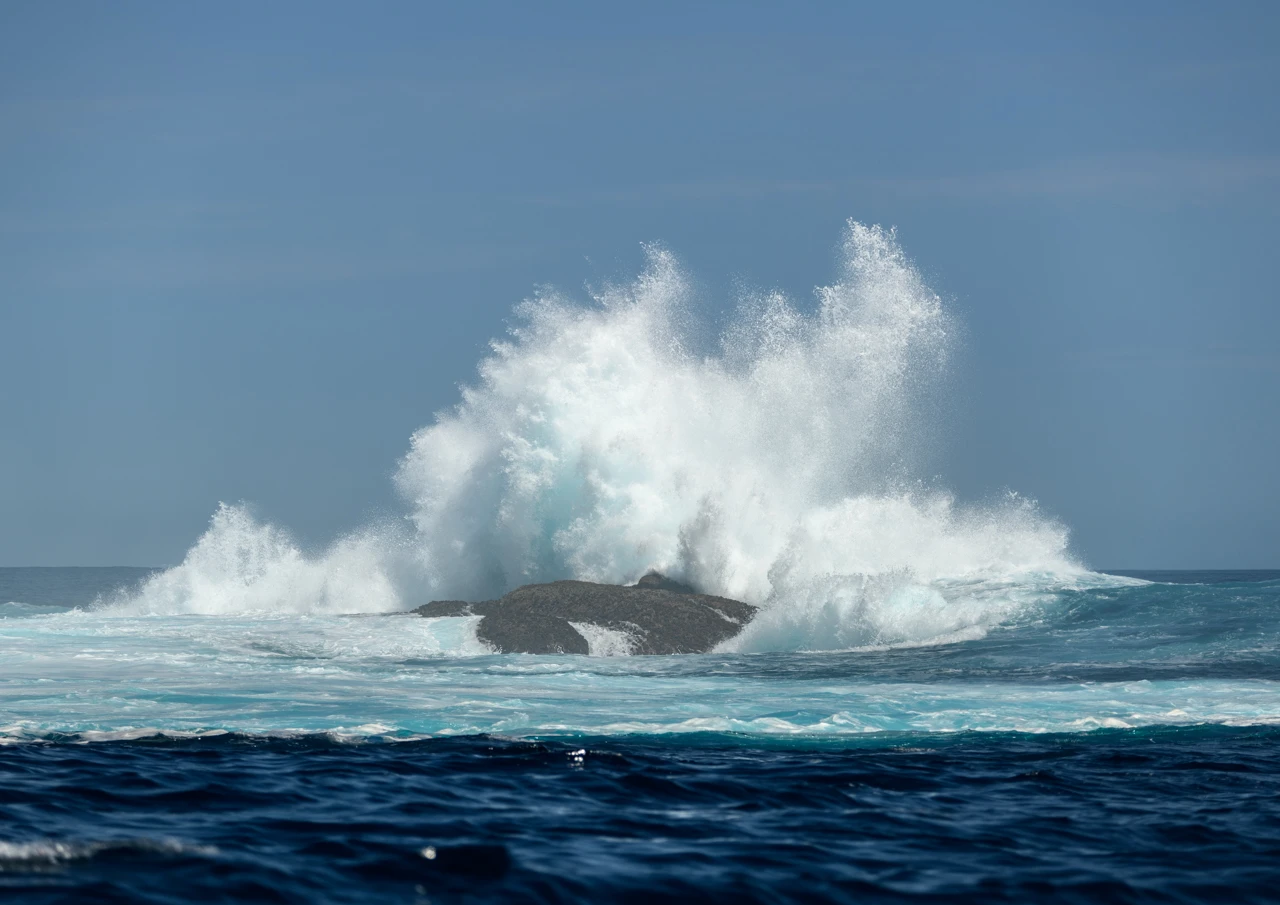
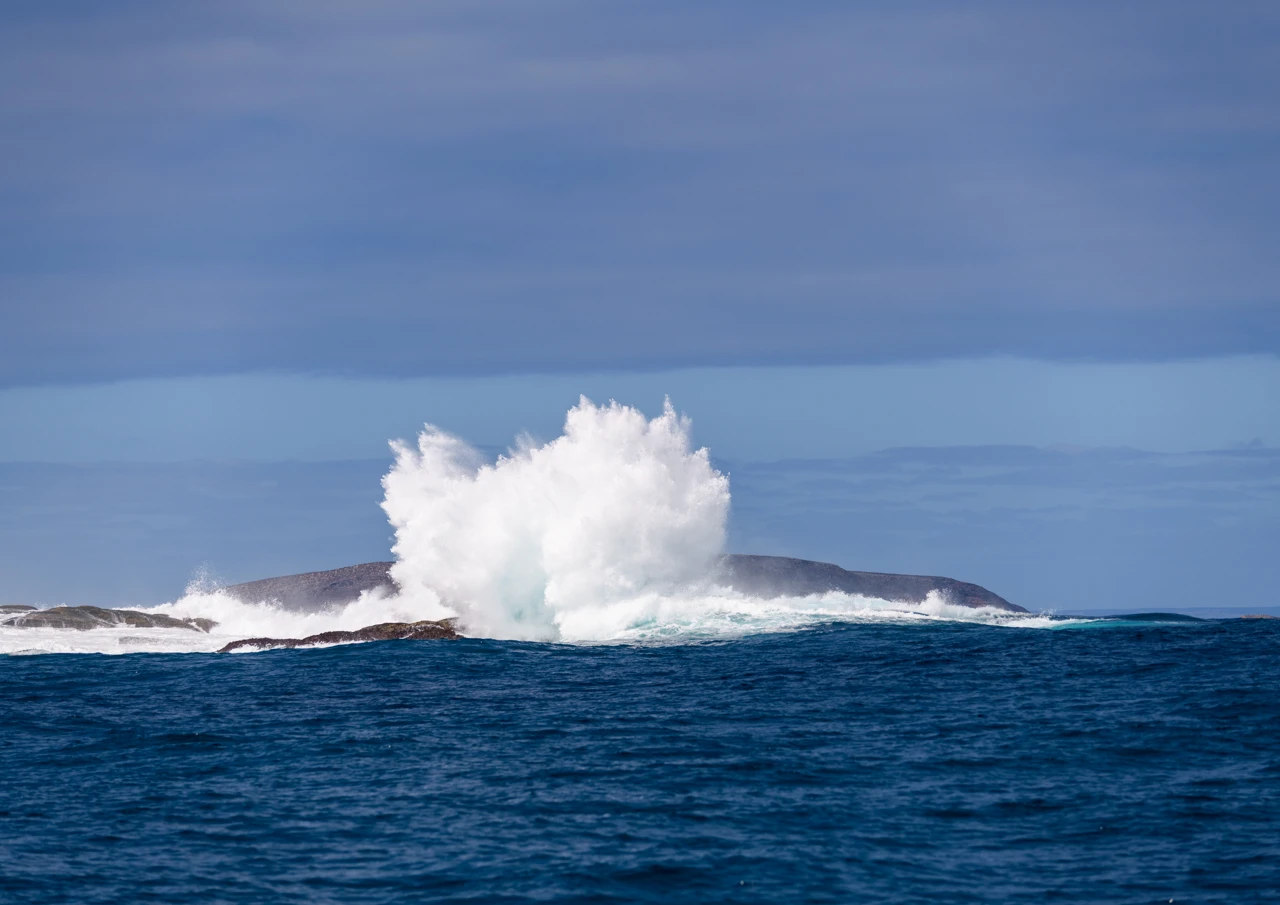
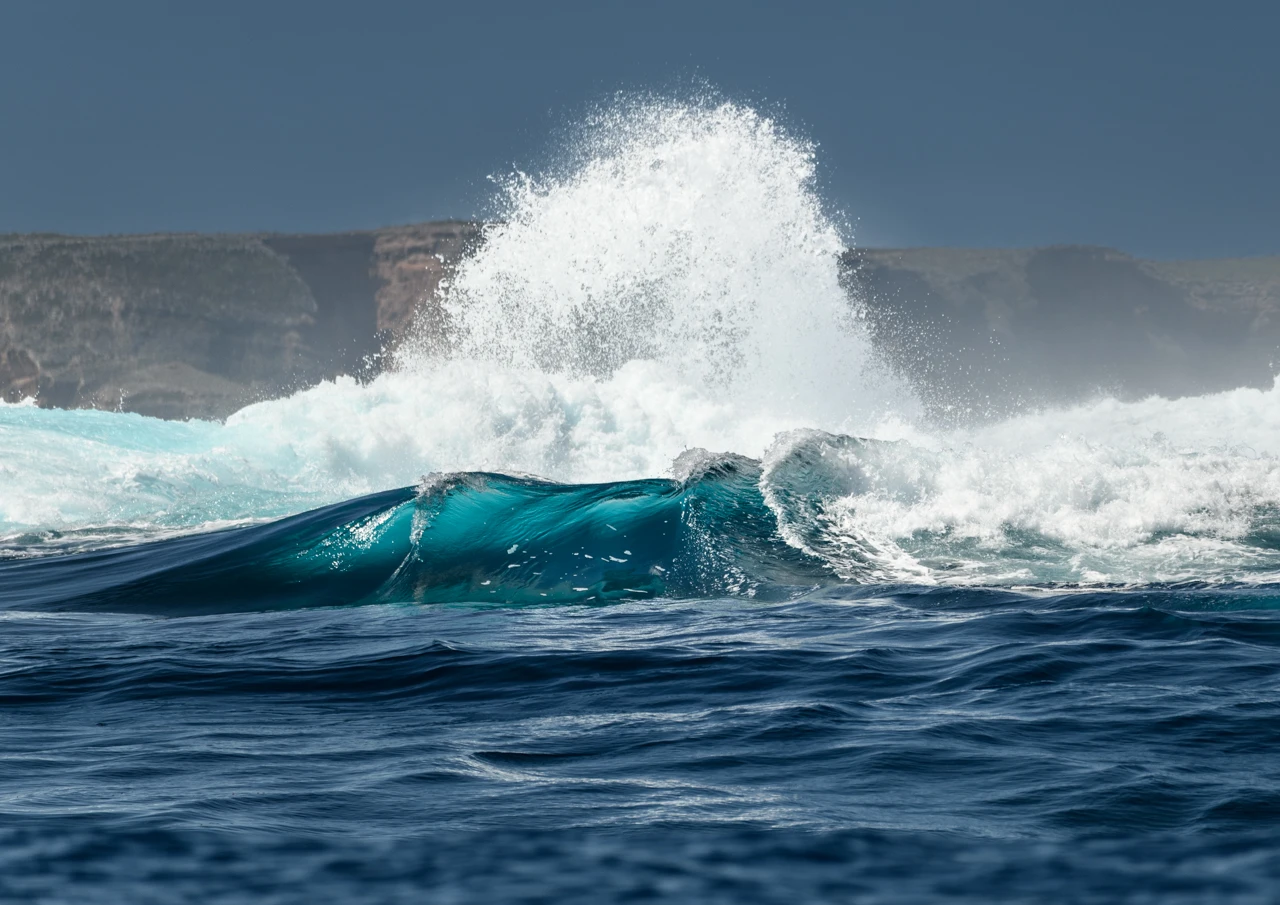
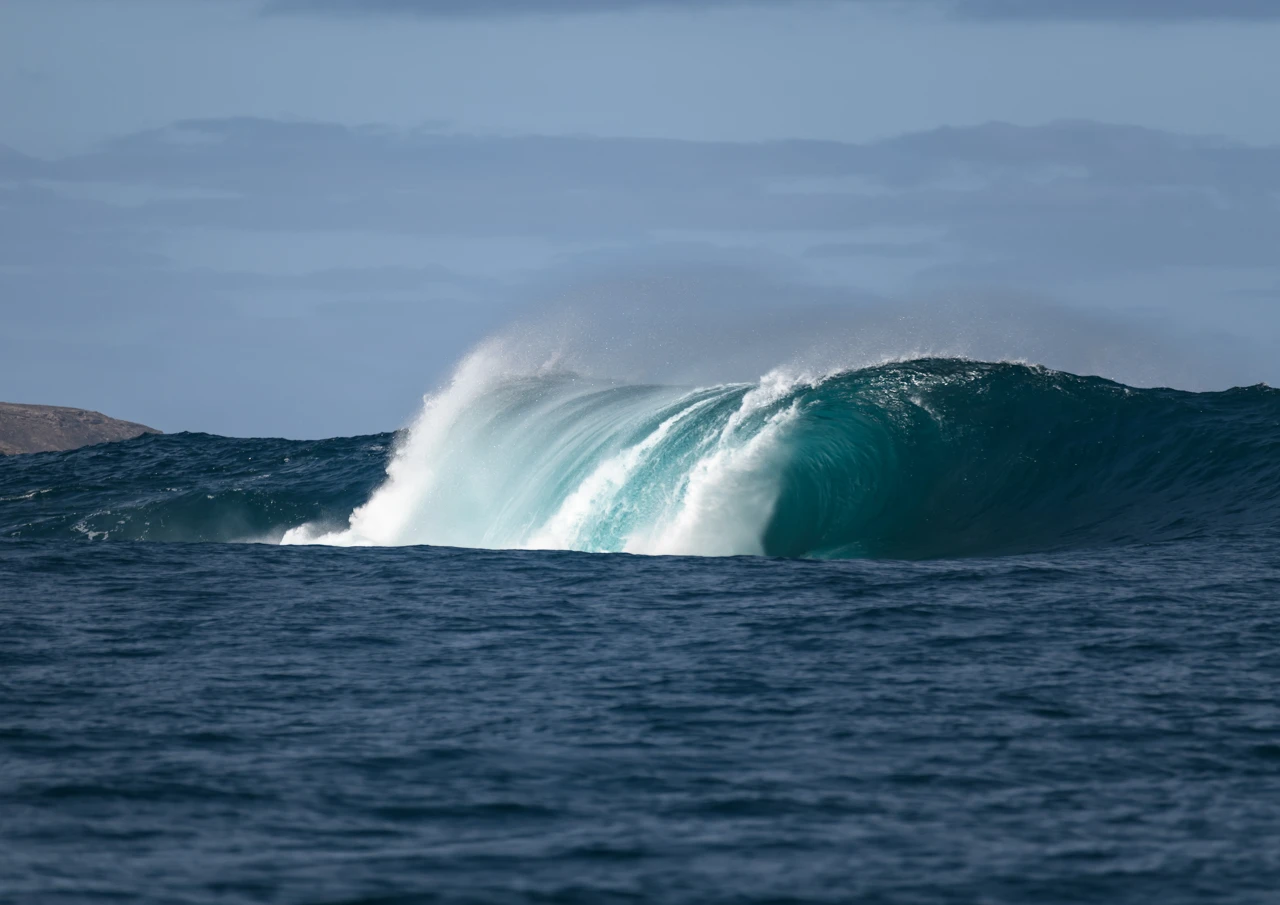
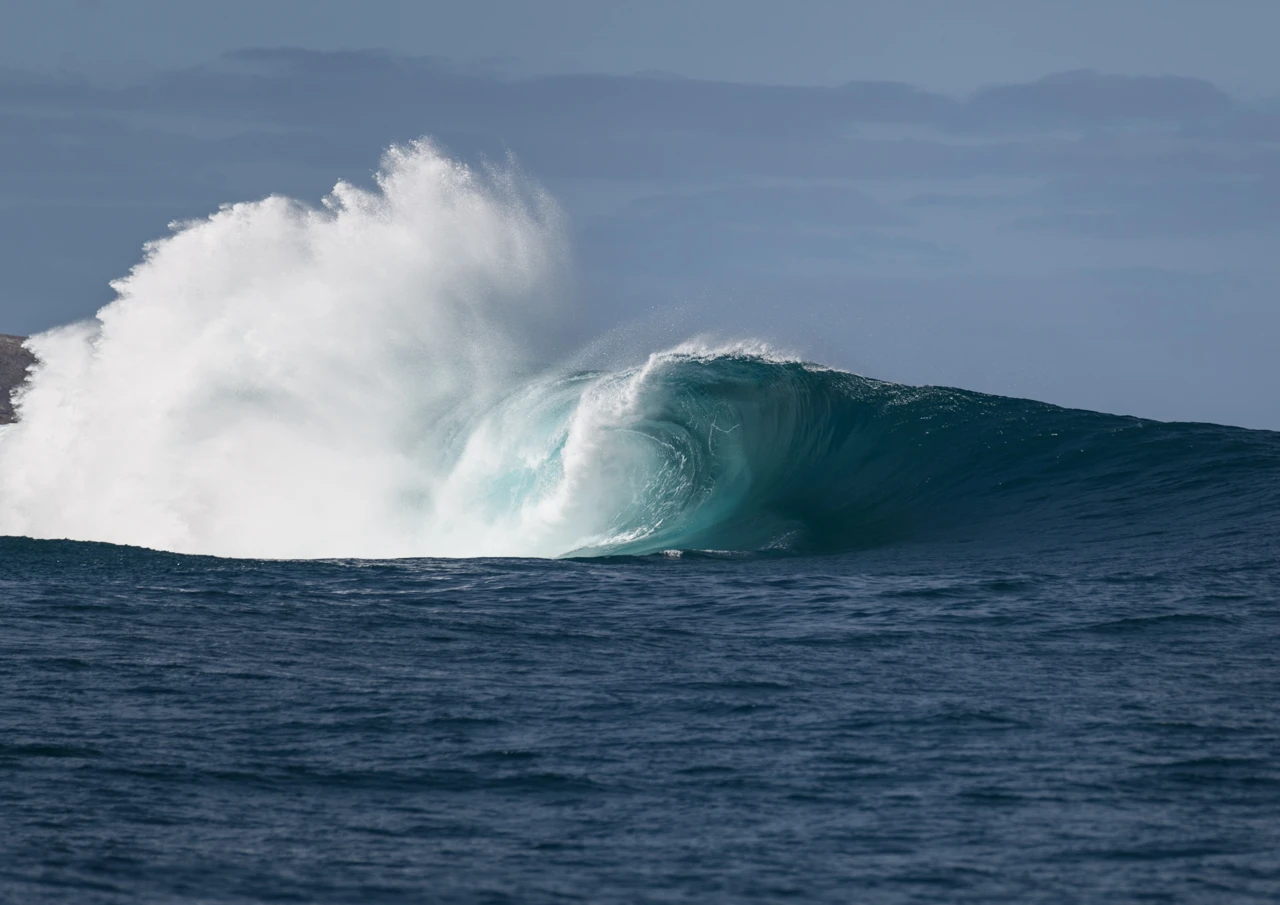
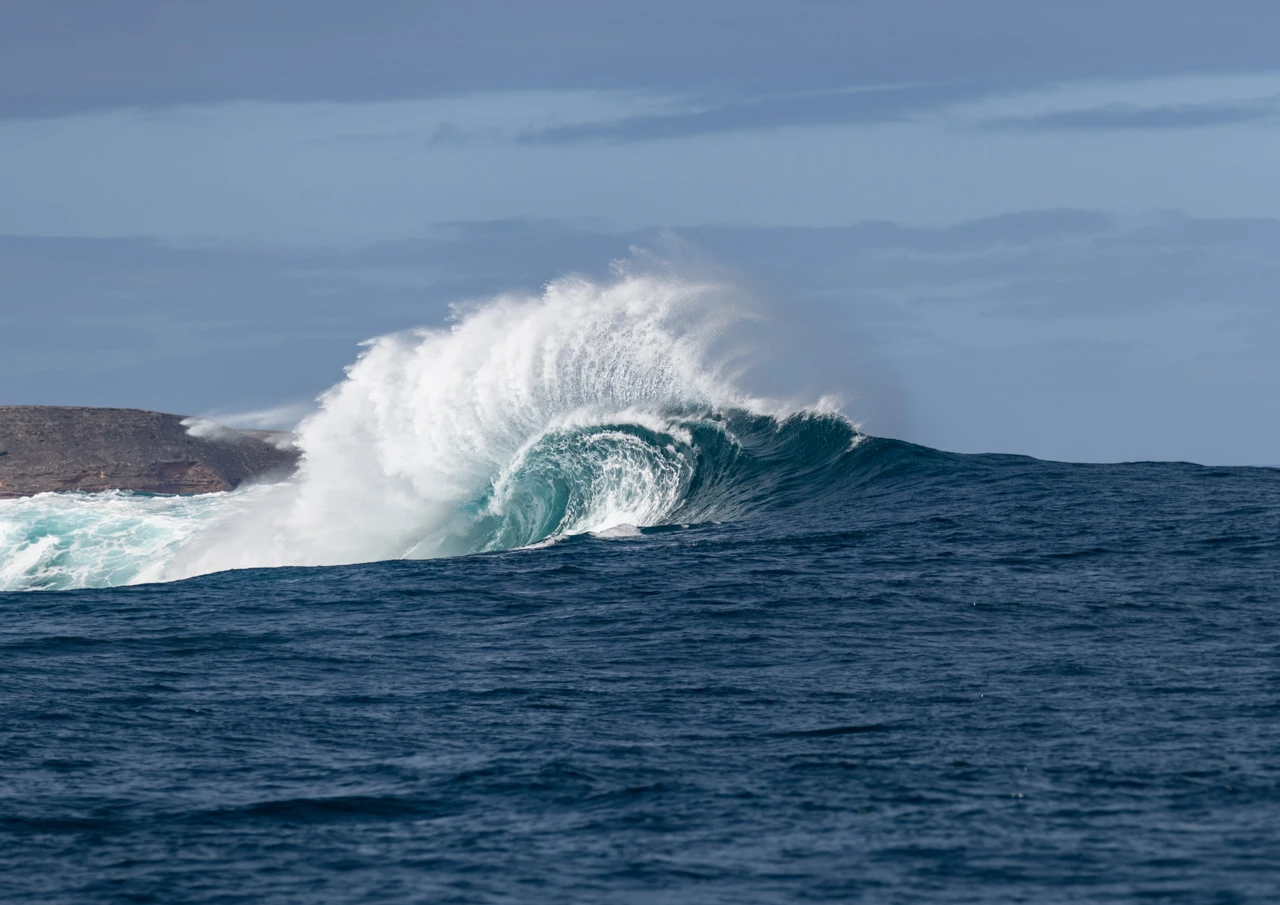
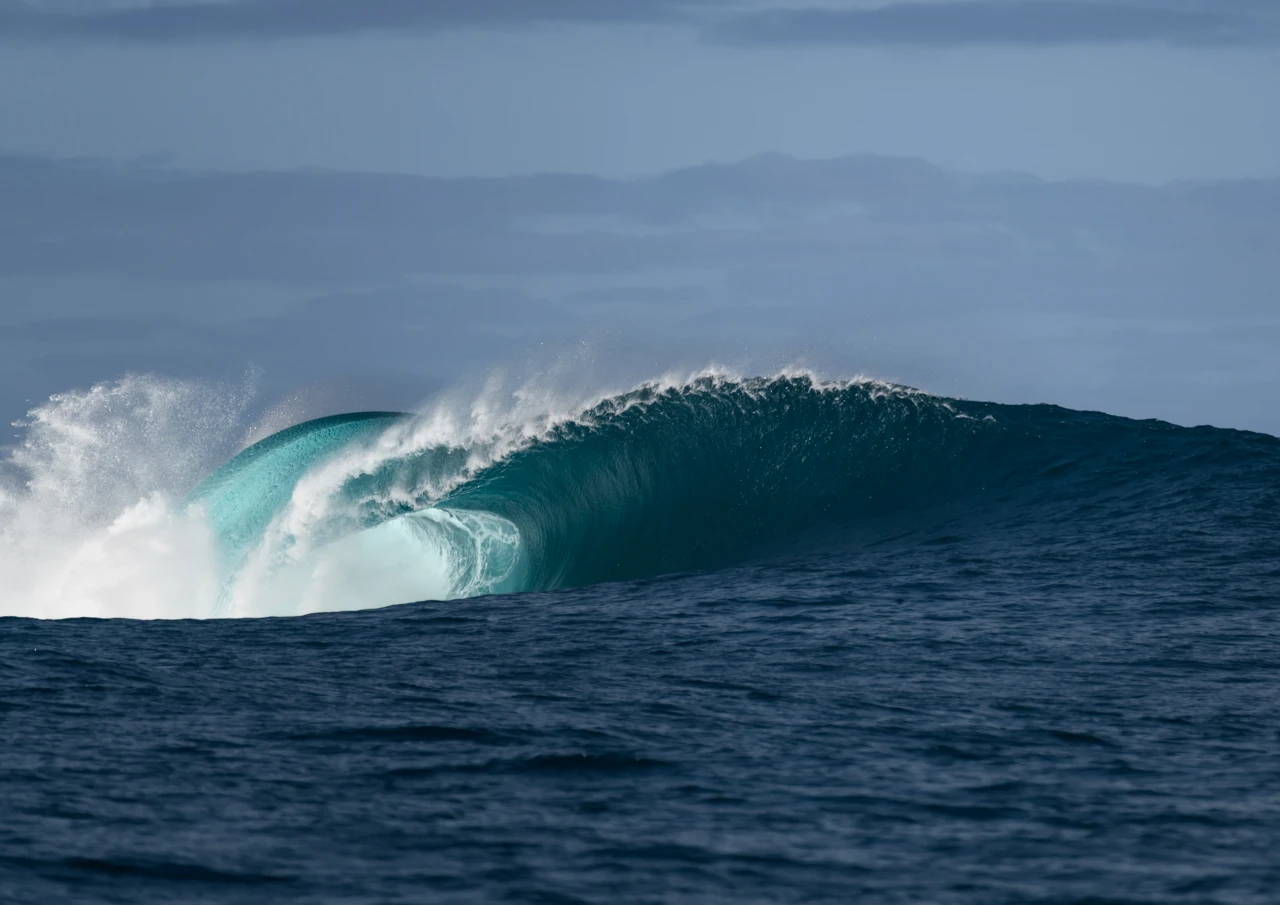
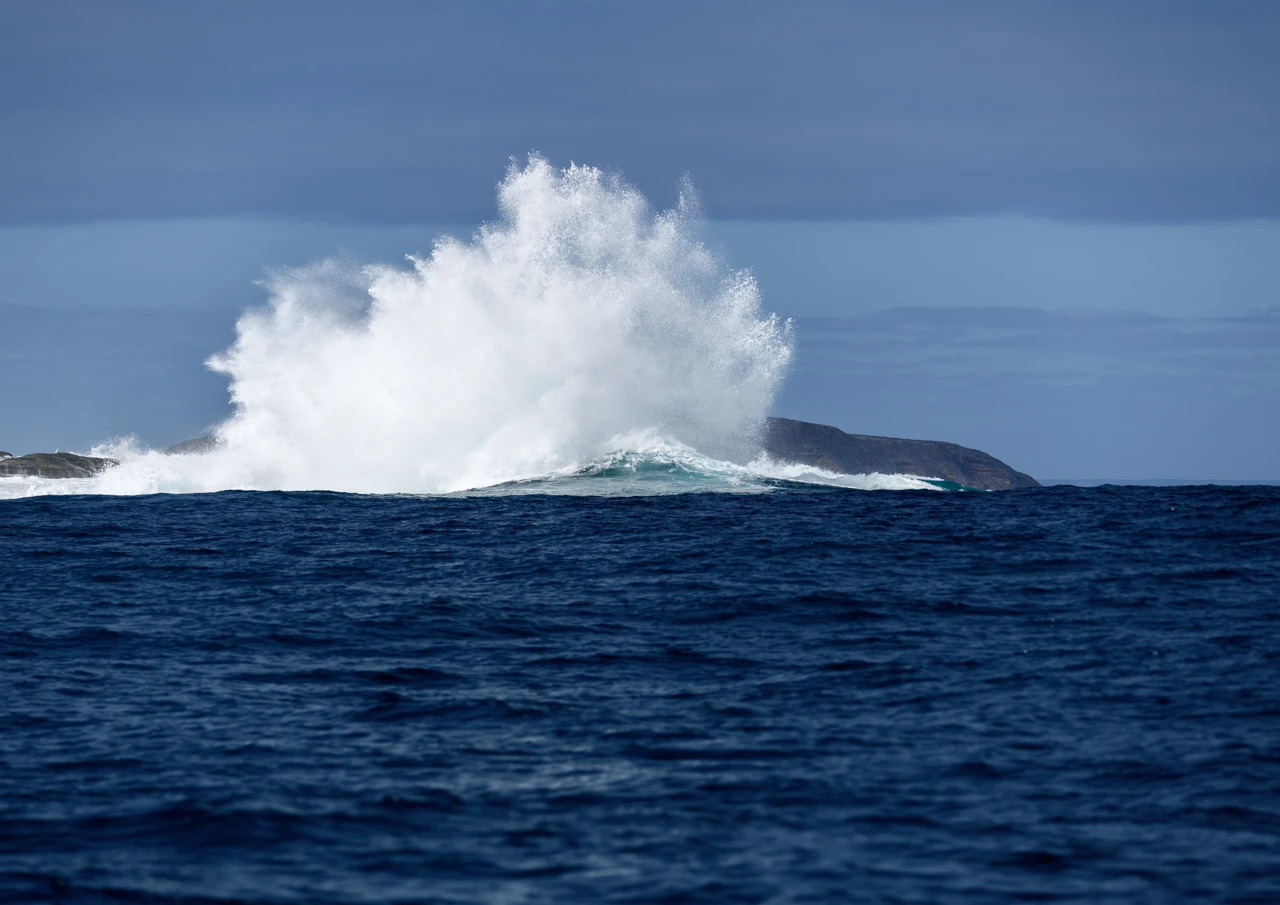
Eames reef, is a rocky formation with huge waves rising suddenly and sharply out of the depths of the ocean.

This rather savage and unexpected reef is just off Dhilba Guuranda Innes National Park. The reef can only just be seen in the distance from the coastline of Innes National Park on a clear day and in fairly stormy weather. The reef basically lies straight out from Ethels beach. But if you want to get up close and personal you need to take a boat trip.

There are a number of reefs at the bottom end of Yorke Peninsula and many years back there were numerous ship wrecks around this area due to these reefs, as the sailors of old, did not have the sophisticated marine equipment of today.

For us to get close to these reefs, a boat is the only solution.

The times we have ventured near to these reefs it has generally been after a days fishing. On this particular day the swell was reasonable so we decided to take a look. I suggest an experienced driver as the waves emerge seemingly from nowhere and it’s rather frightening when the swell is big.

We went reasonably close, but not too close, my husband being a fisherman of old understood the patterns and variations that the ocean could throw at us. He informed us that, “He must not turn his back on the ocean swell!” Therefore he would not look at the reef, but only out to sea at the oncoming rise of the swells.

This left us to watch the waves roll in and take our photographs and be amazed at this beautiful sight. It certainly seemed weird to have waves of this size way out in the middle of the ocean.

In the background of some of the photographs you can see Althorpe Island and the three houses and lighthouse located on this island.


Rising out of nowhere Eames reef off South Yorke Peninsula

Coming out of nowhere this wave starts to rise as it nears the rocks

Eames reef off Yorke Peninsula
Eames reef and splashing high
eames reef after it hits the rocks
Eames reef beautiful colours of the ocean
Deep ocean and reef
Spectacular wave at Eames reef
Eames reef and wave breaking
Eames reef and huge wave
Eames reef and wave crashes on the reef
Eames reef don't get too close
Eames reef and many colours
Eames reef up close
Eames reef and dark sky

The colours and movement of the waves kept us watching and photographing for quite some time. I cannot imagine what it would be like in very stormy weather.

All images were taken by Wendy Philip. No AI generated images.

A visit by boat to Althorpe Island, South Australia

A visit by boat to Althorpe Island, South Australia

Althorpe Island and sea lion swimming

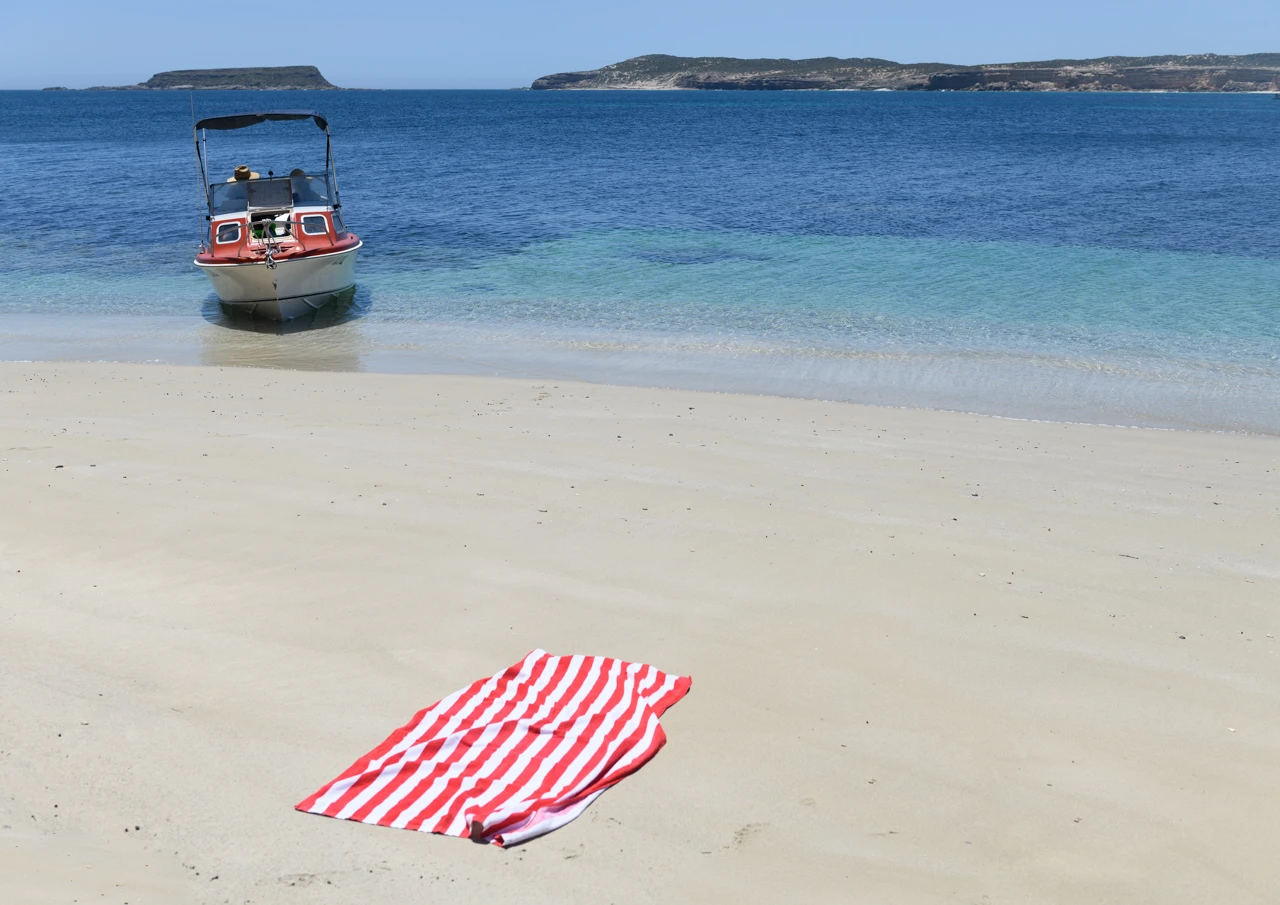
A dream come true, a visit Althorpe Island


One fine day we boated out to an uninhabited island that was manned for many years by three families. The families operated the lighthouse and kept the lights burning for many a ship that passed by these often treacherous seas. Many of the buildings are in a state of disrepair but thanks to a small organisation “Friends of Althorpe Island” the islands facitities are now being maintained and repaired, the weeds and environment are also being looked after, thanks to these people this amazing place is now a protected area and will not simply dissolve into a forgotten past.

On many of our visits to the beaches in the Dhilba Guraanda Innes National Park you can view Althorpe Island and you will clearly see three tiny white dots on the island and the white lighthouse practically in the centre of these homes. I had spent many a year gazing and dreaming and even researching what and who these past historical figures and artifacts were. I always longed to visit this island and take in a piece of history.

A boat and finally that long awaited trip to see this remote island.

What an honour, what an exciting adventure. It was a very beautiful and incredibly rugged and spectacular place. Apparently the three families who lived in these cottages had children on the island, schooled them, feed them, played with them etc. All supplies came by boat or air. Unbelievable how these people lived in this harsh environment and performed a very needed task.

My images hopefully tell the rest of the story, what we saw and how history has such a place in our lives.

I am no historian so have included some links to a few more informative sites.

Lighthouses Australia

Wikepedia on Althorpe Island

Friends of Althorpe Island

Cape Spencer lighthouse, Althorpe island in the distance

The distant white homes and the lighthouse I had dreamt and wondered about….. Finally I got to go and visit this remote and unusual place. This is the view from the mainland. Cape Spencer lighthouse and lookout is in the foreground.

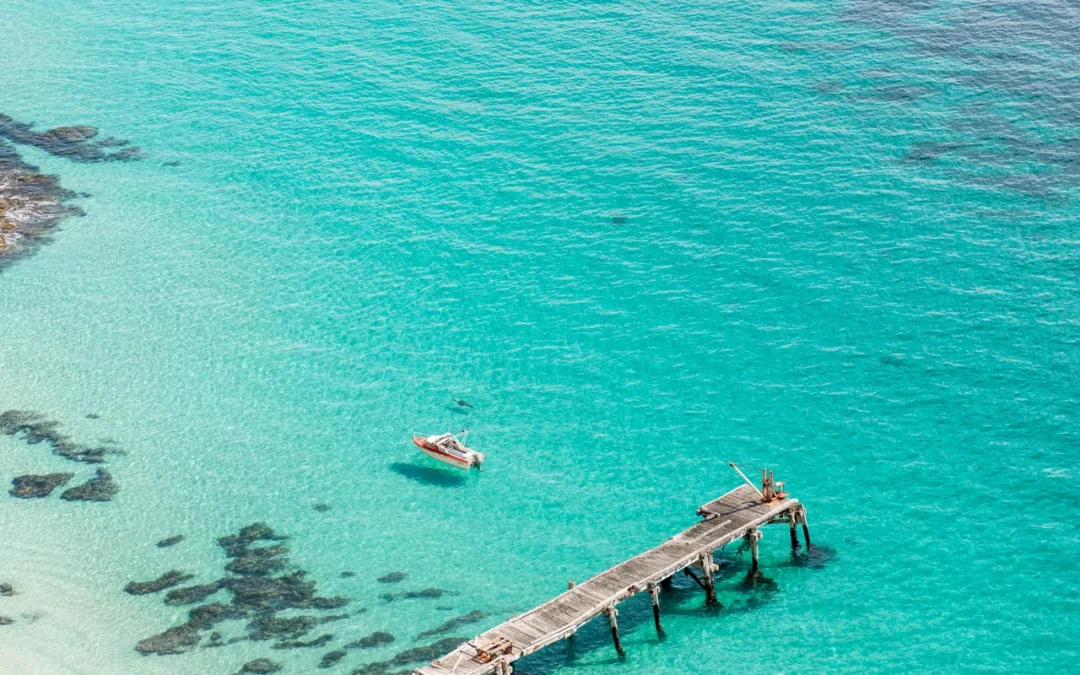
Getting closer to the Althorpe Island jetty

Approaching the island the sea is a distinctly strong turquoise colour, and the cliffs are very steep and rugged.

View of old Althorpe Island jetty
Old yellow shed on Althorpe Island jetty

An old storage shed on the jetty

Looking out to sea from the Althorpe Island jetty

The old jetty looks out towards a small fishing boat and Haystack Island in the distance

Climbing up old track of Althorpe Island

Climbing to the top of the island.

Looking down to the ocean Althorpe Island
Looking down from the old track Althorpe Island

Looking down.

A beautiful view from the top of Althorpe Island
View towards West Cape and cliffs along Innes National Park

View from the top of the island. You can see the south end of Yorke Peninsula and Haystack Island in the distance.

Old abandoned white cottage Althorpe Island
Three old lighthouse keepers cottages Althorpe Island
Ap a little closer white lighthouse keepers house

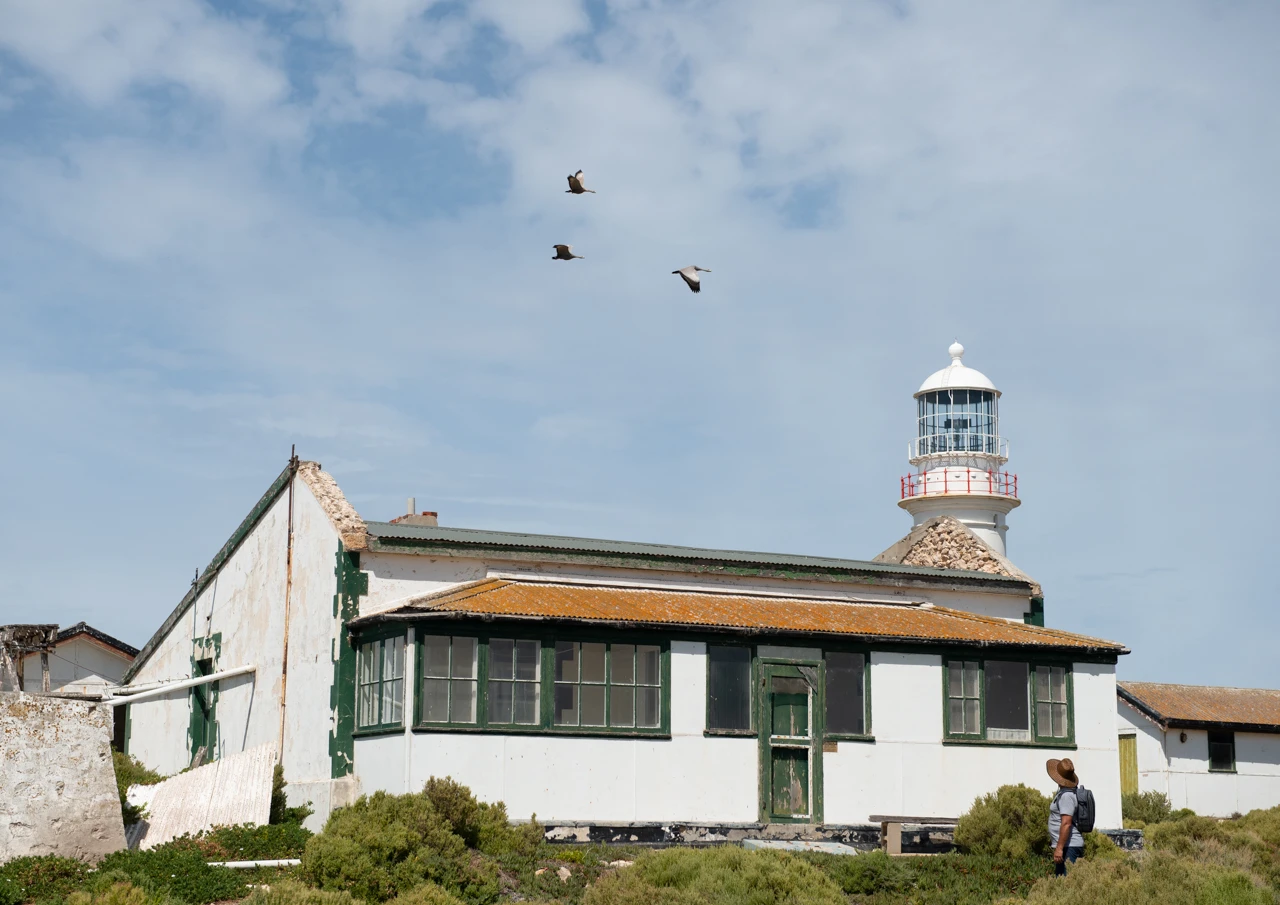
One of the old abandoned lighthouse keepers cottages and three Cape Barren geese flying over.

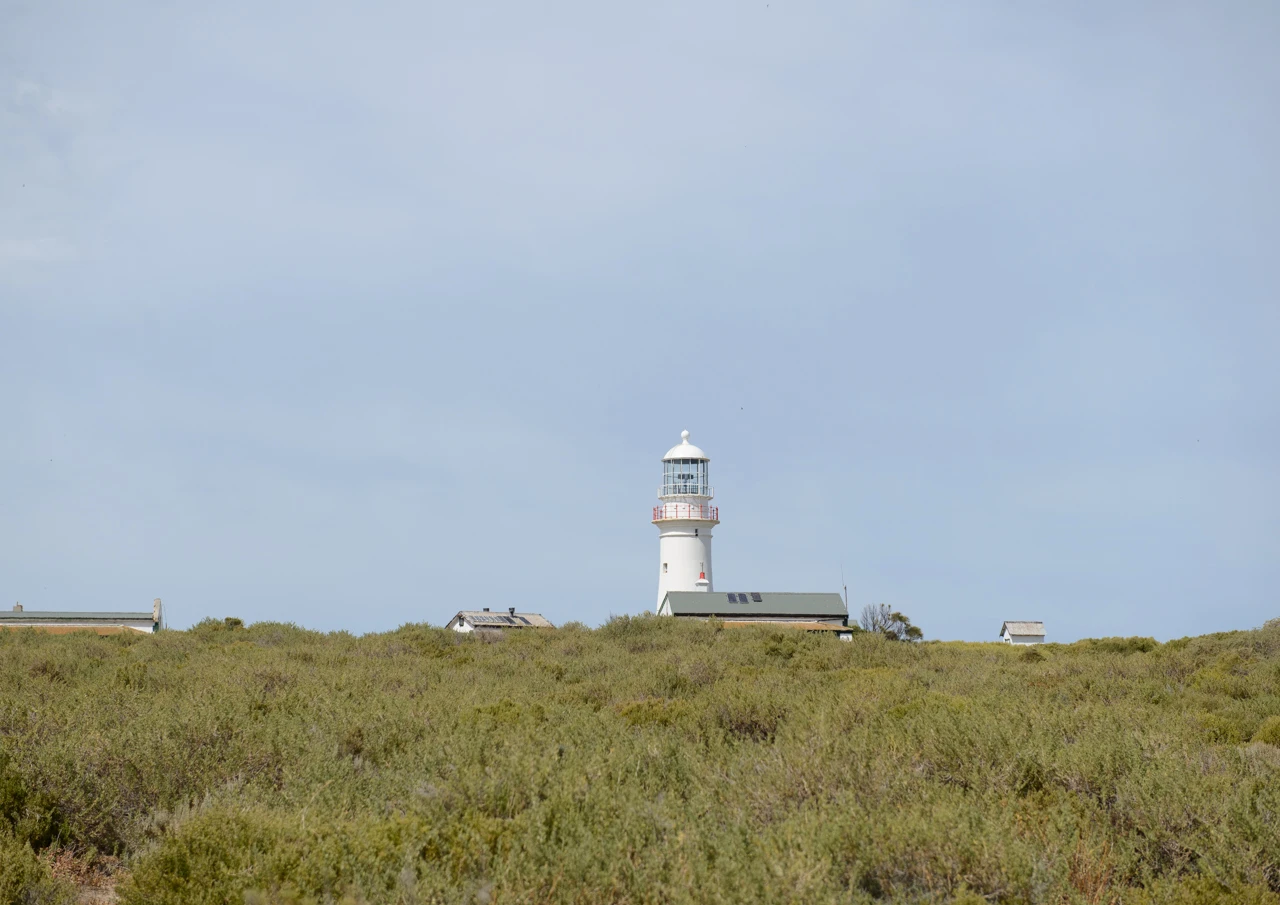
Althorpe light house Althorpe Island SouthAustralia
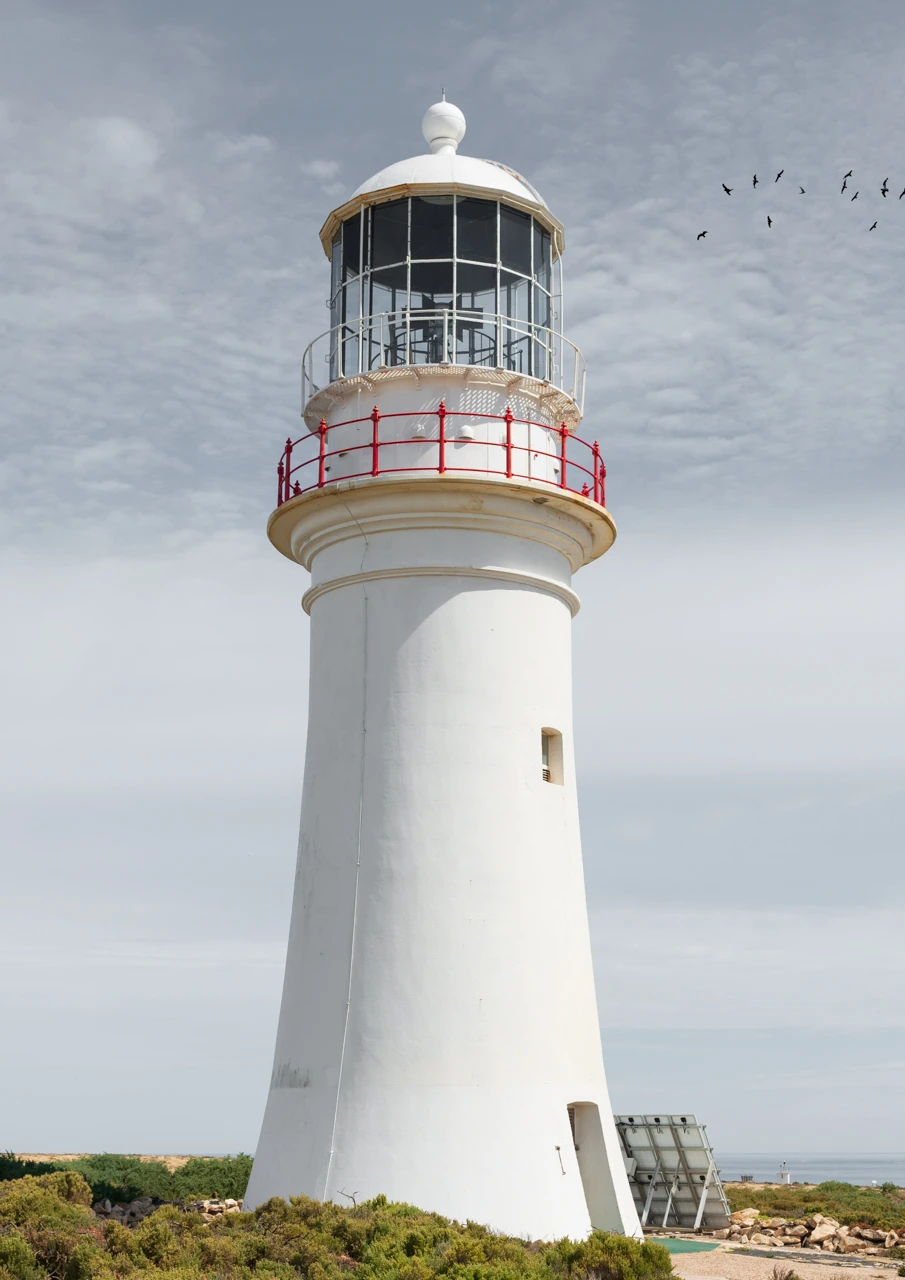
Althorpe Island white lighthouse

Lighthouse with some sea birds flying over. Very impressive

Up close an old door
Light house very close to houses
The furthest cottage Althorpe Island
More out house Althorpe Island
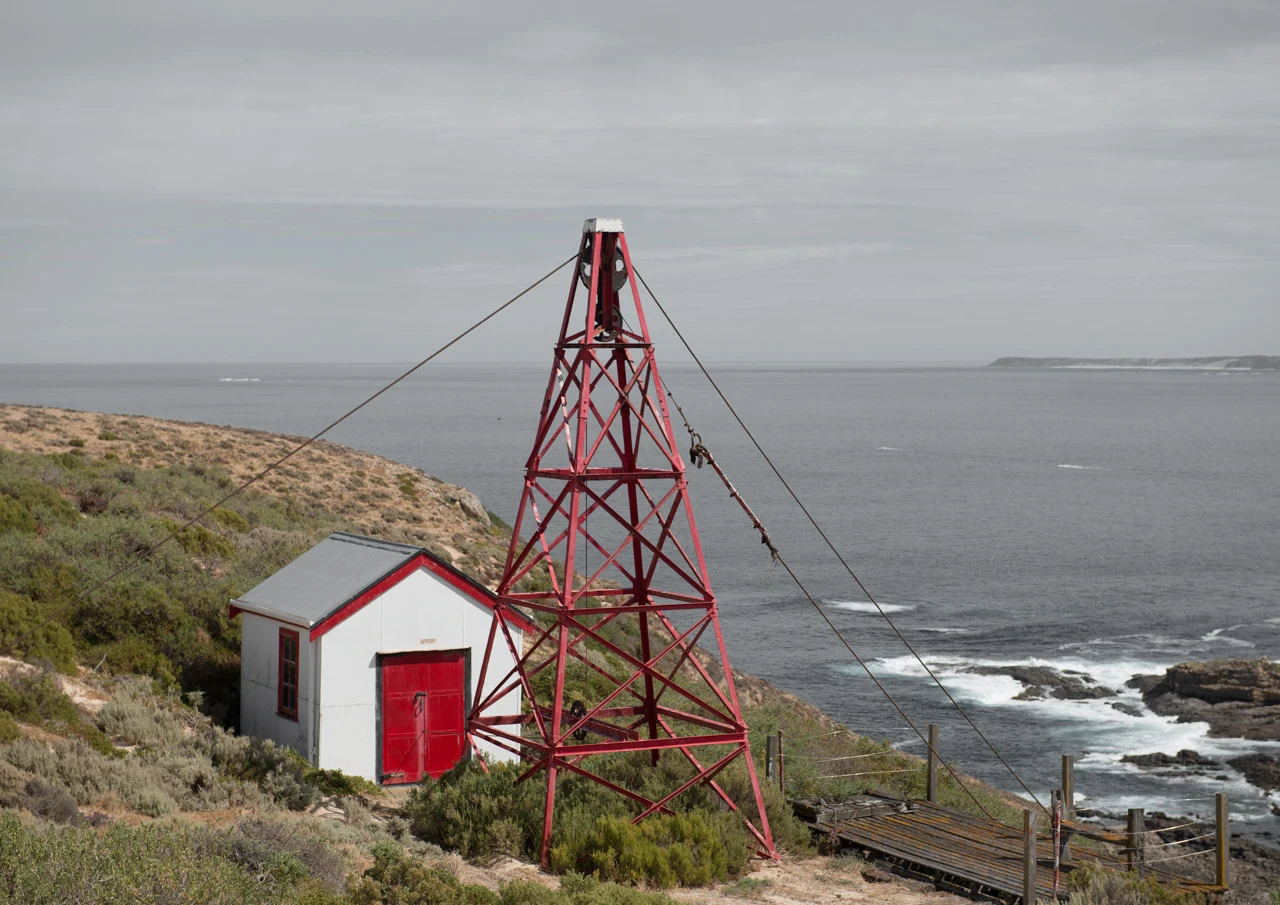
Red shed and pulley going down cliff face.

A pulley erected to transport materials and provisions up and down the cliff face.

Time to leave light house amongst the bushes

Looking back and a lot of over grown bushes. Mutton birds build nests and live concealed beneath much of the vegetation. Unfortunately we did not see any as the season was wrong for their nesting period.

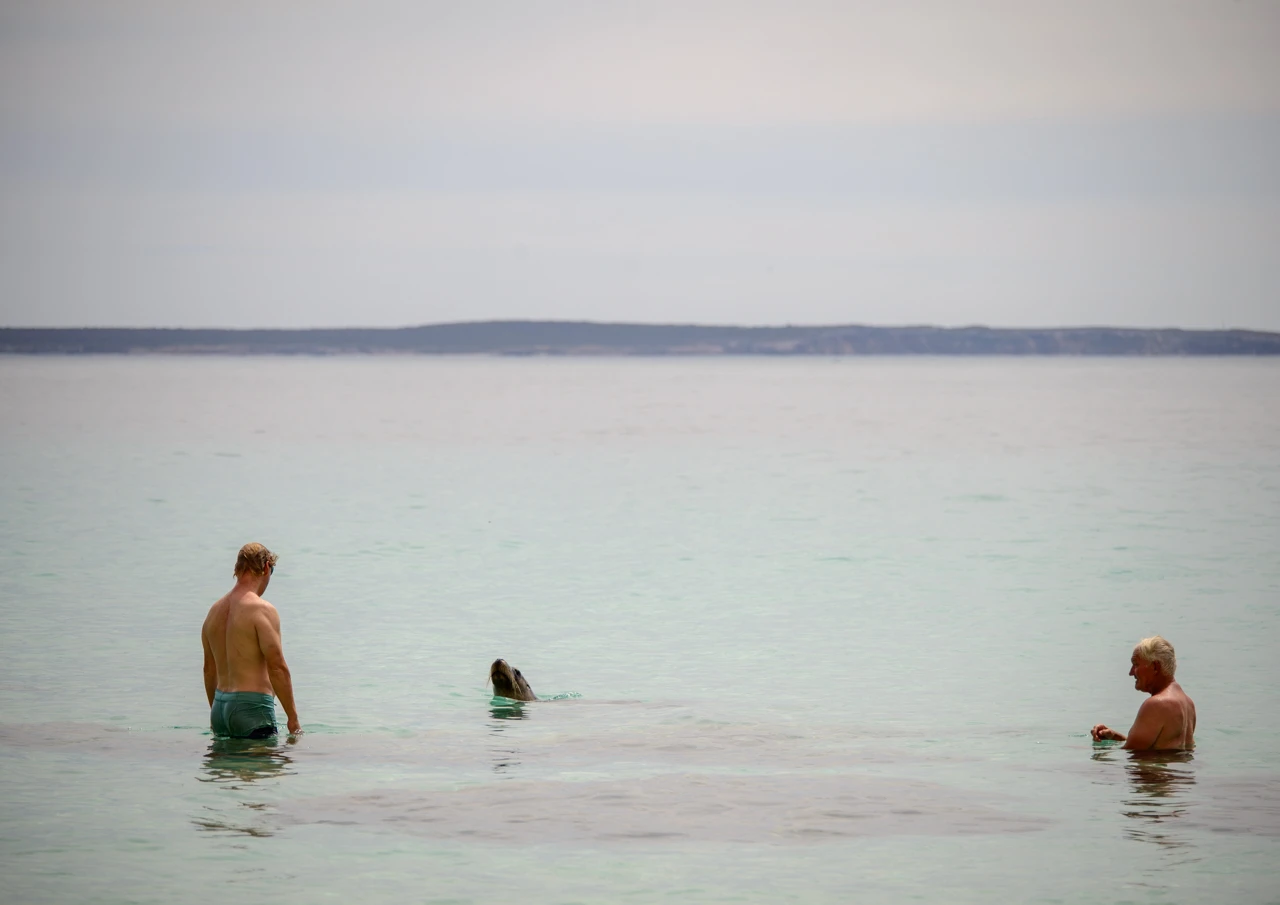
A visit from a sea lion as we swim back to our boats

A sea lion comes to say goodbye.

We have returned on only a few occasions to Althorpe Island. Twice to visit a small inlet at the back of Althorpe island, called Salmon Inlet and once on a calm New Years Eve a few years ago, to have a quick fun swim.

Actually the New Years Eve visit turned into quite an adventure. Three huge sea lions swam around our boat while we rested on the sandy shore. It took them some 45 minutes to head off out into the ocean and then this enabled us to swim back to our boat.

We were not game enough to swim with these enormous looking sea creatures. But certainly another adventure to add to the collection.

All images taken by Wendy Philip. No AI generated images.