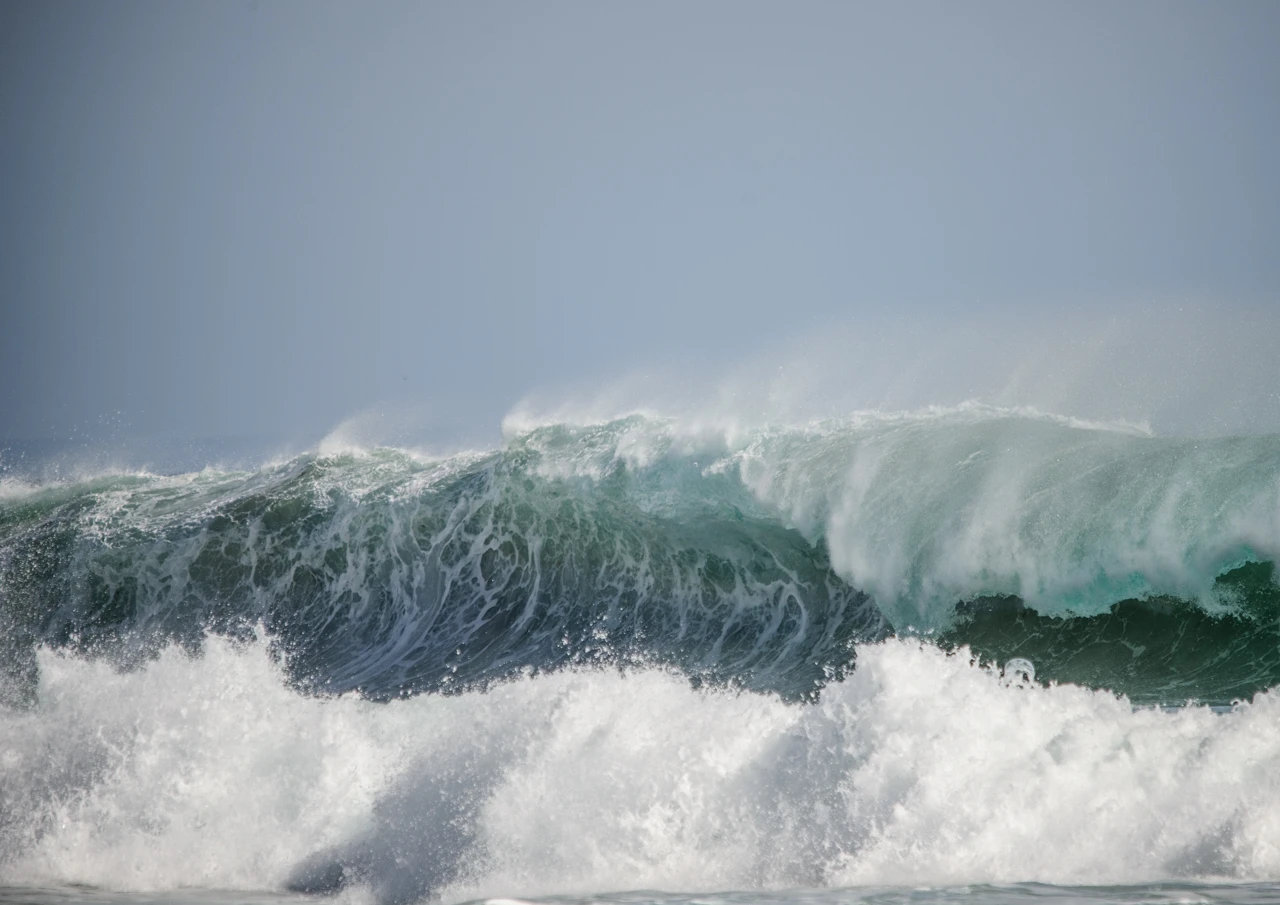
Winter in Marion Bay Yorke Peninsula

Winter in Marion Bay Yorke Peninsula
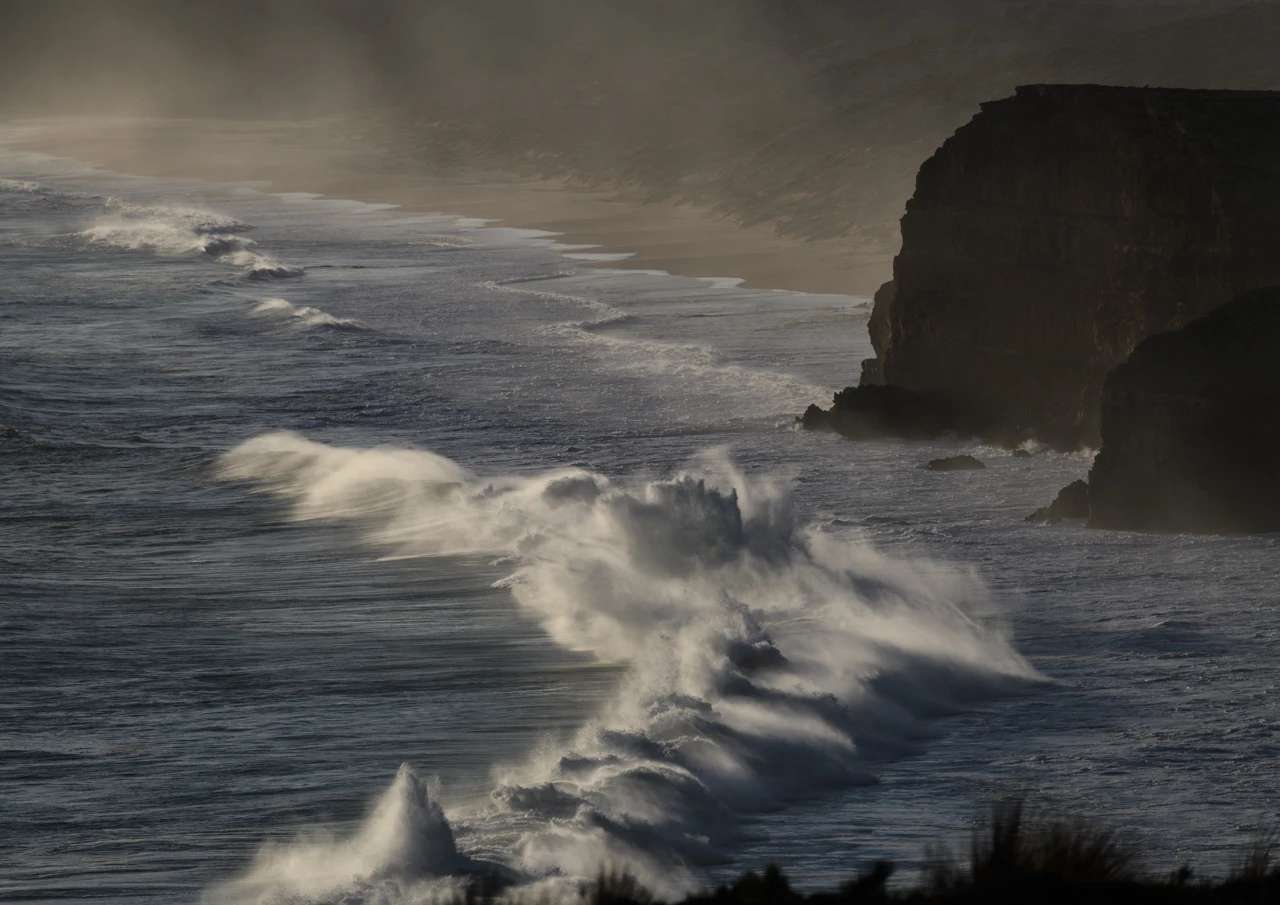
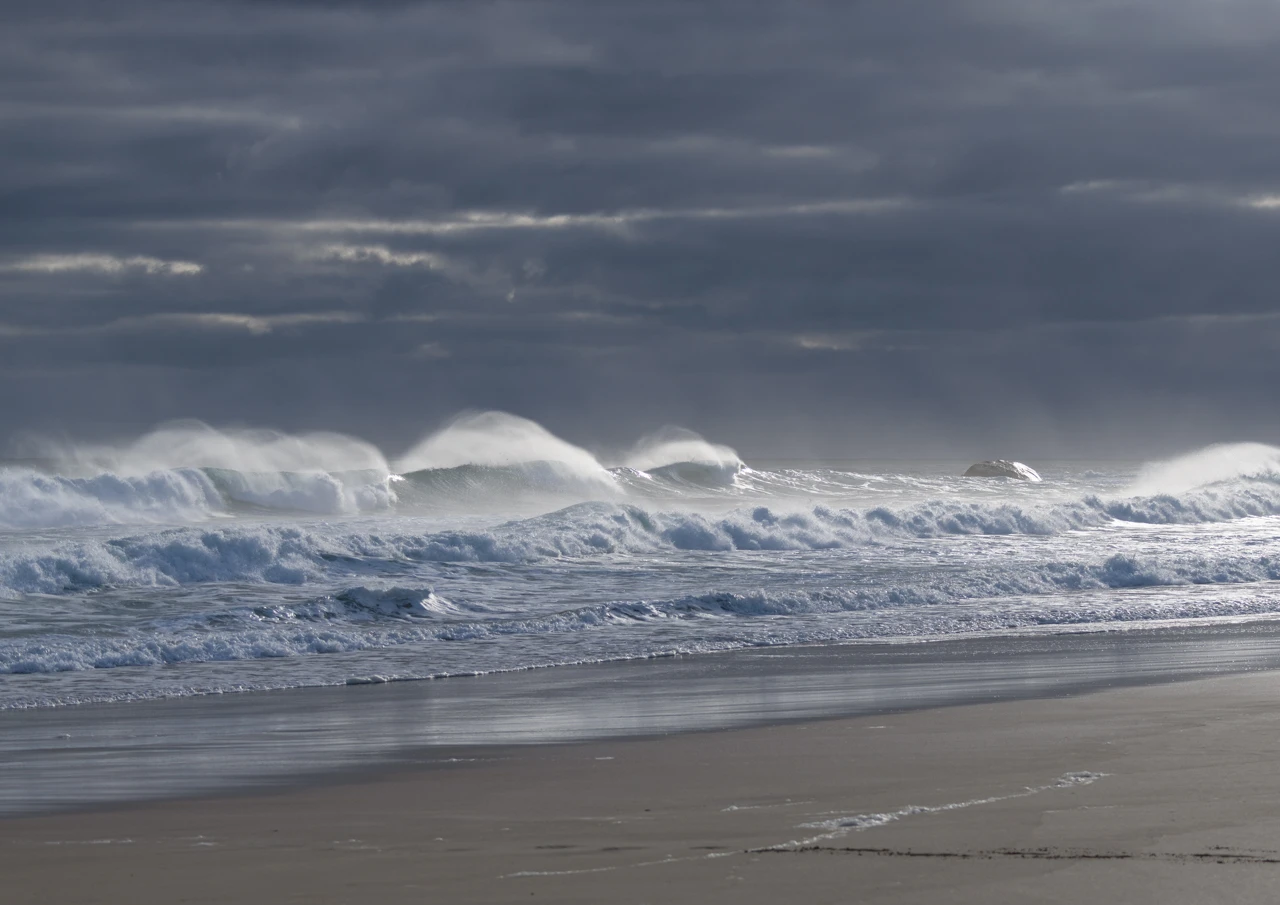
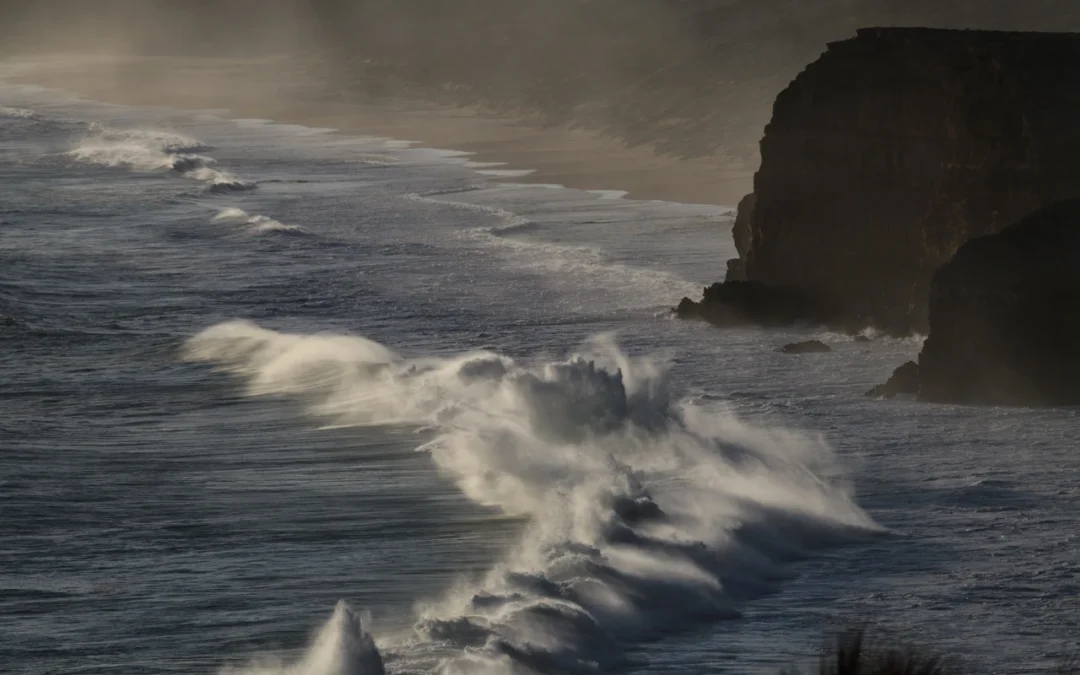
Waves roll into Ethel beach Yorke Peninsula

Winter in Marion Bay 2026


It has been an extremely wet and dismal winter. But the farmers are rejoicing as their crops are some of the best they have ever had.

We have spent most of our time indoors and fishing trips have been very limited. Yorke Peninsula can be buffeted daily by strong winds, so this increases the chill factor. We did mangage to go out fishing on one occasion and it happened to be a very grey day. When we got home I had got so cold I think it took me several hours to warm up.
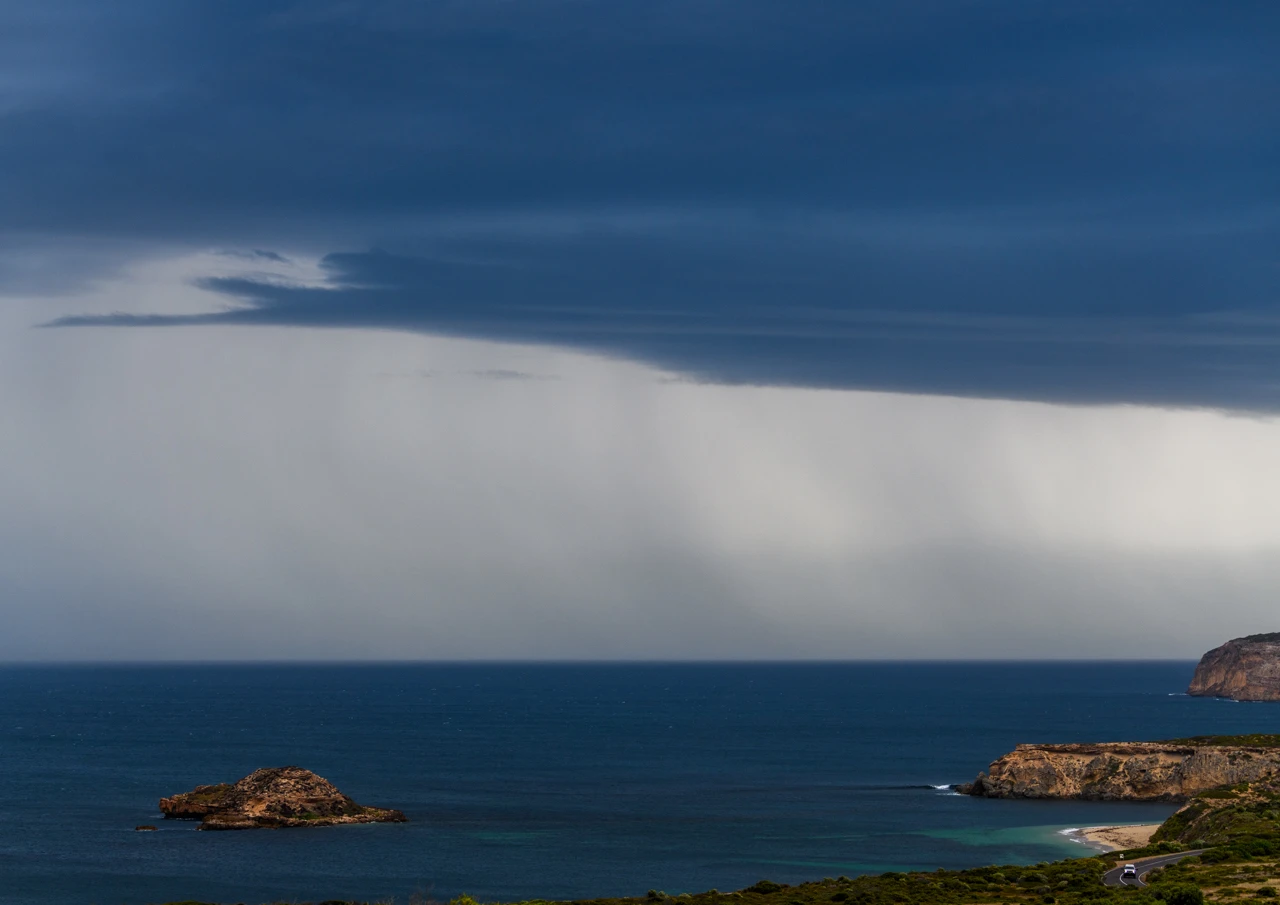
Innes National Park and stormy clouds on the horizon
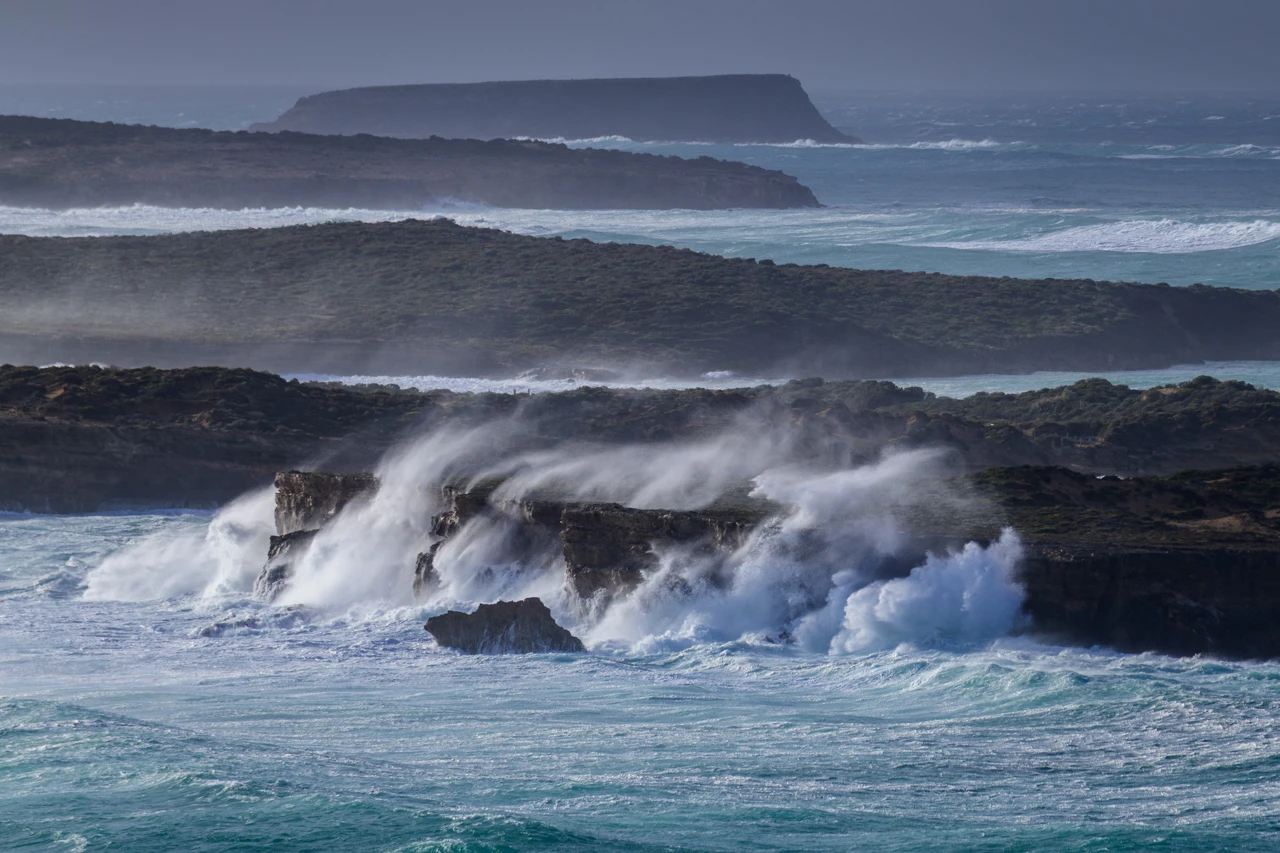
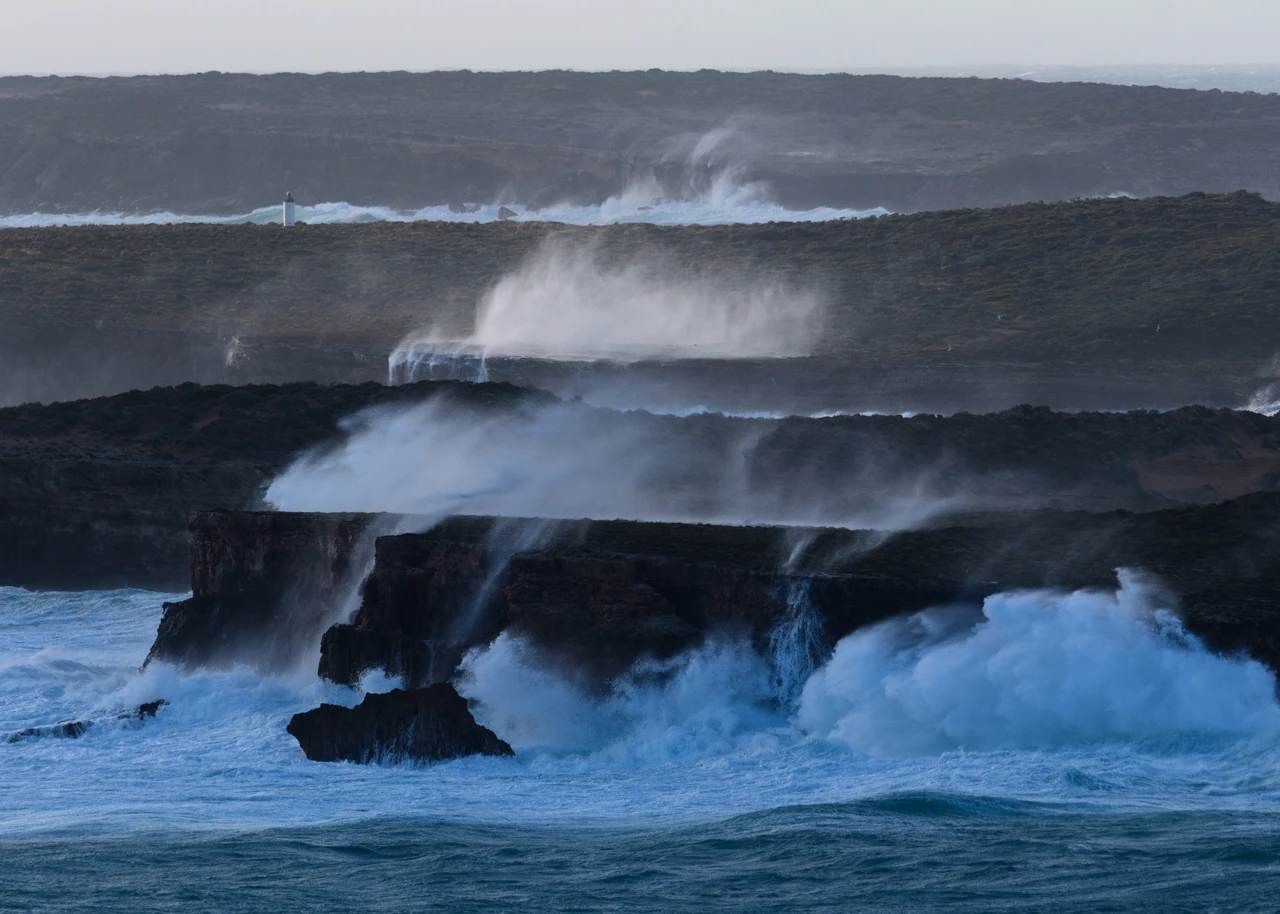
Pondalowie cliffs and extreme wind conditions
Wild weather at Pondalowie cliffs Innes National Park

The wind can be very strong and when a big swell is running. The Pondalowie cliffs look spectacular. We have taken these shots from up on the hill. If you were to venture down to the Pondies cliffs in this weather, you would just get absolutely soaked in seaspray.
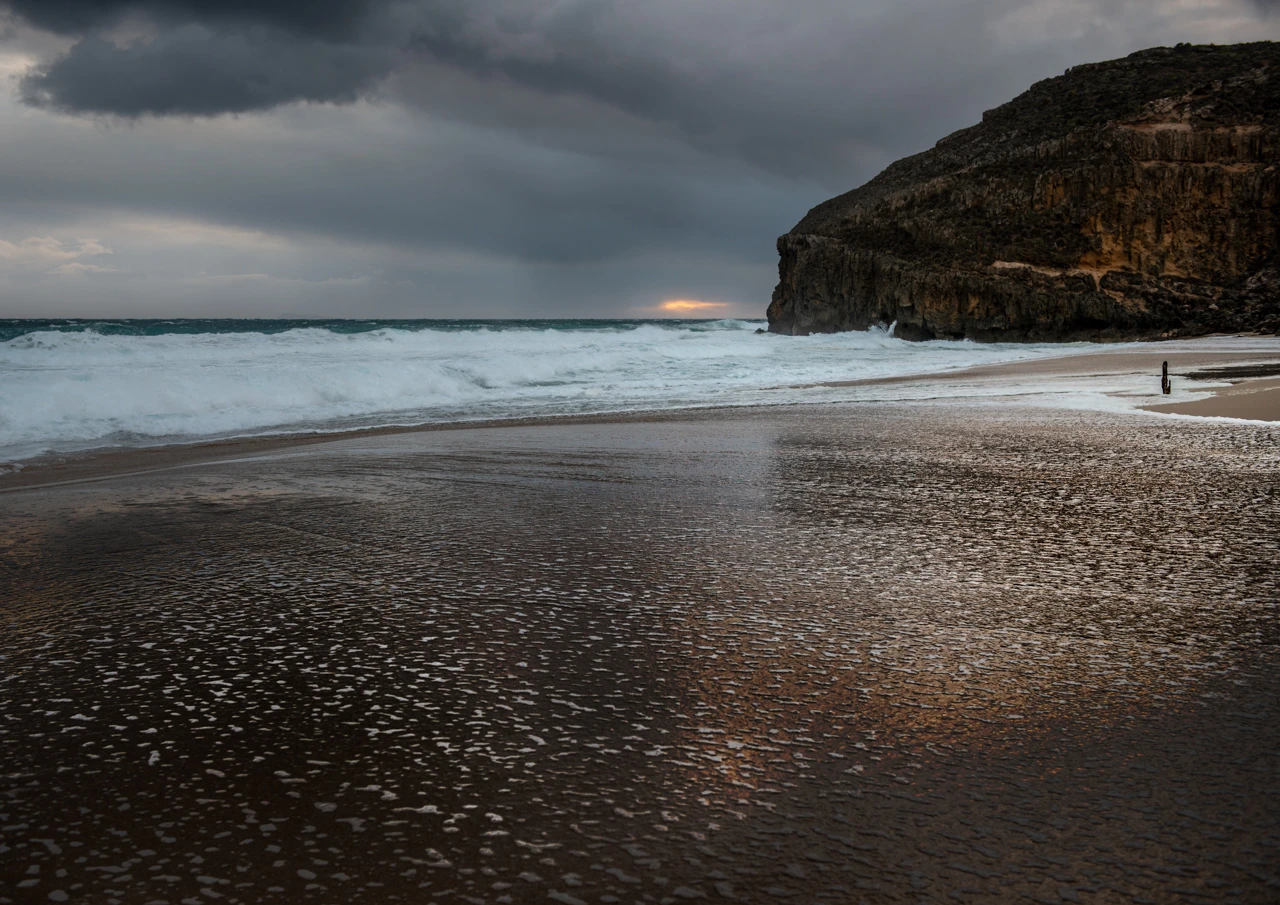
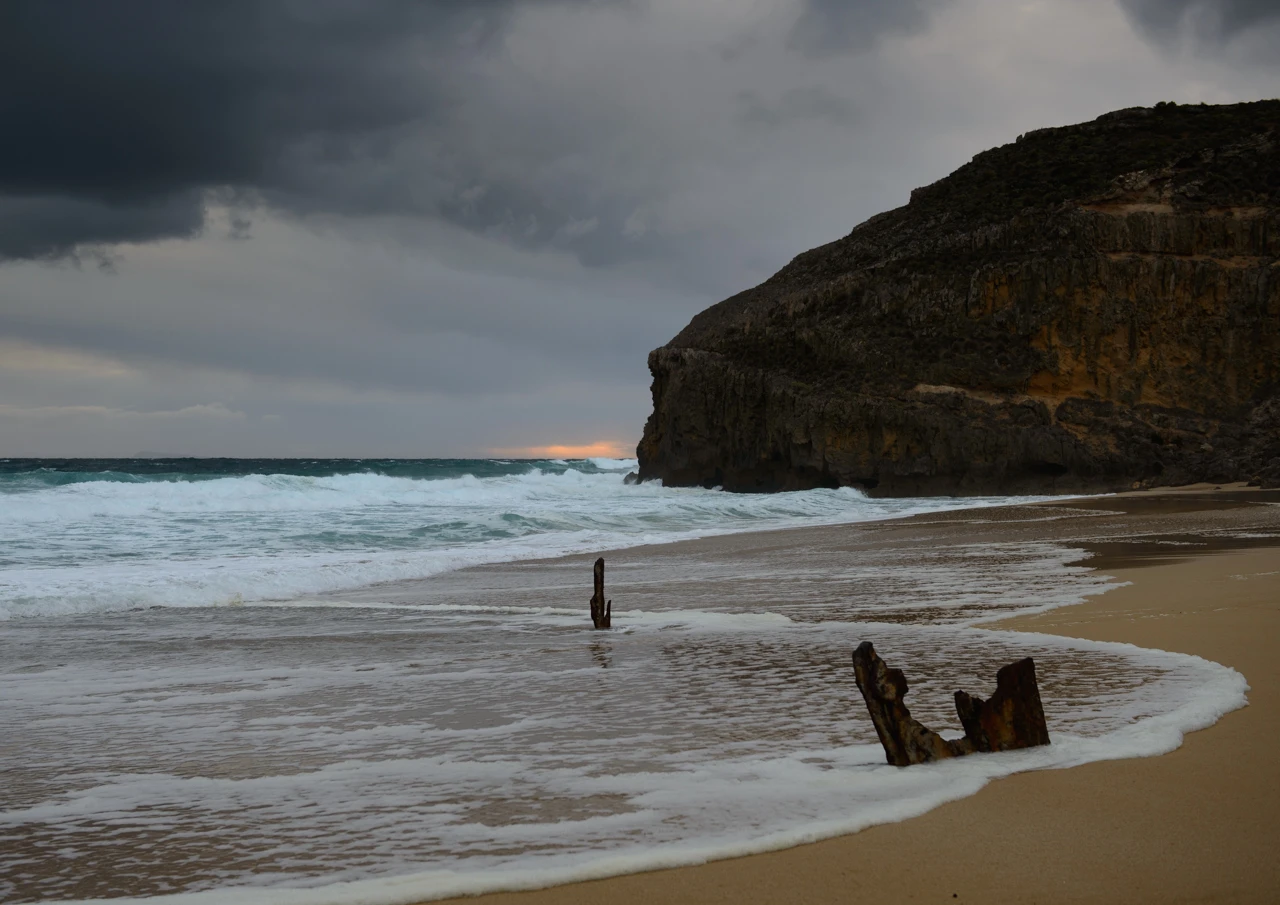
Ocean waves stream in. Ethel beach cliffs
Ethels winter sun and dark clouds Yorke Peninsula
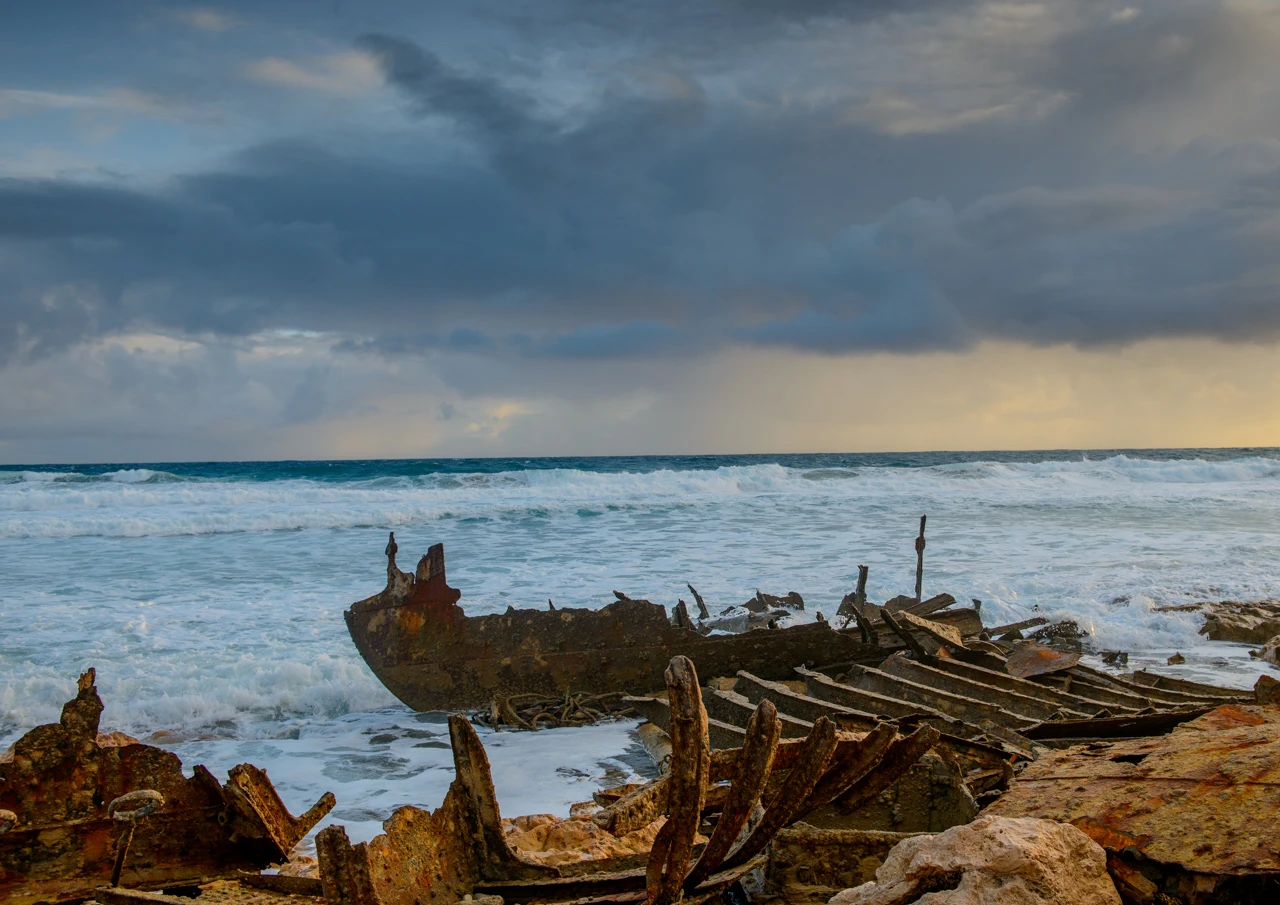
Ethel shipwreck on a stormys day

The remains of the Ethel shipwreck. Tons of sand has been washed out and the shipwreck is quite exposed. Come summer and tons of sand will wash back in and almost cover the shipwreck.
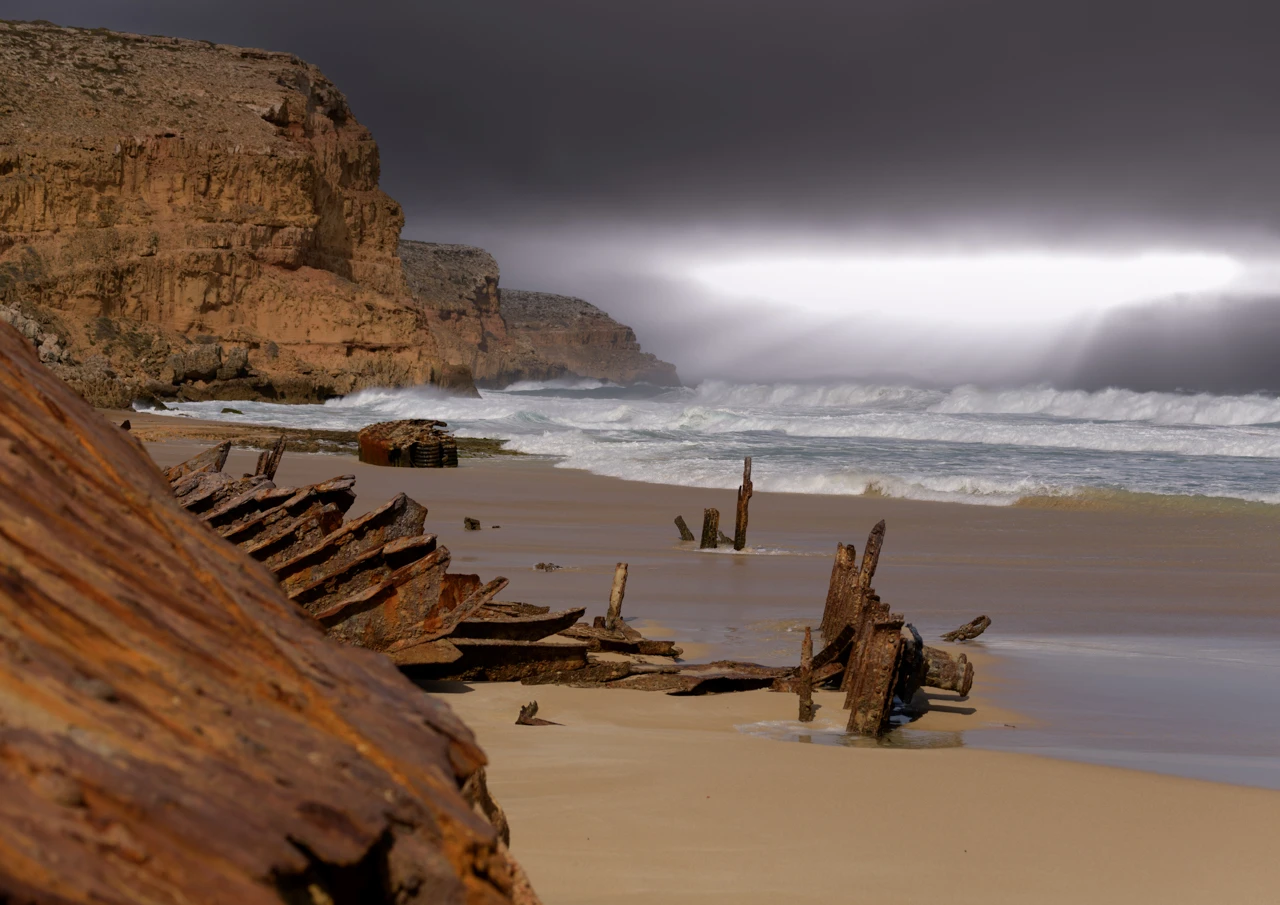
Ethel wreck from the other side of the beach
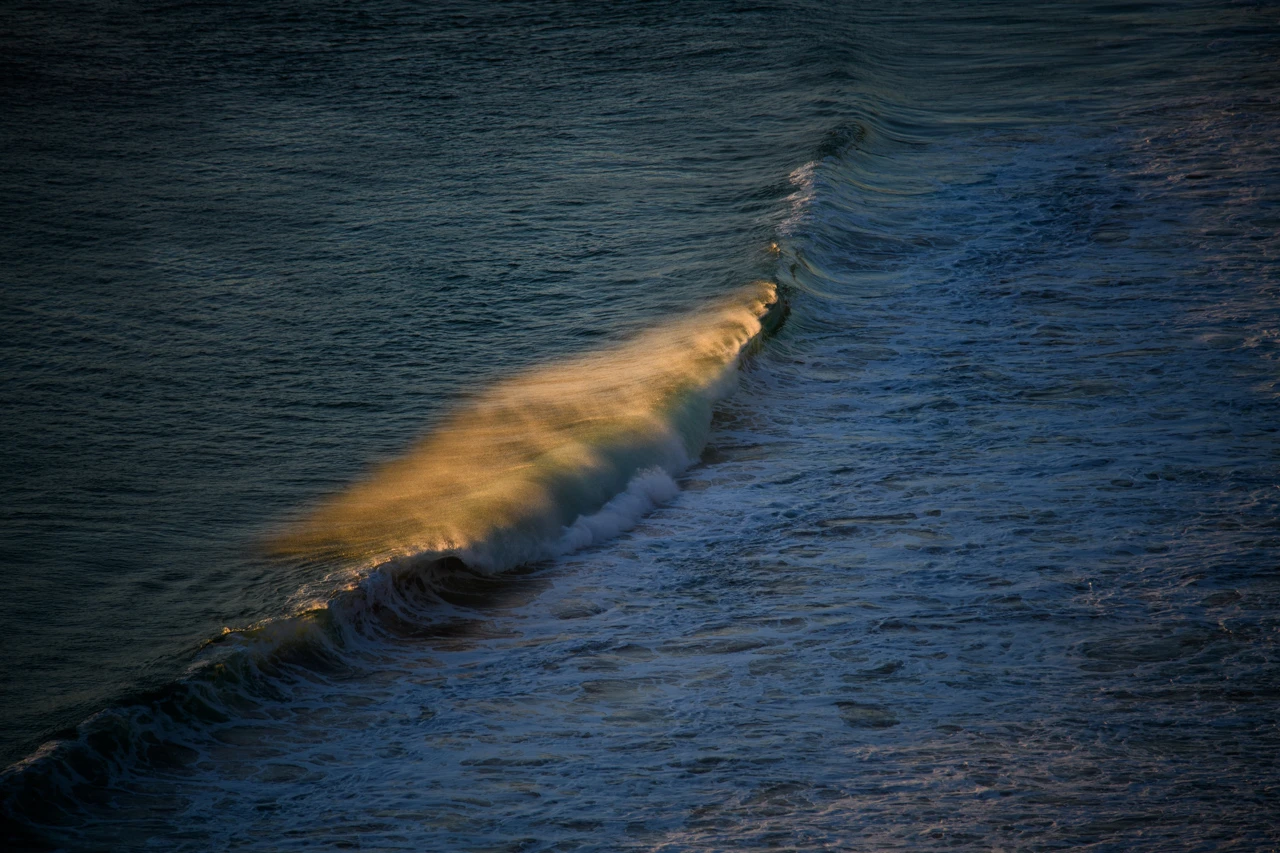
Waves keep rolling in over winter
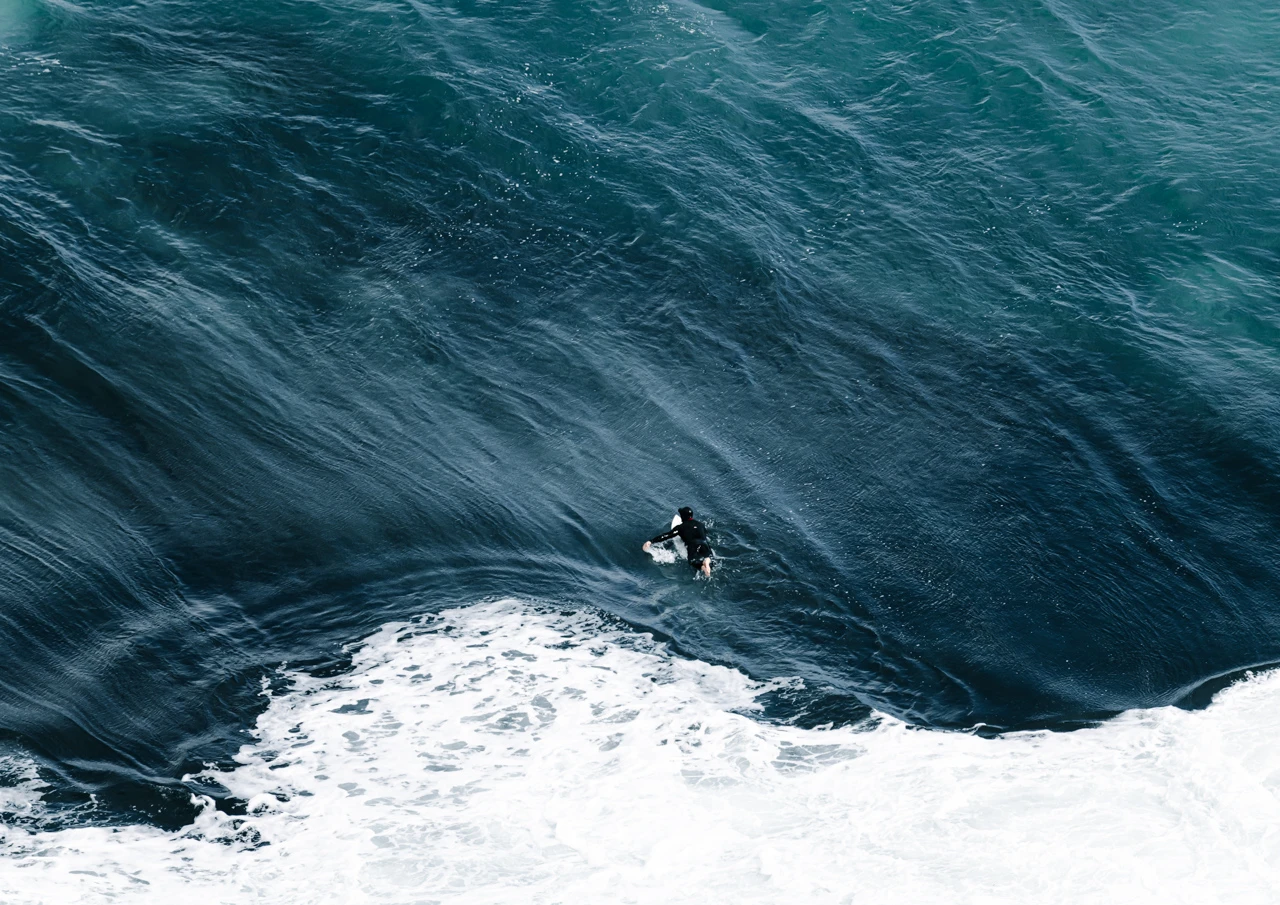
The surfer well covered in winter wet suit
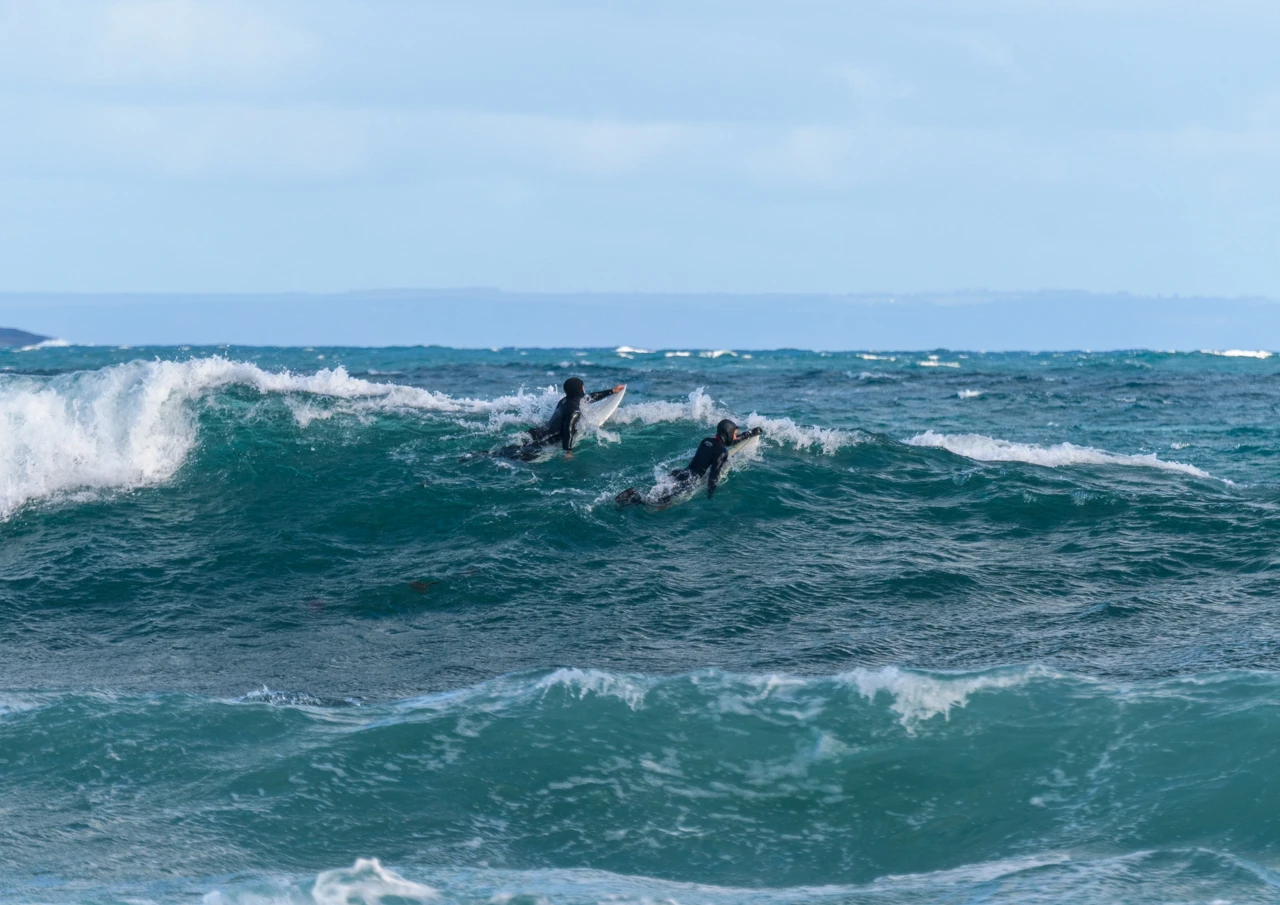
Two surfers going over a wave

Surfers going over some wild waves. Not the best conditions but sometimes its worth it just to get wet.
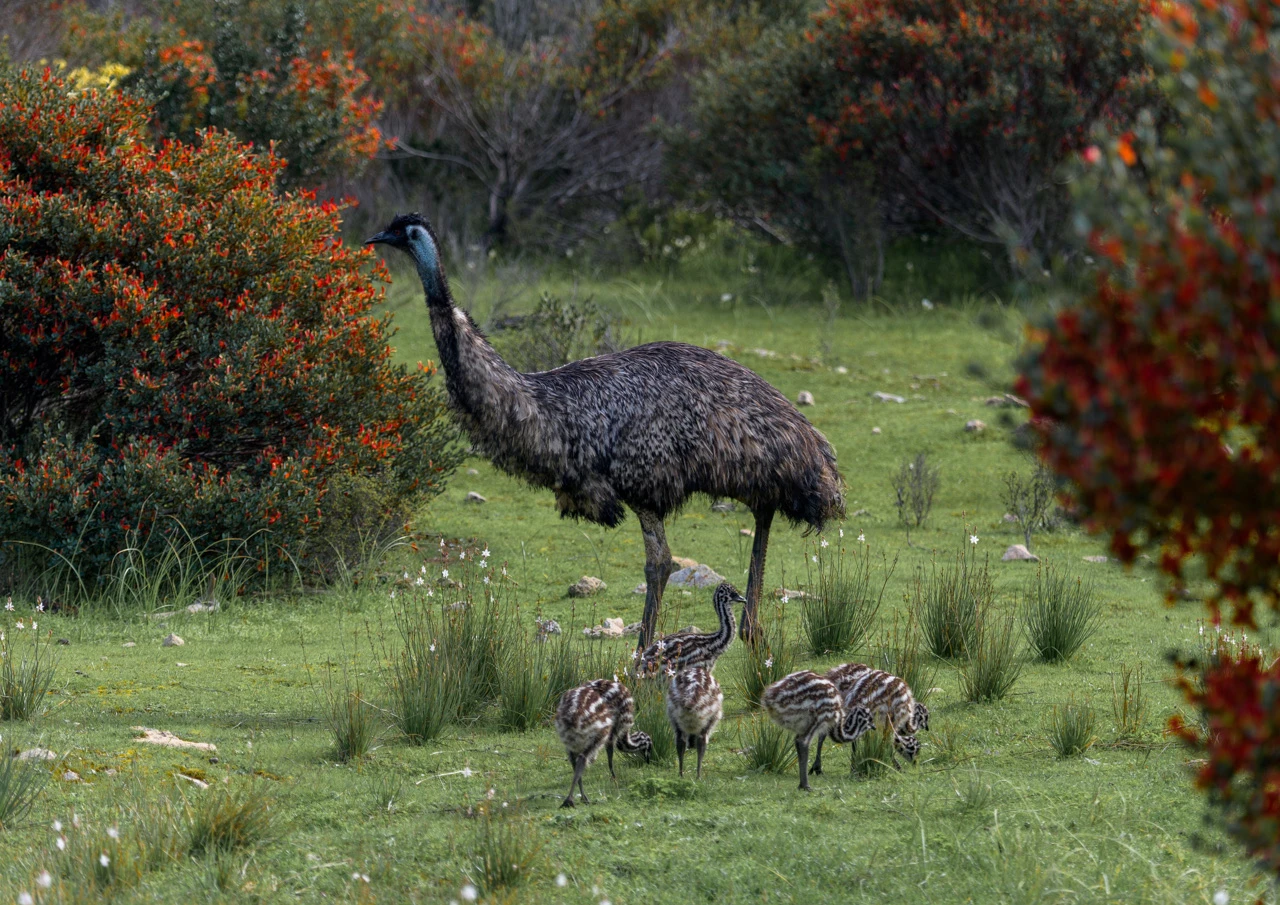
Baby emus come out over winter

The baby emus appear at the end of August, early September. We love watching them grow and get used to the nosey tourists always stopping to photograph them. Not me of course!!! The red bushes are everywhere at the moment, spring is trying to arrive with flowers just starting to appear. Winter could be on the horizon and this will be most welcome
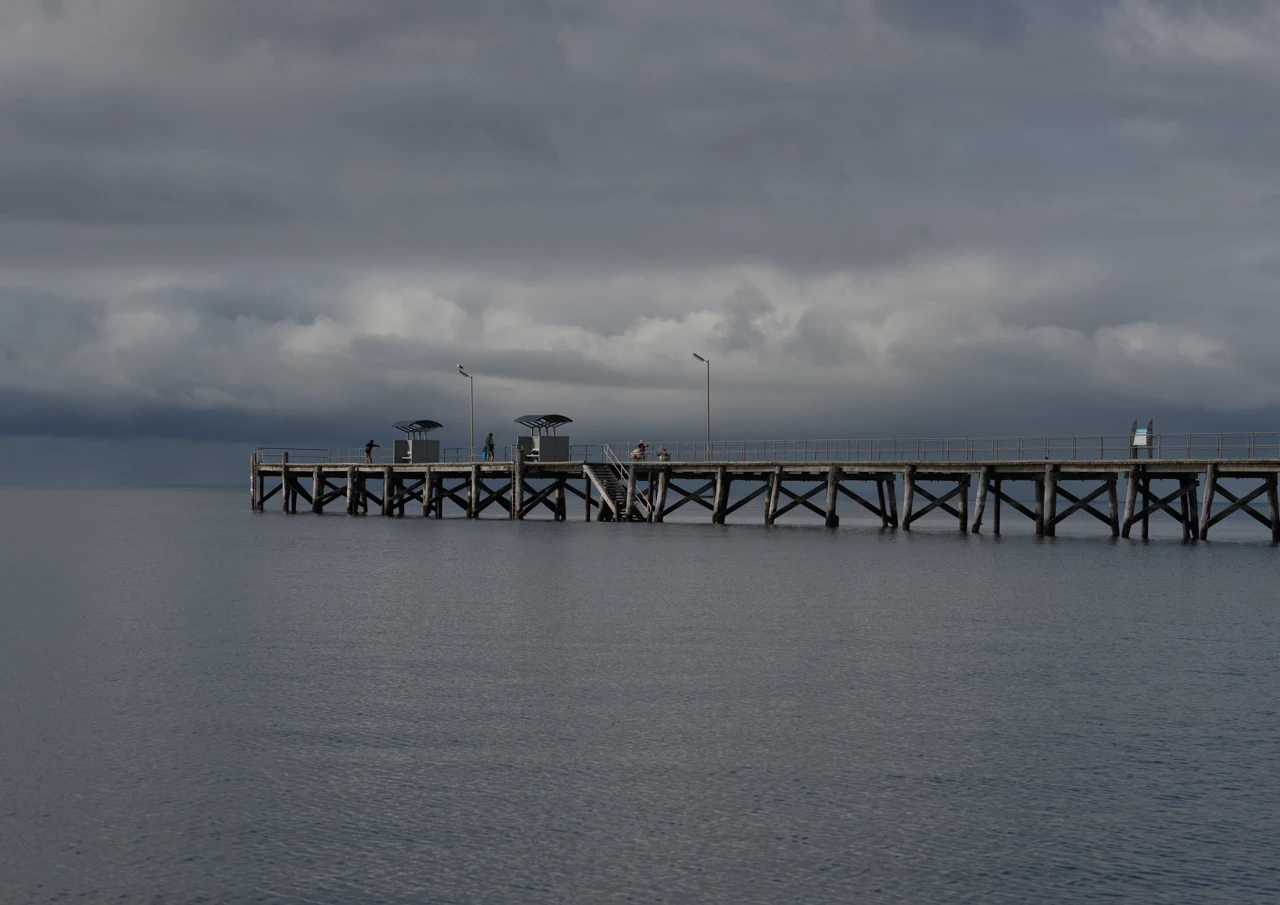
Marion Bay jetty very grey and cool day

Marion Bay jetty with only a handful of tourists. Later on in the winter  there was nobody on the jetty as catching squid was not allowed till summer. I think this was due to the algae bloom outbreak during last summer.
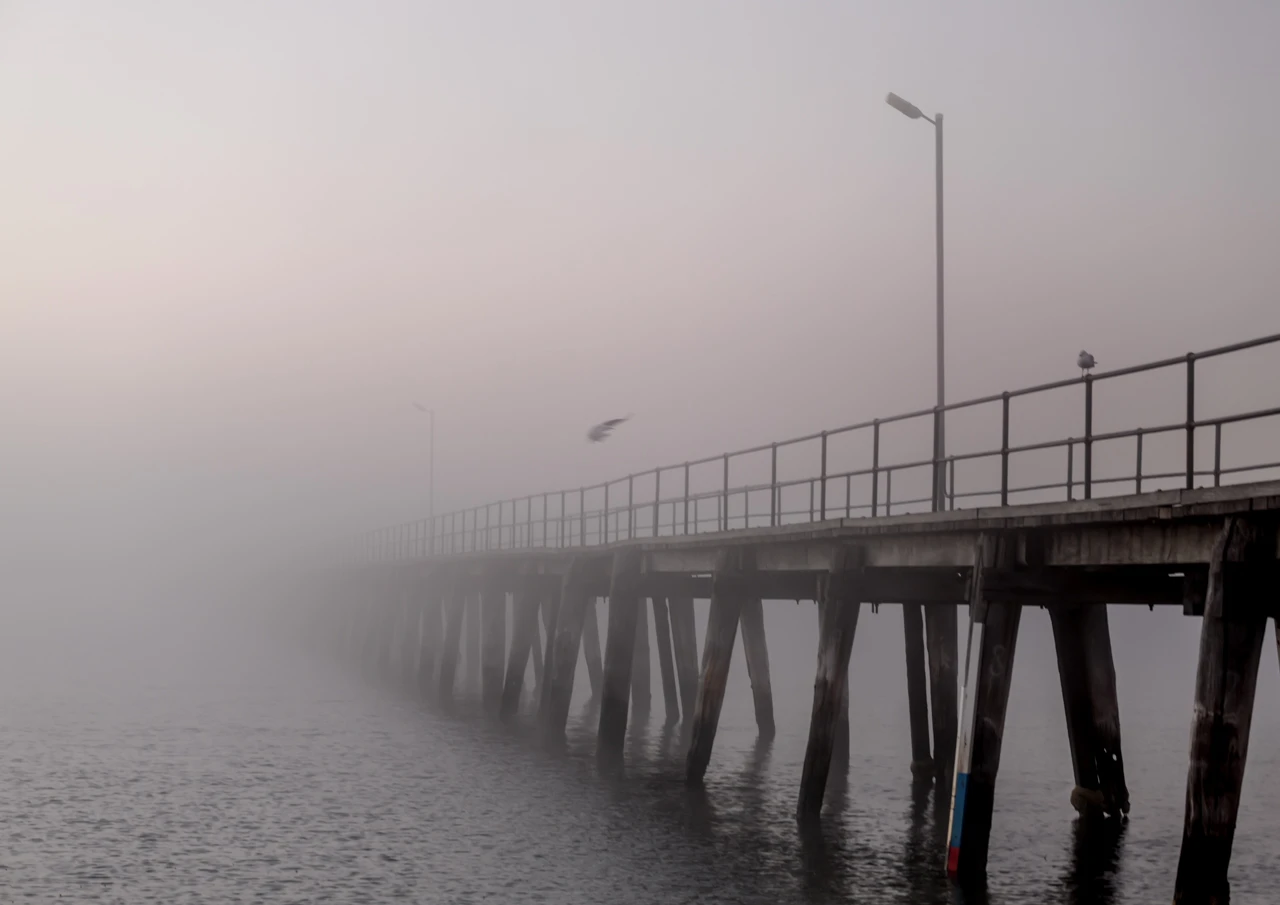
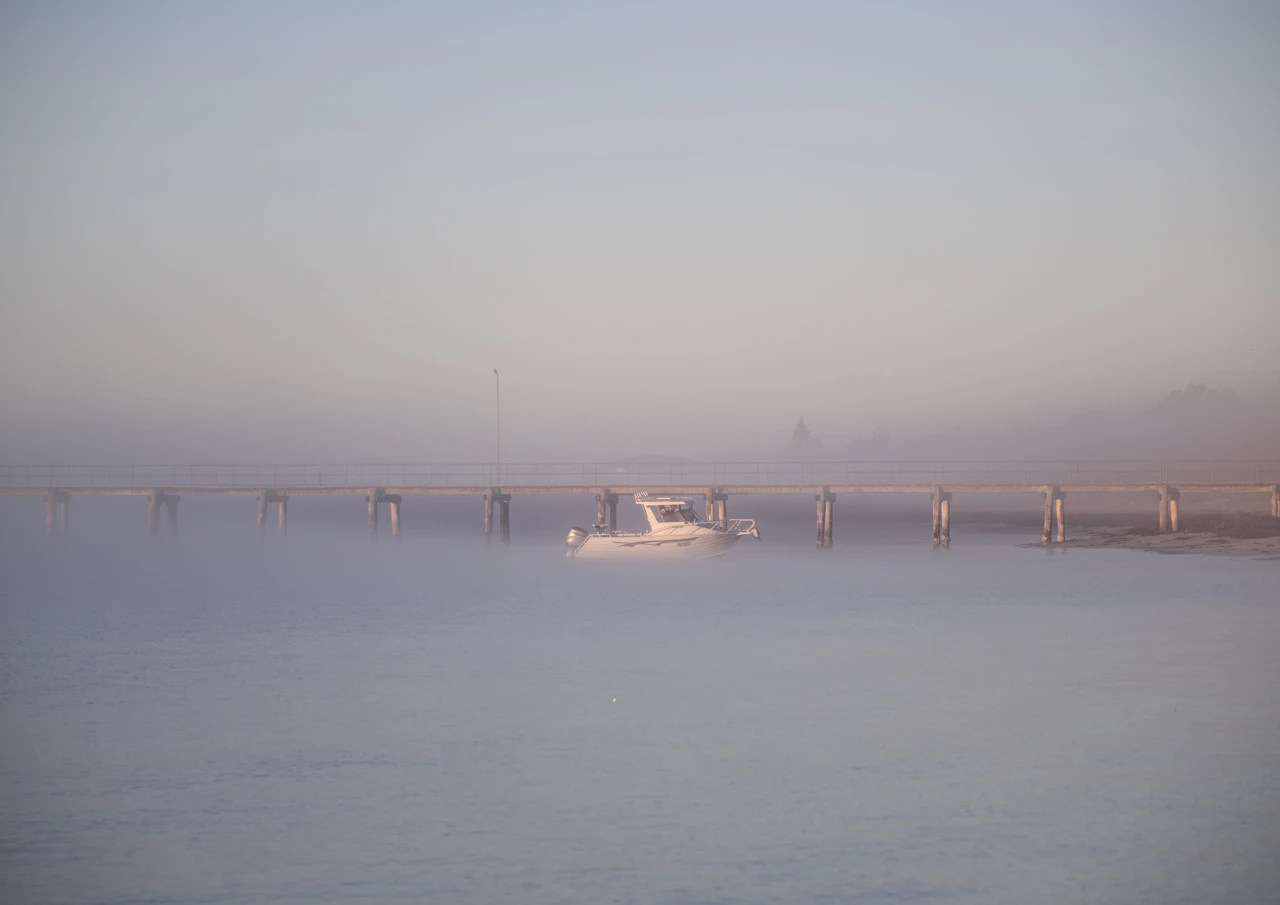
Marion Bay jetty often foggy
Fishing boat leaving in the morning fog

We have a few foggy days when the wind decides not to blow. Oooo  the serenity of a calm day!
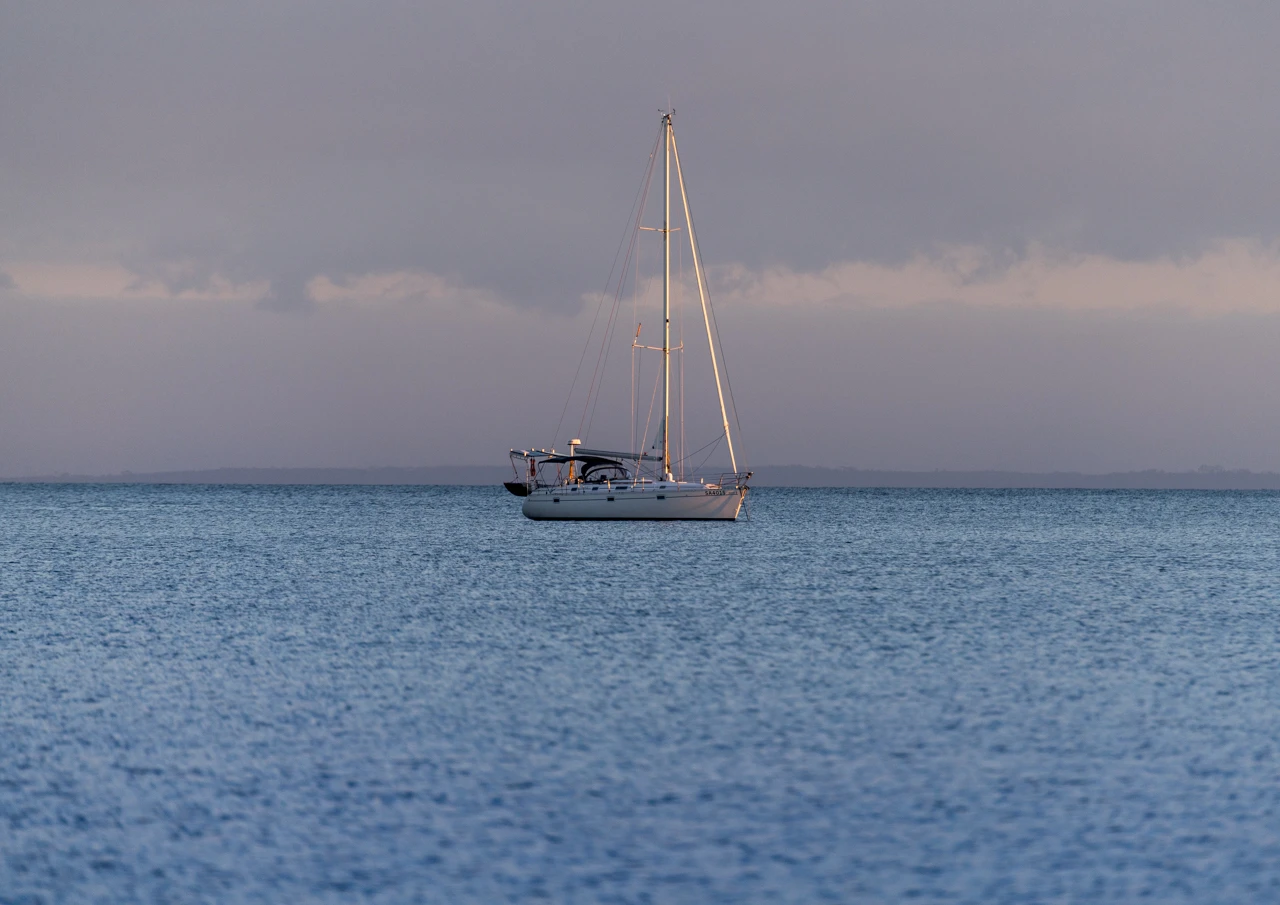
Yacht moored at Marion Bay

Only a few yachts over winter, just the brave souls who enjoy a bit of a challenge.
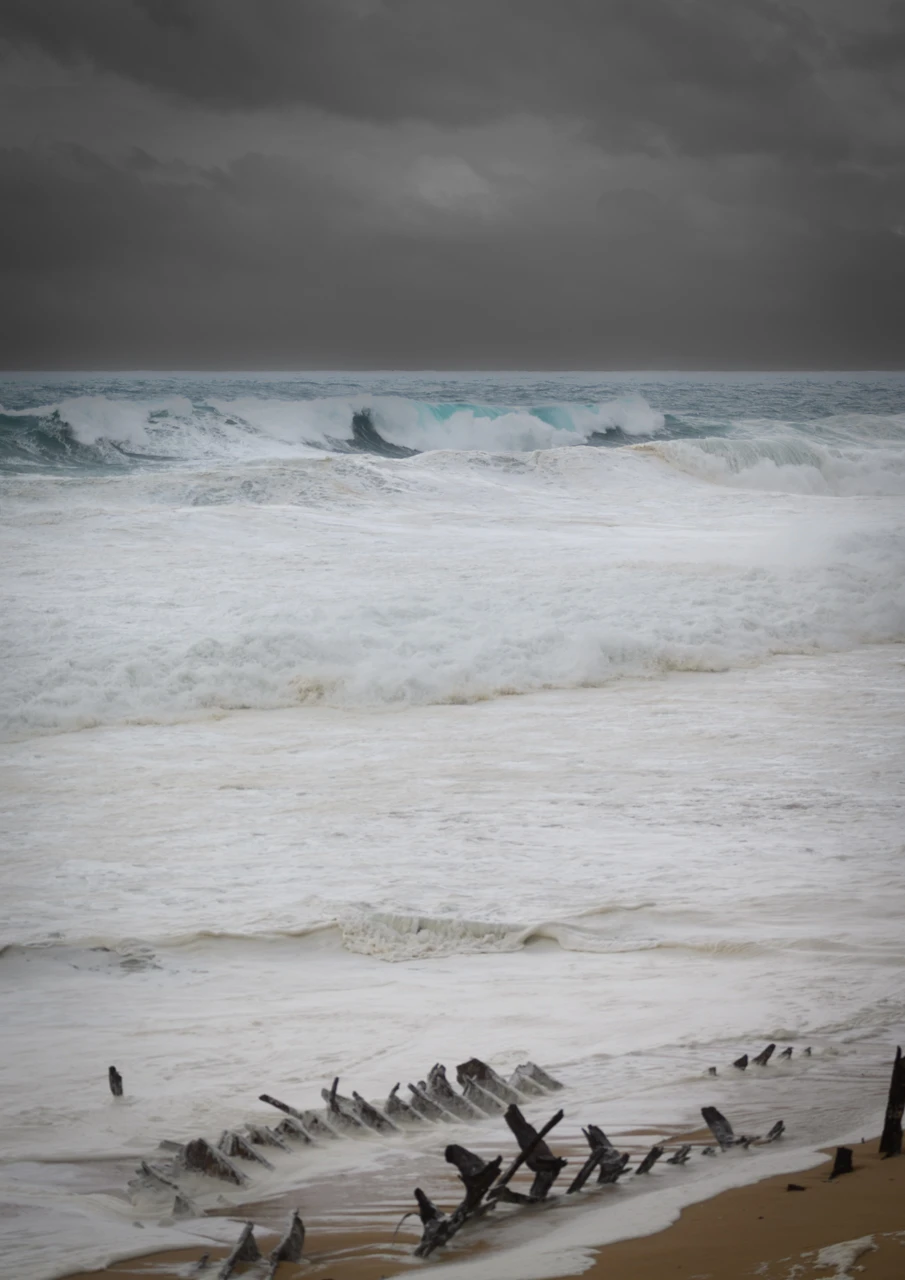
Foam washes on to the shore.

Foam washes on to the shore. Normally a sandy sunny spot!
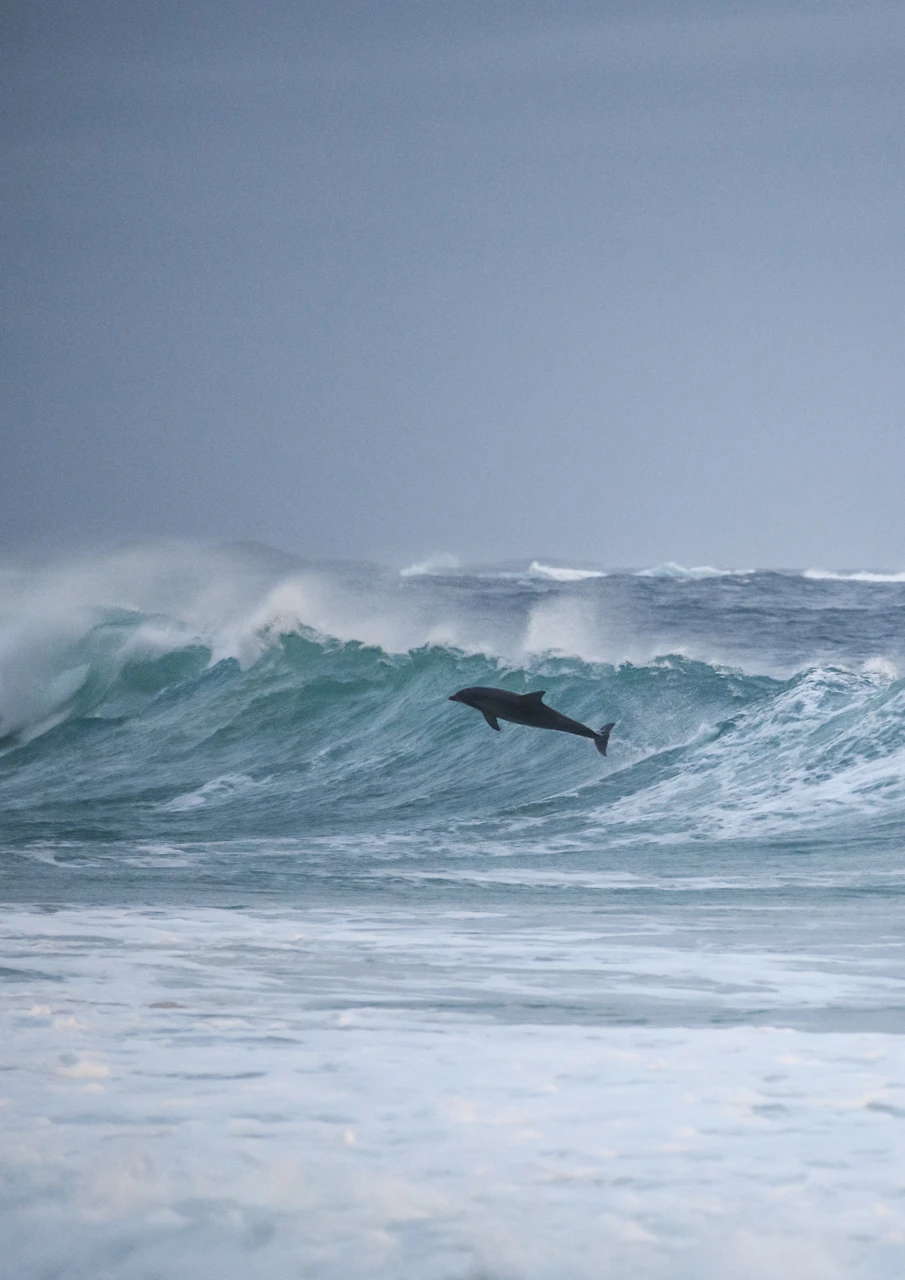
Dolphin leaps out of the wave
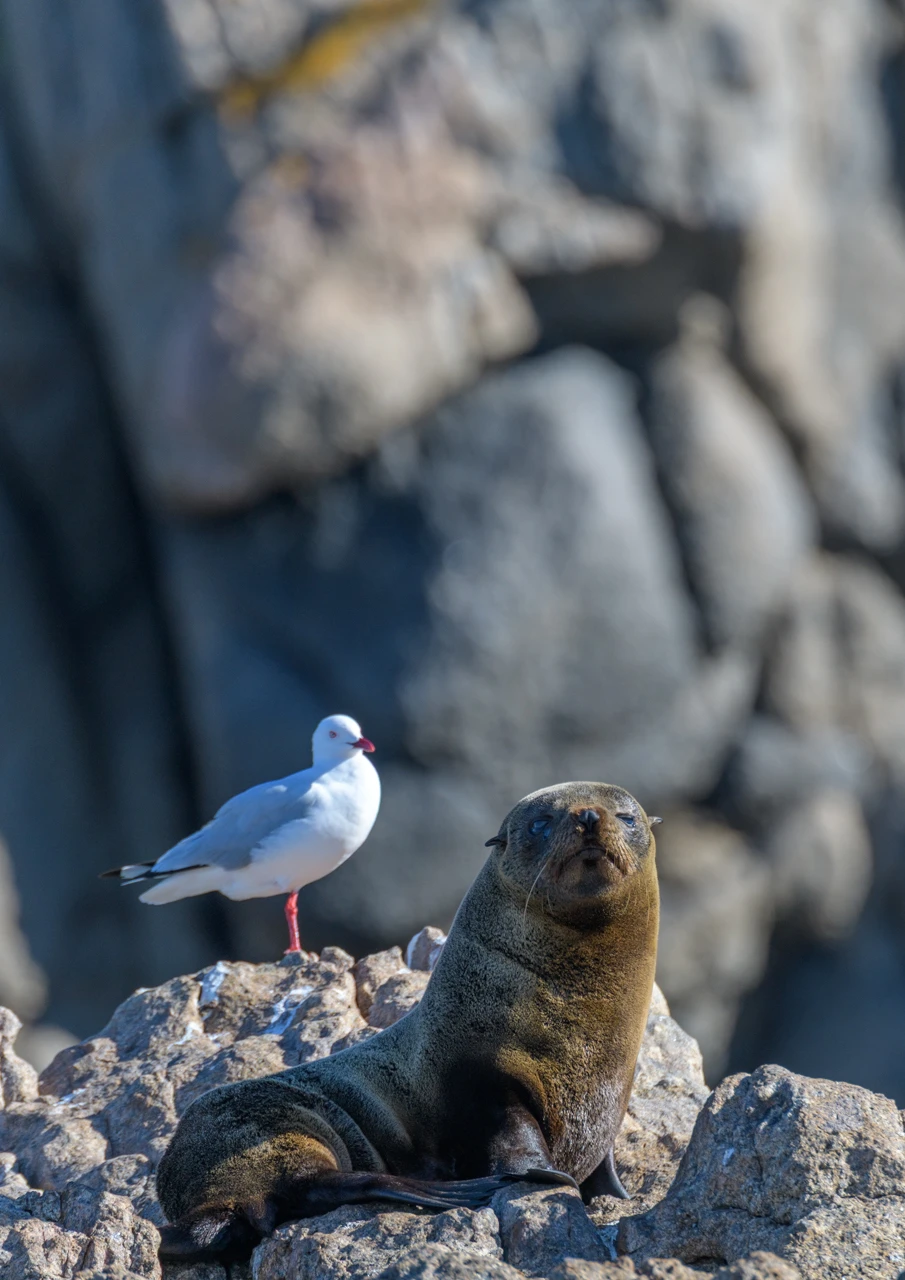
Seal and sea gull
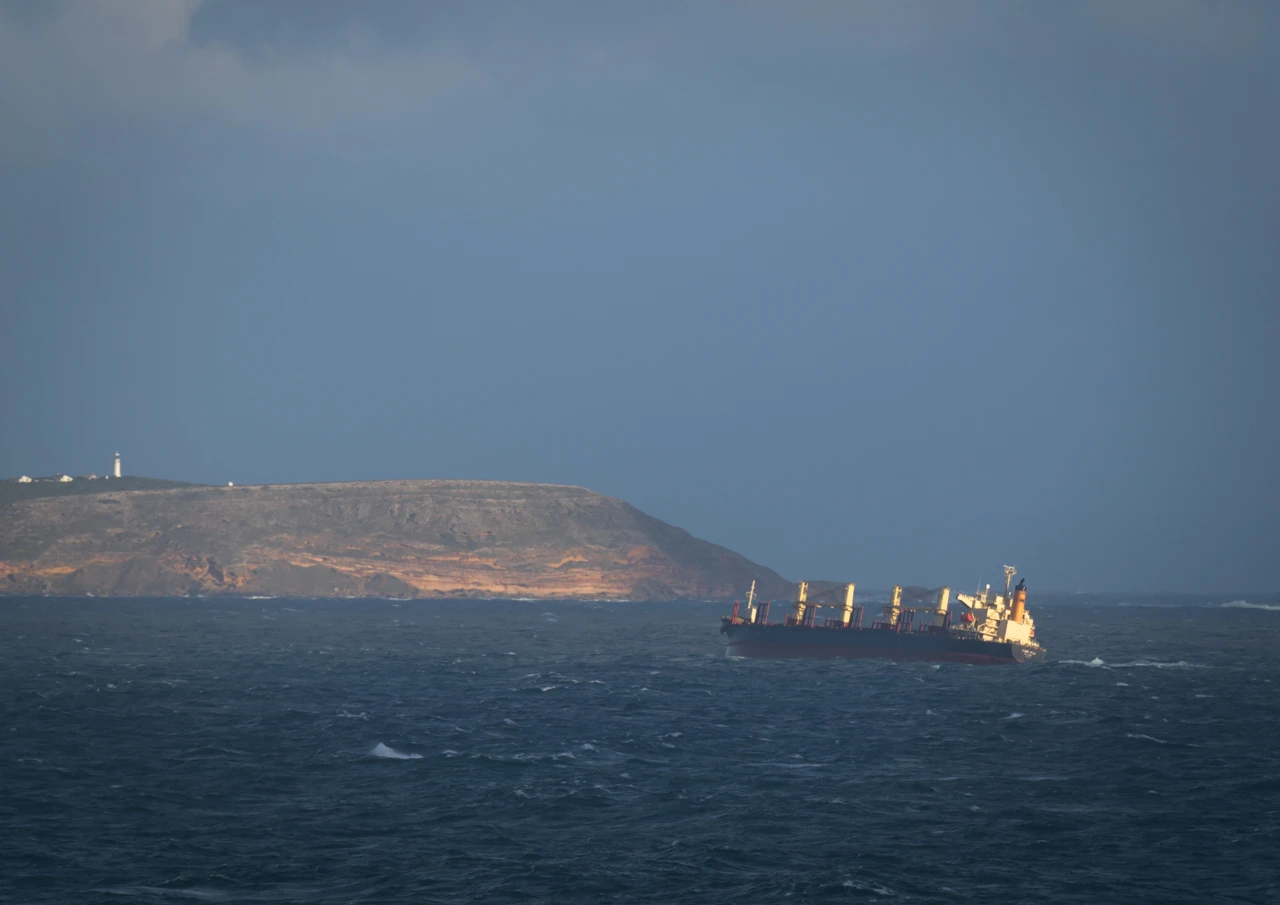
Ship passing close to shore buffeted by wind and big swell

An ocean liner buffeted by winds and a big swell. 
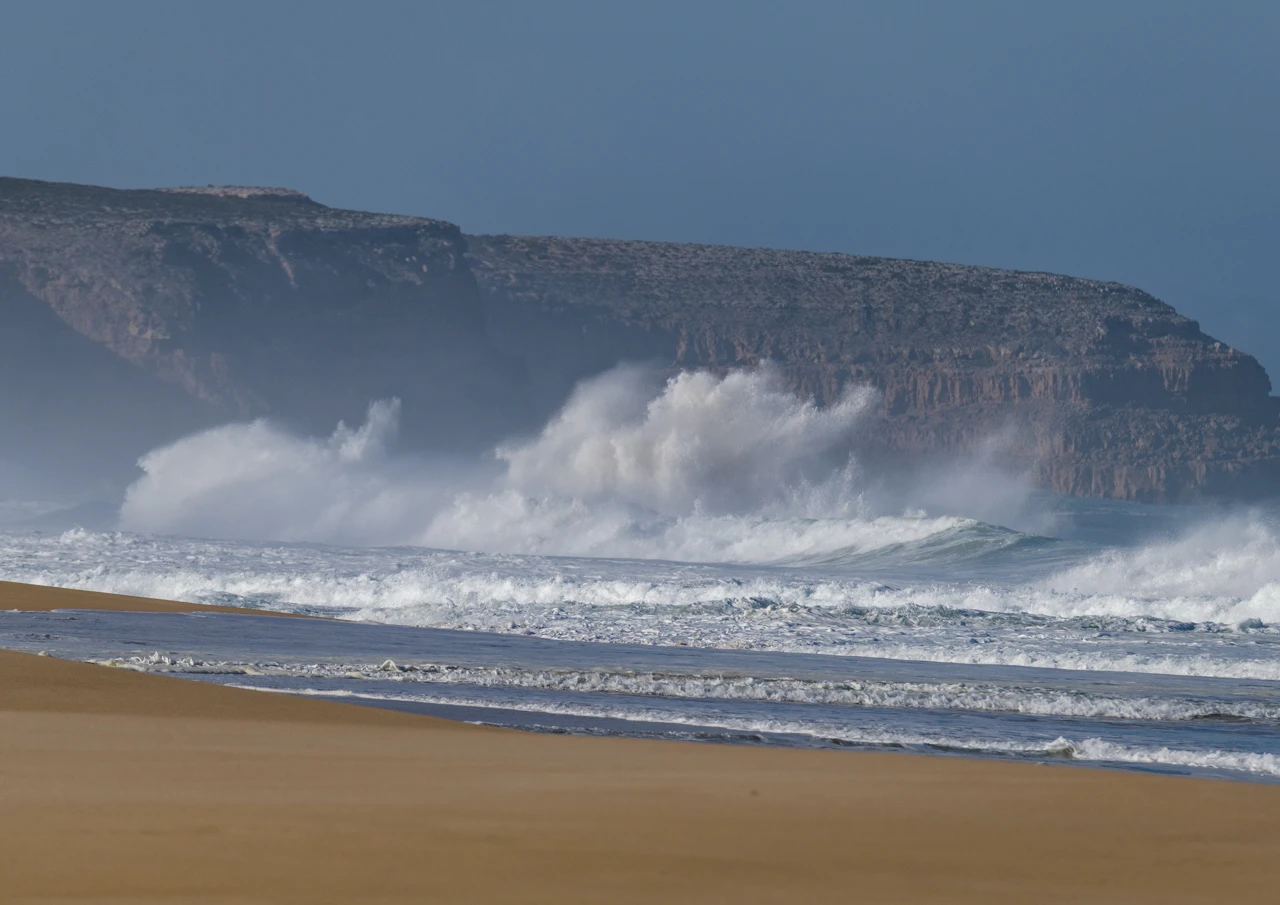
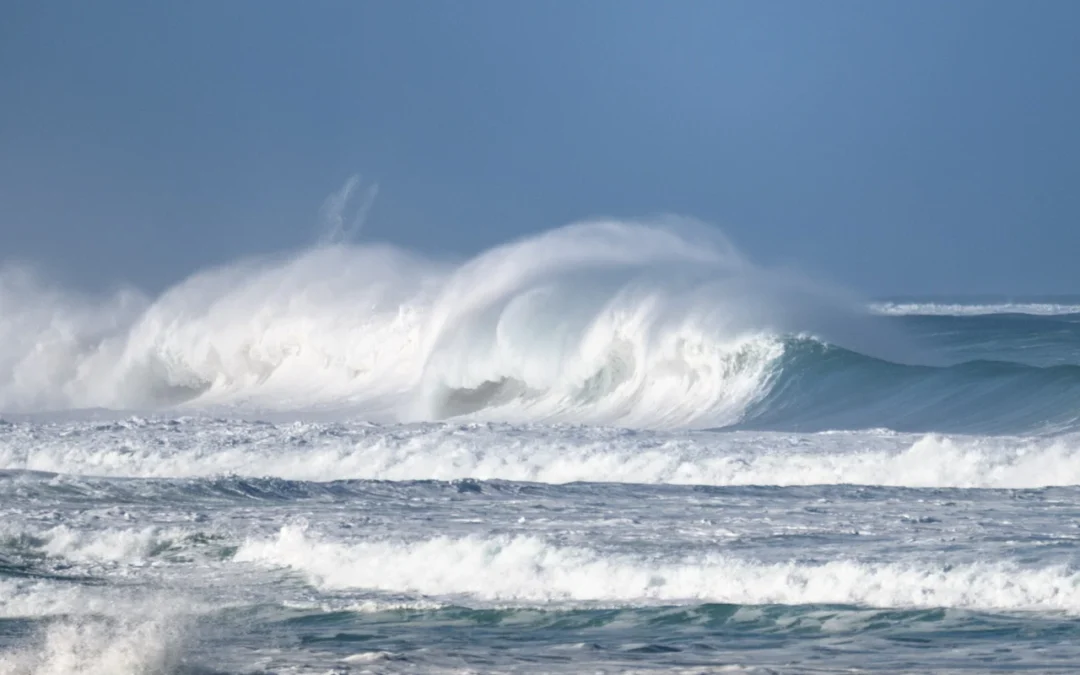
Spectacular big waves.
West Cape in rough seas

For me the most spectacular happening by far over our winter is the gigantic powerful waves that hit the shore. I dress warmly, ear muffs, gloves, thick jacket and scarf and often take a walk up West Cape beach. Very invigorating, but certainly a very different experience. The sound these waves make is quite deafening!

(All images are taken by Wendy Philip. No AI generated images.)

(This web site is ad free, a peaceful and relaxing experience.)
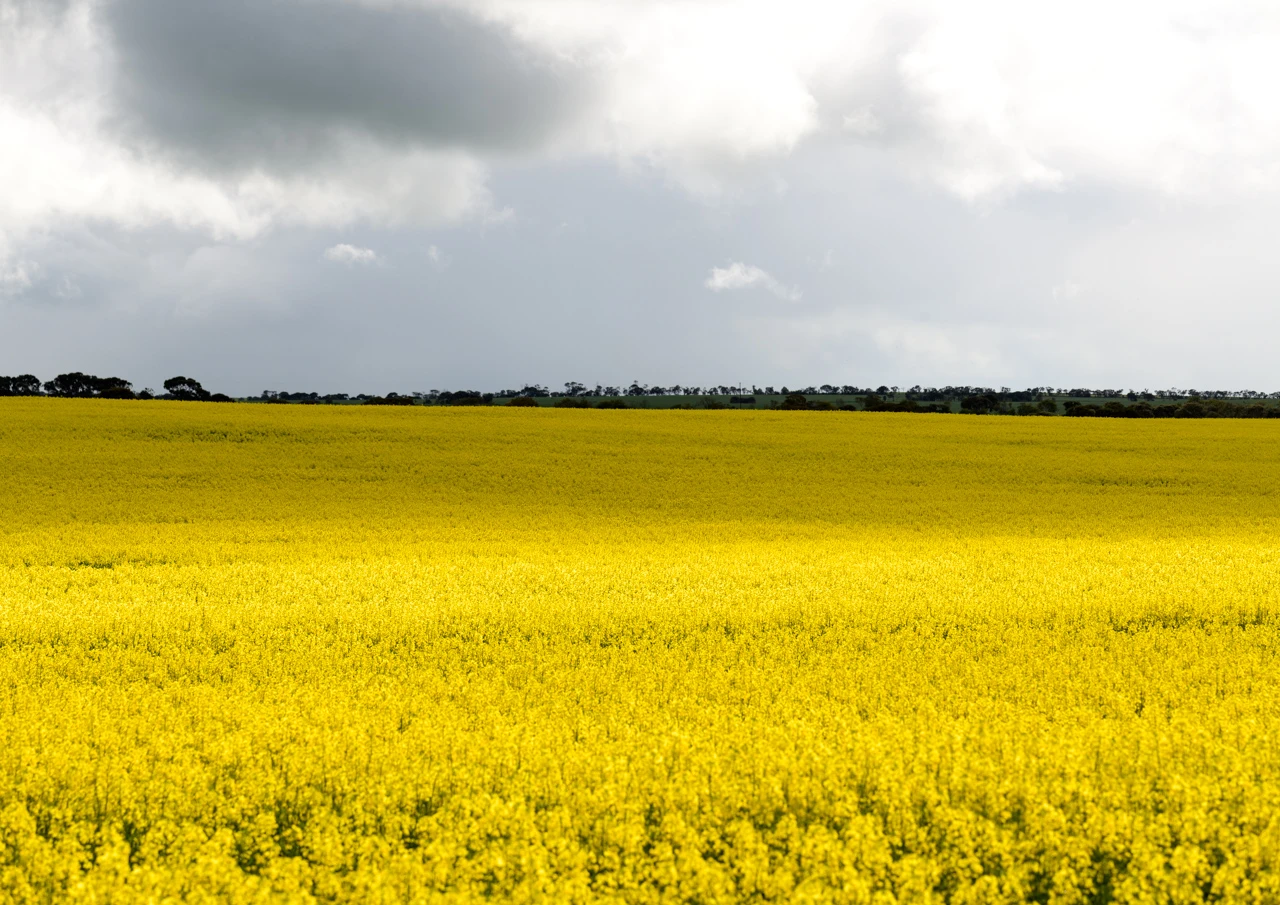
The canola fields of 2026

The canola fields of 2026

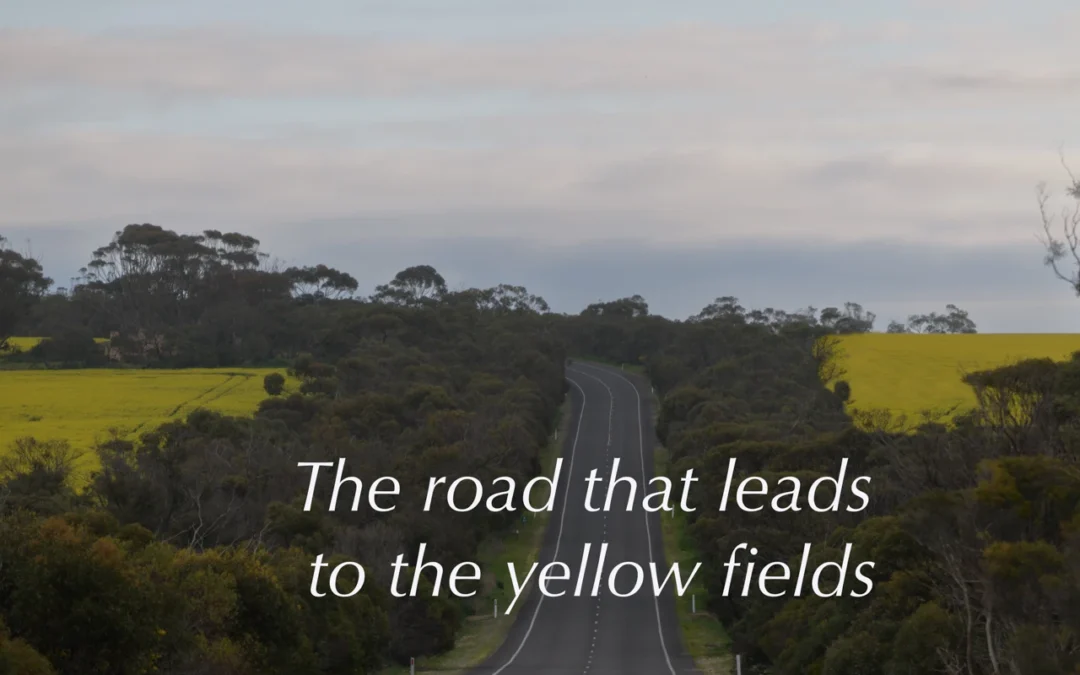
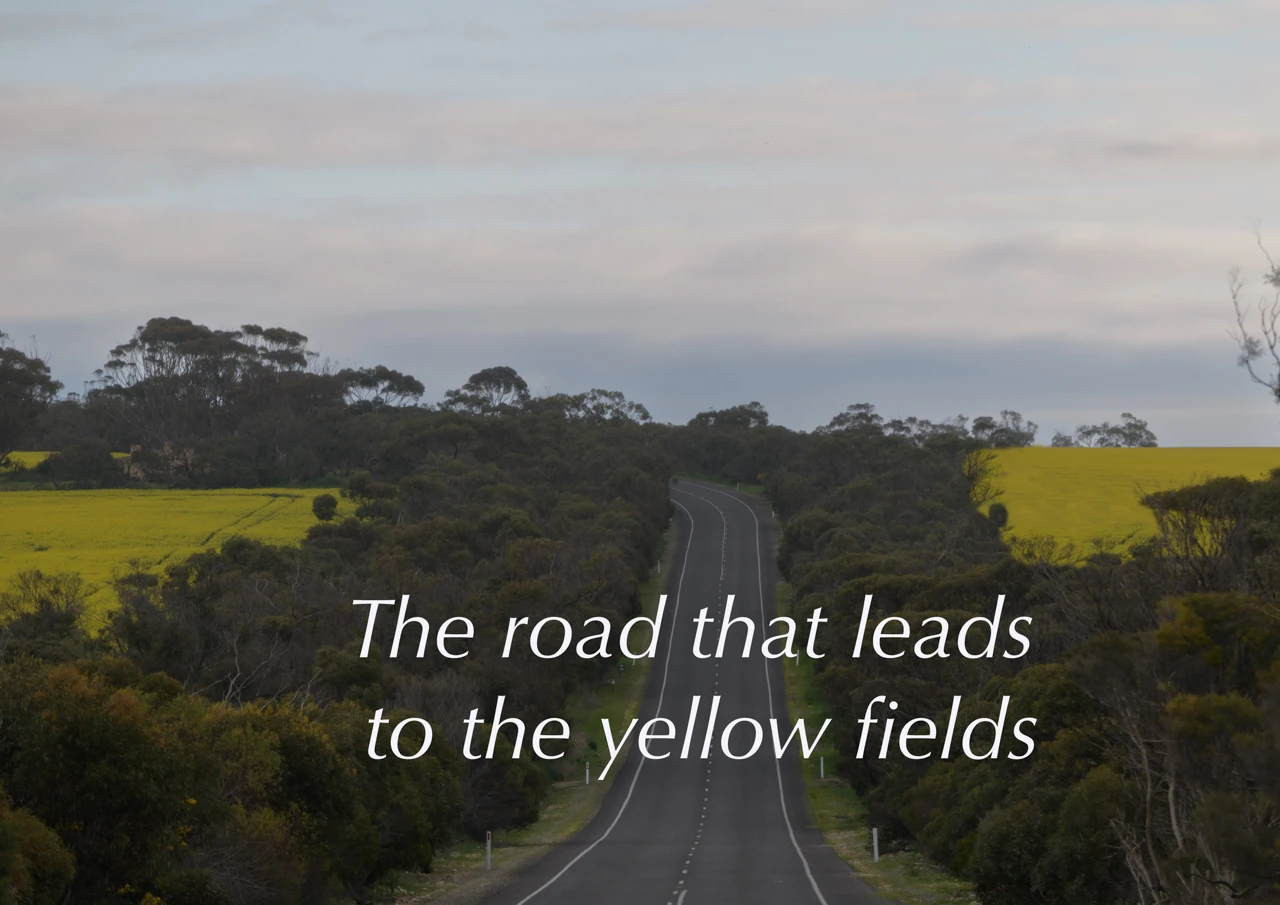
The road that leads to the canola fields

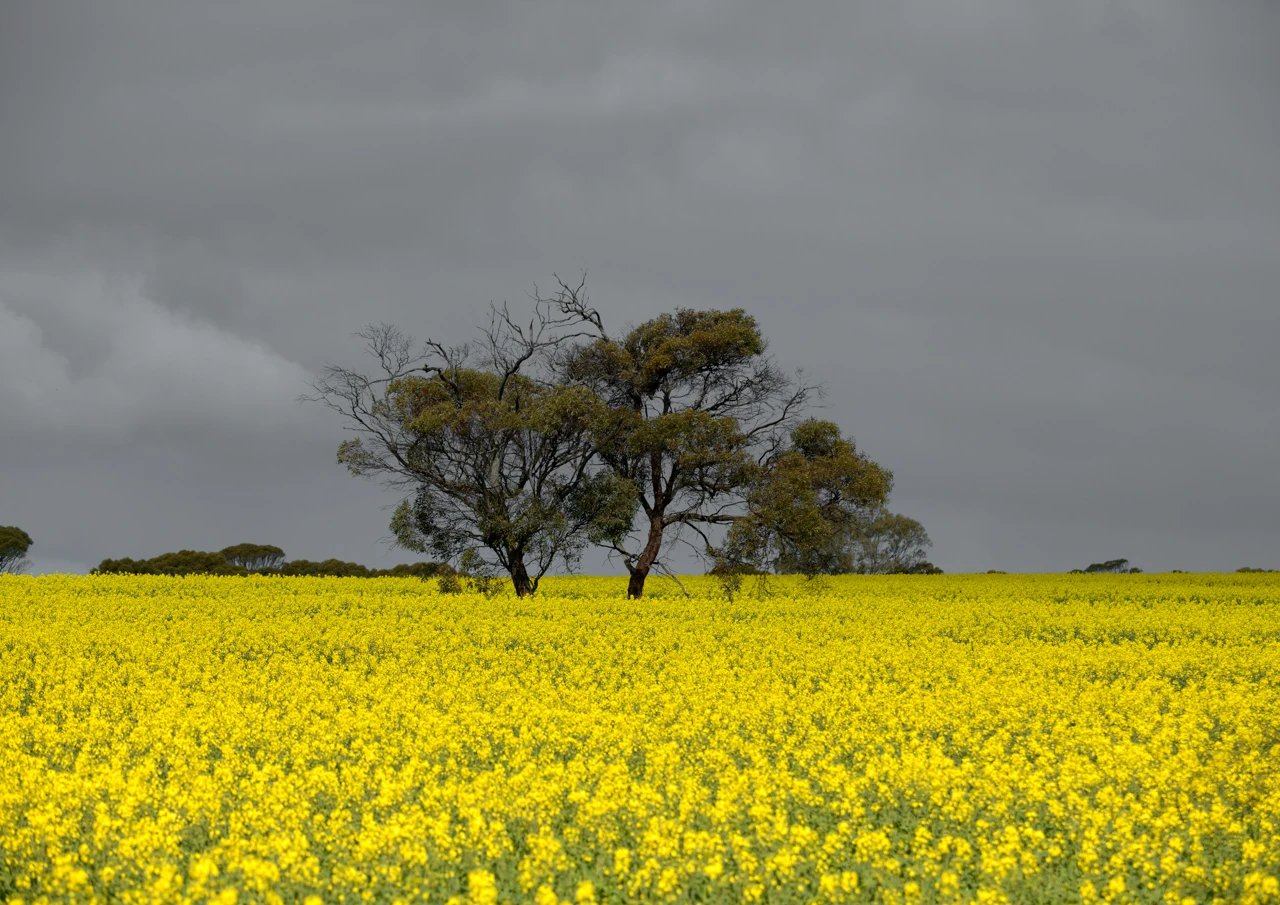
The canola fields of 2026 have arrived.

My photographs are of some of the canola fields (rapeseed) found along the roads in Yorke Peninsula.
Yorke Peninsula is known for its fertile soil and its abundance of crop growing farms.

The Yorke Peninsula in South Australia is a premier, highly productive dryland farming region…..

…known as the “barley granary.” It features reliable cereal and pulse cropping, continuous cropping systems, and mixed livestock farming, supported by local export ports at Ardrossan and Port Giles.

Cereal crops: Large-scale production of wheat and malting-quality barley.

Pulse & Oilseed Production: Widespread rotation growing lentils, chickpeas, and field peas.

In the last few years we have noticed many bright yellow canola fields appearing. To the casual drive by photographer, it appears the farmers alternate canola with the barley or wheat crops.
This year the rain has been constant and apparently more prolific than many other years. The farmers are rejoicing and word around the farms is that they have never seen such healthy, strong, vibrant crops!


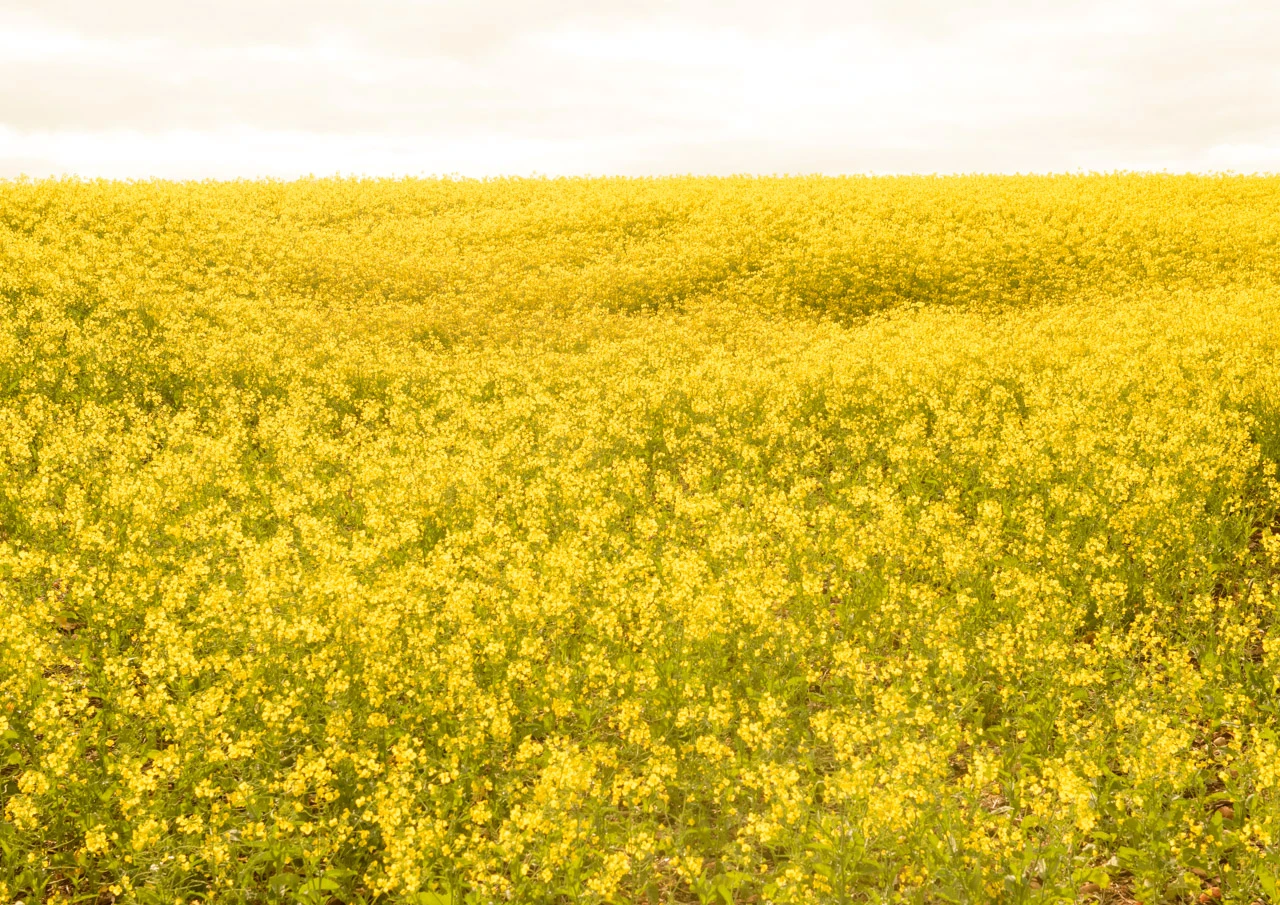
Huge yellow canola field
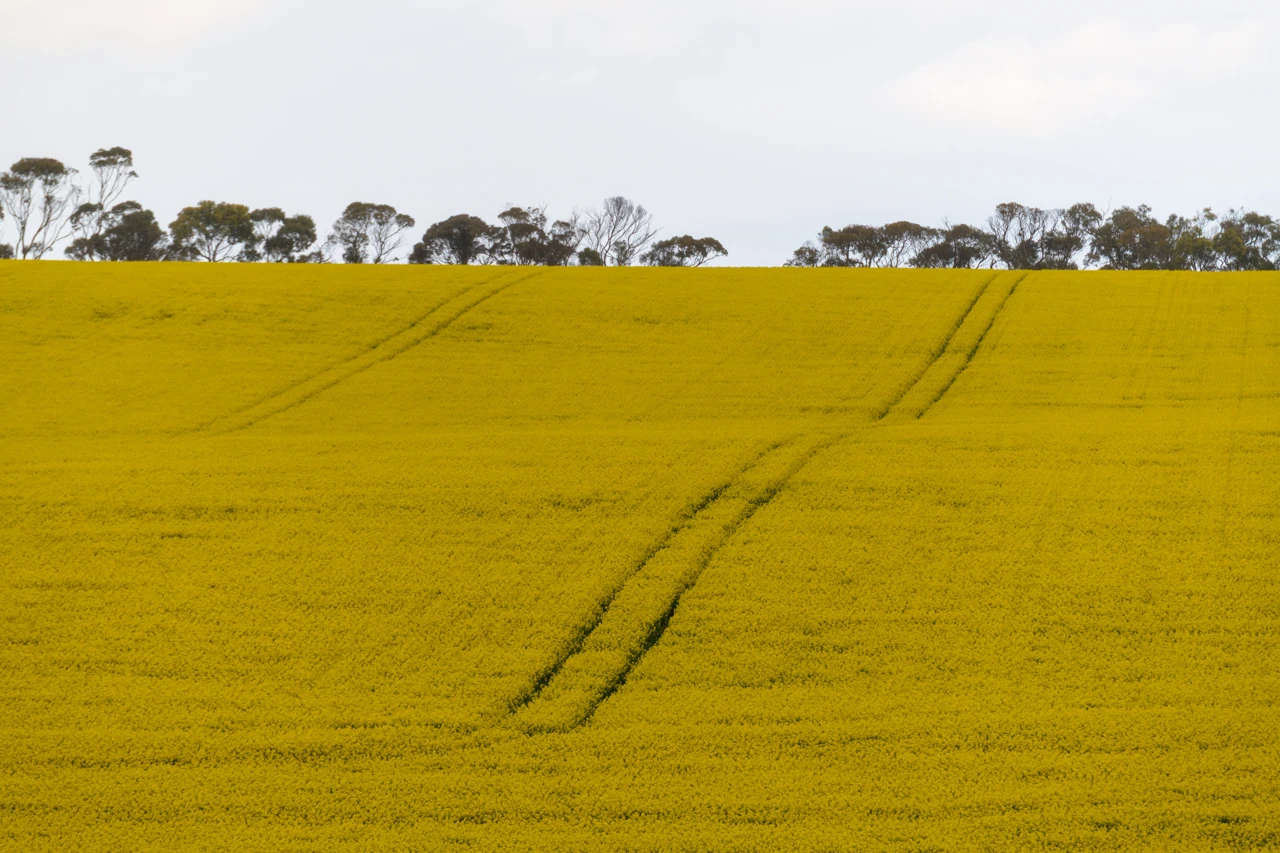
Yellow lines in a canola field
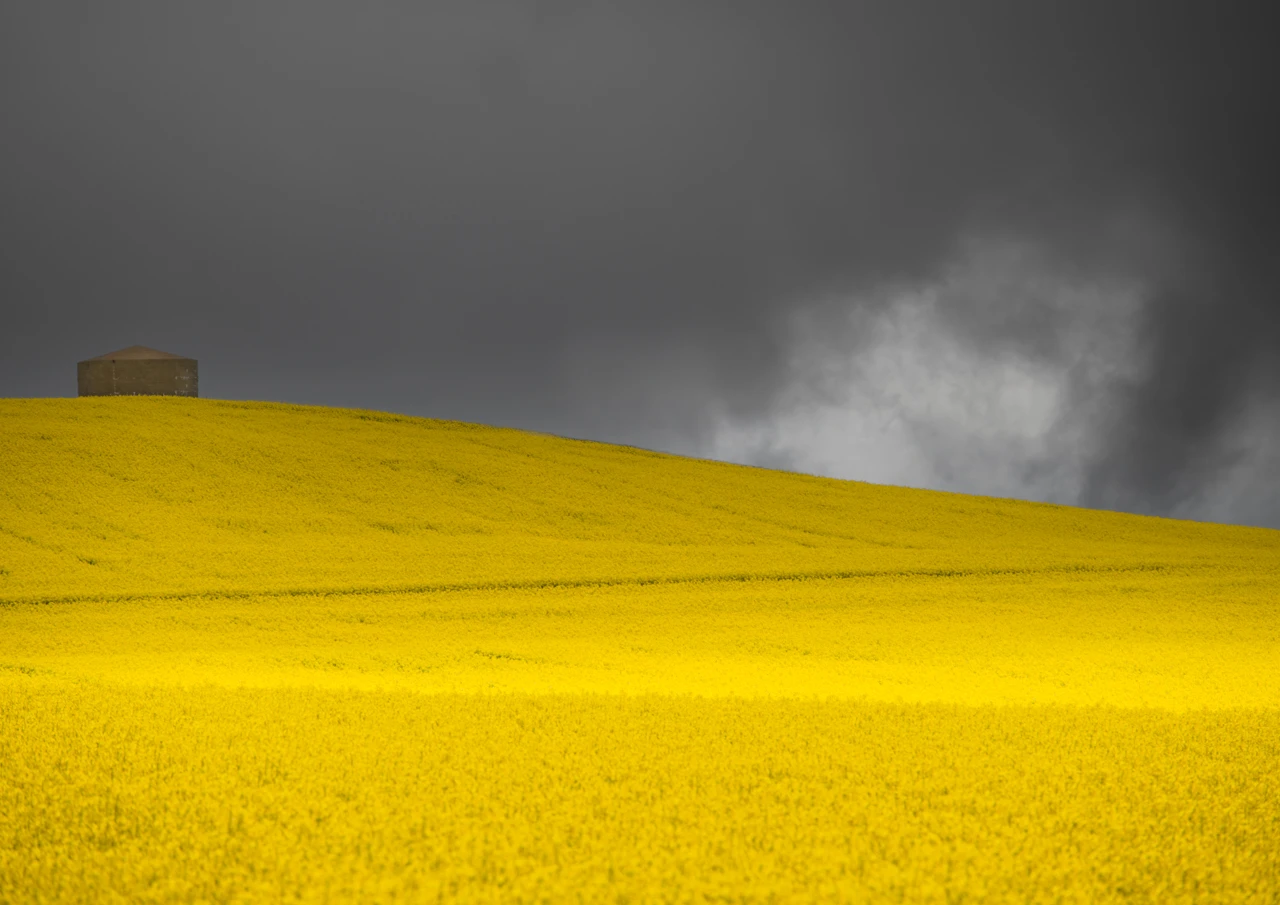
yellow canola field with water tank in top corner South Australia
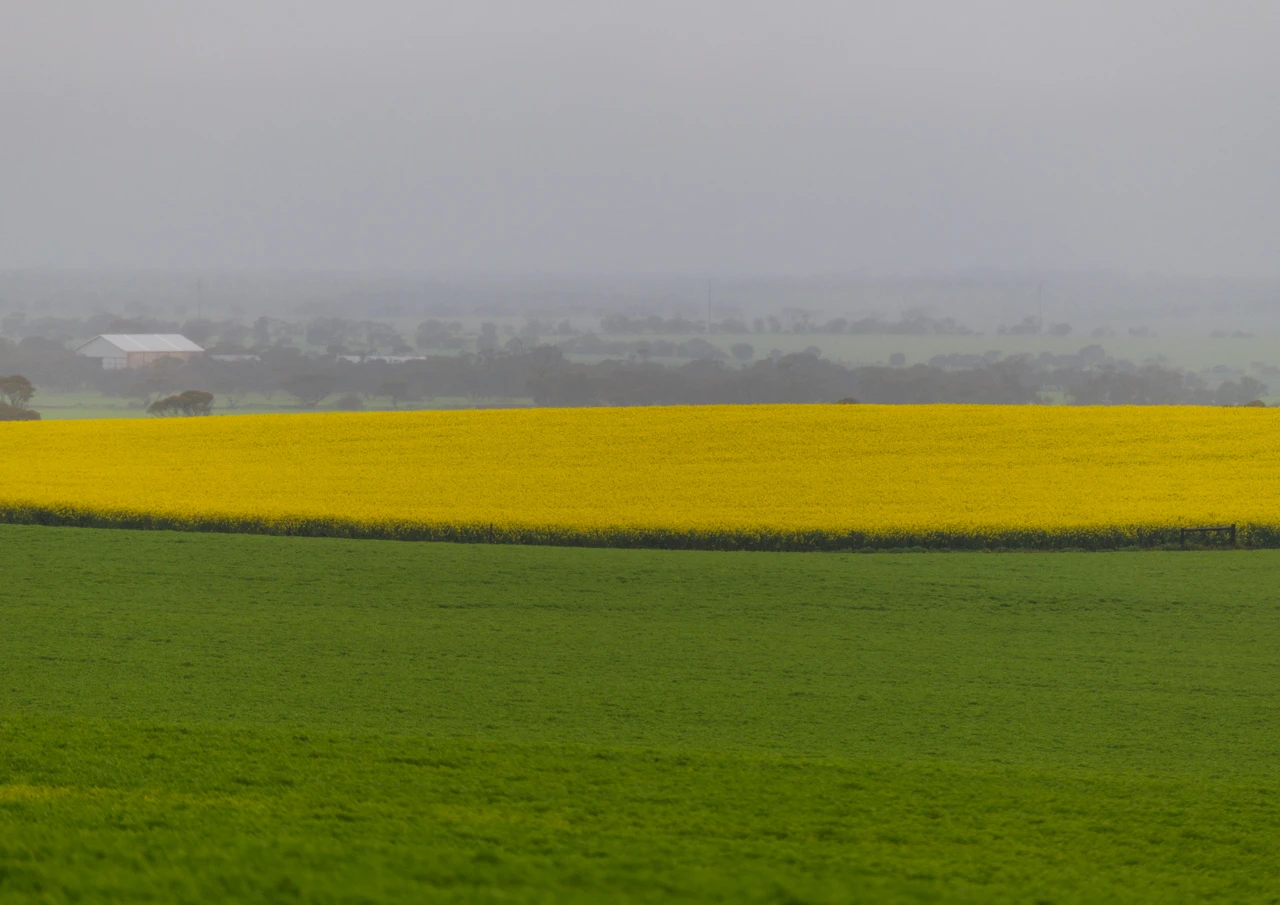
Canola and wheat field on a rainy day
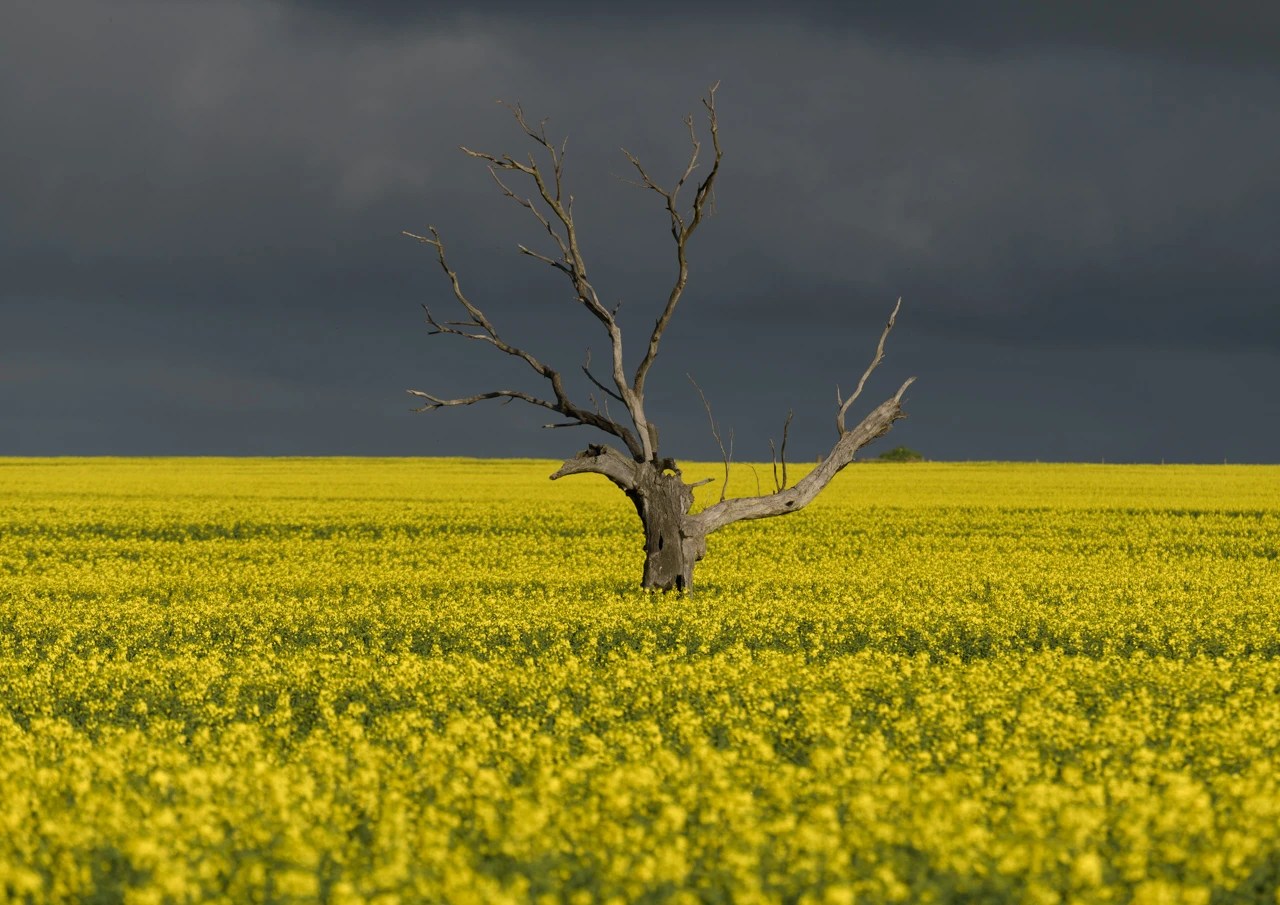
Canola field and old tree and Carrumulka

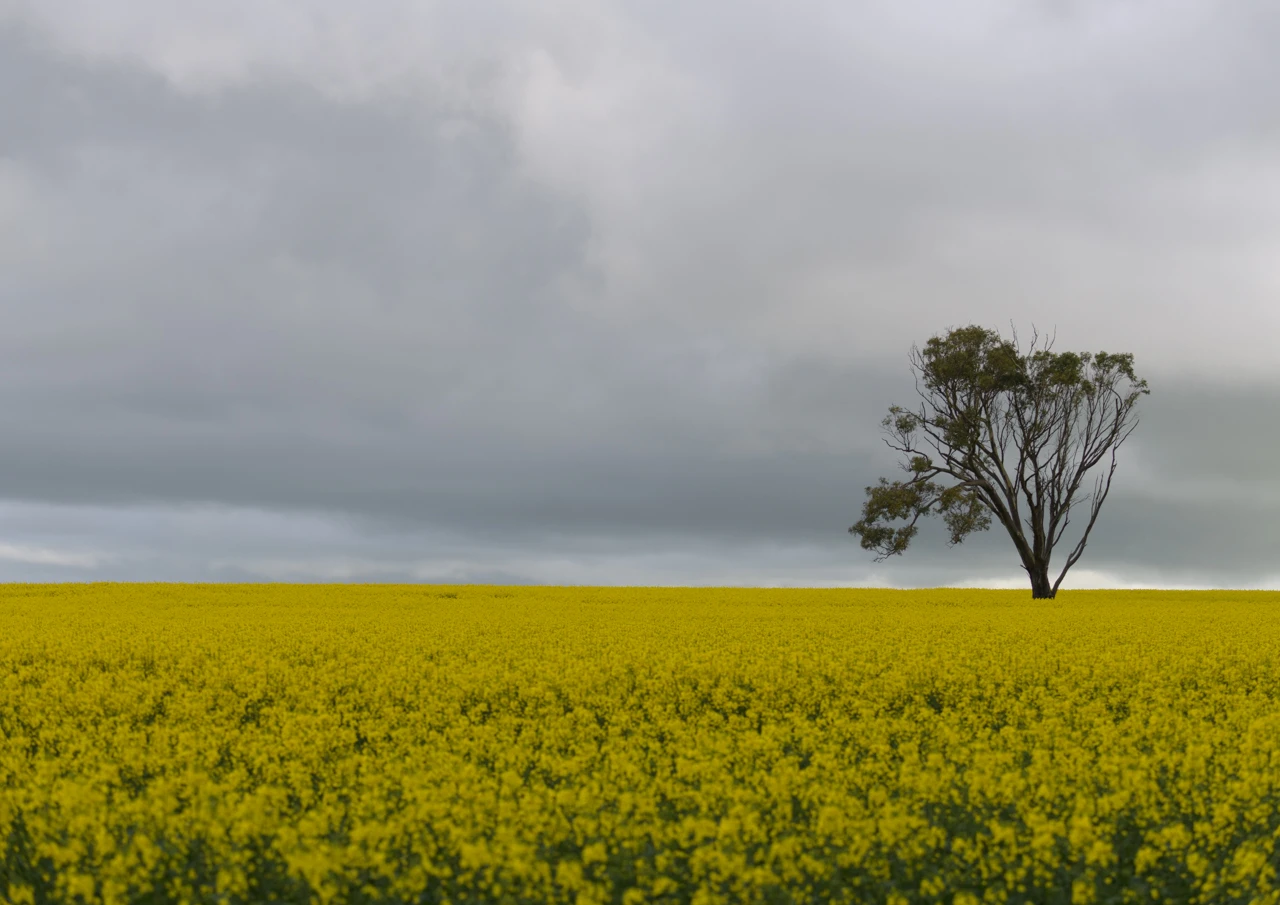
Yellow so bright and beautiful. We stop at this same tree just outside Curramulka and photograph it in different weather. I keep waiting for it to fall down or be chopped down, but as yet its still there.

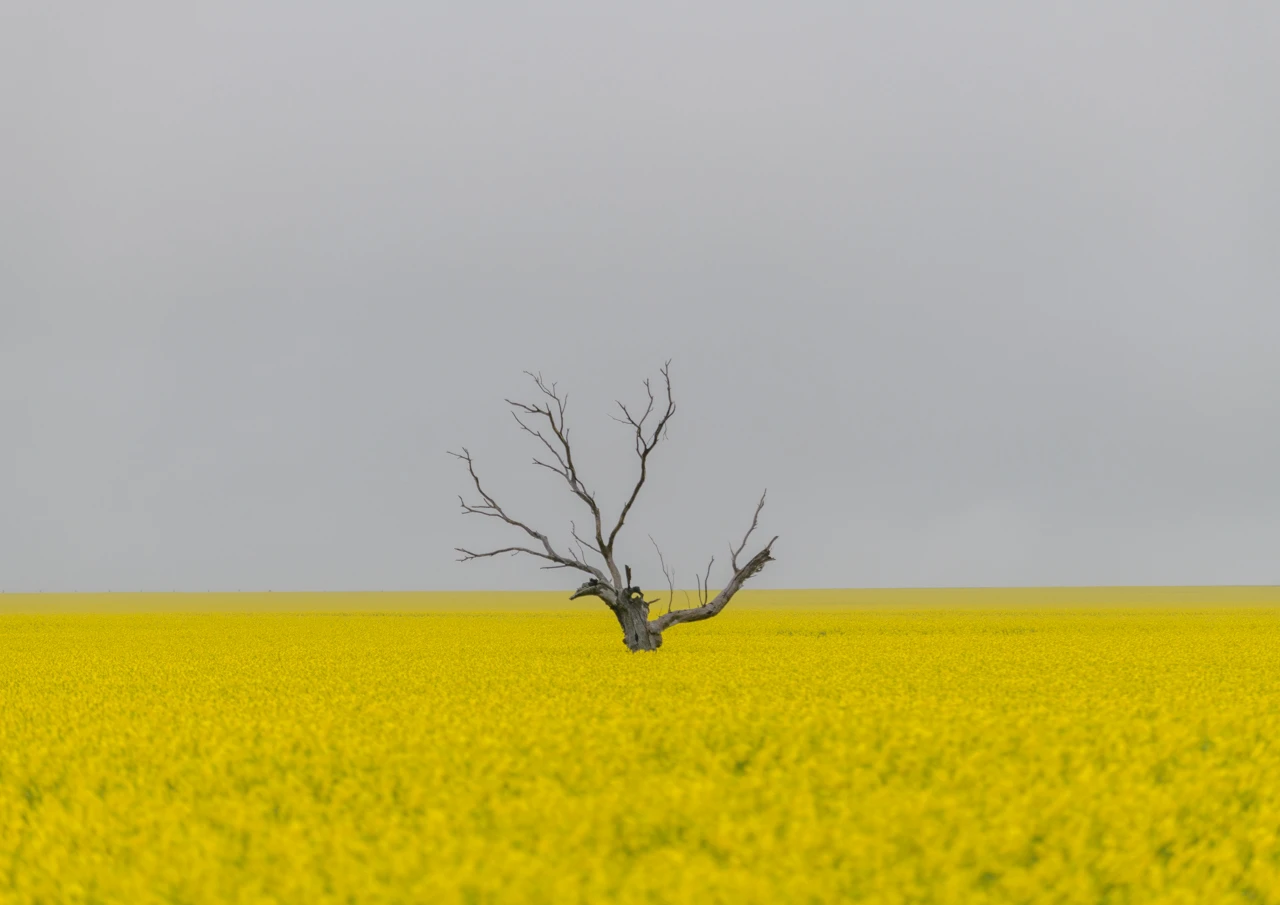
Tree at Carrumulka on a very grey day

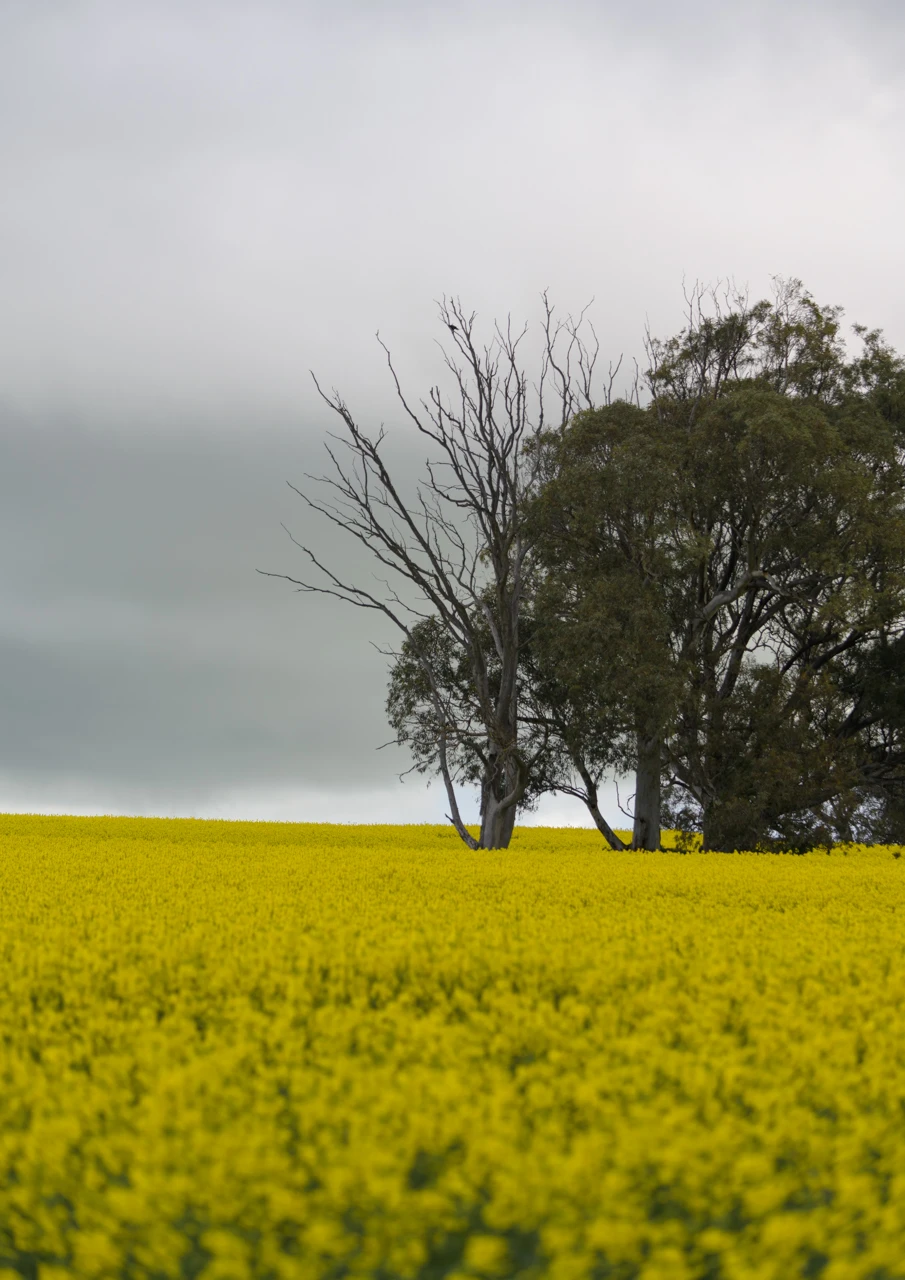
That tree…. on a very grey day. If you can notice in this image there is still quite a lot of  green in the canola. As the weeks progress a canola field  will get extremely bright and completely yellow.

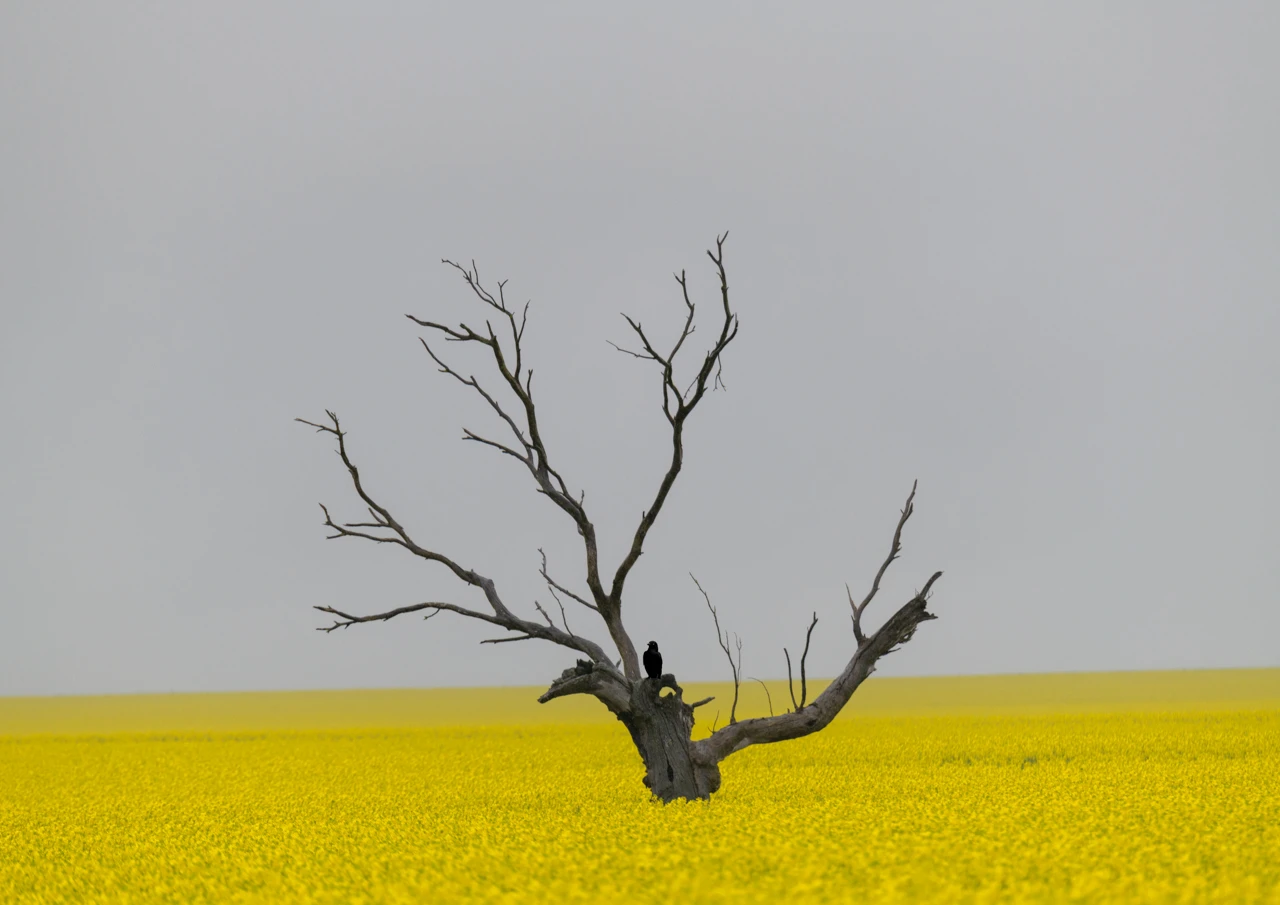
Canola field and old tree

OK so I’ve put a bird into this tree. I could not help myself as there are often crows around this tree, but not this particular day. A little help from photoshop did the trick!!

Canola field and a tree South Australia
One tree in a very big yellow canola field
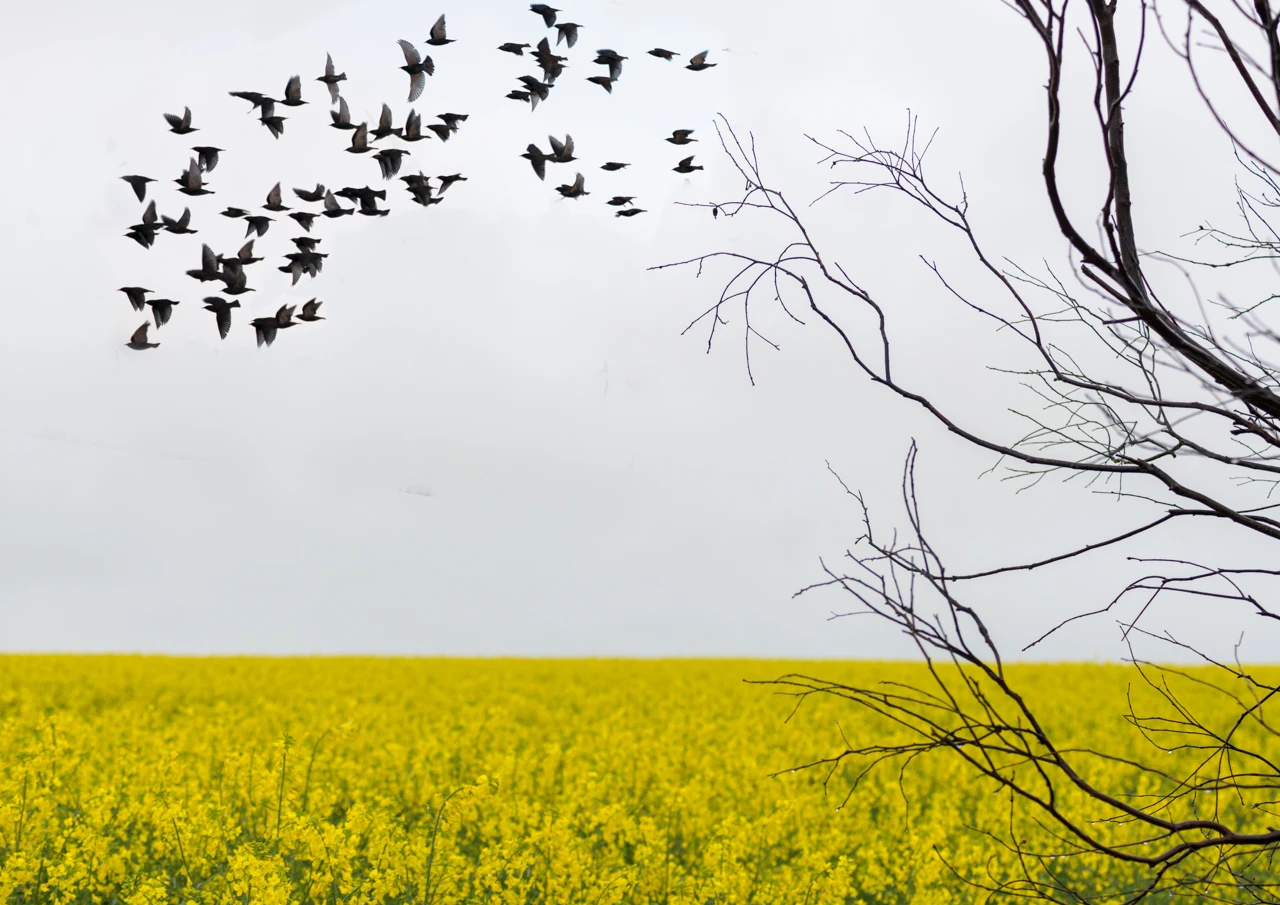
Birds fly over a canola field

Like I said, I love to put a black bird in here and there!

On the edge of a canola field
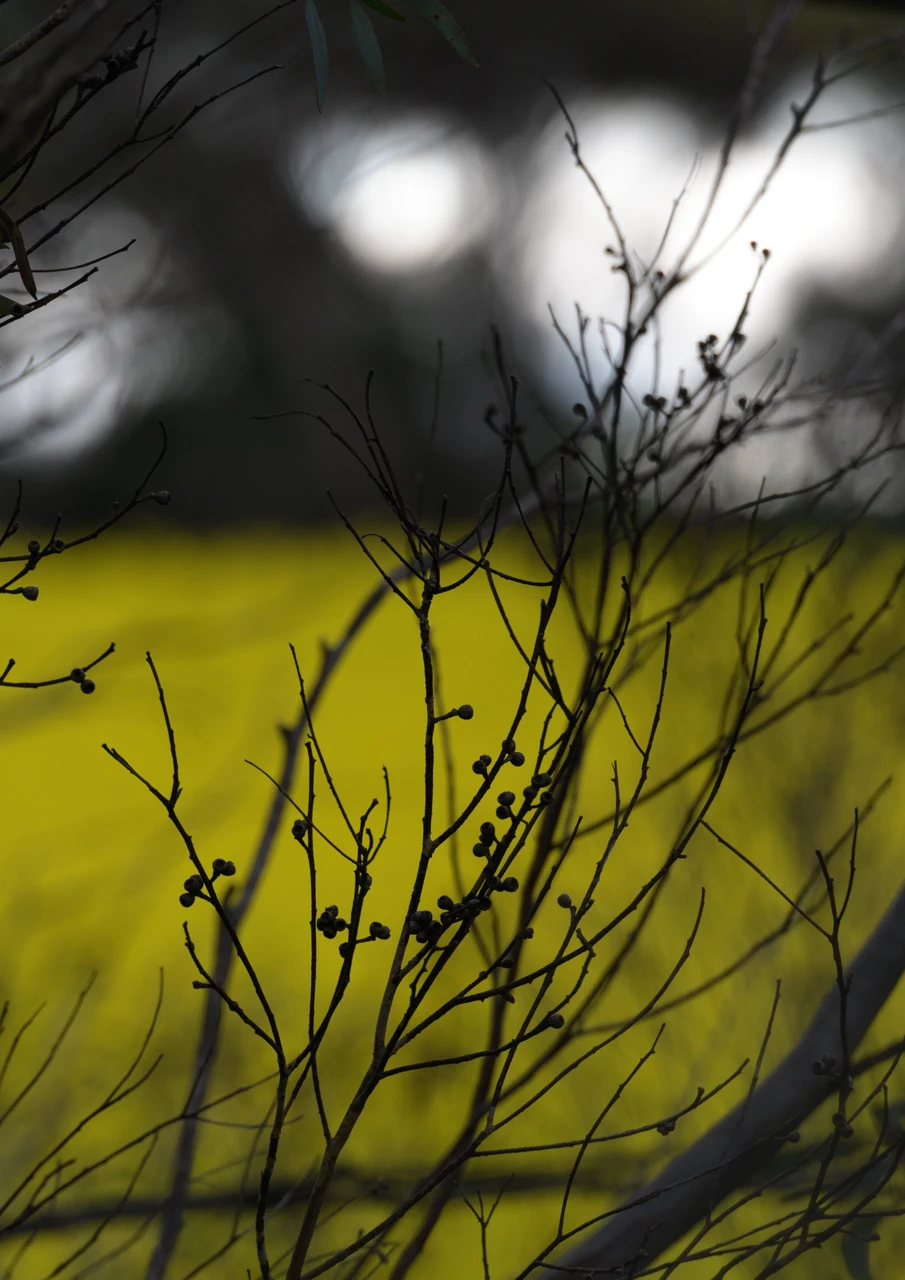
Up close and looking through branches with canola in the background

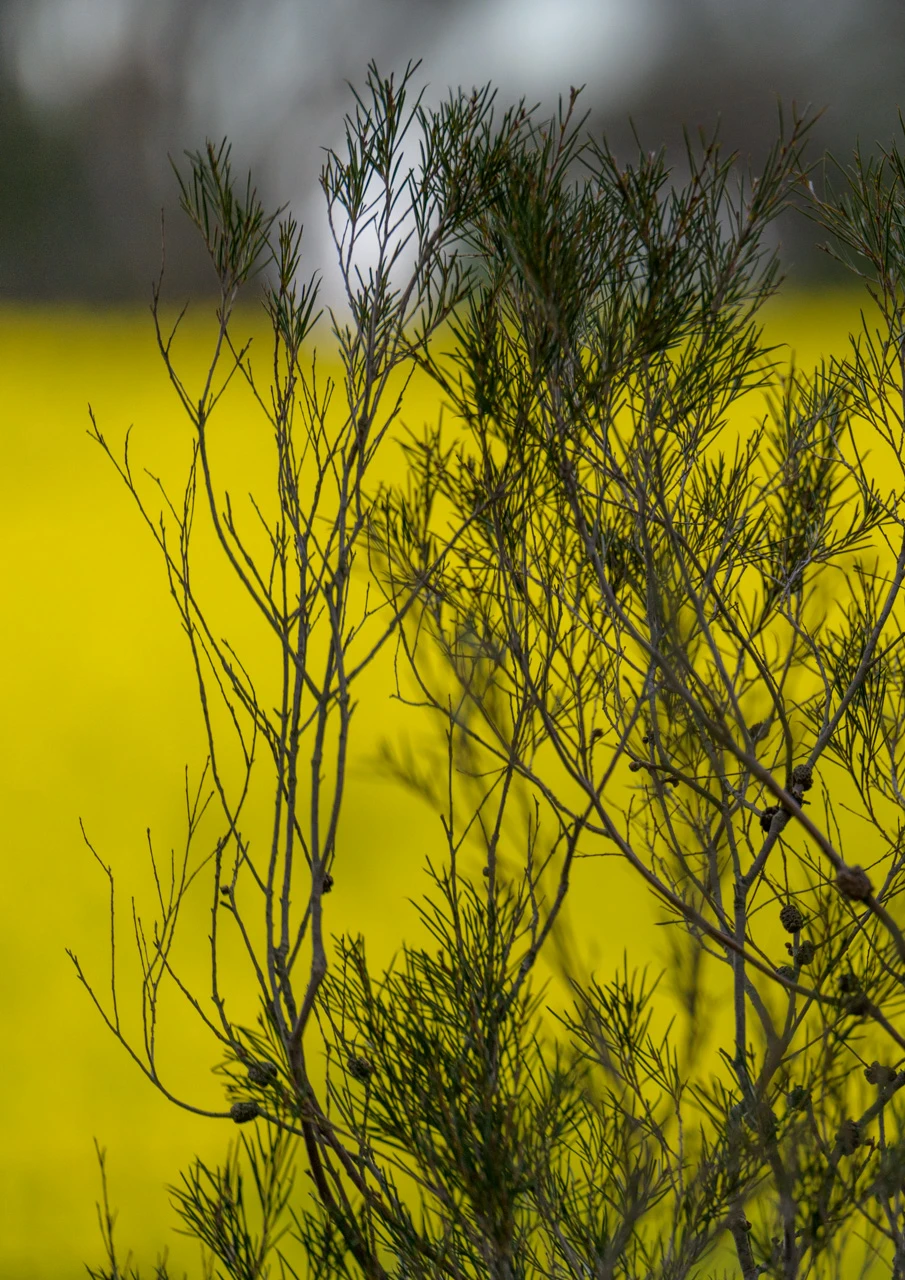
Now it is time for some fun with the camera, tree branches up close with those bright yellow flowers in the back ground.

Fine branches and a canola field in the background
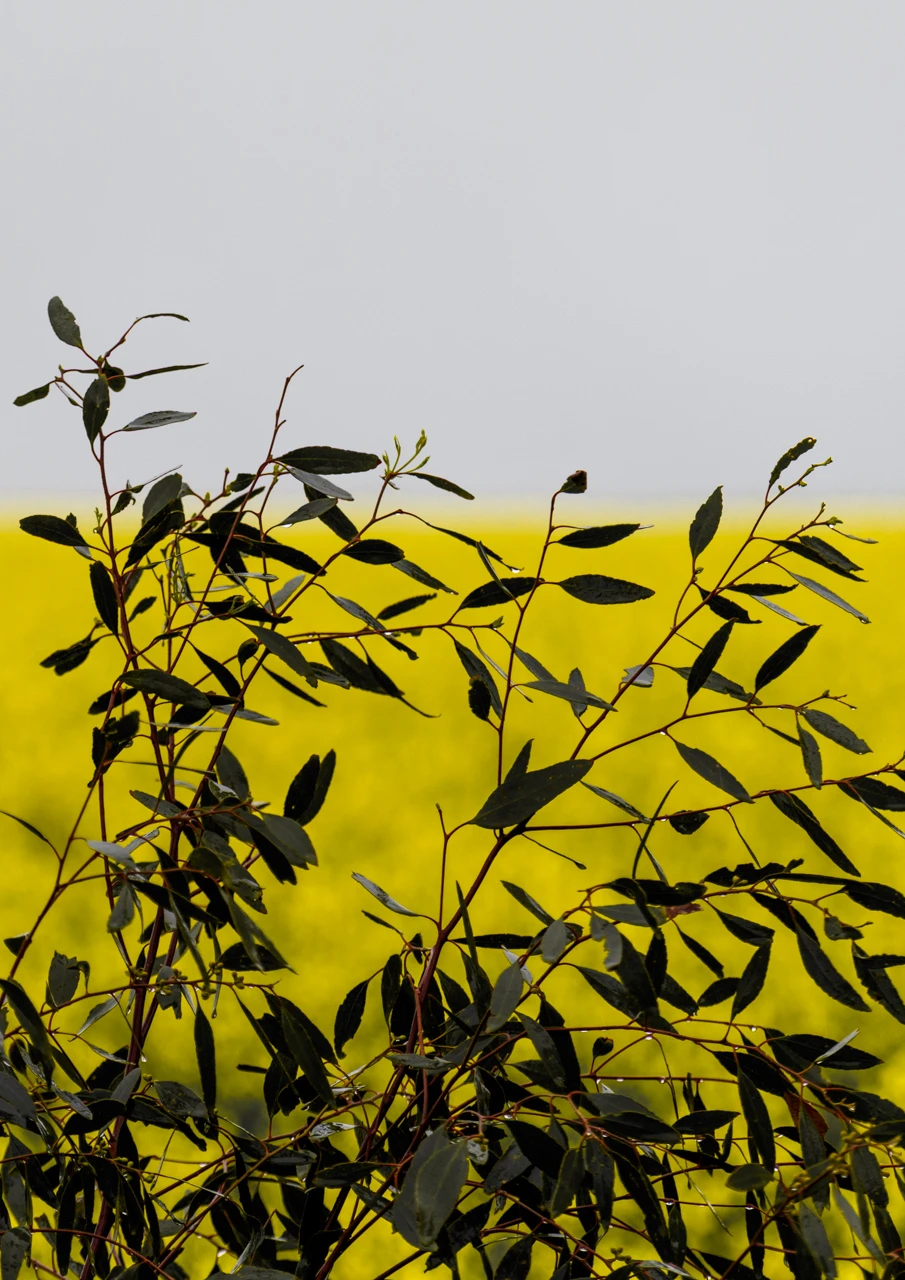
Leaves and yellow canola field
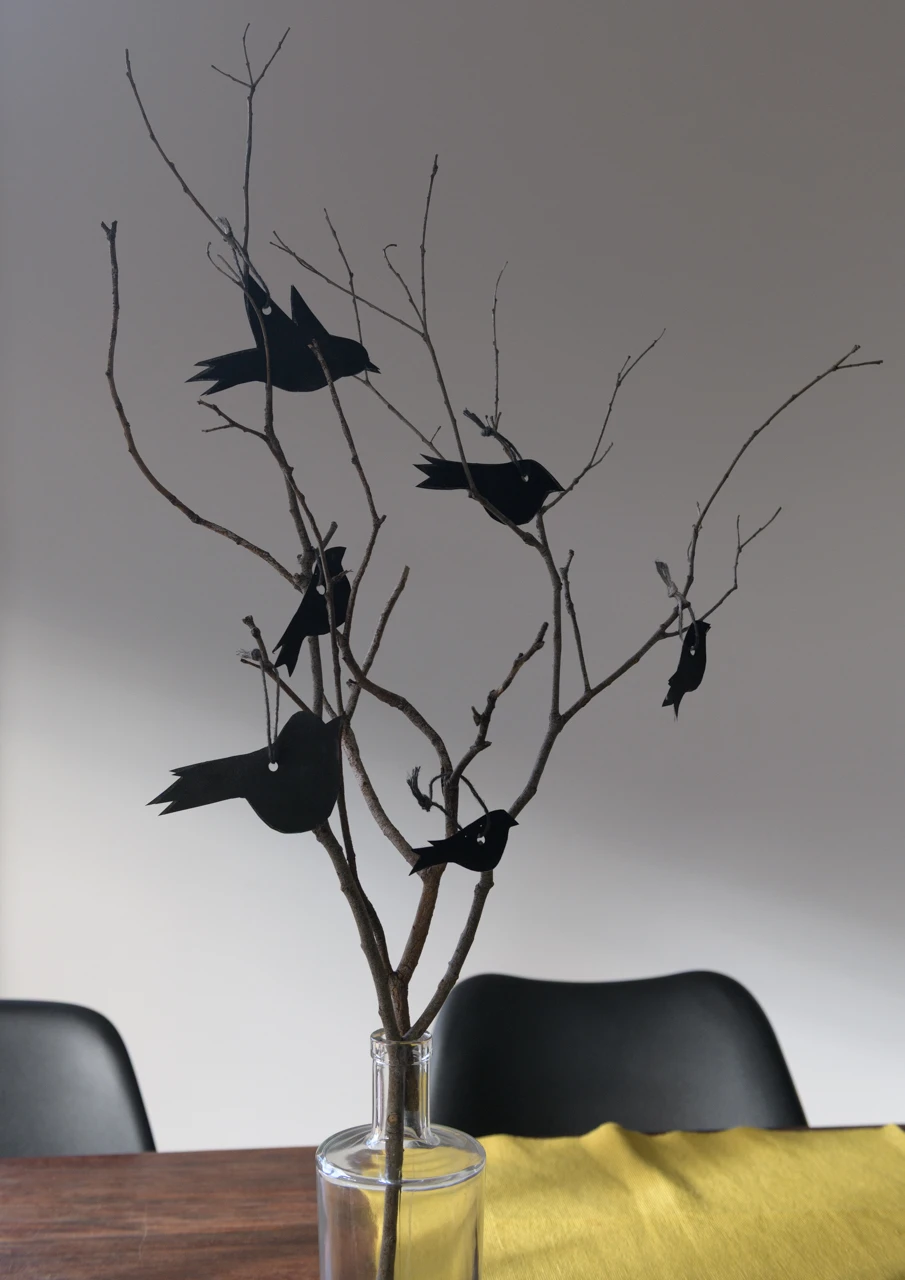
Paper black birds in my house with yellow place mat

Returning indoors,,… and I made for the Grandies a black tree with blackbirds and “yes” a yellow table mat!

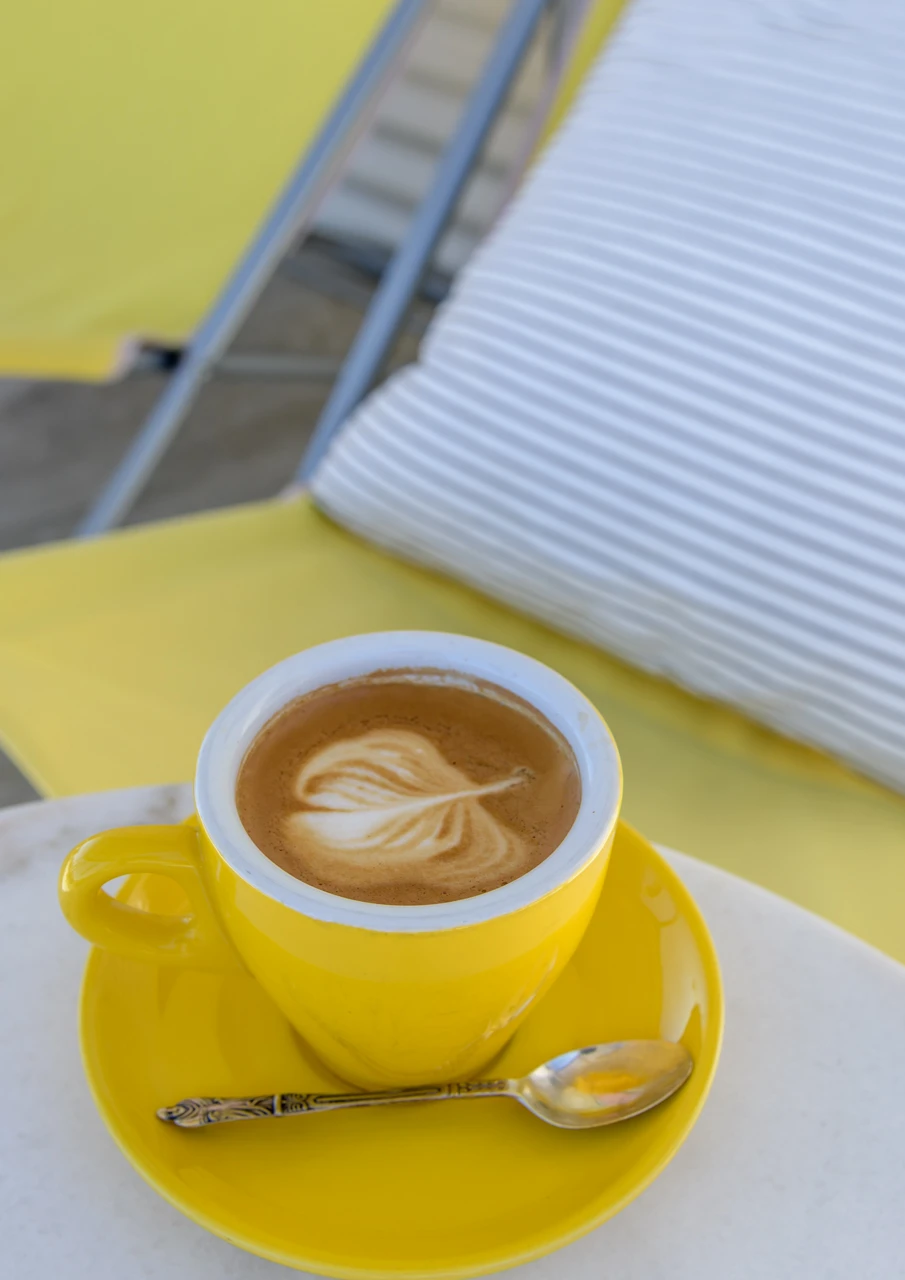
Coffee and a yellow cushion

After a few hectic hours photographing it must be time for coffee. And what better way to celebrate a farmers joy and this years bumper crops than coffee in a yellow cup!!

Canola is not in the same fields each year. The crops rotate and sometimes I will have to wait a few years before canola reappears in a certain field.

Make sure to keep a lookout for canola if you are out in the country between August and September in the Southern Hemisphere. Have fun!!

(All images are taken by Wendy Philip. No AI generated images.)

(This web site is totally ad free, a peaceful and relaxing experience.)
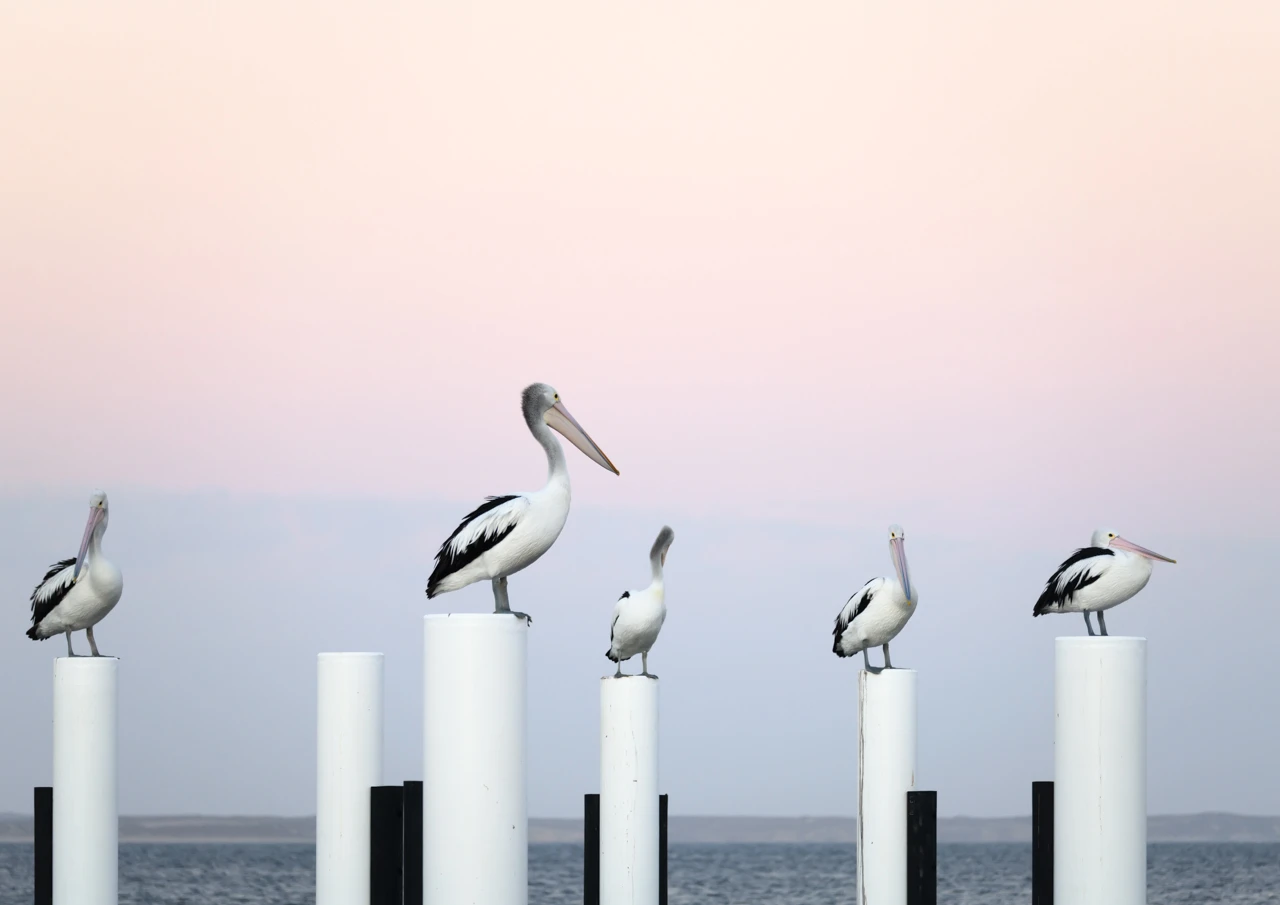
Come inside our city home

Come inside our city home

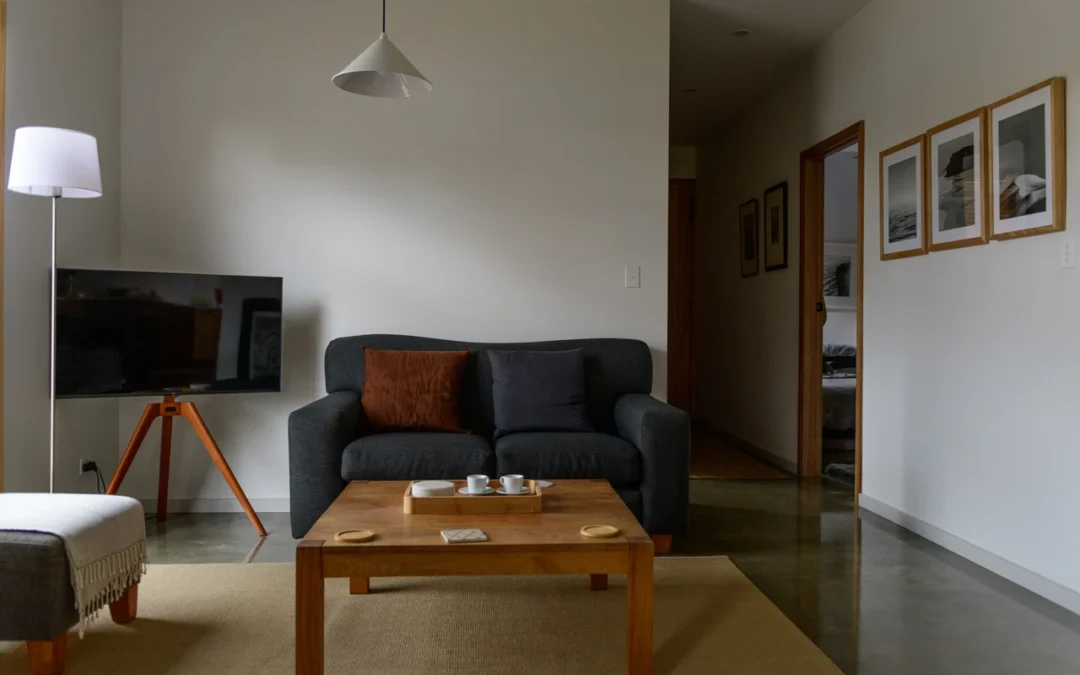
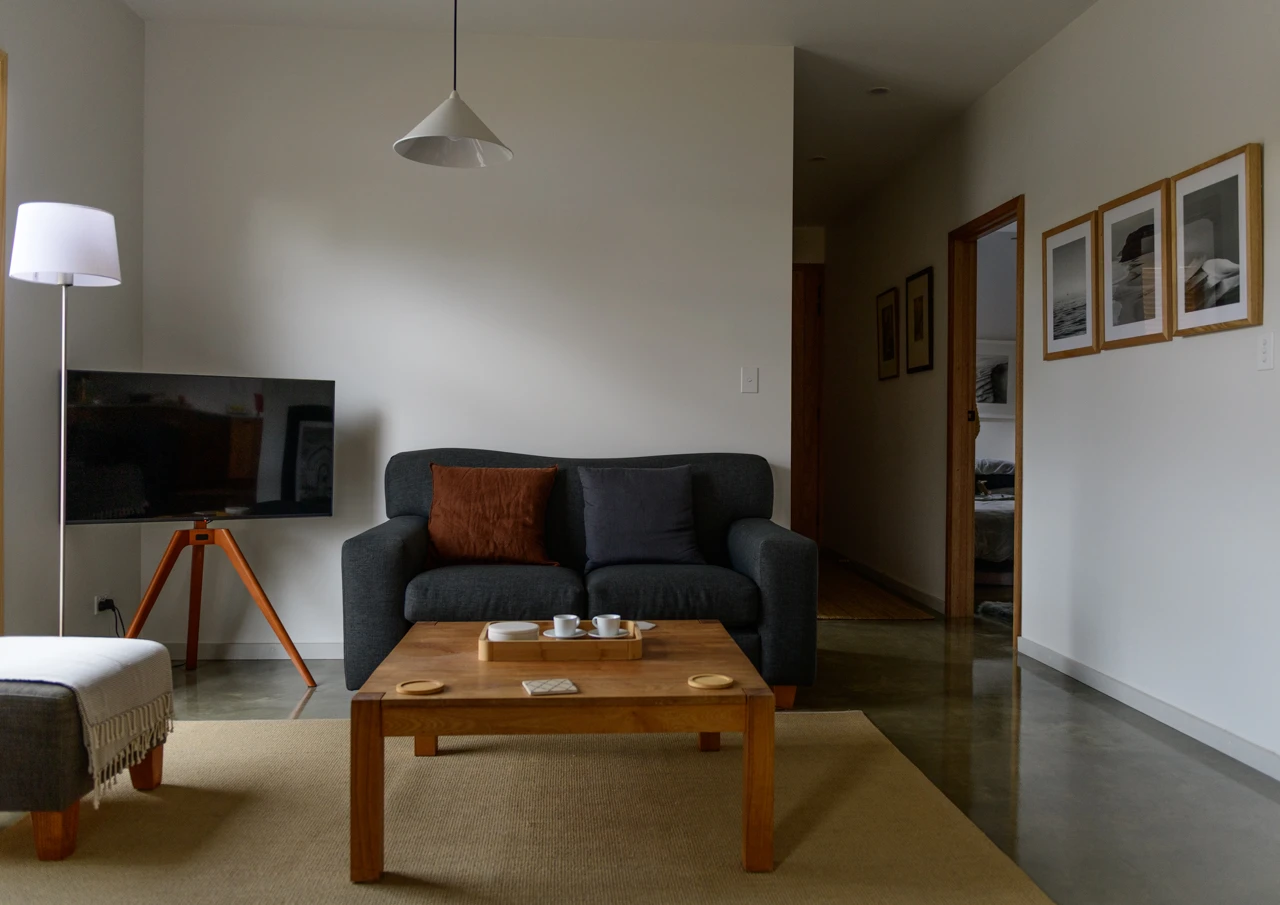
Lounge and TV on wooden stand

A home away from home.

Even though we love the beach house we return to our city home most weekends. To visit family, to attend church, to stock up on groceries and to get a small dose of what’s happening around town.

Marion Bay is quite isolated, so it is quite nice to return to our very comfortable city house and connect with family and friends.

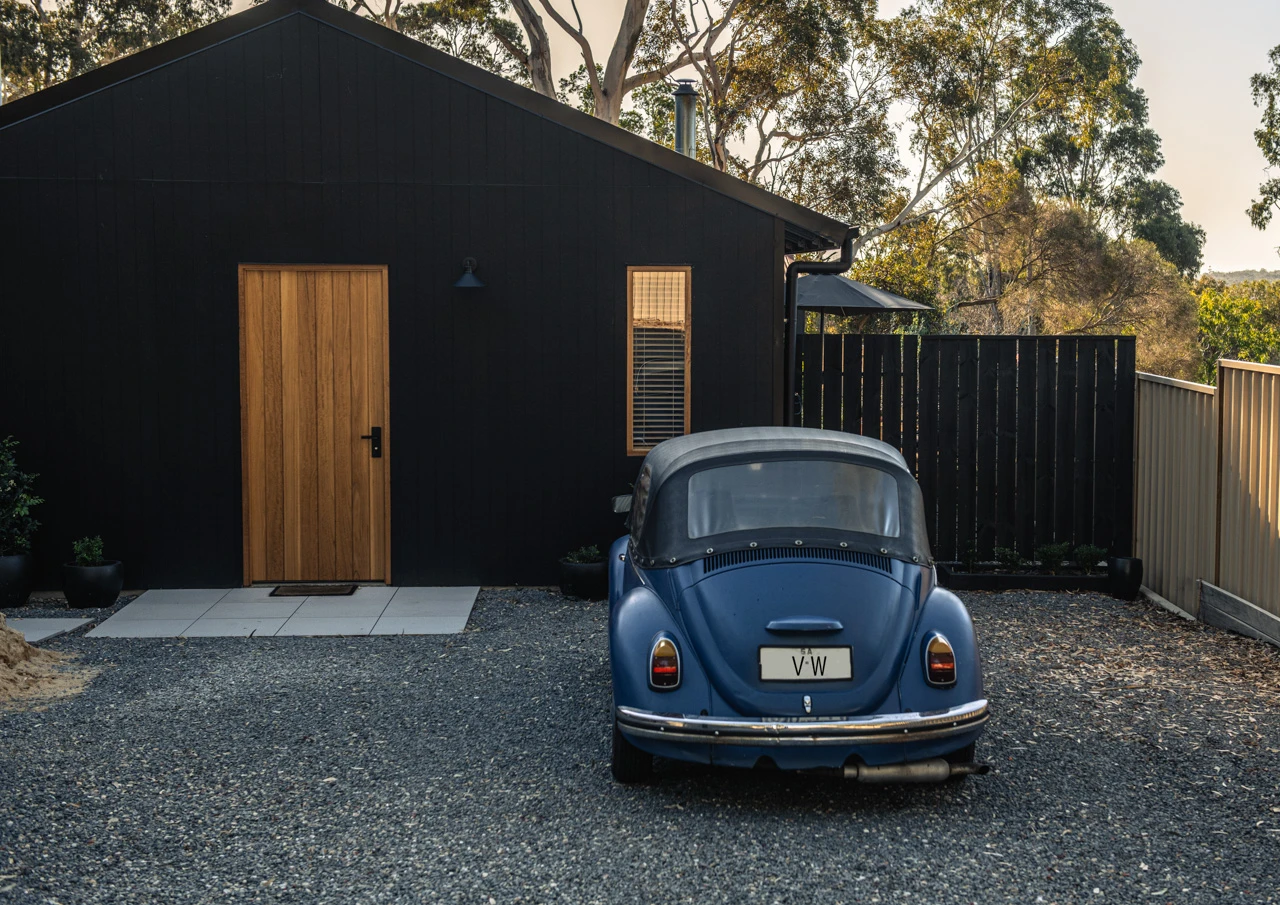
We built a tiny farmhouse type dwelling. It is black on the exterior and white on the interior and meant to faintly resemble a Norwegian style chalet. However lately I have been a bit captivated by the French style, so each Saturday if we are in the city I head to our local Brocante place and see if I can find some old vintage treasures.

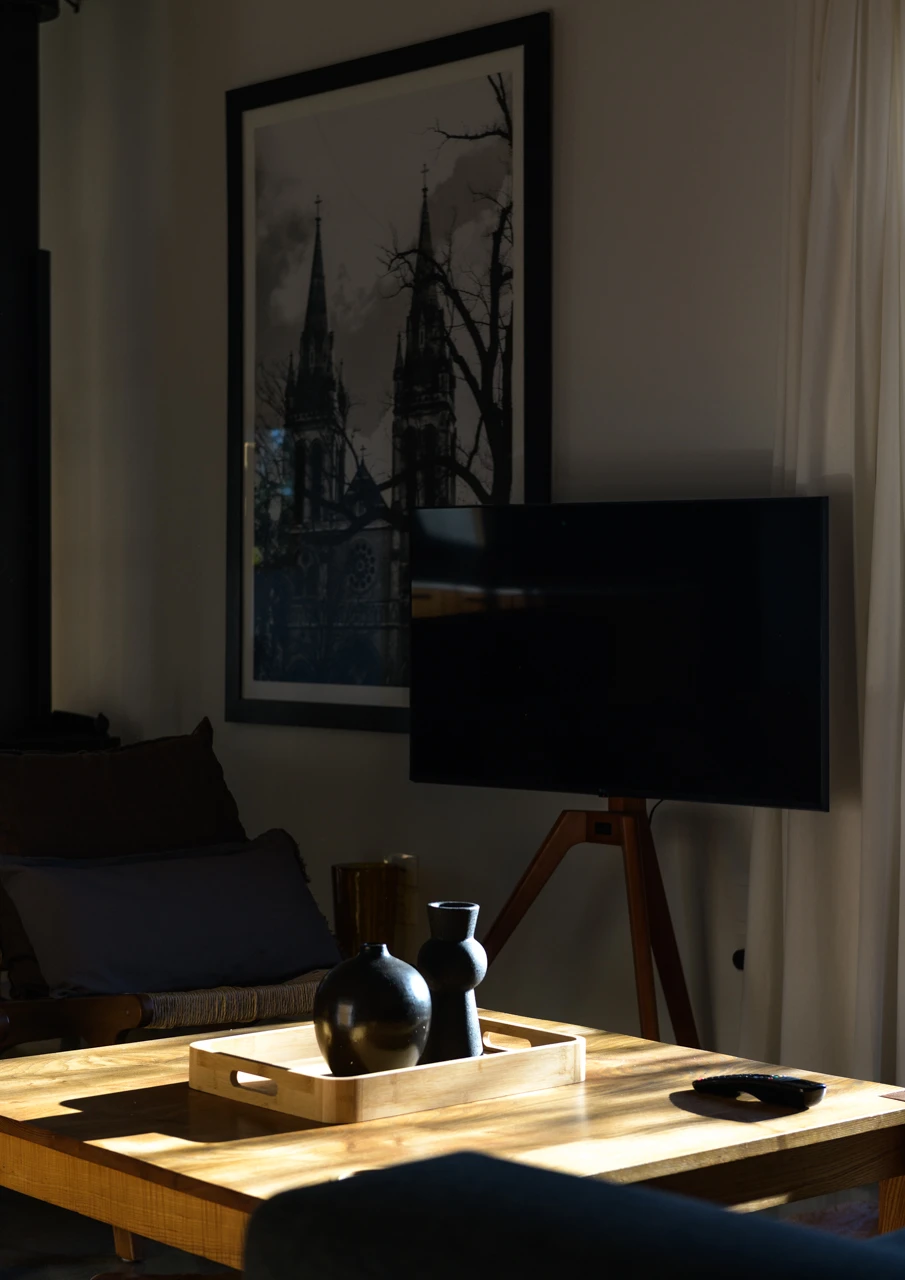
Some of the images are a little dark but I left them like that as the morning sun had just peeped through and everything became so bright in its contrast.

We are surrounded by enormous gum trees so the bird life is quite spectacular. The sounds, sights, and endless chatter, very noisy and colourful.

Black house with VW parked in front
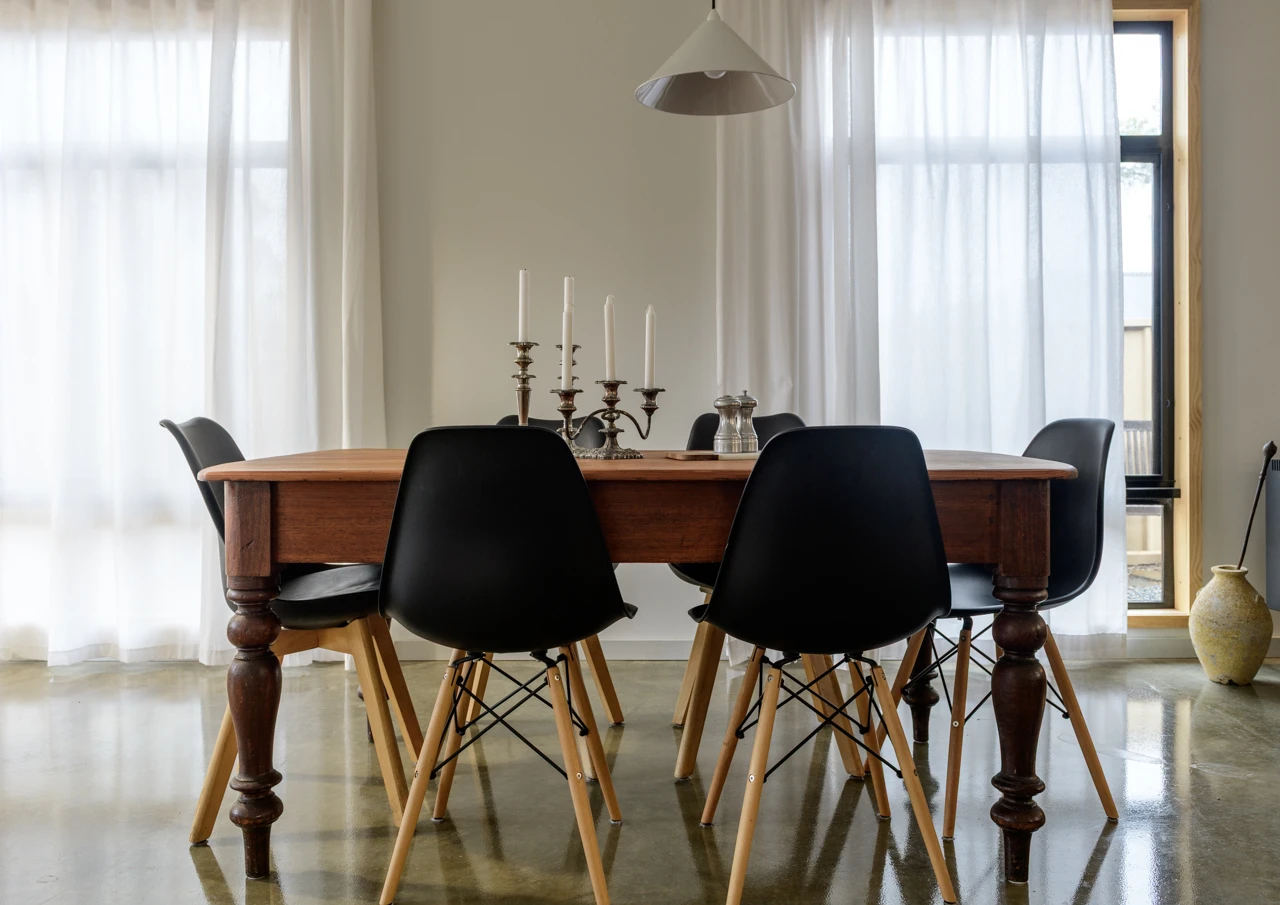
Dining room and candelabra
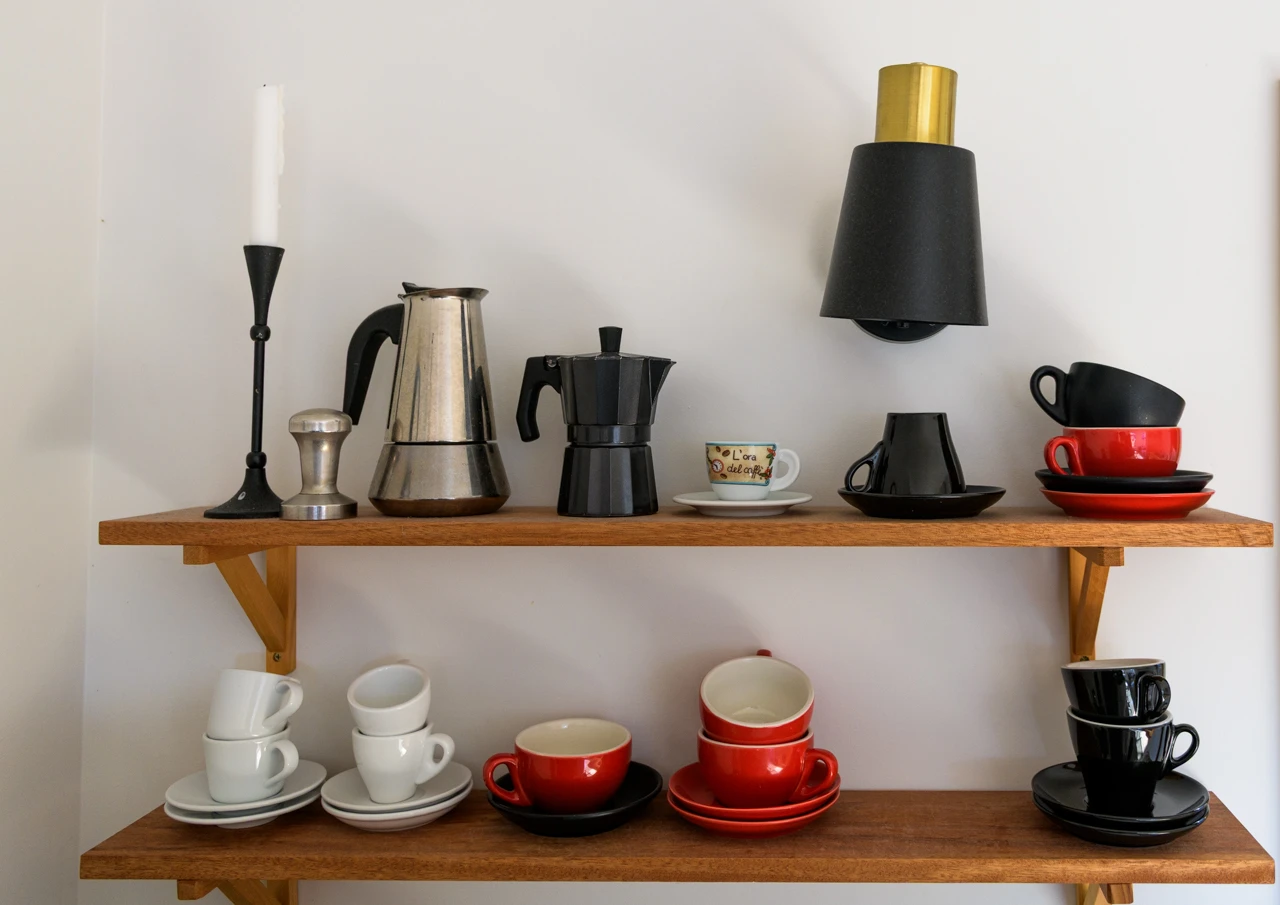
Coffee shelves and red coffee cups

A special spot designated for coffee, life just isn’t the same without coffee!!

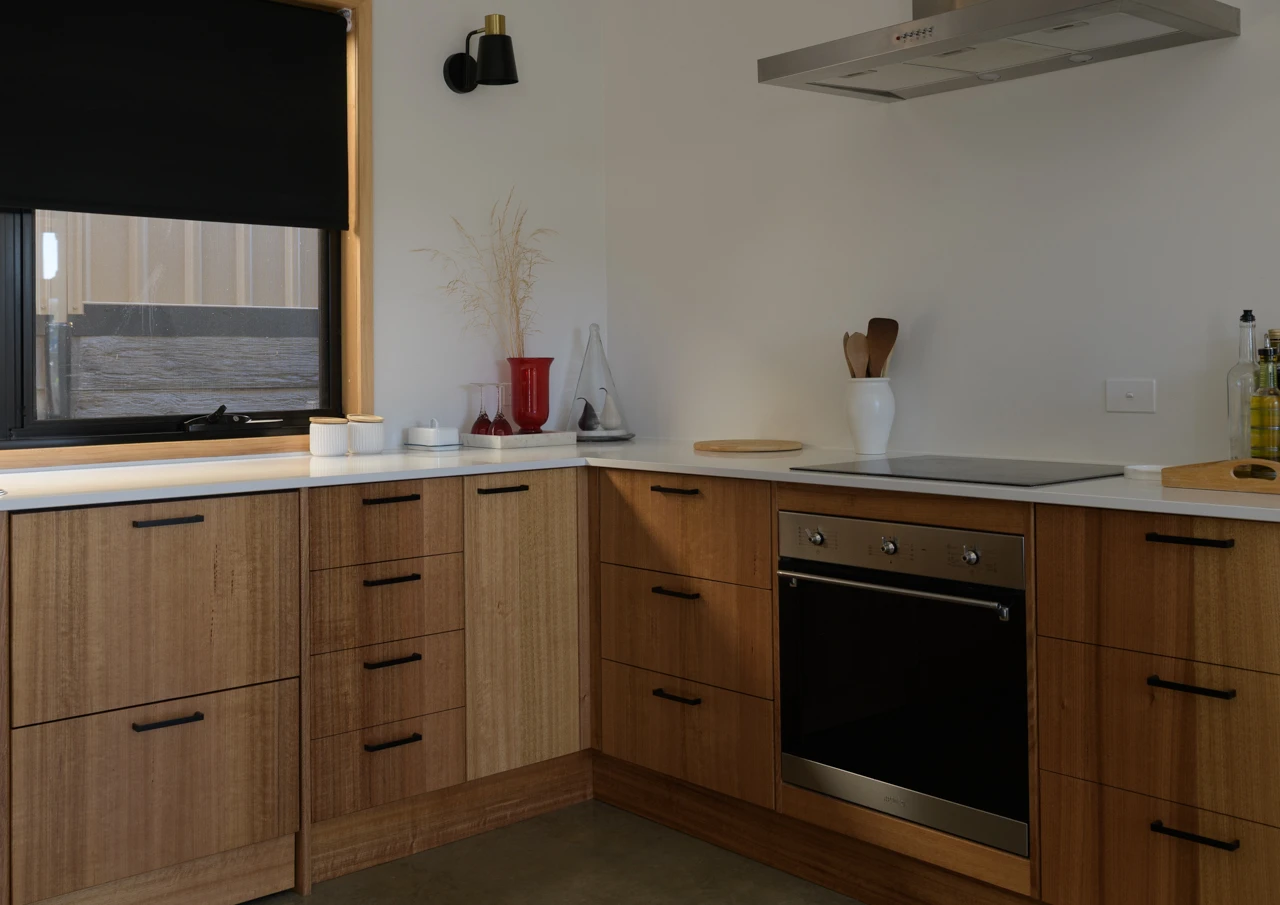
Kitchen with wooden cupboards

The kitchen. Very workable with solid wooden cupboards and draws.

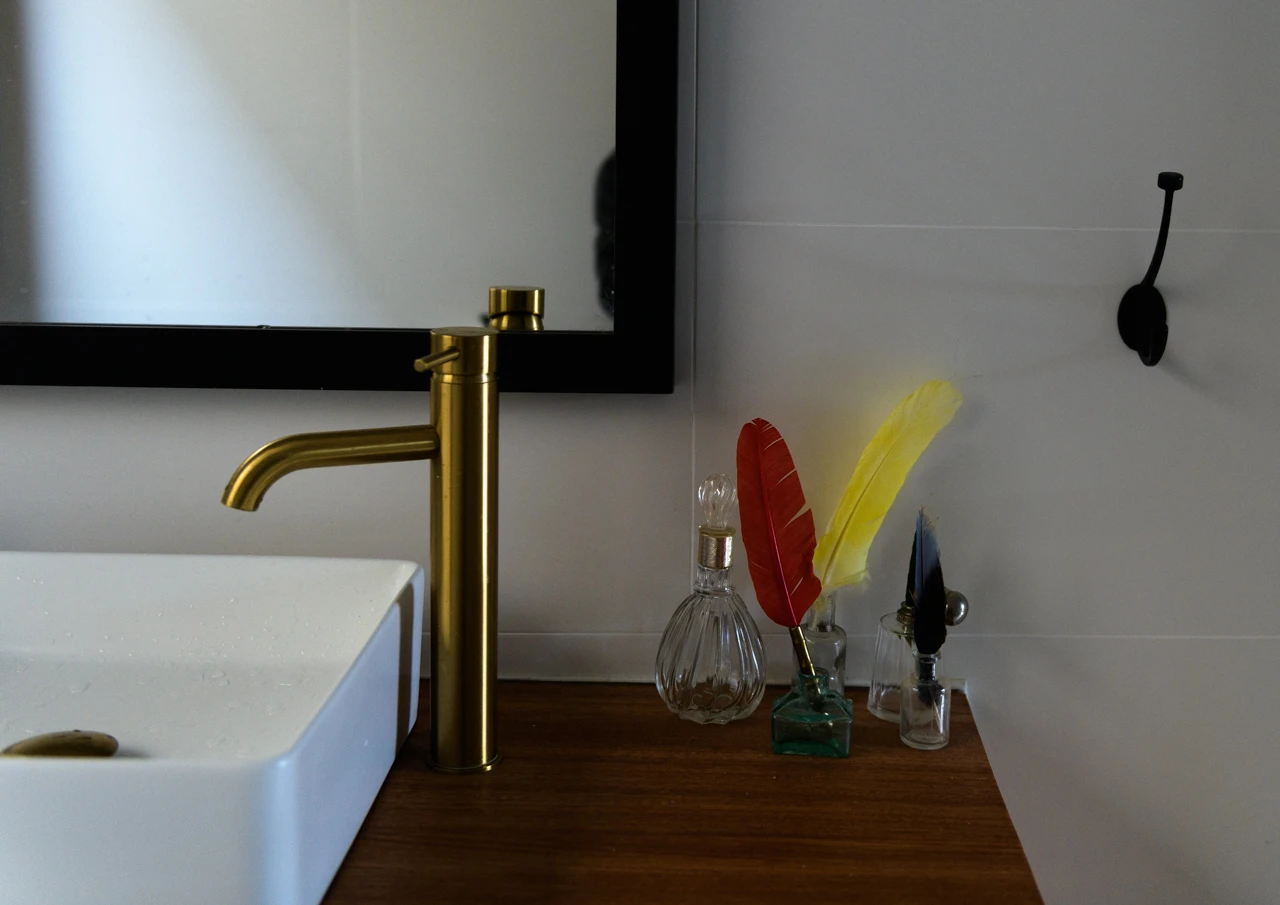
Bathroom with some feathers in old bottles

Feathers we have collected get put into old bottles in the bathroom.

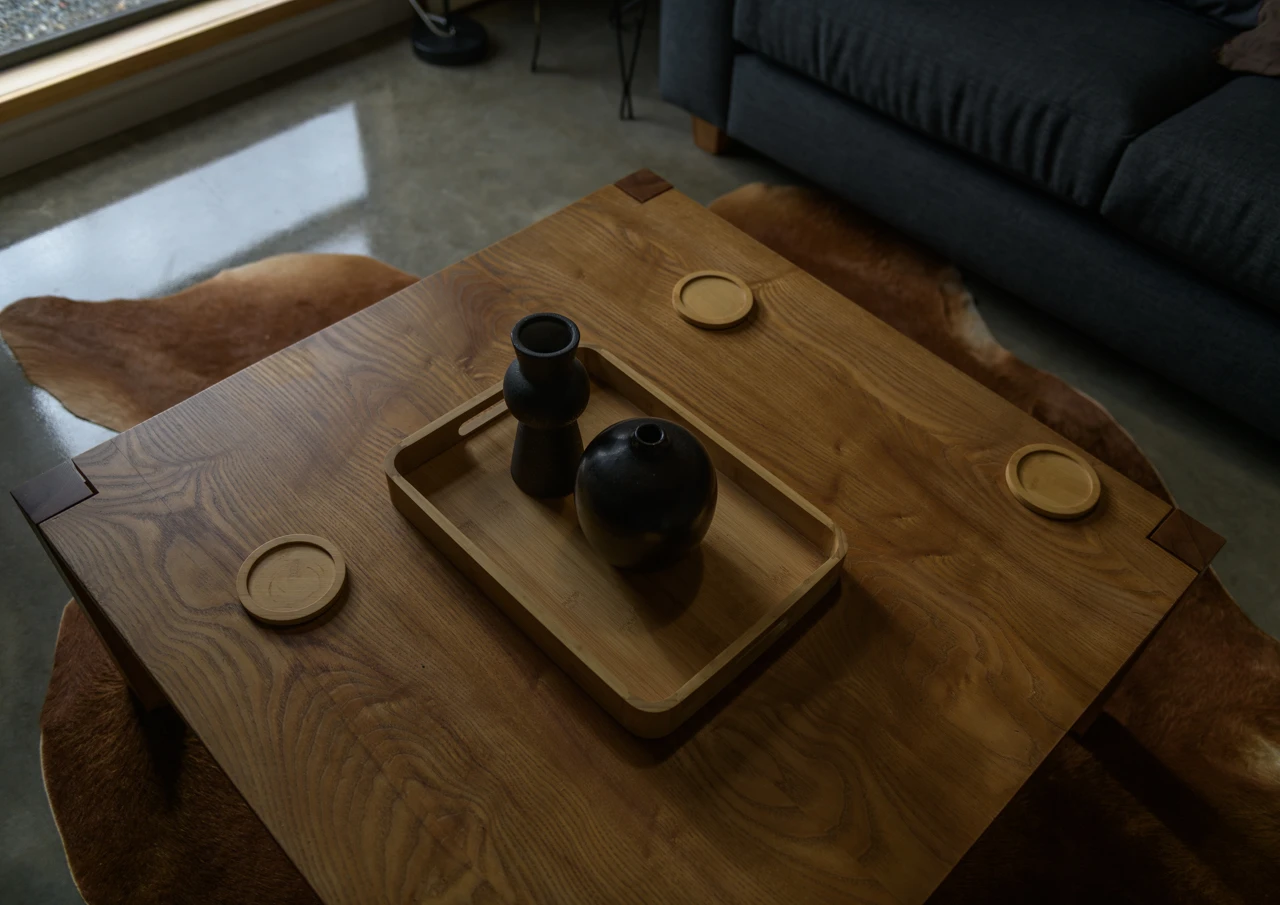
Coffee table wooden in lounge
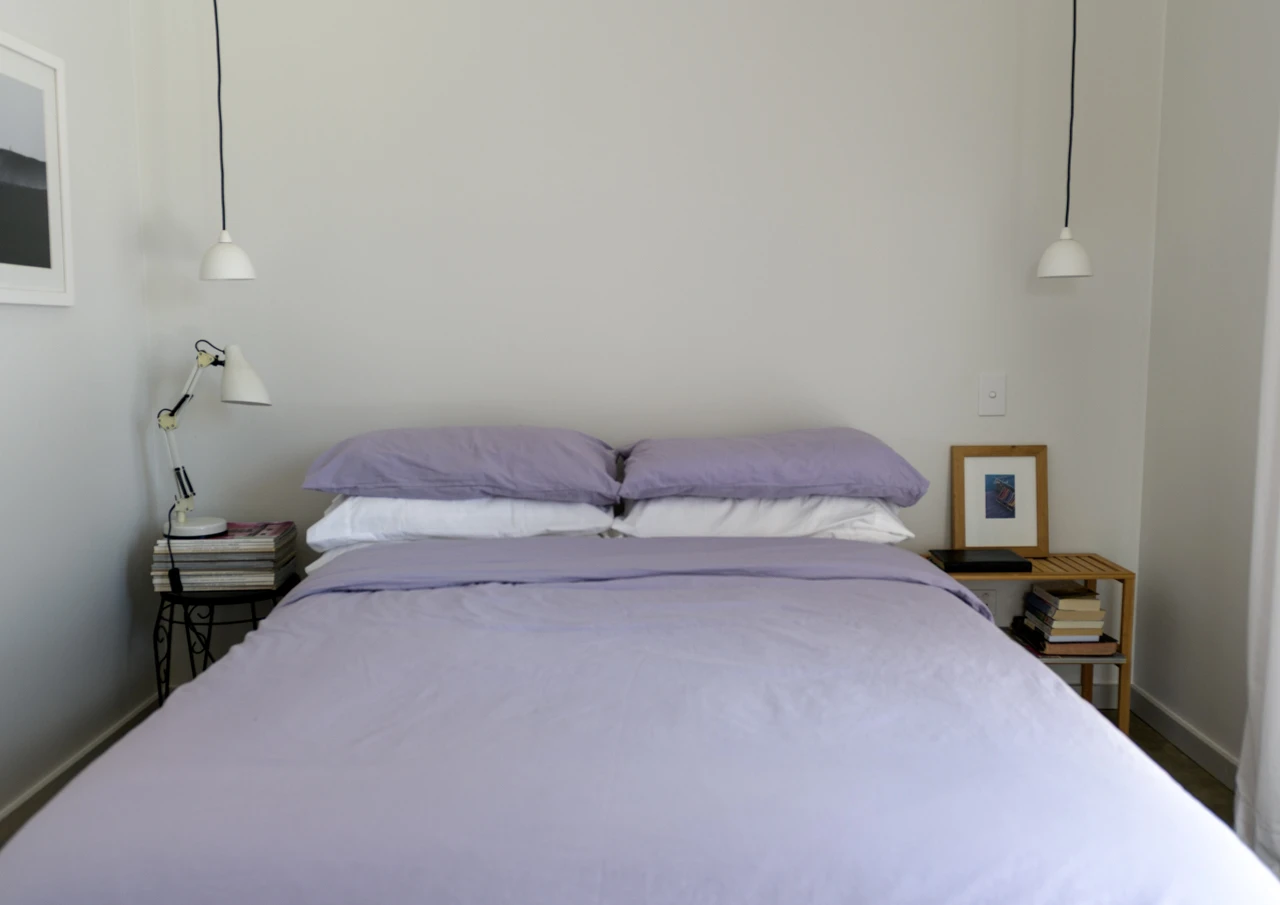
Bedroom with mauve duvet covers
Very dark but sun shining on coffee table
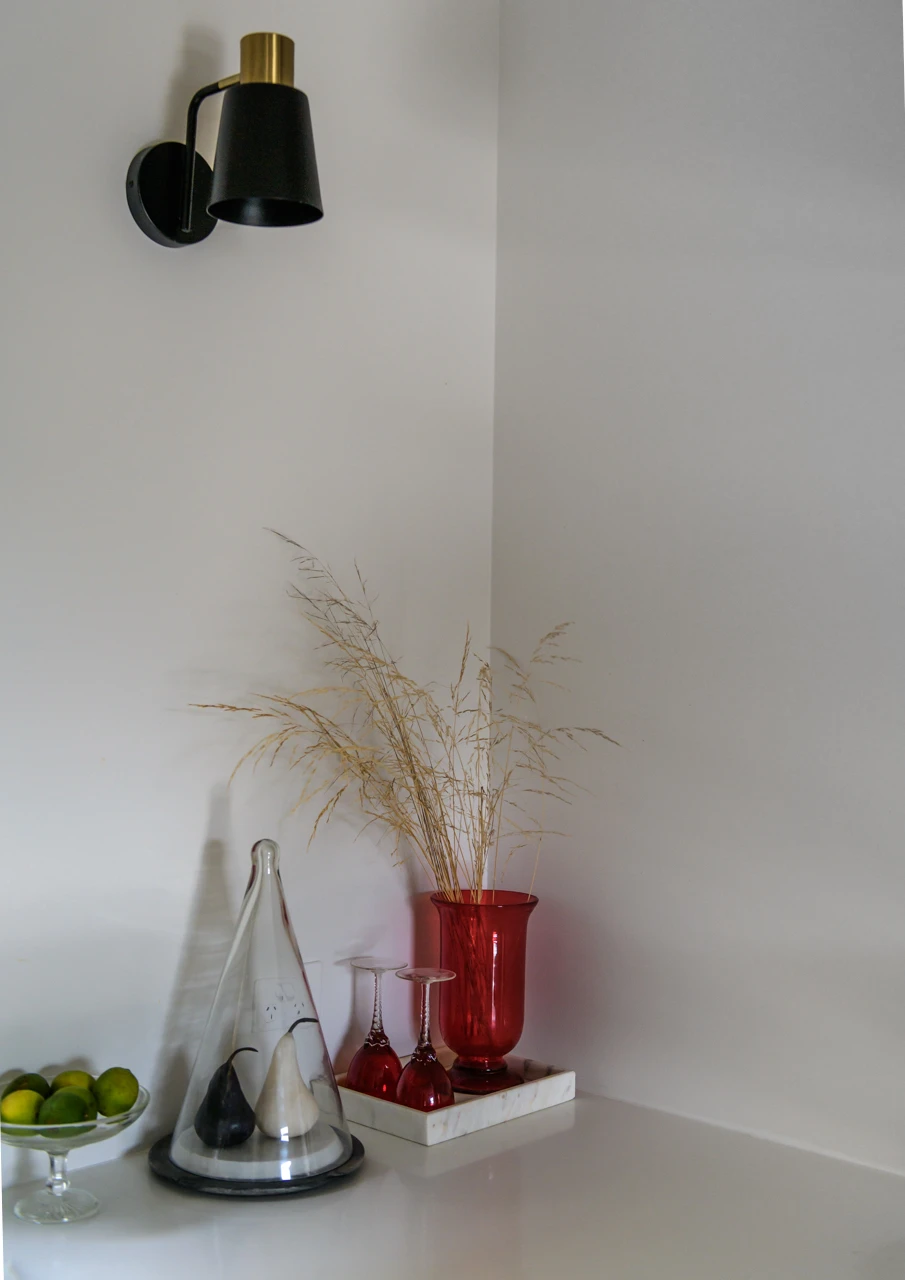
Kitchen with red vase and calosh
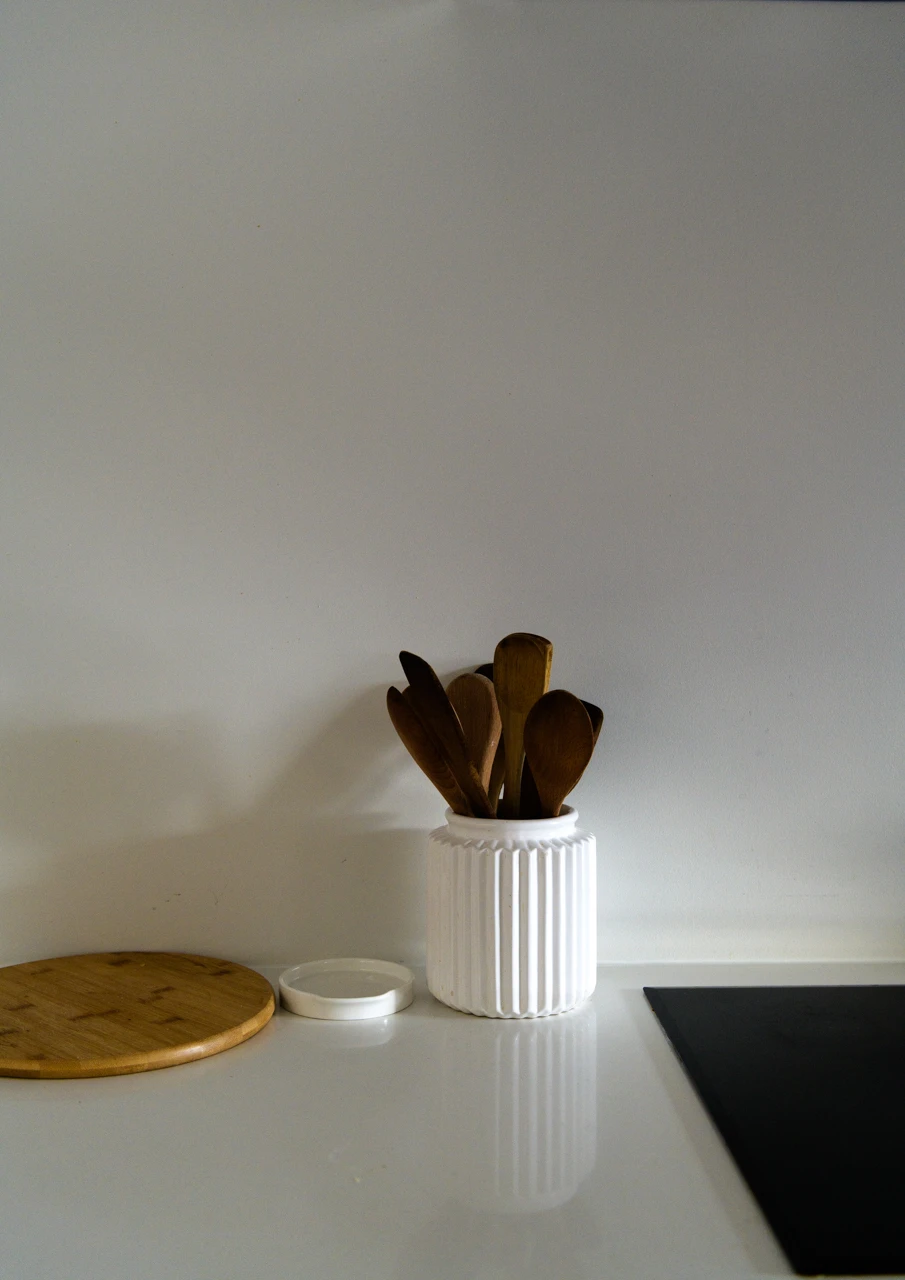
Kitchen wooden spoons
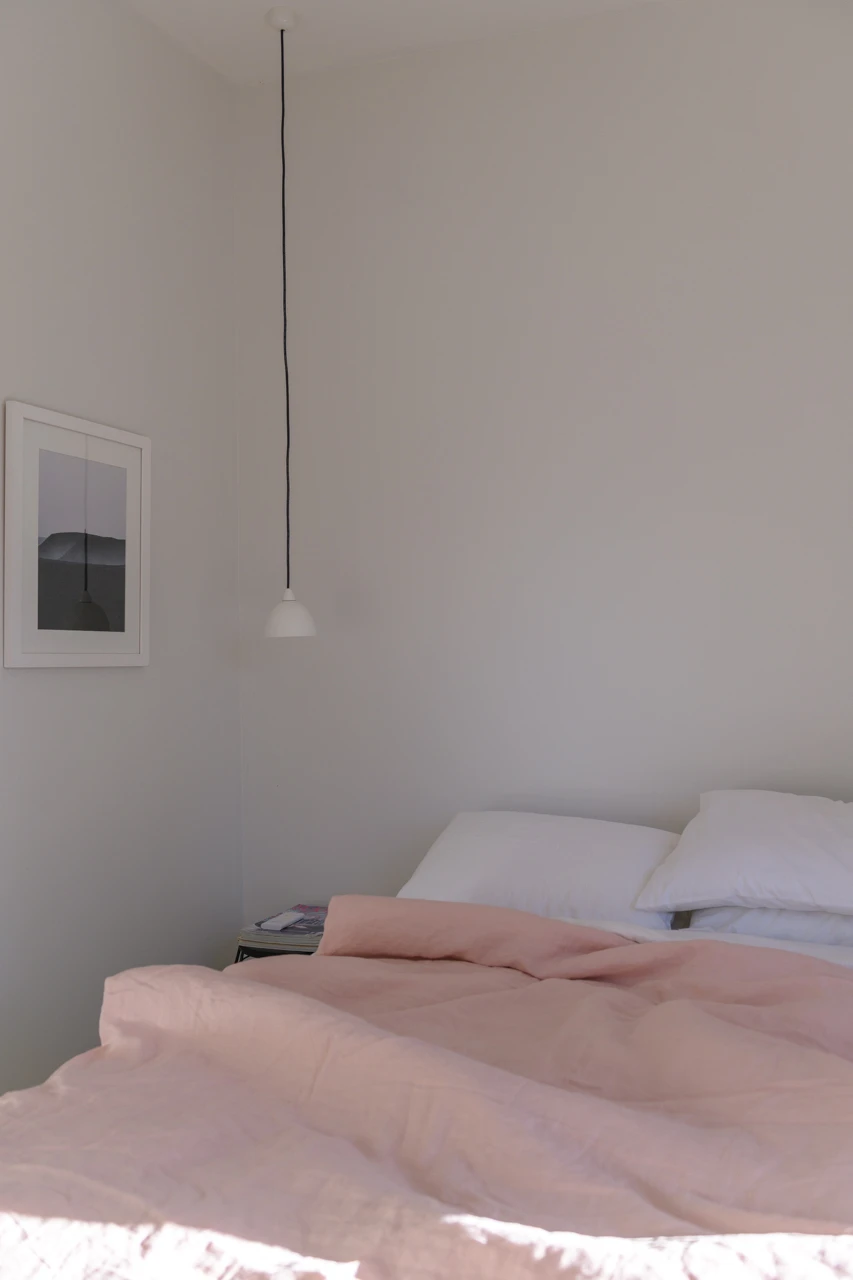
Pink bedroom and hanging light
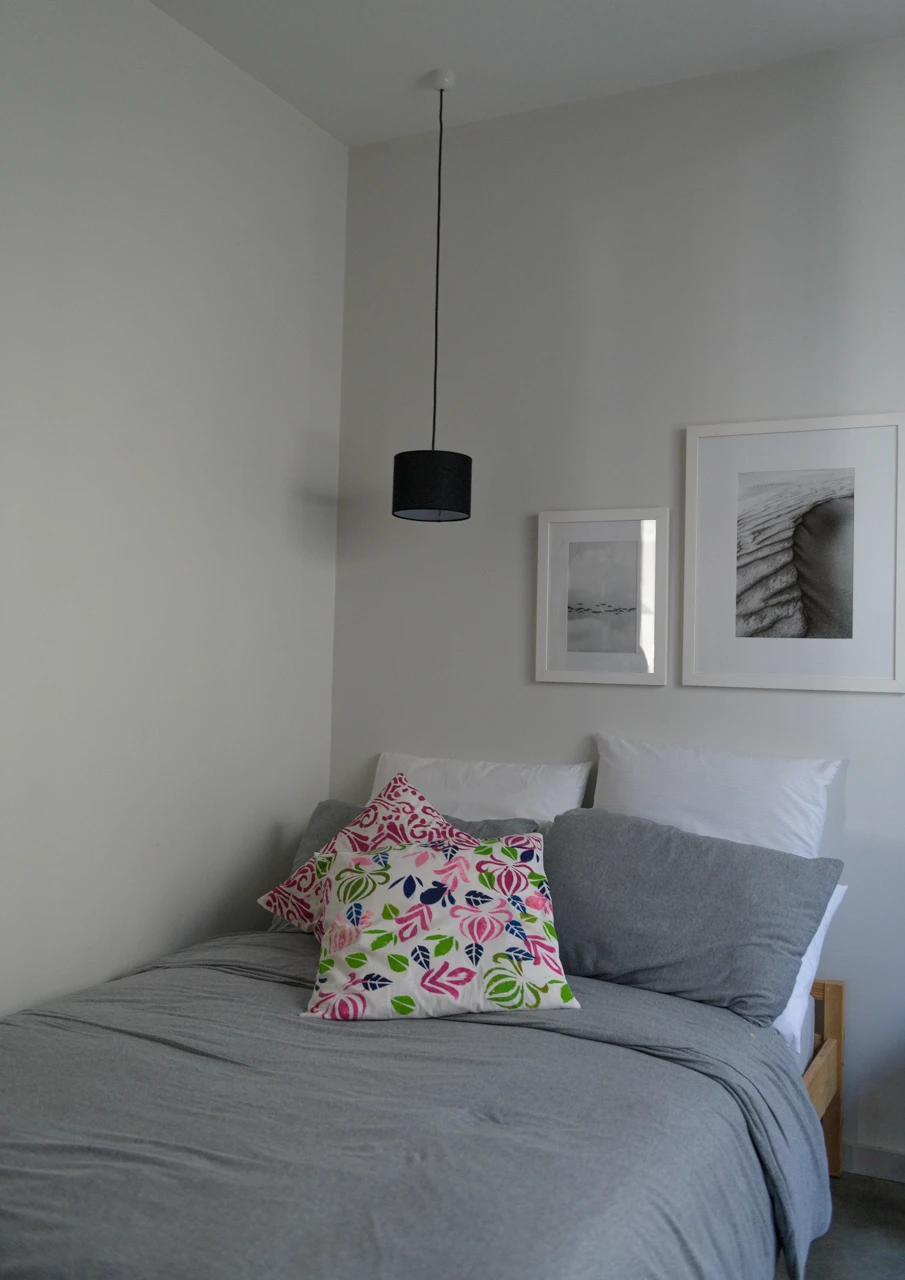
Grey bed in spare room

Spare room where the Grandies sleepover.

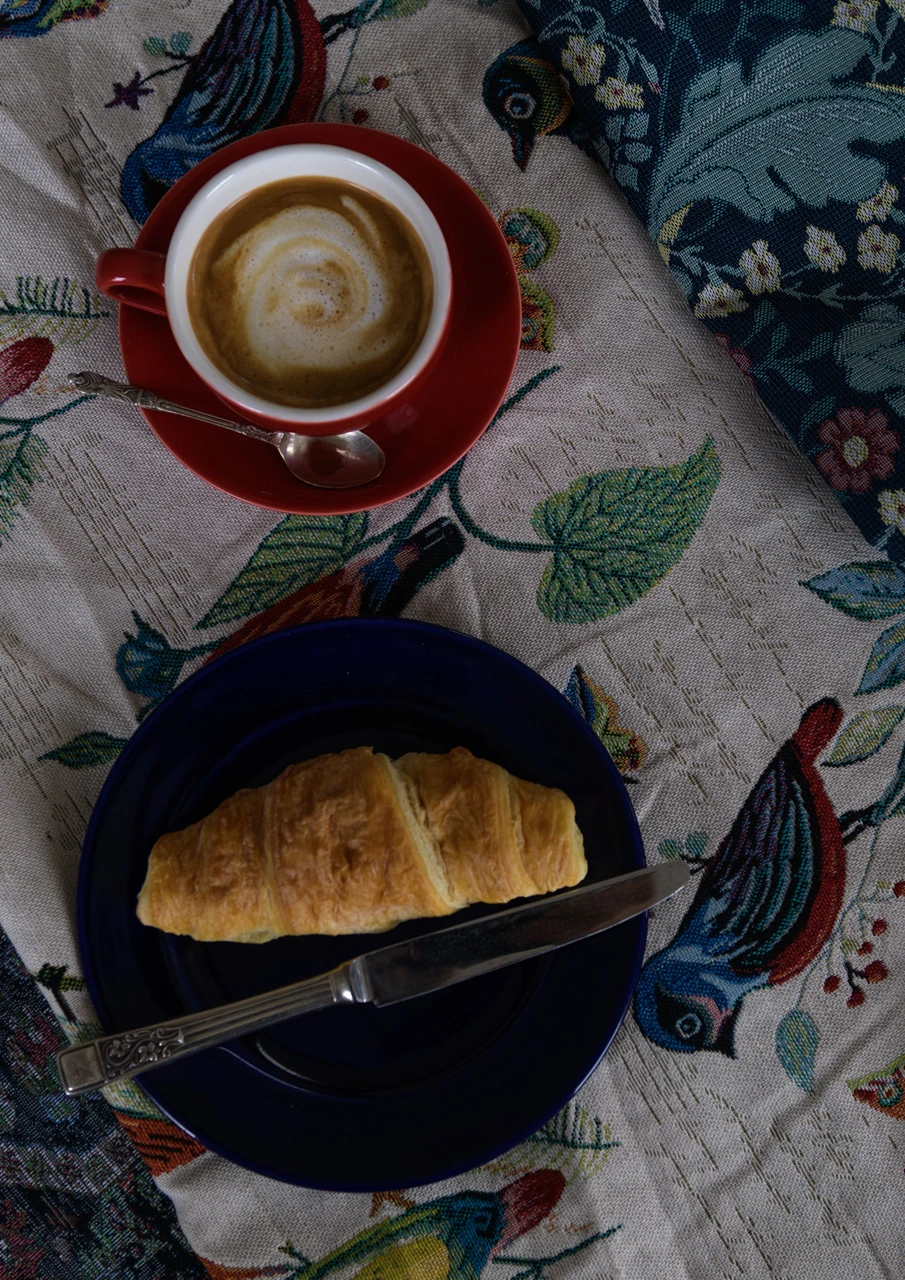
Coffee and croissant

I’ve gone a little French lately I have been watching a programme on Utube, called, “A  French country diary.”  I have added the link, if that does not connect, her name is Audry Fitzjohn. I simply love the lifestyle and her house and find the programme quite relaxing.

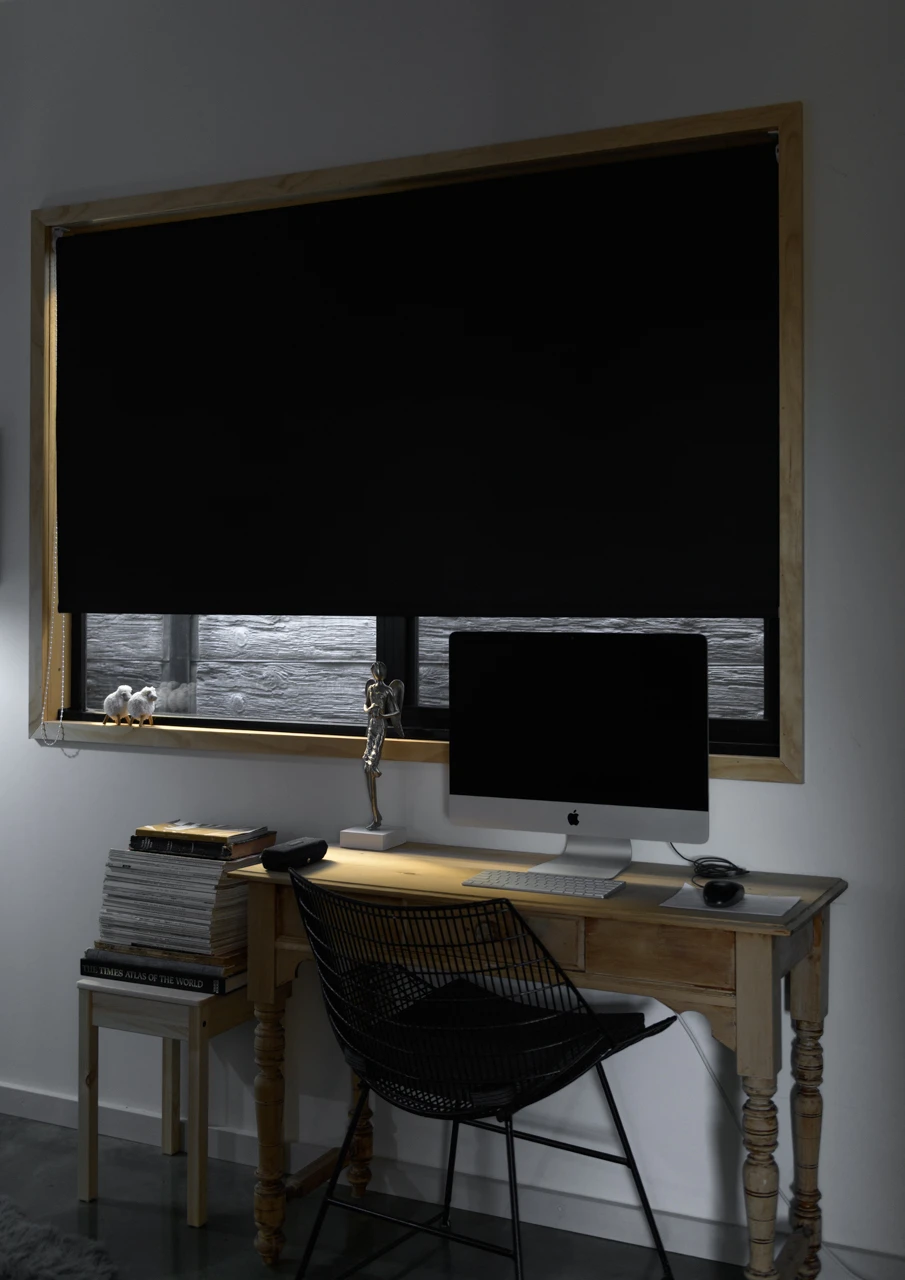
Study with wooden table and computer

My study with an old vintage wooden table

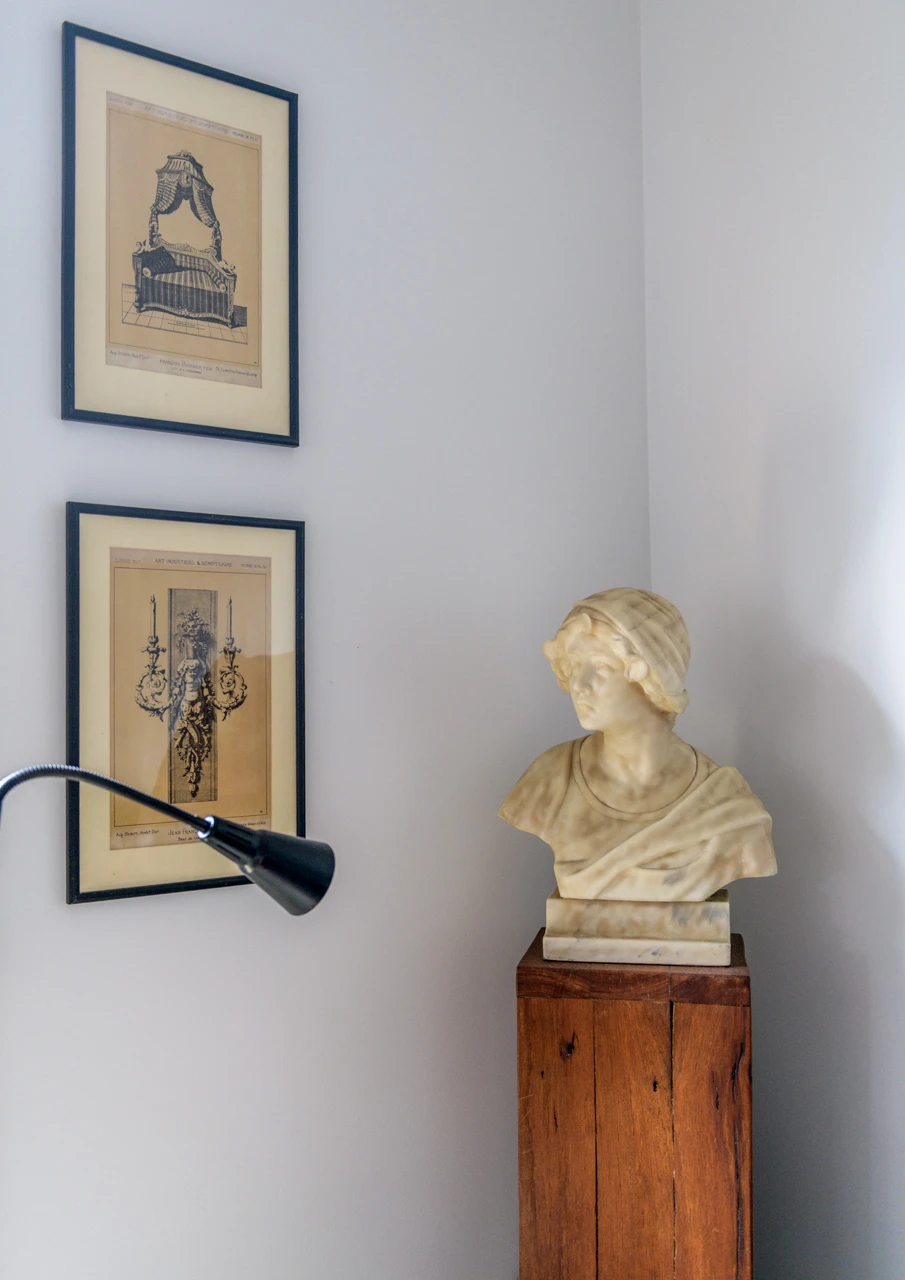
Statue and two black and white prints
Lounge and coffee table in the bright morning sun
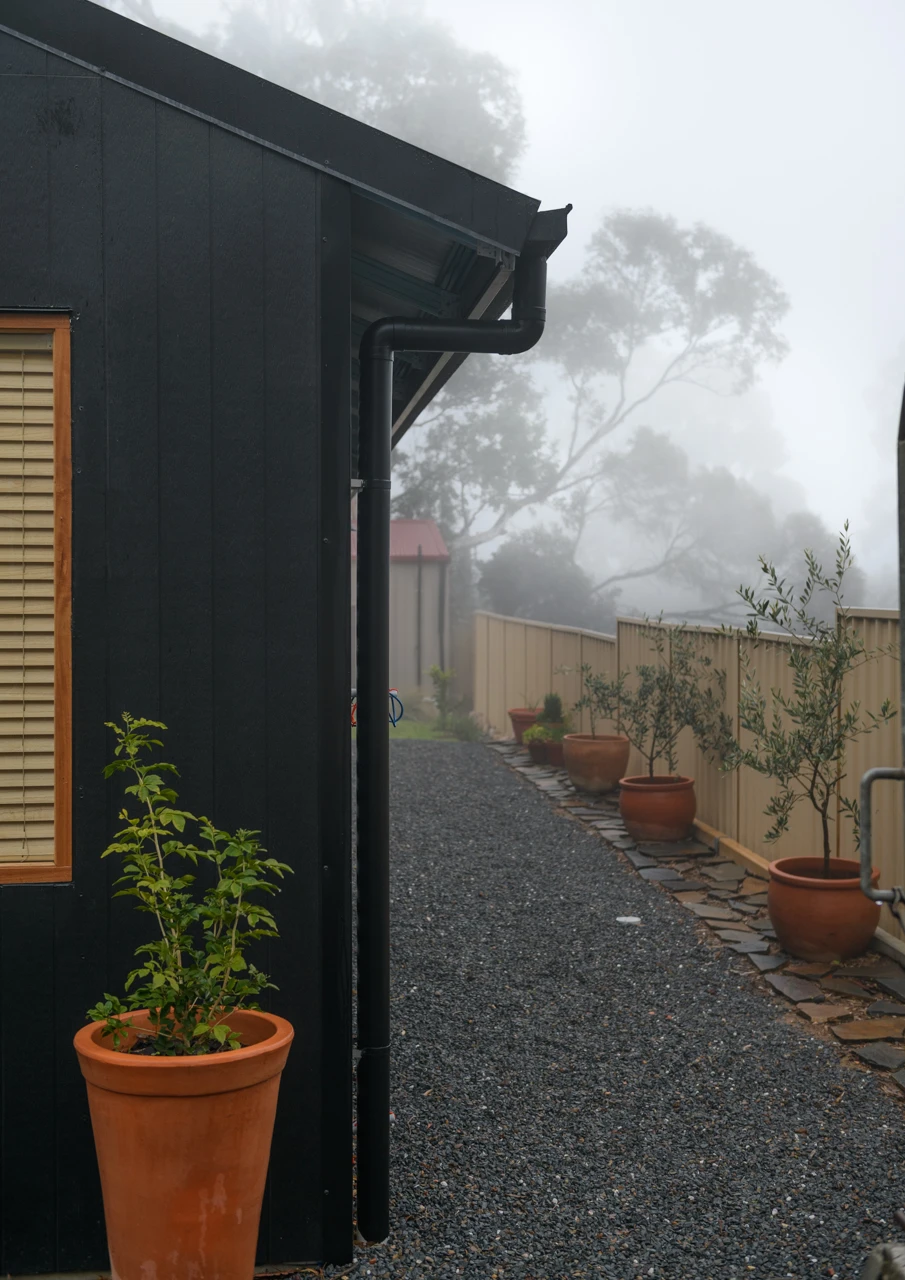
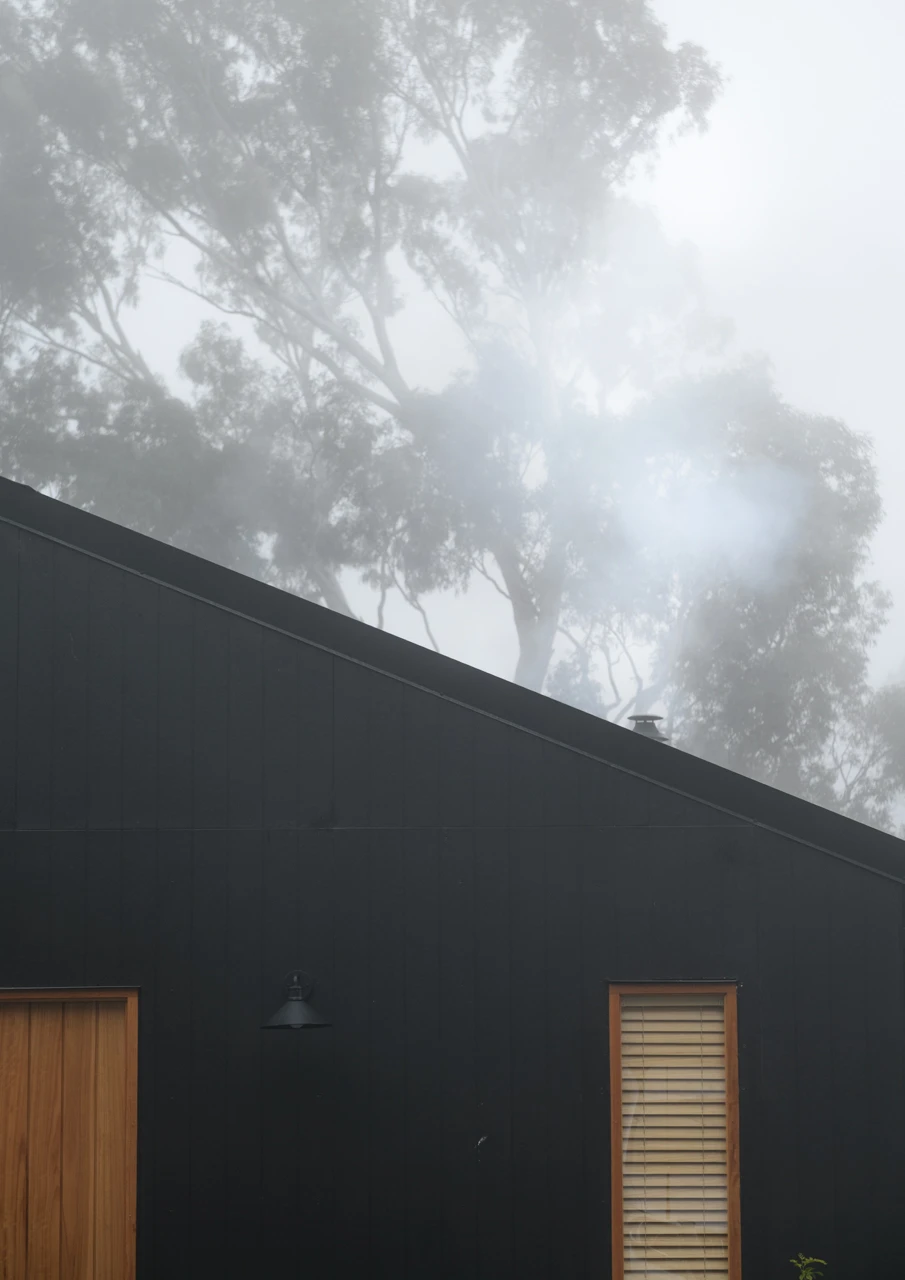
Black house on a foggy day
Black house and shingle with olive trees

Out doors on a foggy morning.

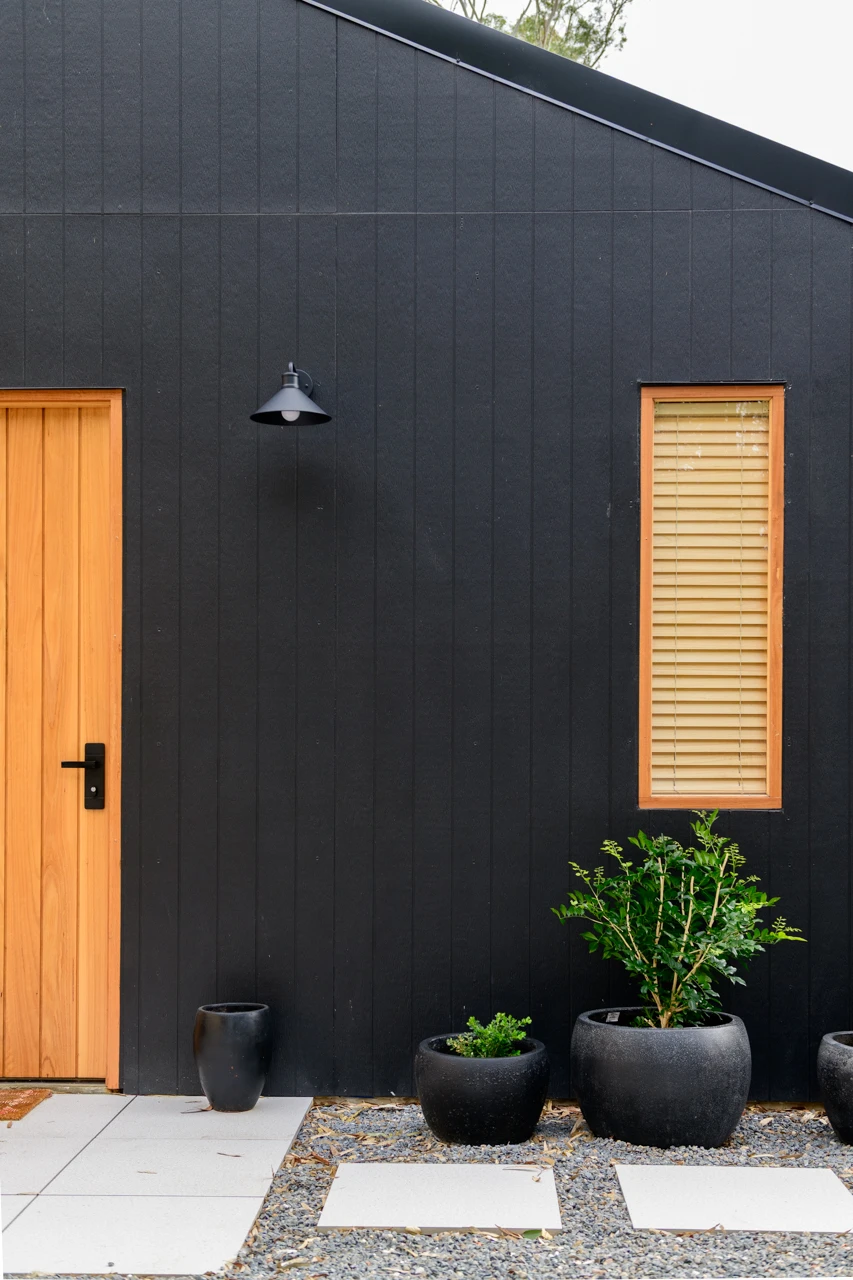
Out doors, black house and wooden front door

I am constantly arranging and rearranging. So I will try to keep posting new brocante finds and new furniture arrangements.

(All images are taken by Wendy Philip. No AI generated images.)
My web site is ad free, a peaceful and relaxing experience.

Photographing birds in the Australian skies

Photographing birds in the Australian skies

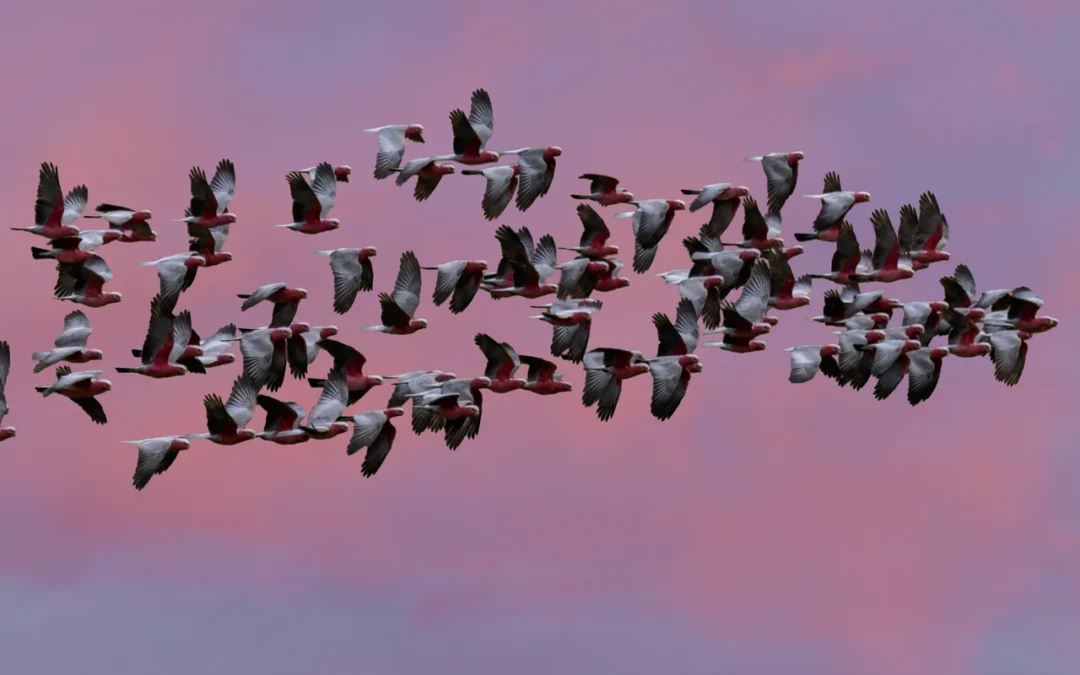
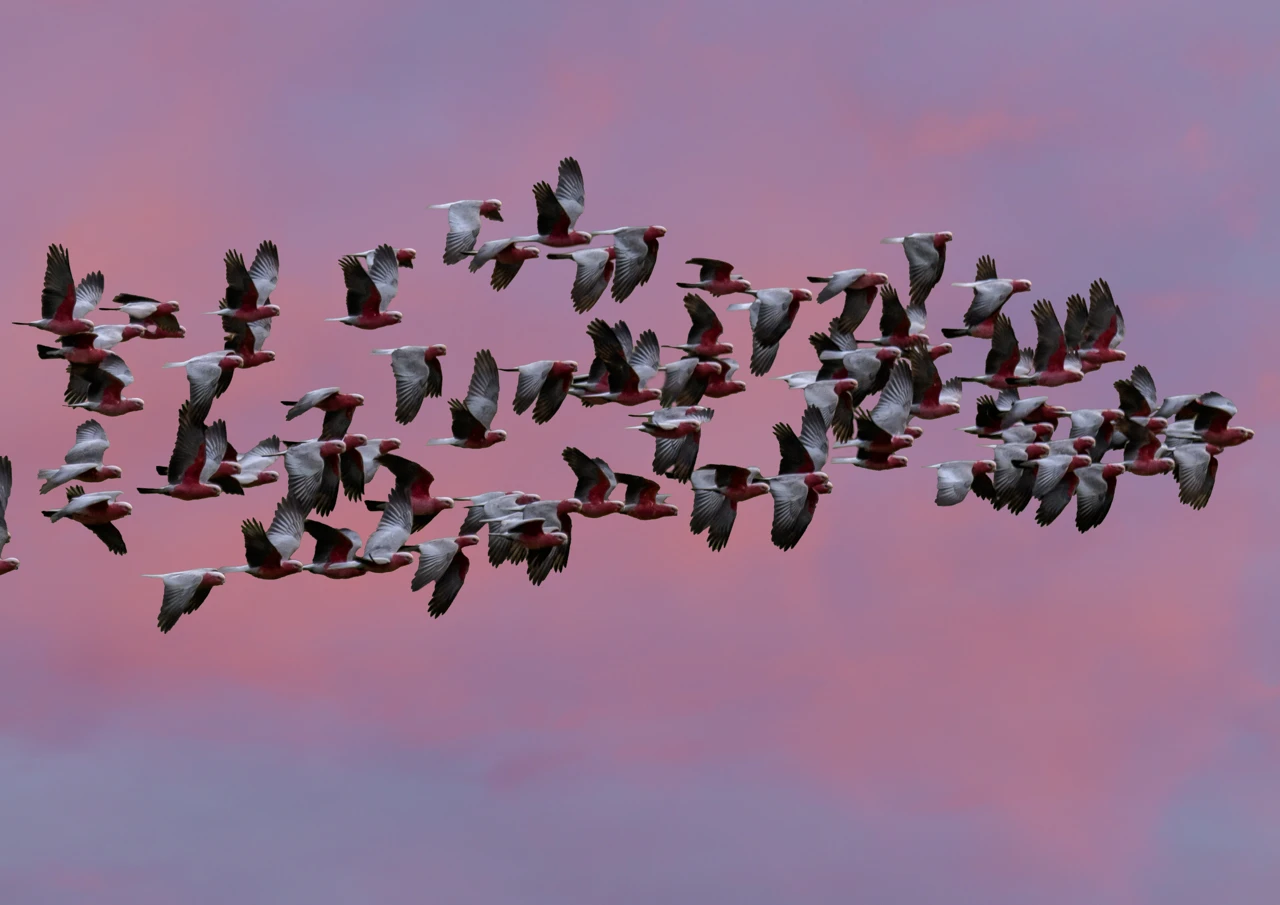
Pink galahs flying in a pink and red sky

Photographing the birds that fill the sky in South Australia provides us with endless opportunities.

Australia has a conglomerate of colourful and unique birds.

Creation is indeed marked by variety and beauty, God’s word says…..

Psalm 84.3 The sparrows have found a home and the swallows have nests. They raised their young near your alters Lord

Psalm 104.12 The birds of the sky nest among the waters they sing among the tree branches.

Birds have an airy and supposedly dreamy way of life,

…..roaming the space above the ground. We humans are earth bound and often wonder what it would be like to view life from above. Birds give us a sense of freedom and happiness. They seem to frolic from dawn to dusk, exuding life, power and joy.

Although I am not a specific bird photographer, I love to photograph the emotional vibes that birds give off.
That feeling….that spiritual force you feel when gazing at their daily activities. Fragile, light and soaring to heights that we cannot quite reach in the way that they do.


When photographing birds:

1. Try and get as close as possible, moving really slowly or otherwise try to conceal yourself behind some bushes or trees.
2. I use the fastest shutter speed I can. Often up to 1800 or more depending on conditions.
3. I use the movement setting but will turn to stationary if the bird is sitting still.
4. My aim is very much to portray a feeling, not really to capture a bird in a super clear and technical manner.

When editing my photographs:

I may add a new sky if I think it benefits the frame. I will often brighten and add a hint of colour to the bird. Mostly I simply let my creative side go.


Here are a few of my secrets revealed….

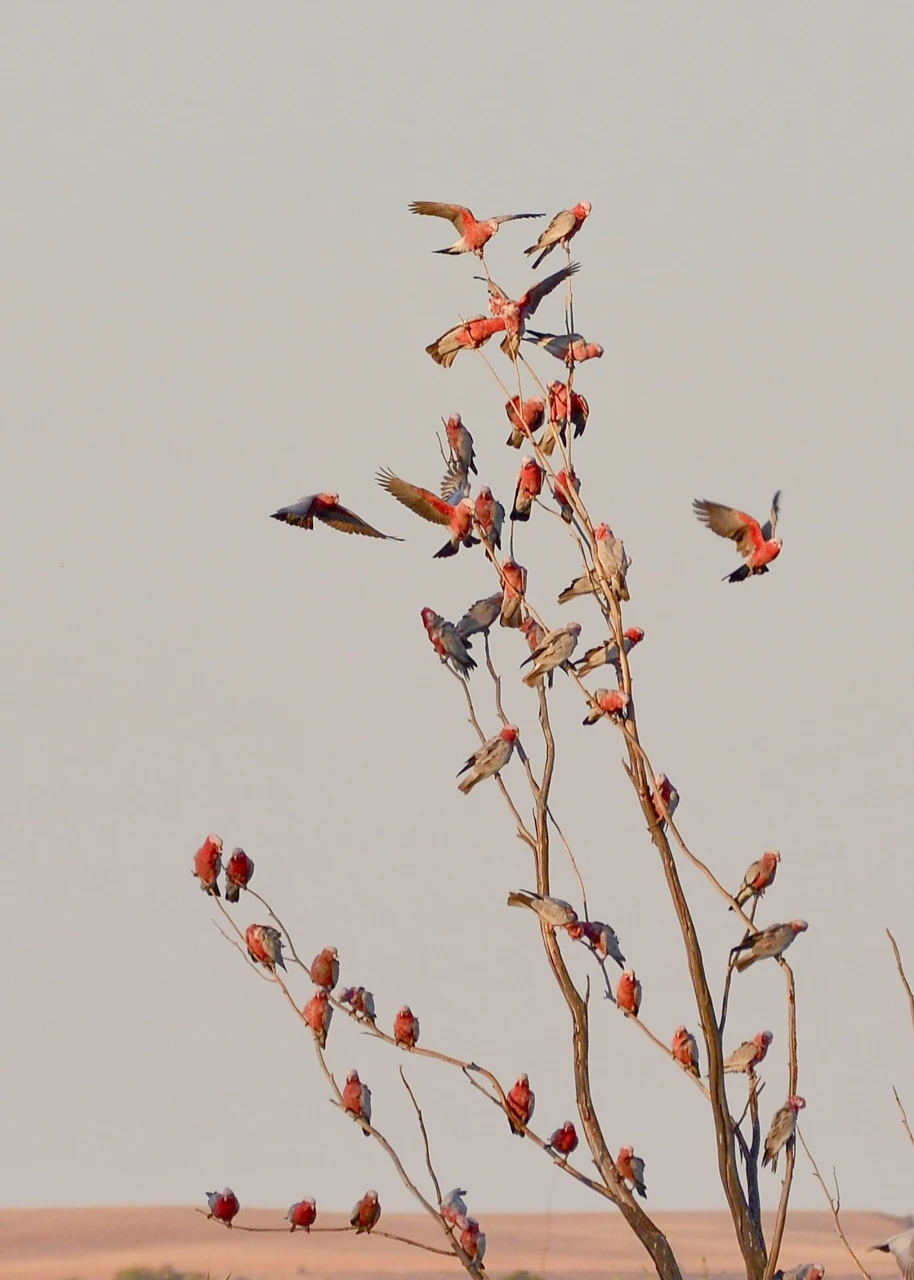
The galahs were in a green field and using photoshop I put them into a pink sky.

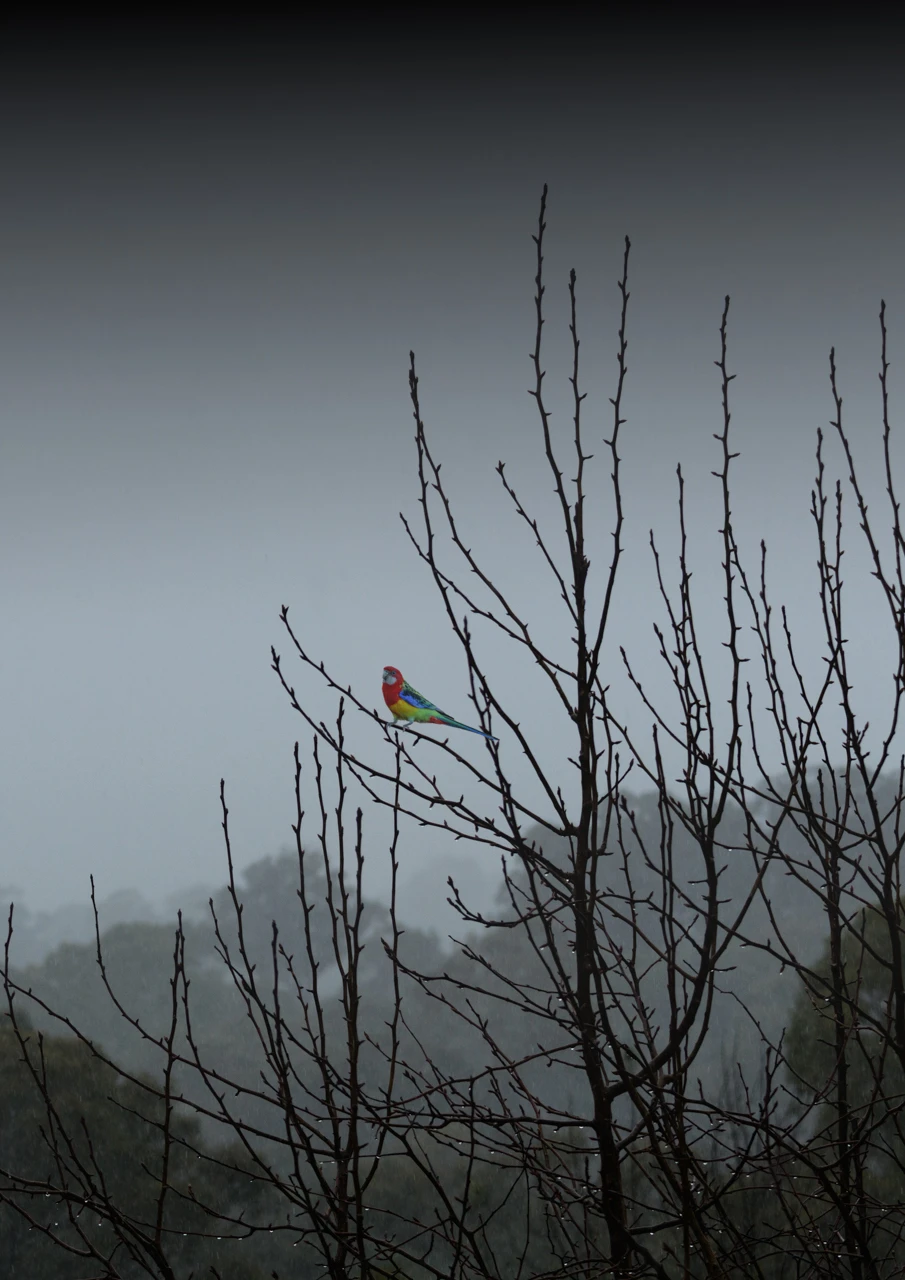
The rosella was on our roof, I cut it out using photoshop and put him into an image I had of our next door neighbours barren fruit tree.

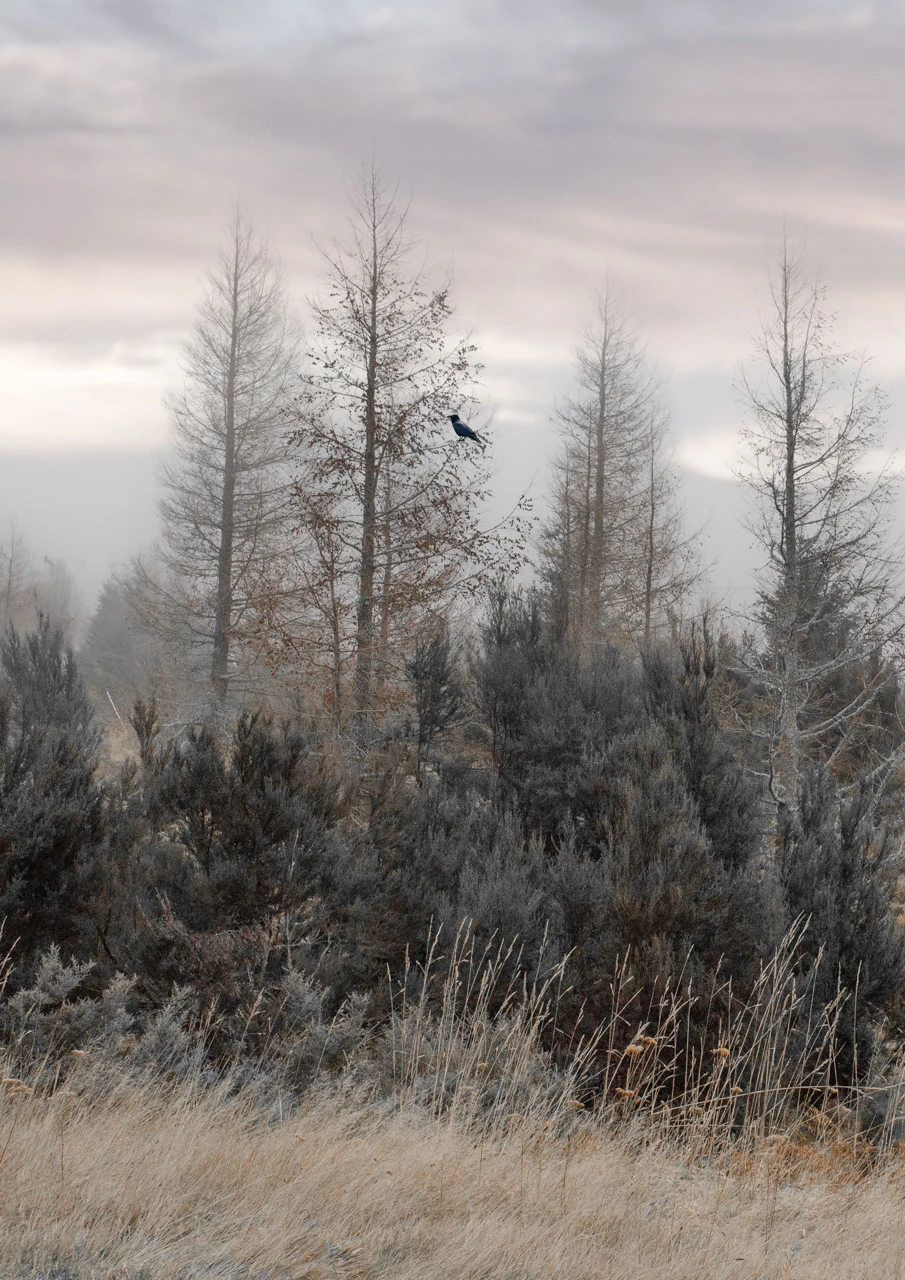
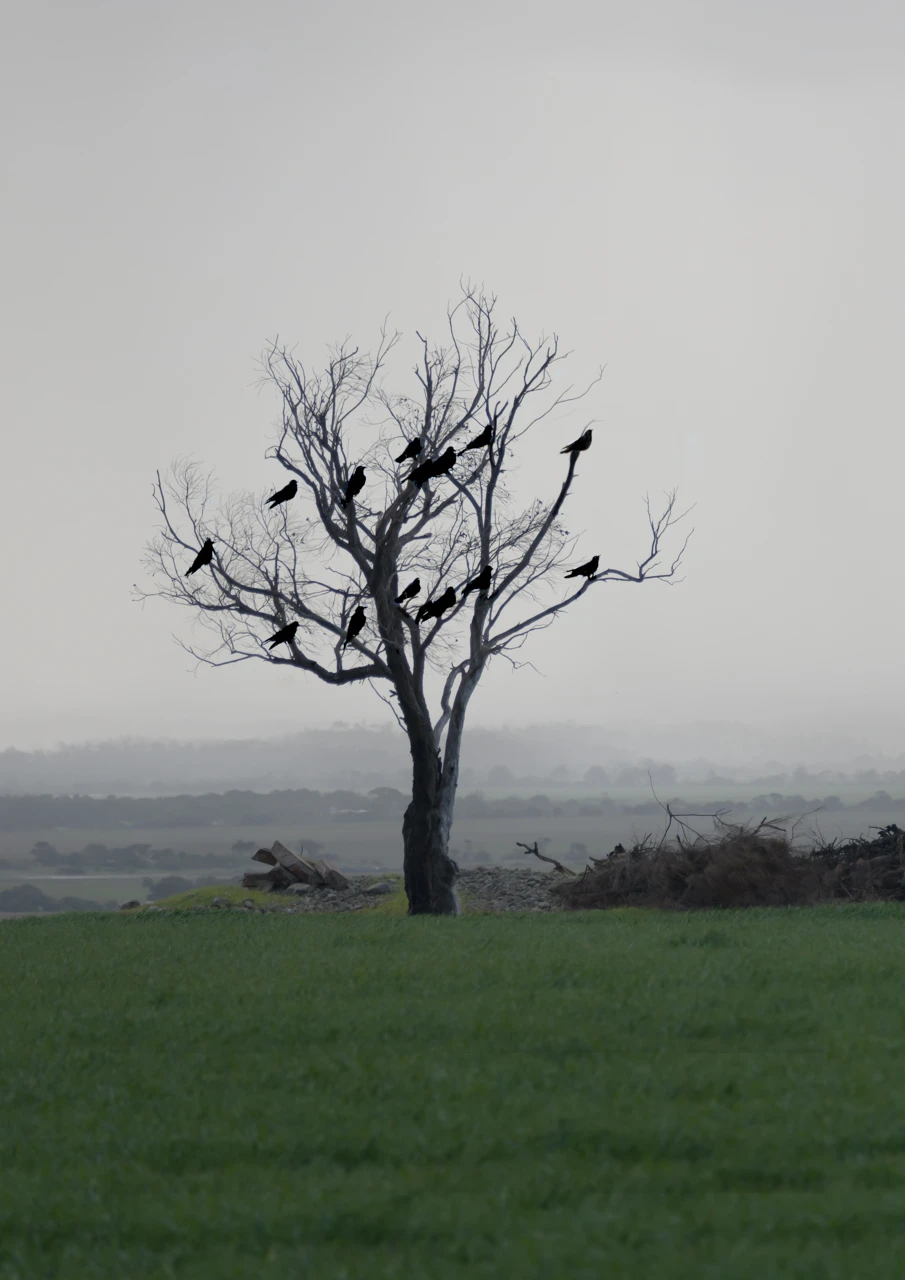
There were only two crows in the black tree in the green field. I added a few more. I used the clone tool and also PNG’s of birds I had in my library.

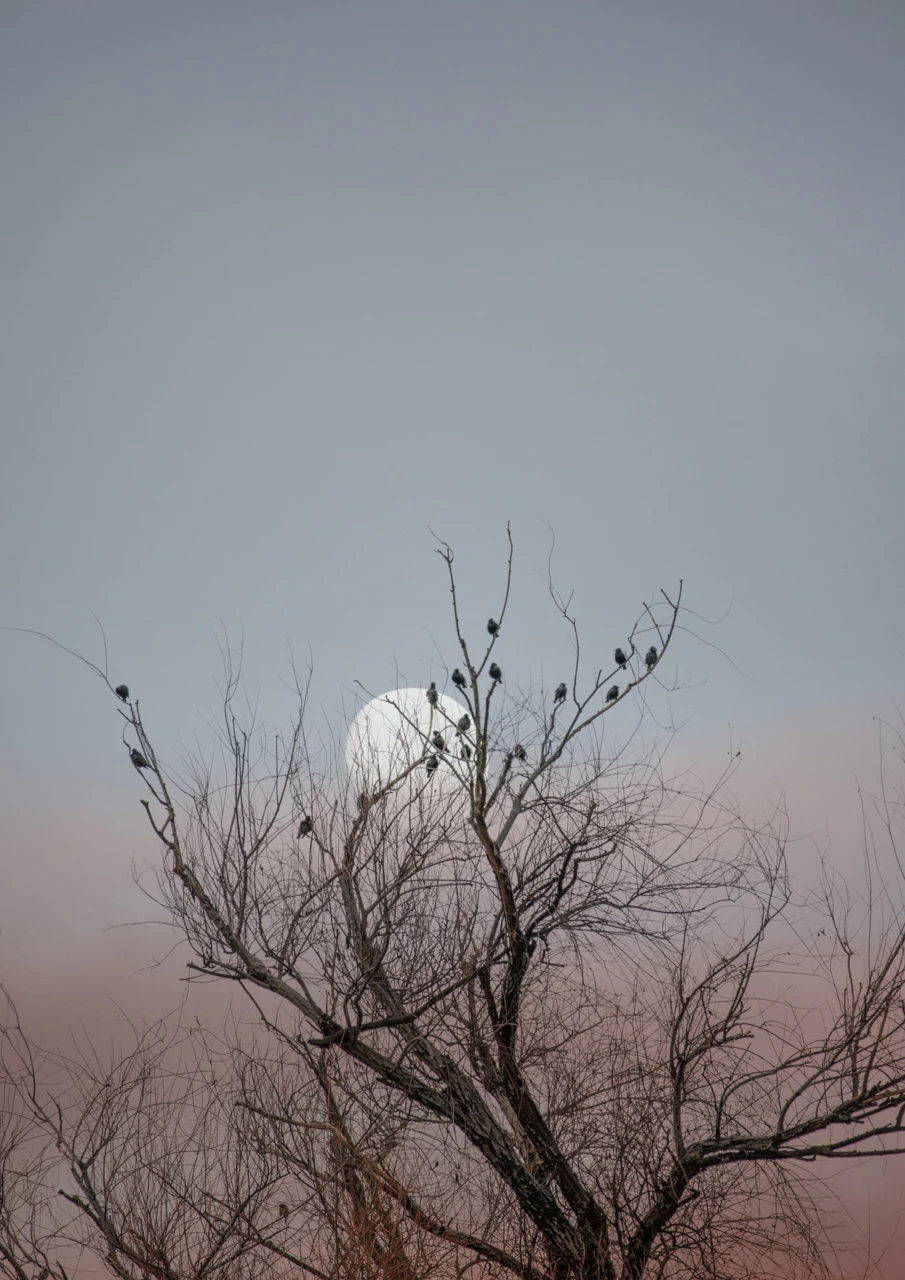
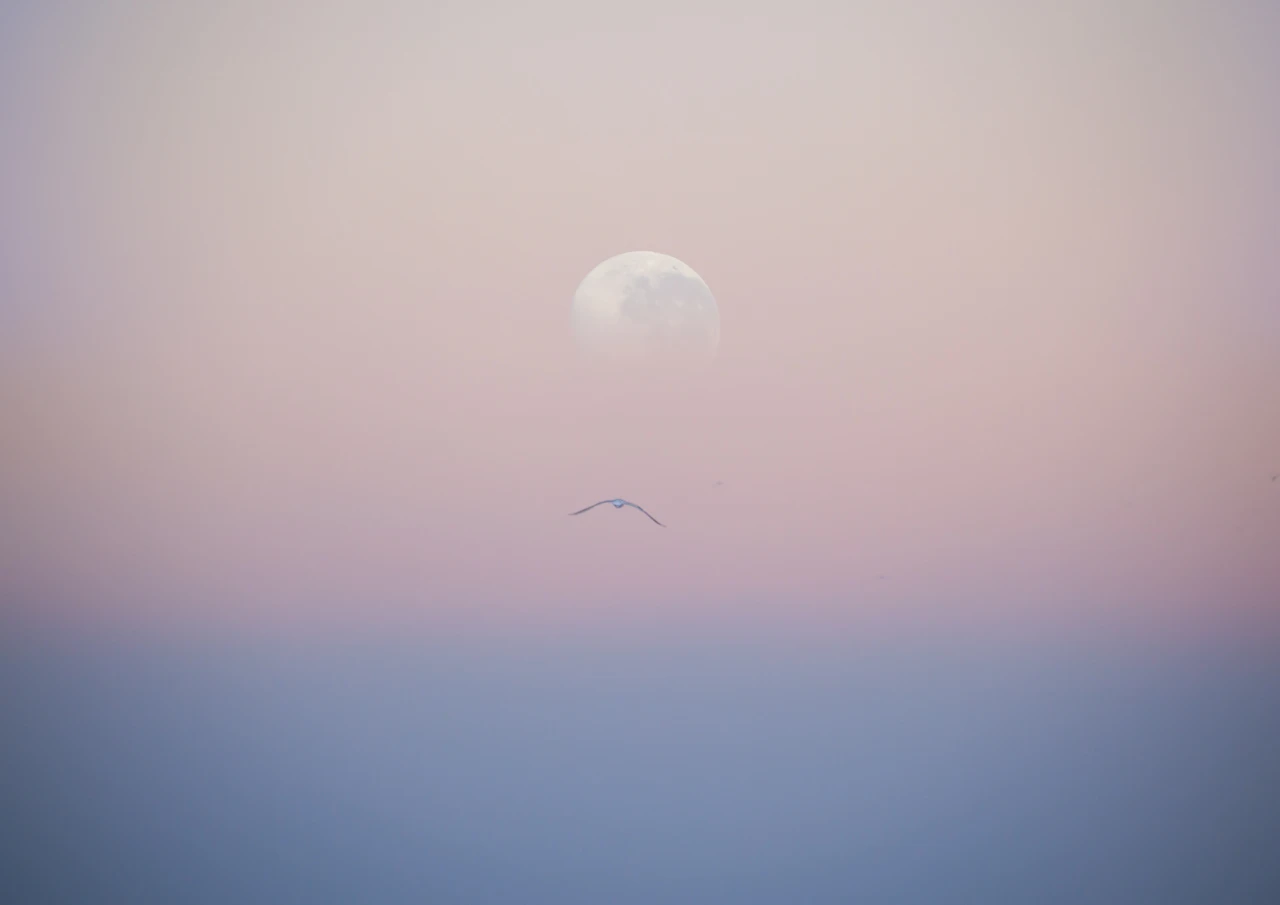
The moon has been added into some photographs, but on others it was actually there.

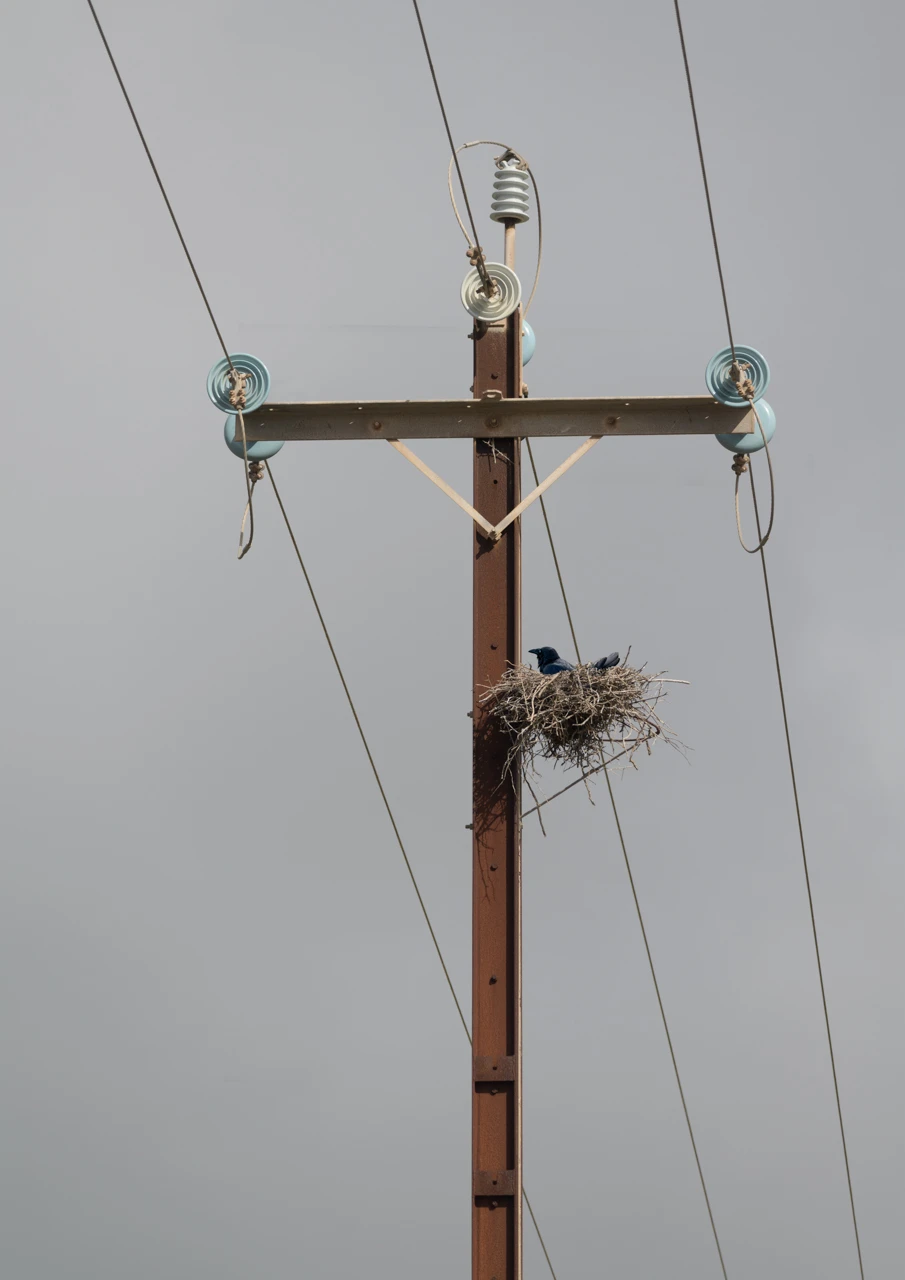
Lastly, the bird in the nest in the power pole has been added in. He actually was sitting in the nest but flew off when I stopped the car. Very annoying, so I added one of my previous images of crows to this nest.

I encourage you, it’s about having fun, experimenting and doing what you love. Like I have said, I photograph birds to evoke a feeling, a sense of mysticism, of the unreal… something I cannot describe in words. It perplexes my soul and fills me with awe.


My photographs below are simply of moments I have felt a connection to the bird life around me.

Rosell in our back yard in an old dead tree
Trees in winter with crow sitting. Lyford ski area New Zealand.
Ravens in an old tree in a green field
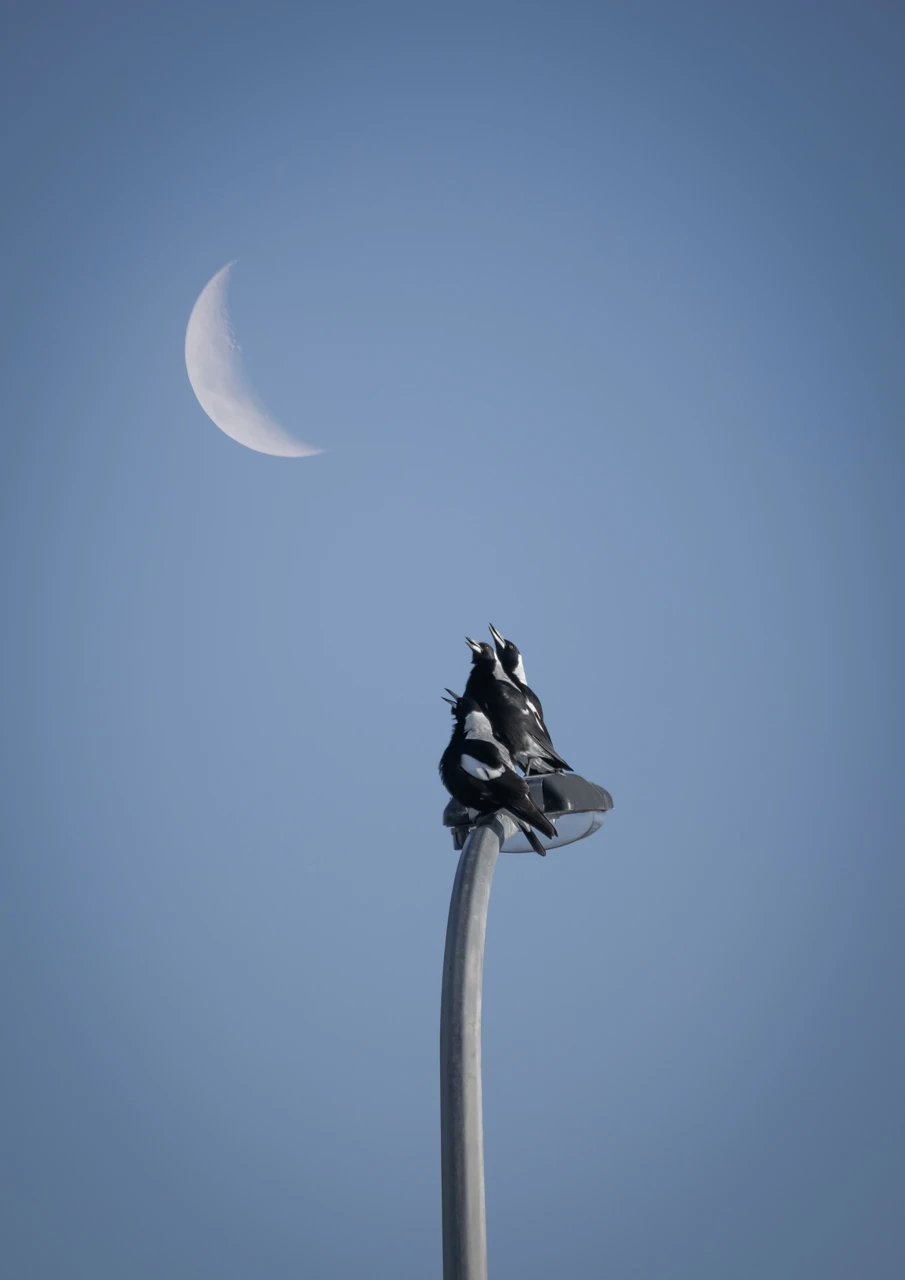
Three magpies sing together on a street light

I photographed these three singing their hearts out early one cold morning

Birds in a dead tree at sunset
Pink galahs at sunset
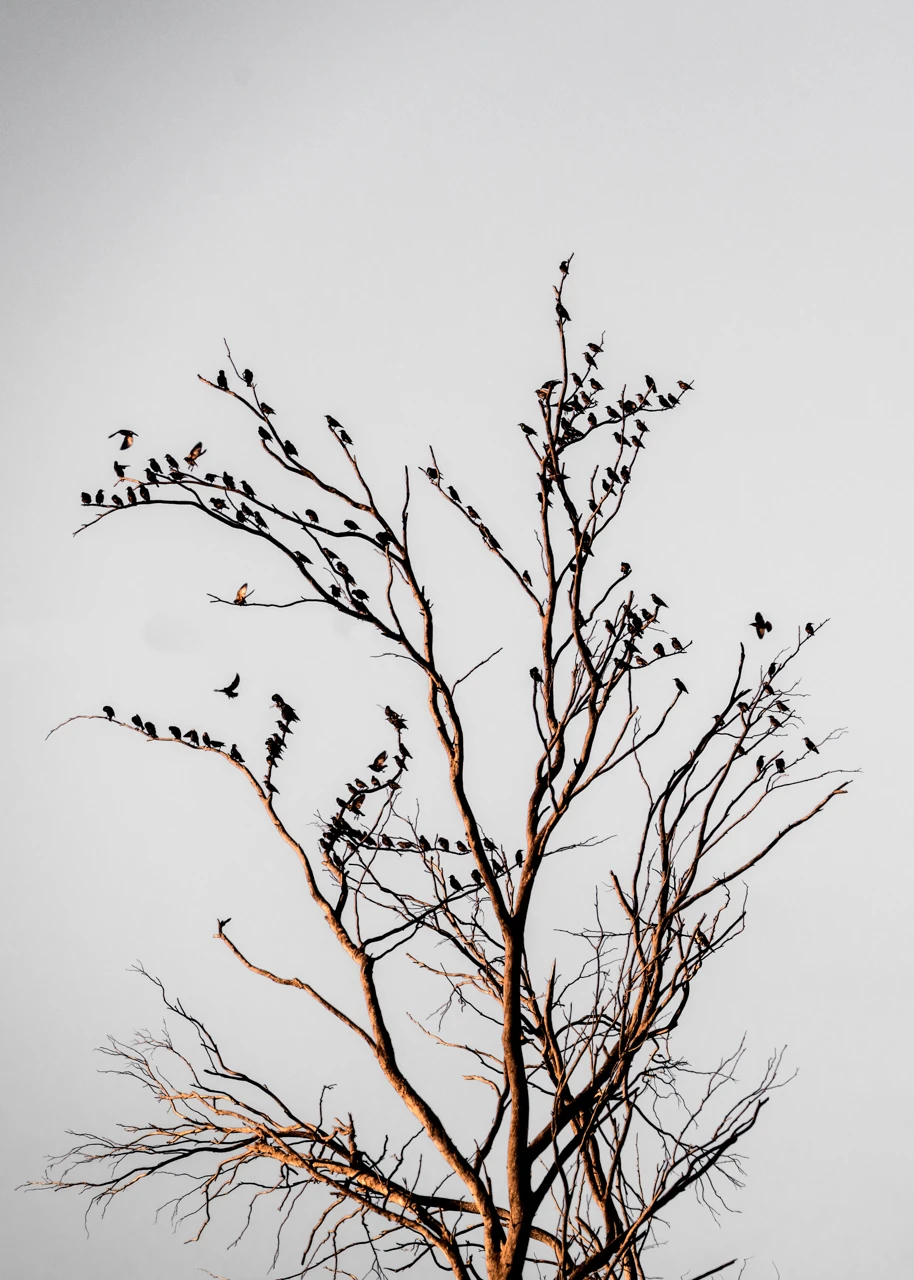
Many starlings perch in a old tree
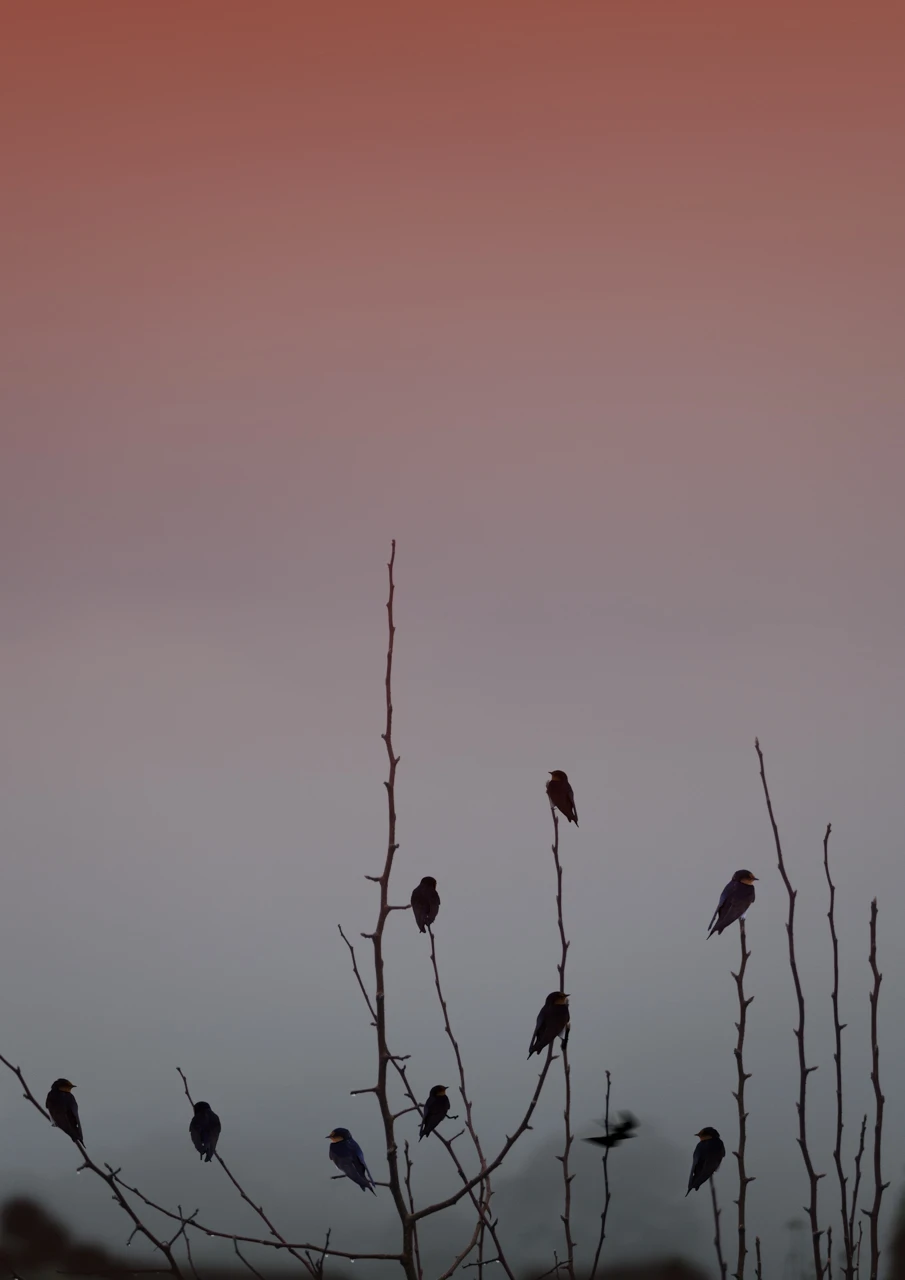
Tiny birds resting in an old tree
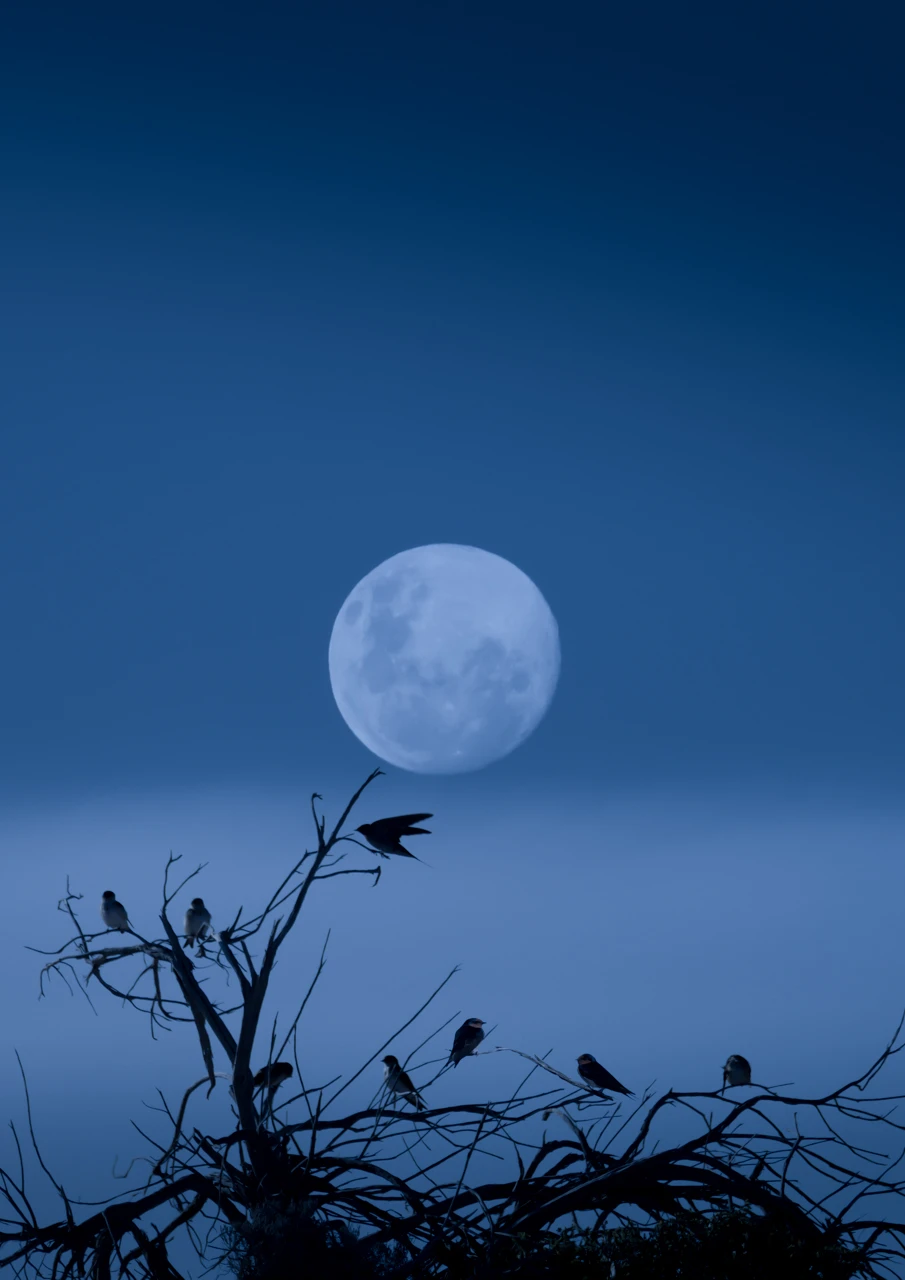
Moonlight and small birds waiting in the trees
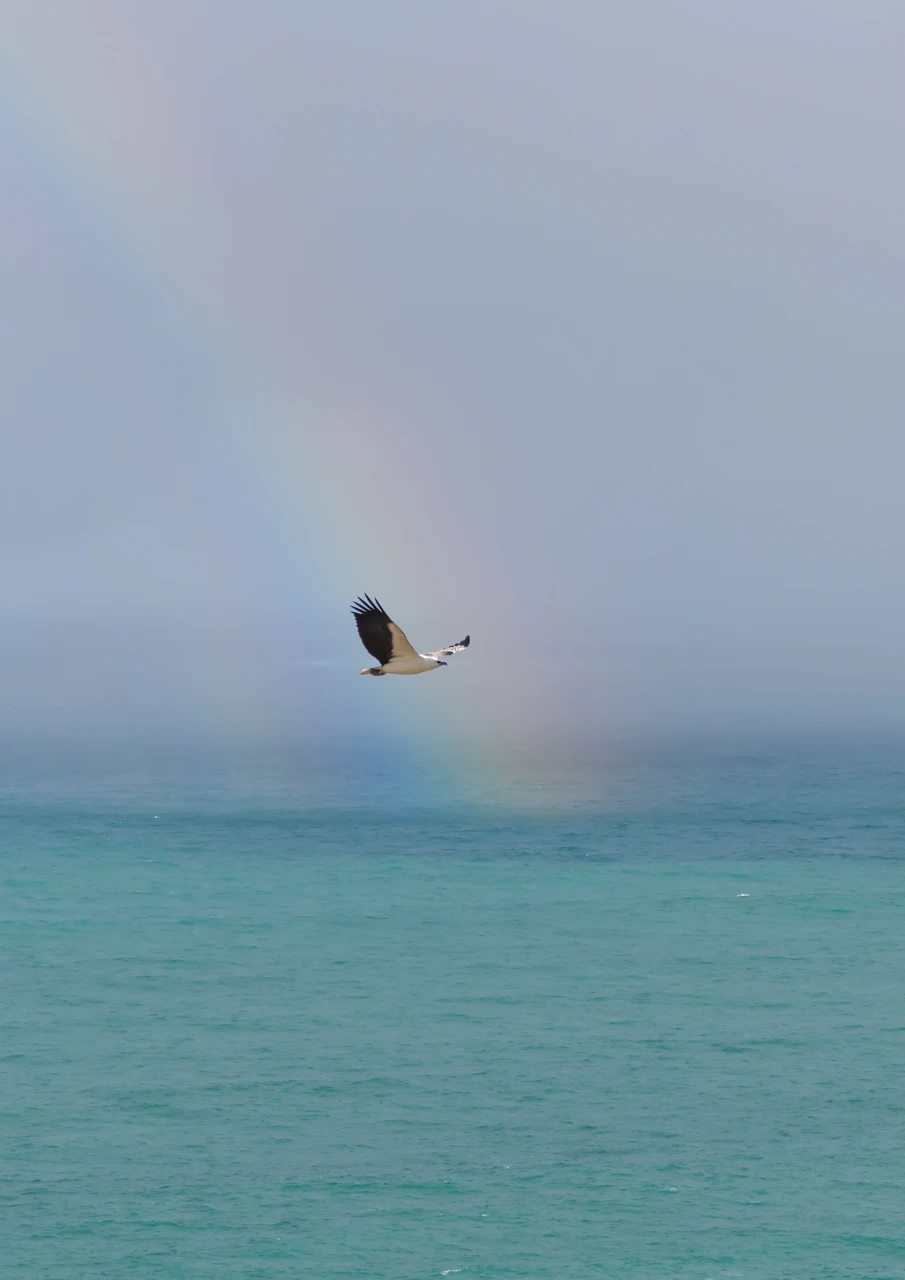
Sea eagle at Yorke Peninsula flying through a rainbow
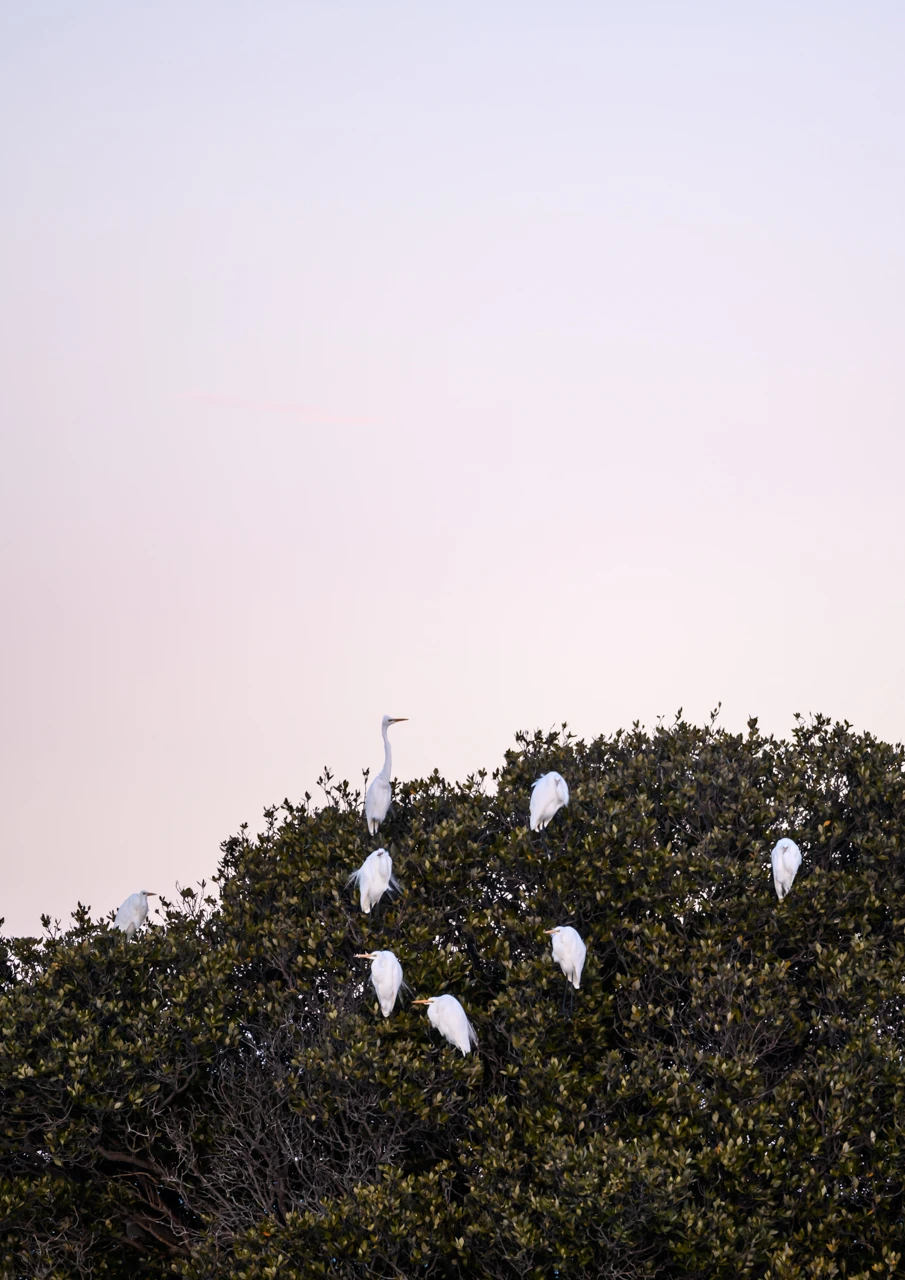
Egrets at Port Clinton in the mangroves at sunset
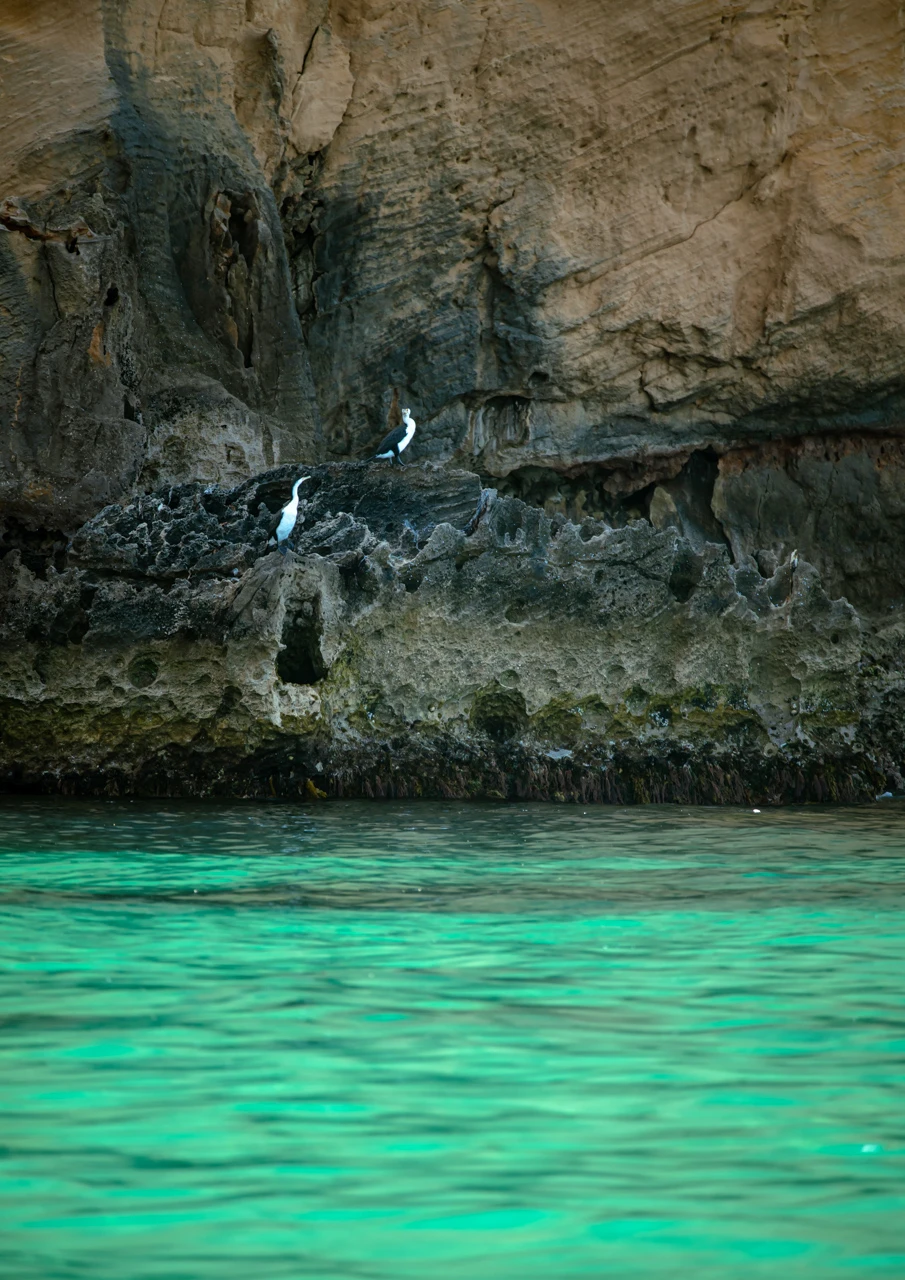
two shags at a remote beach rest on the sharp cliffs
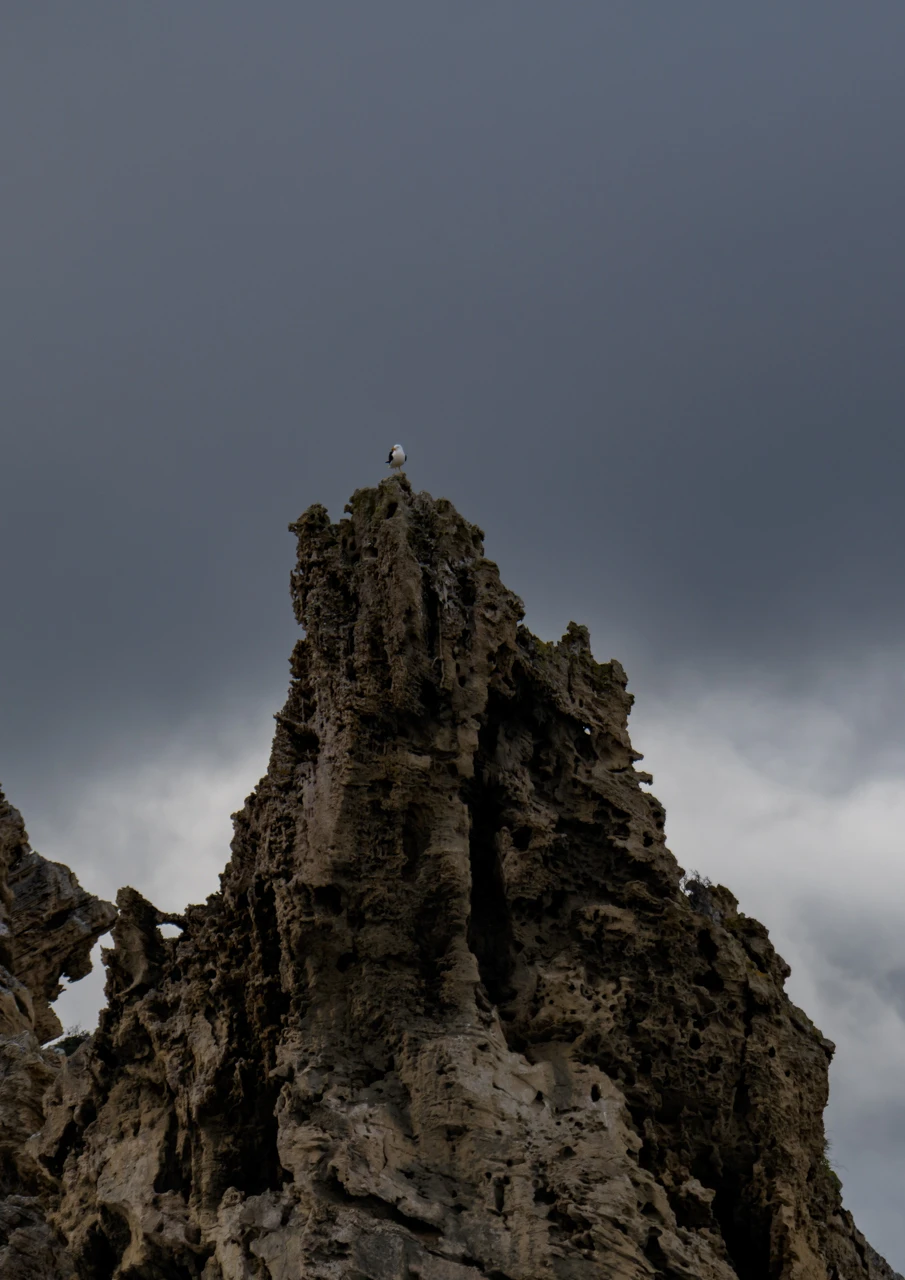
Seagull sits on Rhinos rock, Yorke Peninsula
Birds nest up a power pole
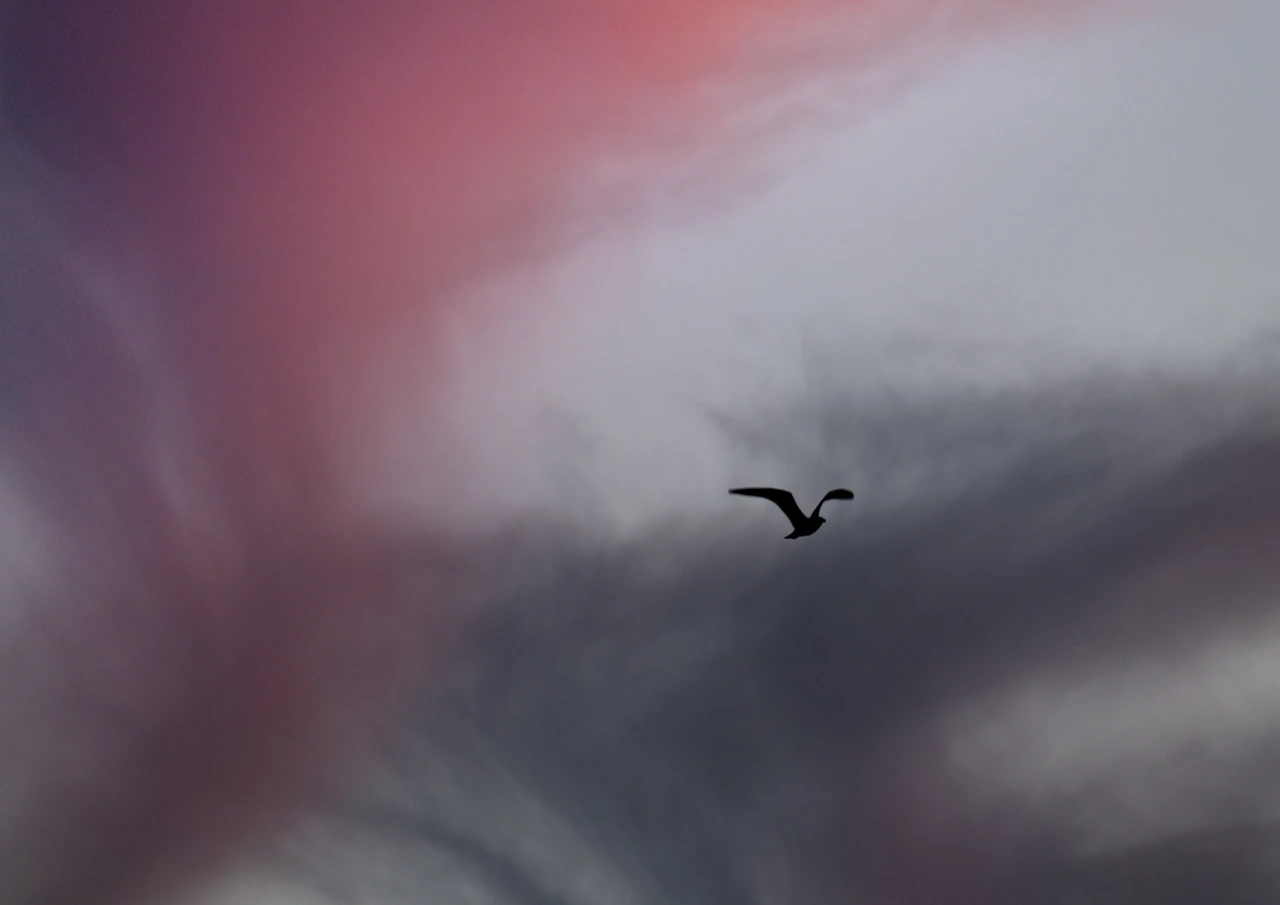
A seagull flying in an amazing pink and dark grey sky

Sometimes the sky turns into a startling blend of colours. This image was taken of a seagull just outside our beach house.

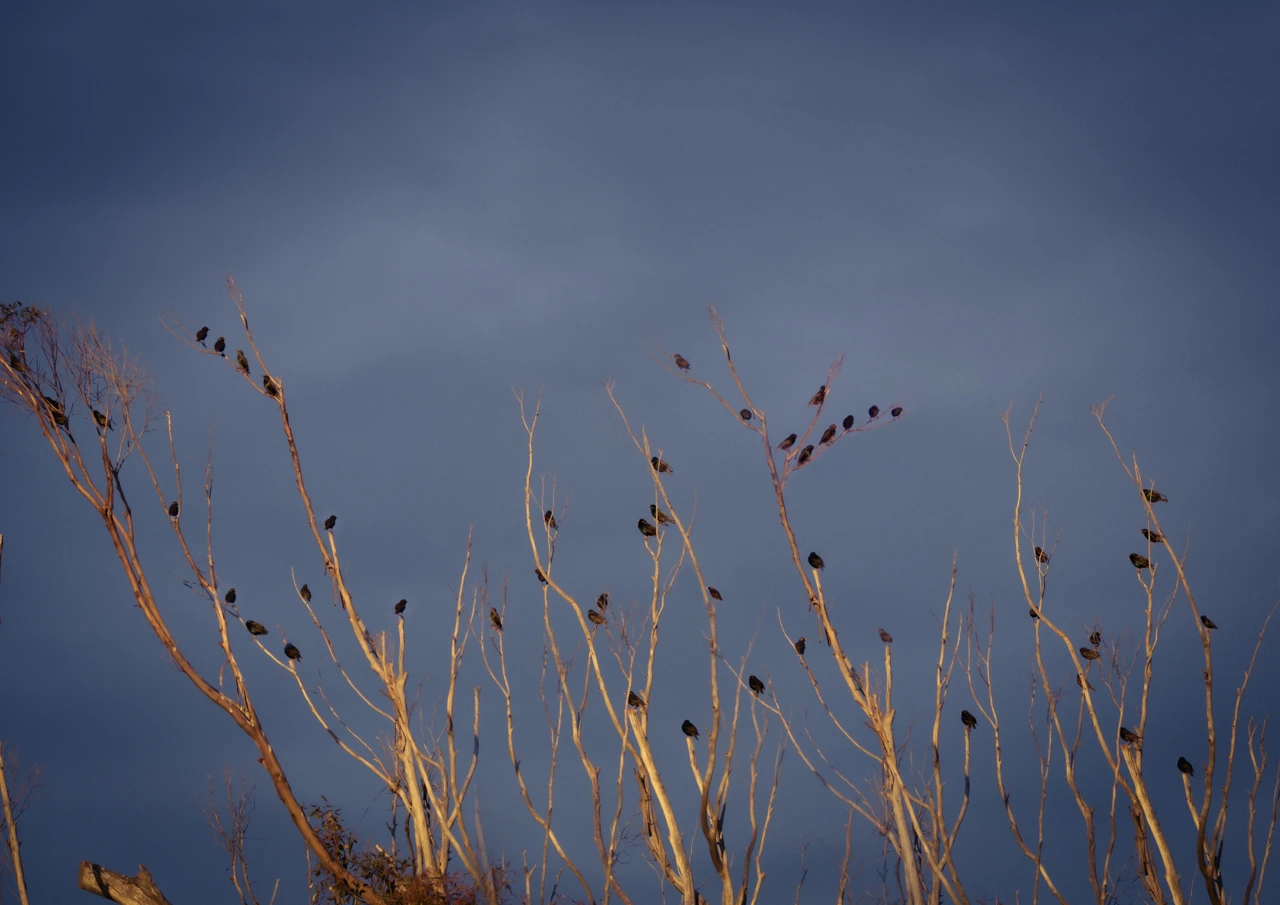
Starlings and the setting sun lights up the branches on the old tree

The setting sun lit up the tree branches, providing an interesting and lovely photo

Spirit flying sea bird in the peaceful sky with moon coming up
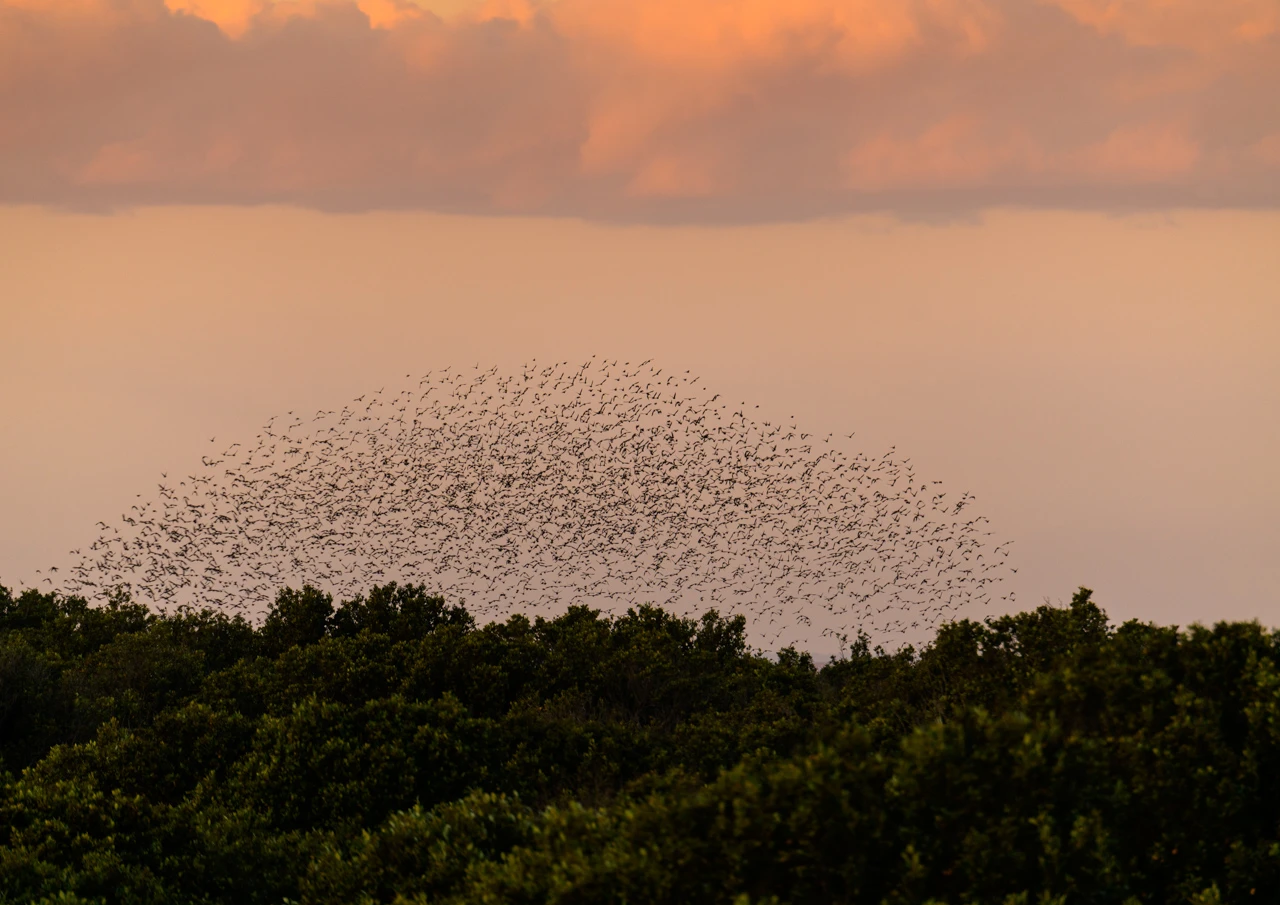
Murmuration of starlings at Port Clinton mangroves.

A murmuration of starlings at the Port Clinton mangroves. A spectacular sight. 

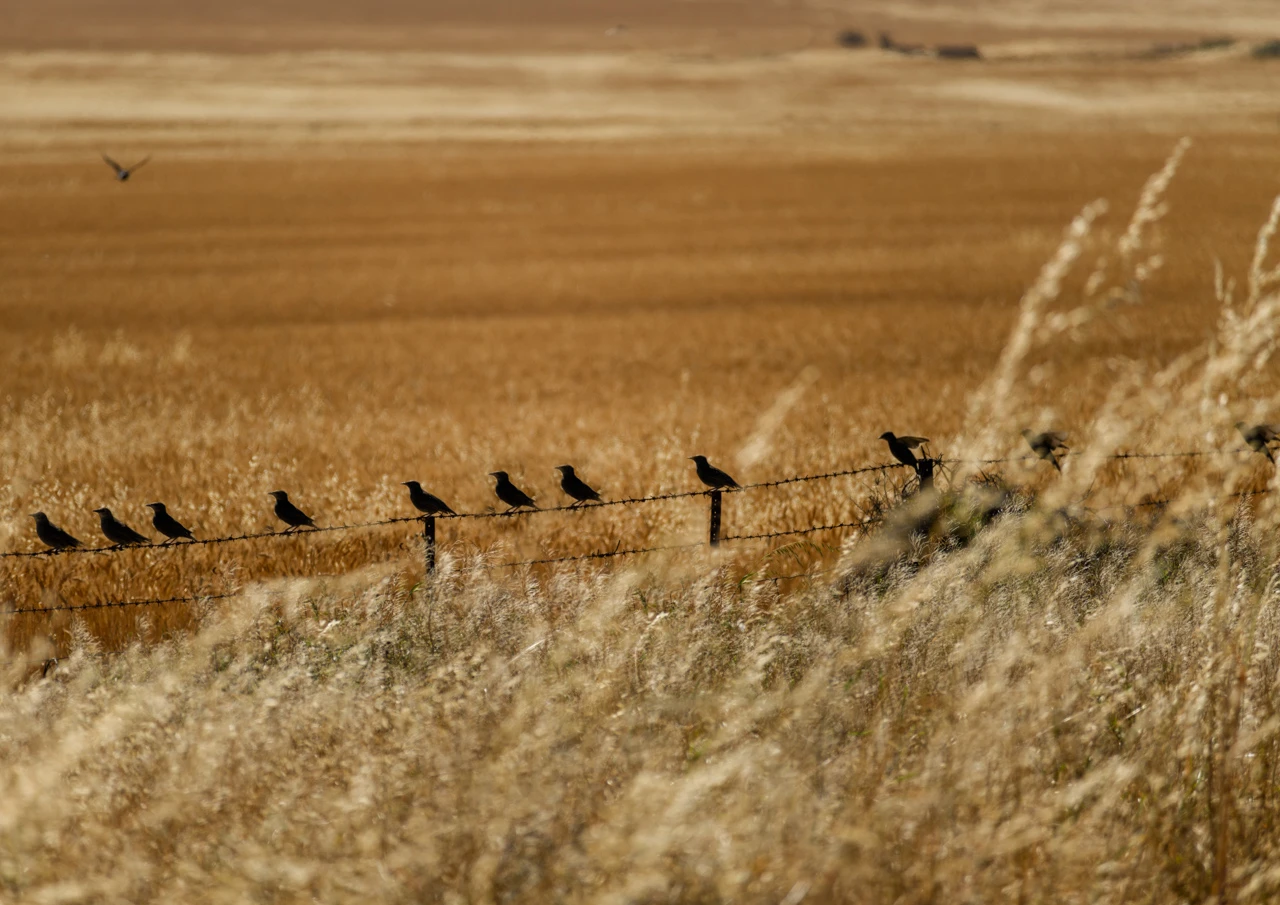
Black birds near a golden field sitting on the fence
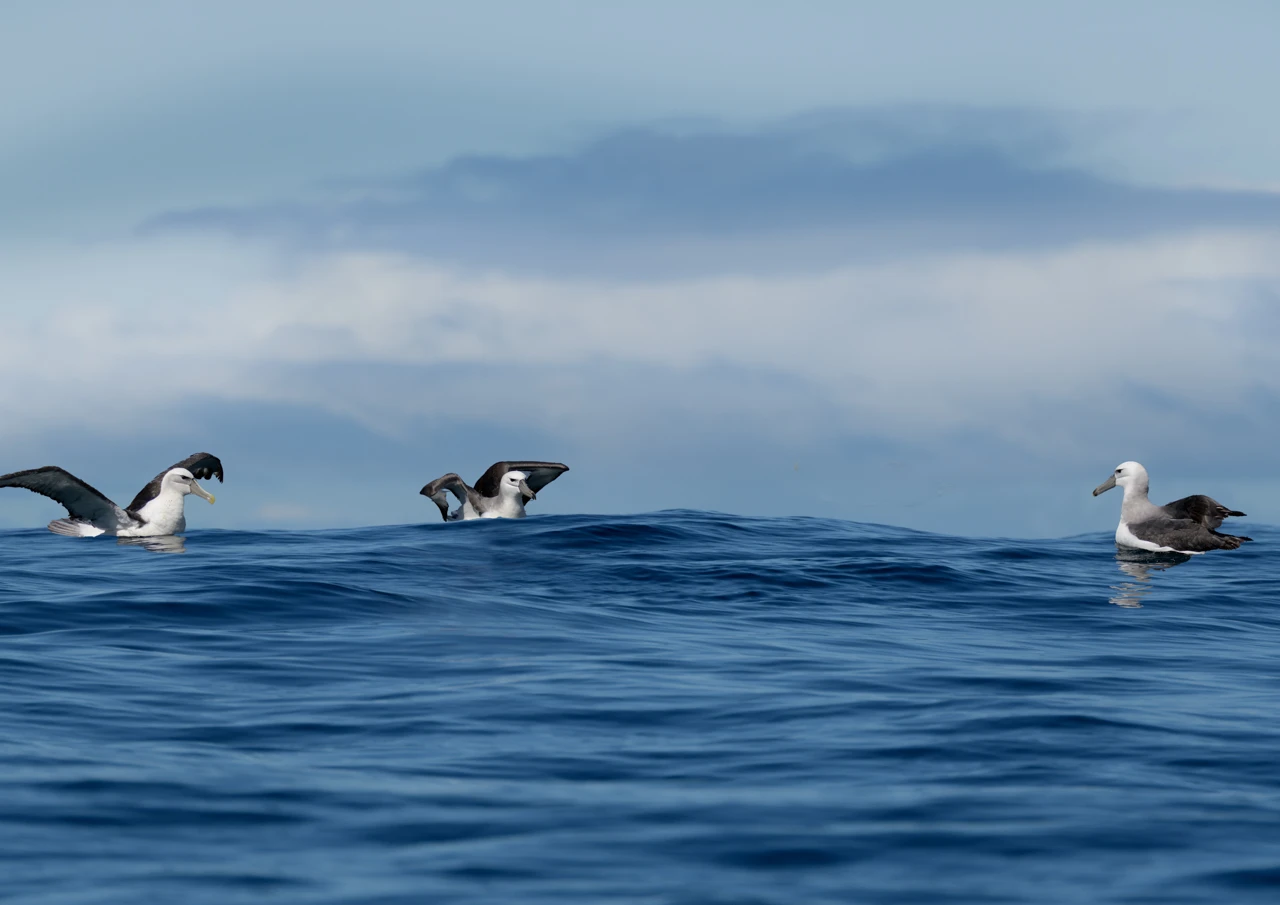
Shy albatross on the ocean while we were out fishing

The Shy Albatross. Taken on a day when we were out fishing, off the coast of Yorke Peninsula.

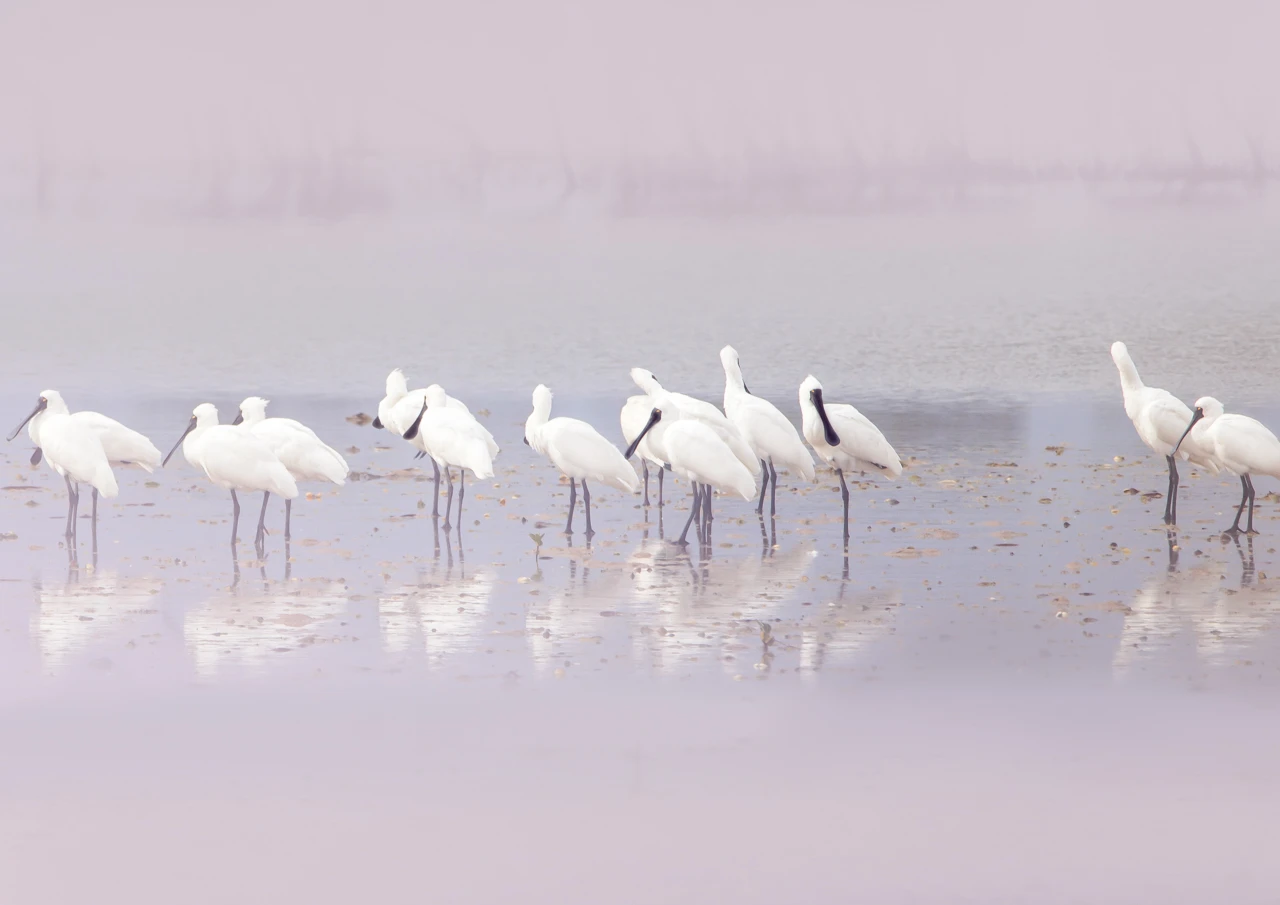
Spoonbills near the mangroves resting

Spoonbills often gather at the Port Clinton Conservation Park. The mangroves provide food, water and safety for the many birds in this area.


If you are interested in the more detailed aspect of bird photography here is a good place to start.

BIRD PHOTOGRAPHY FOR BEGINNERS


(All images are taken by Wendy Philip. No AI generated images.)
This web site is ad free, a peaceful and relaxing experience.

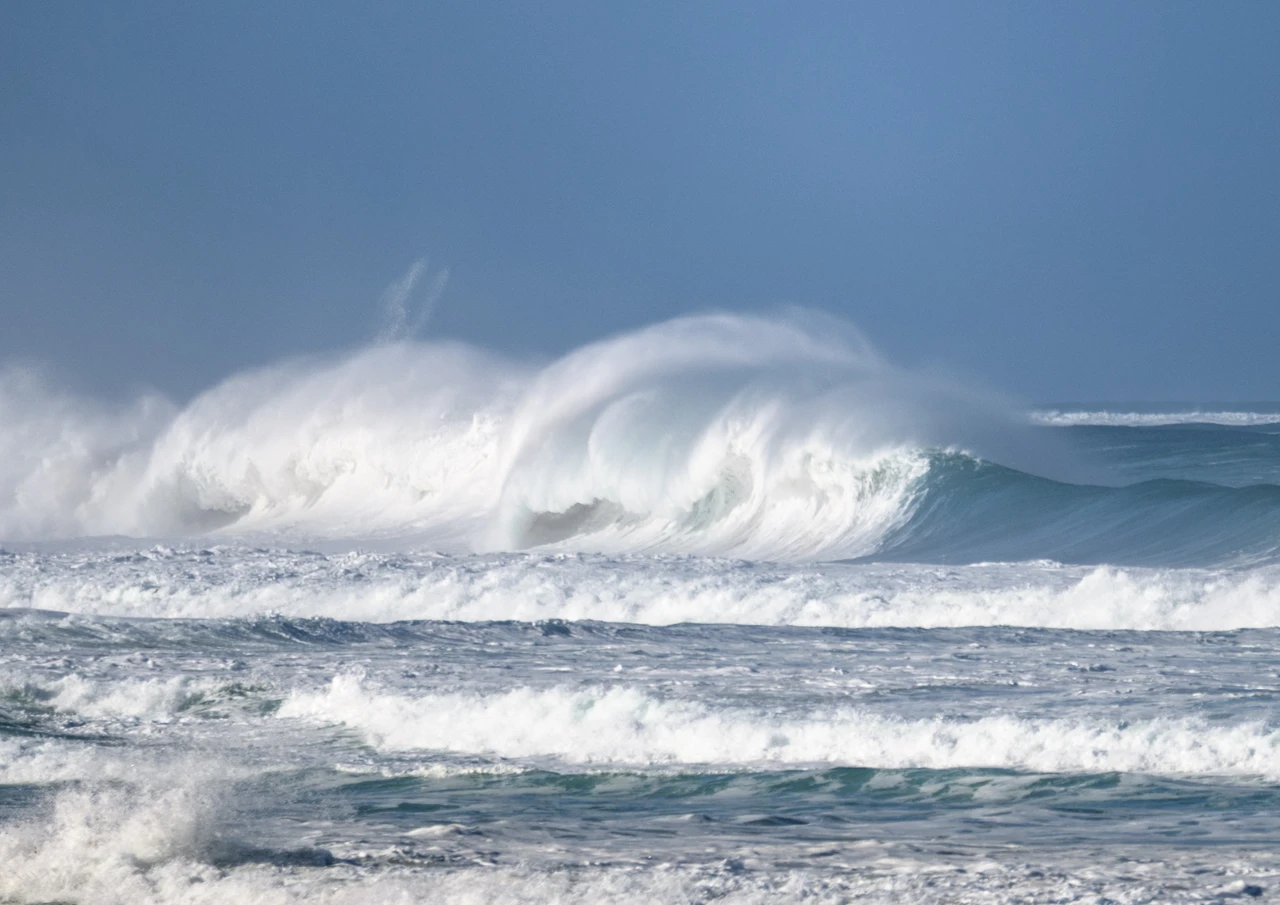
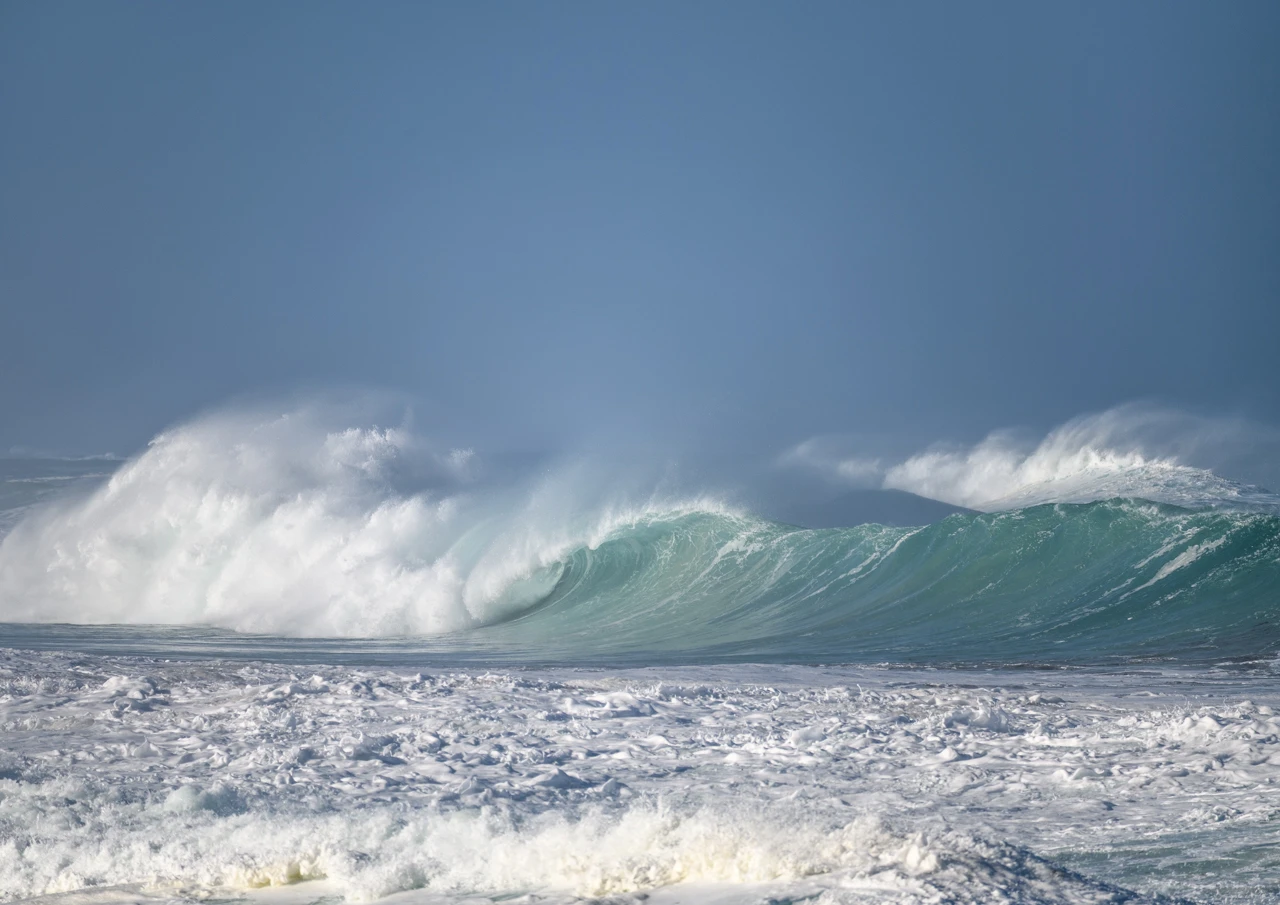
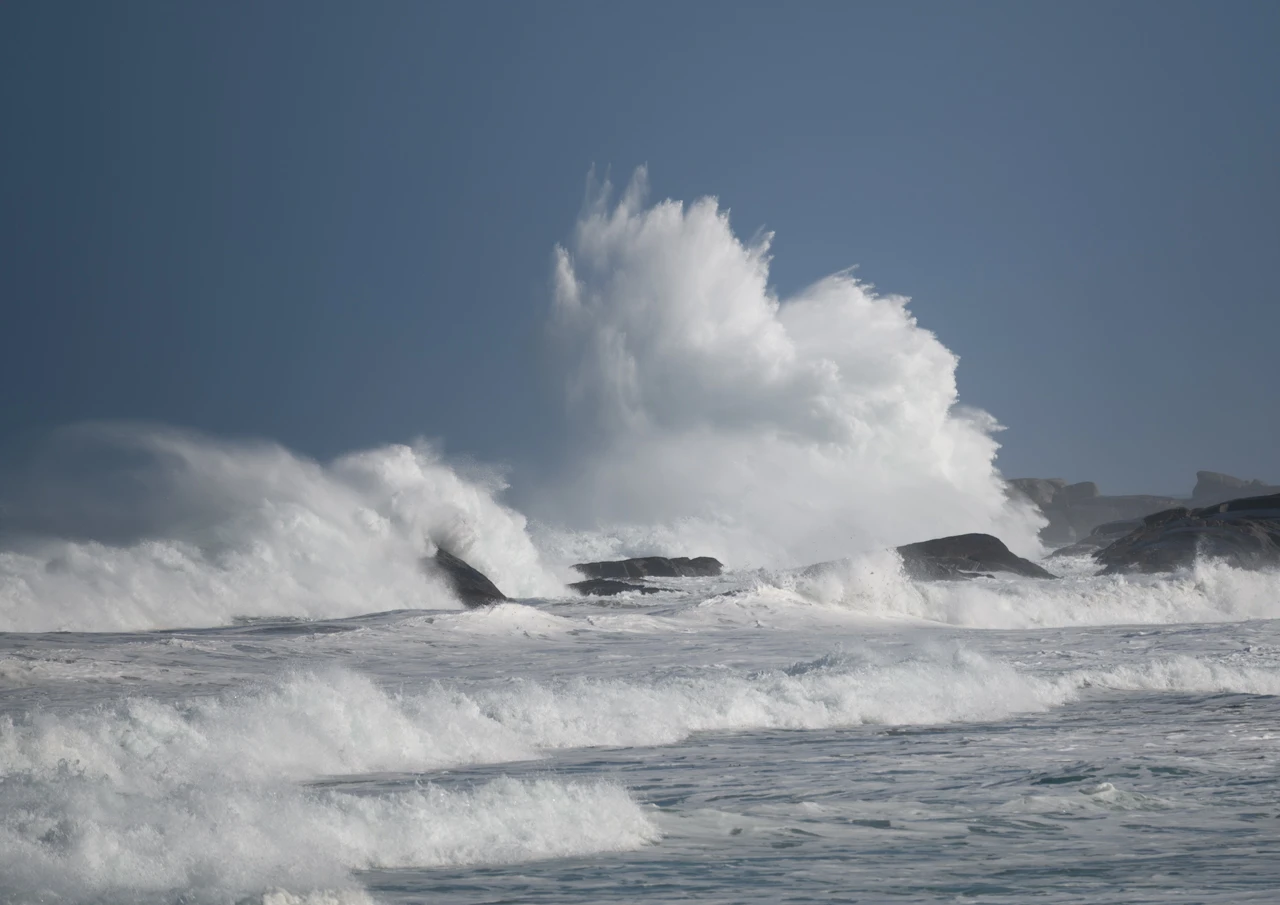
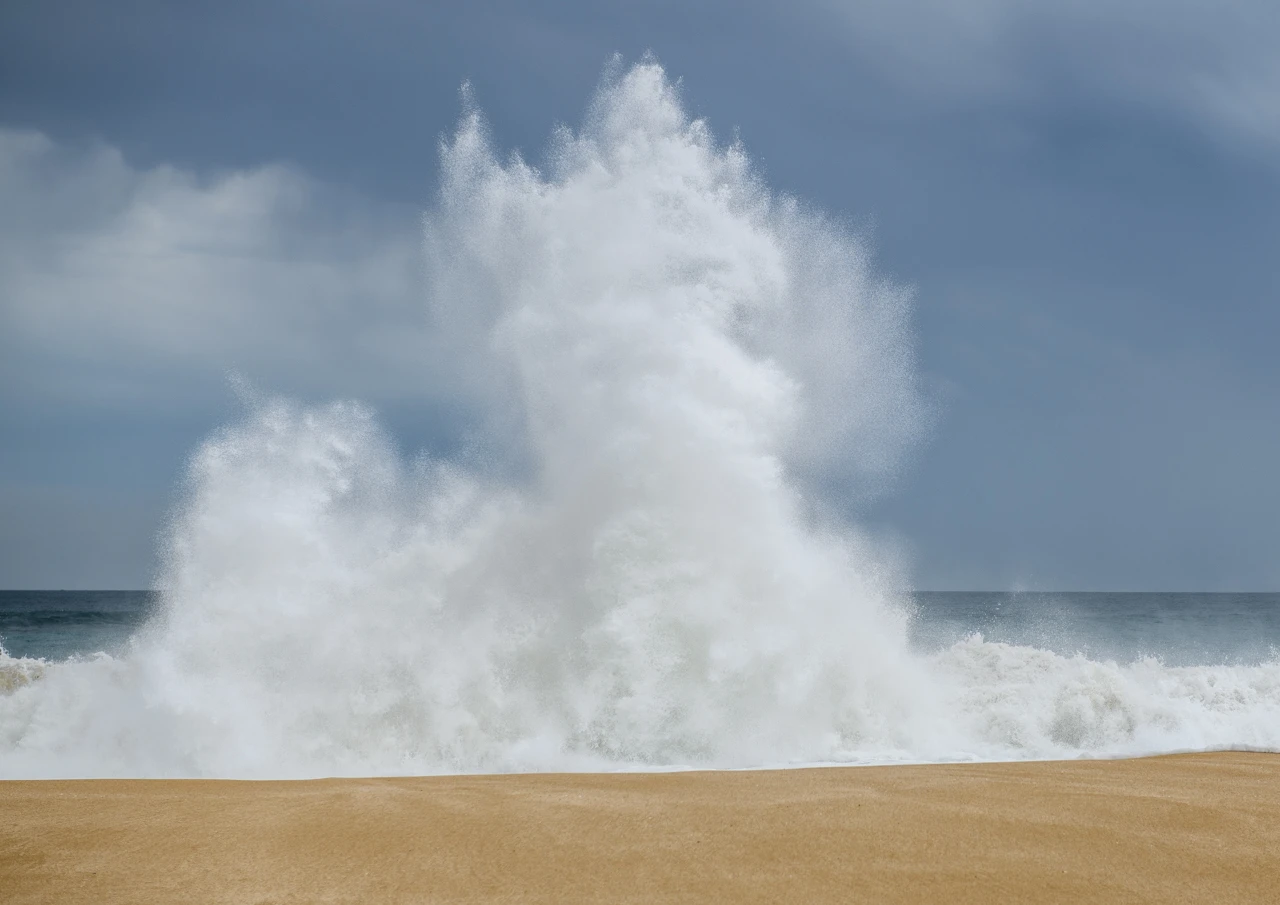
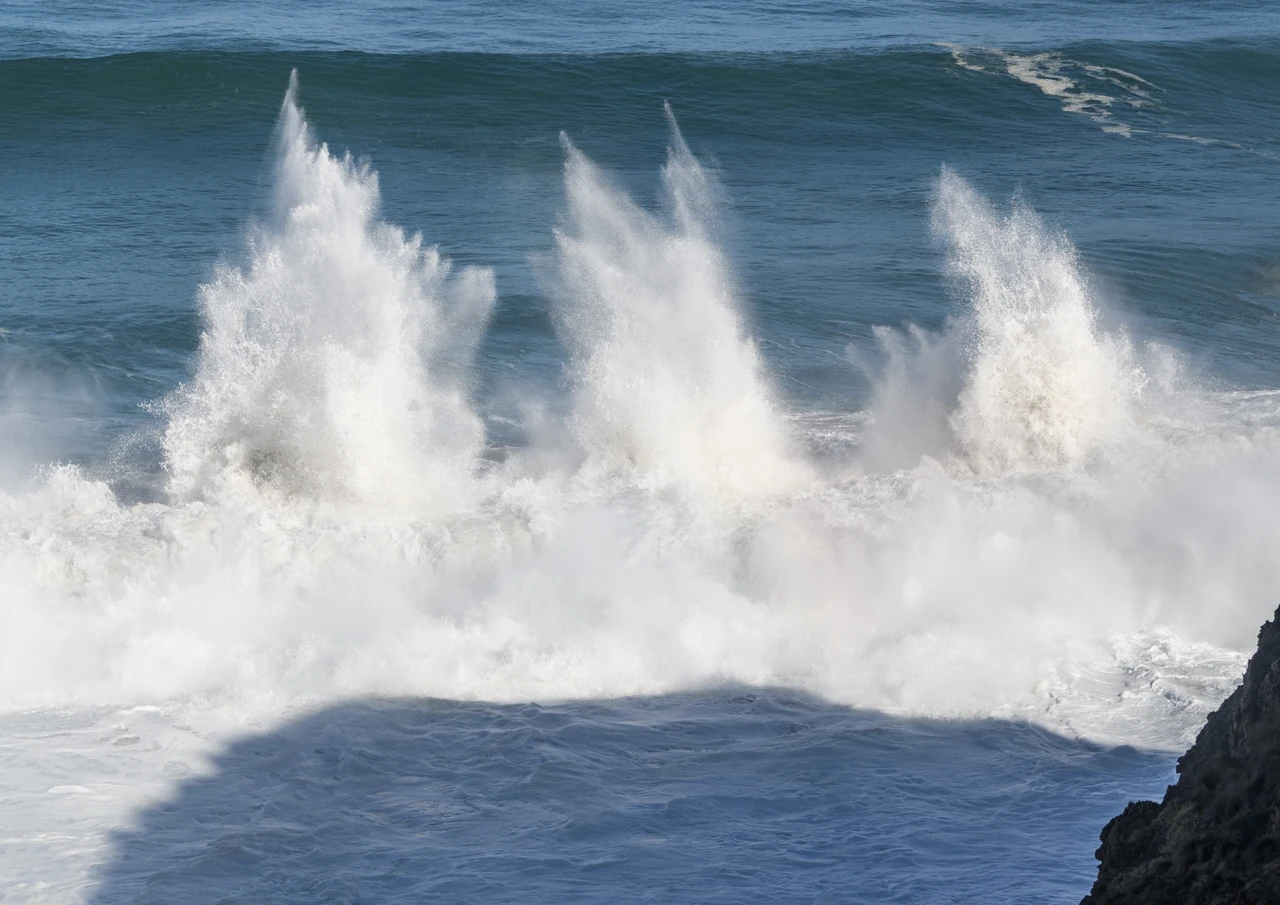
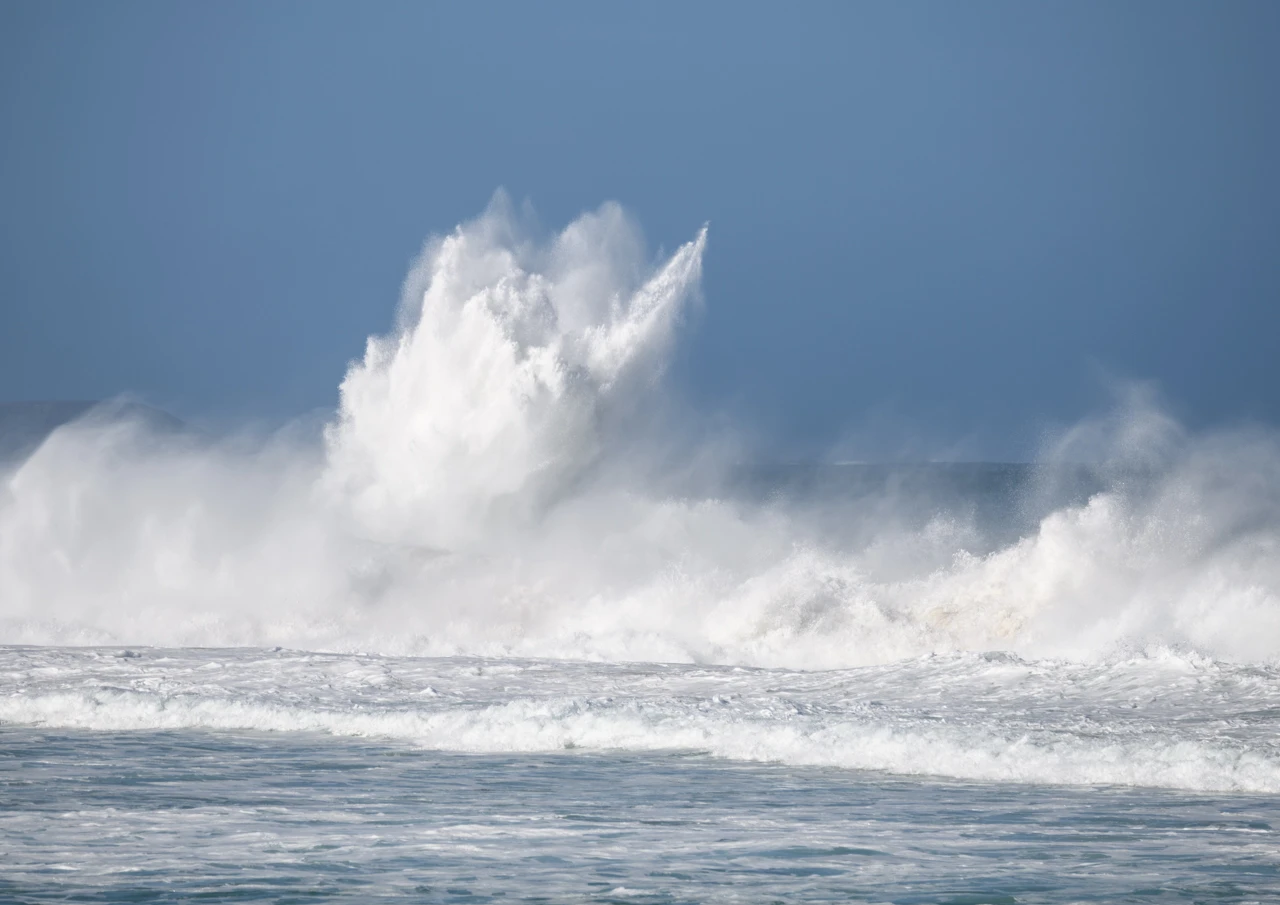
Huge waves which originate in Antarctica

Huge waves which originate in Antarctica

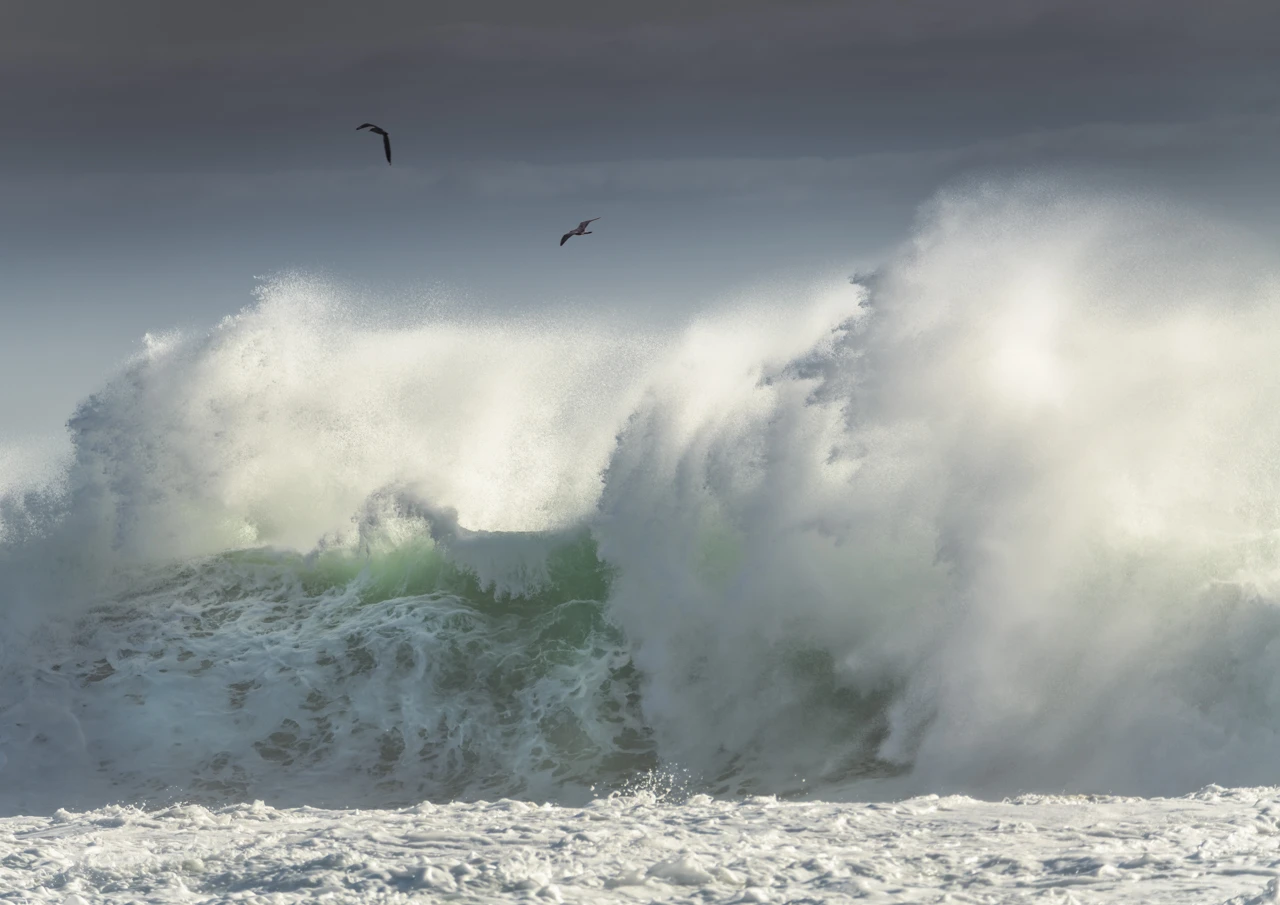
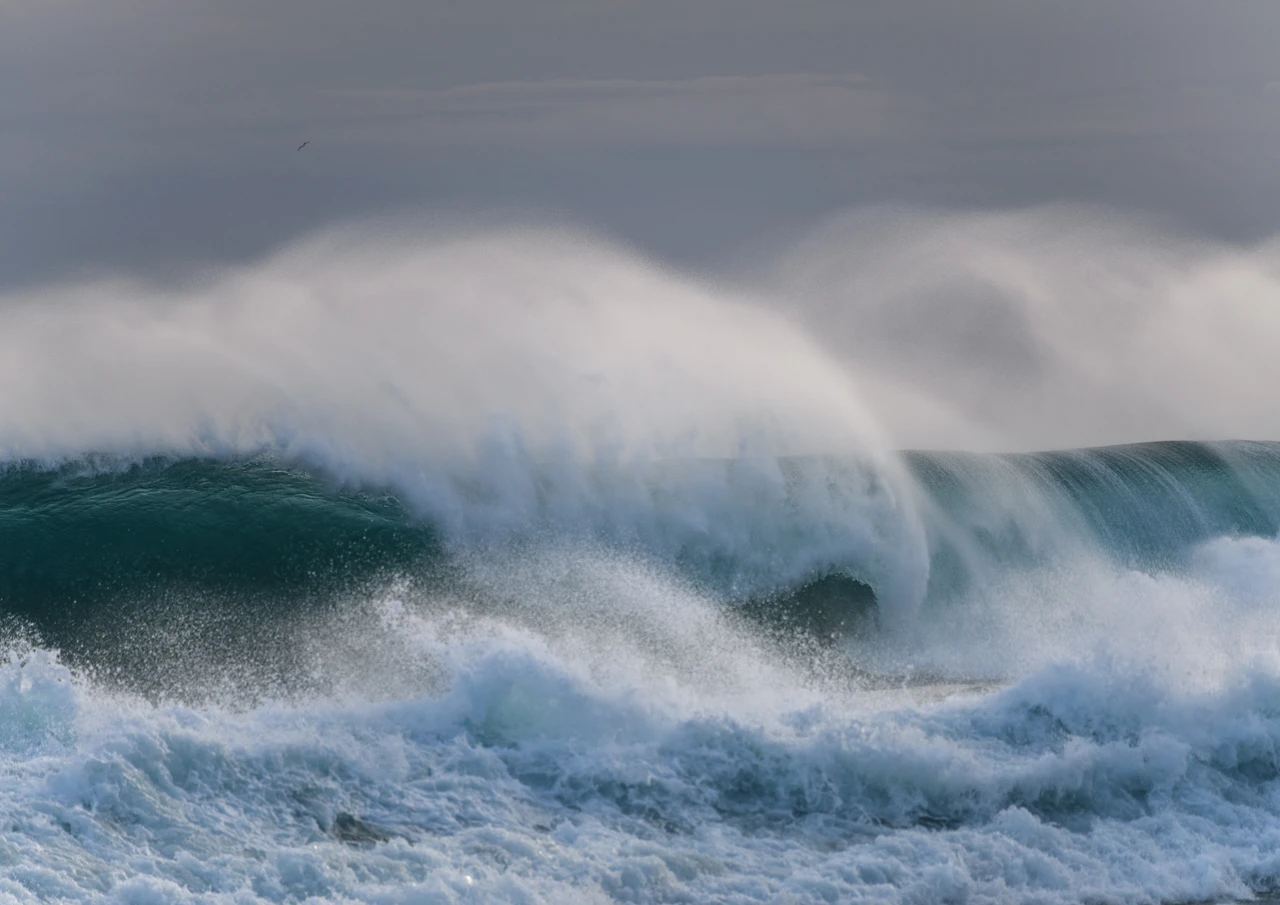
Birds and wild stormy weather

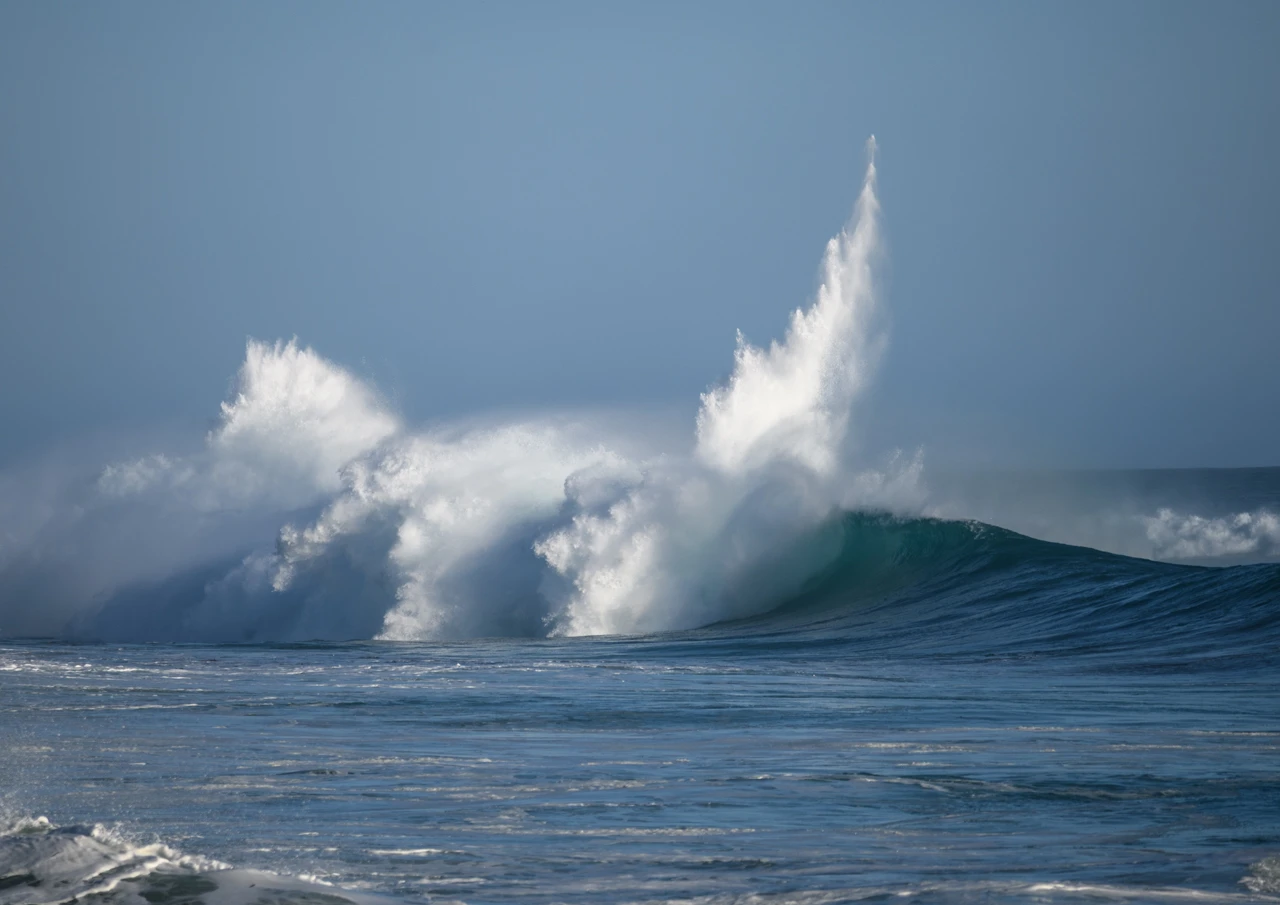
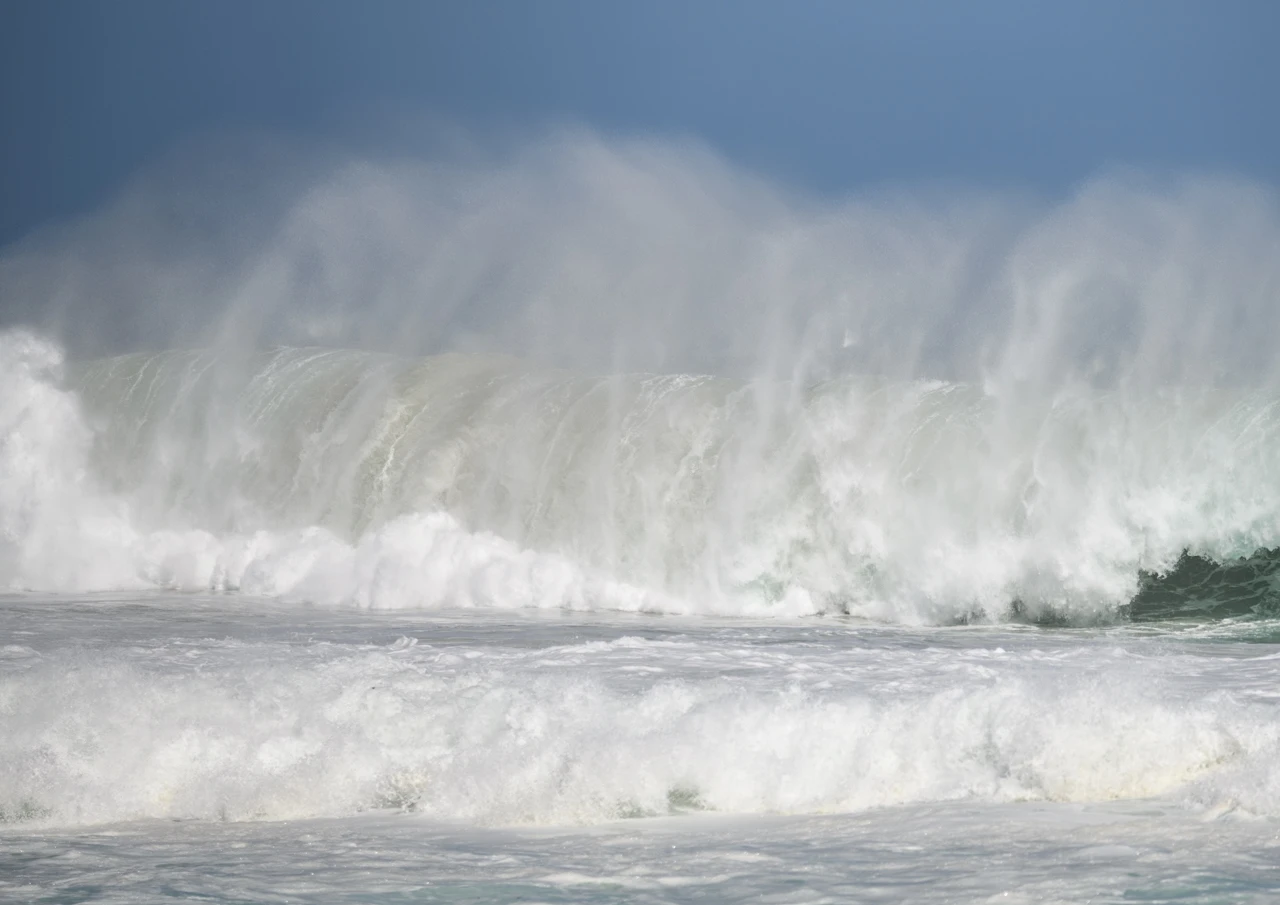
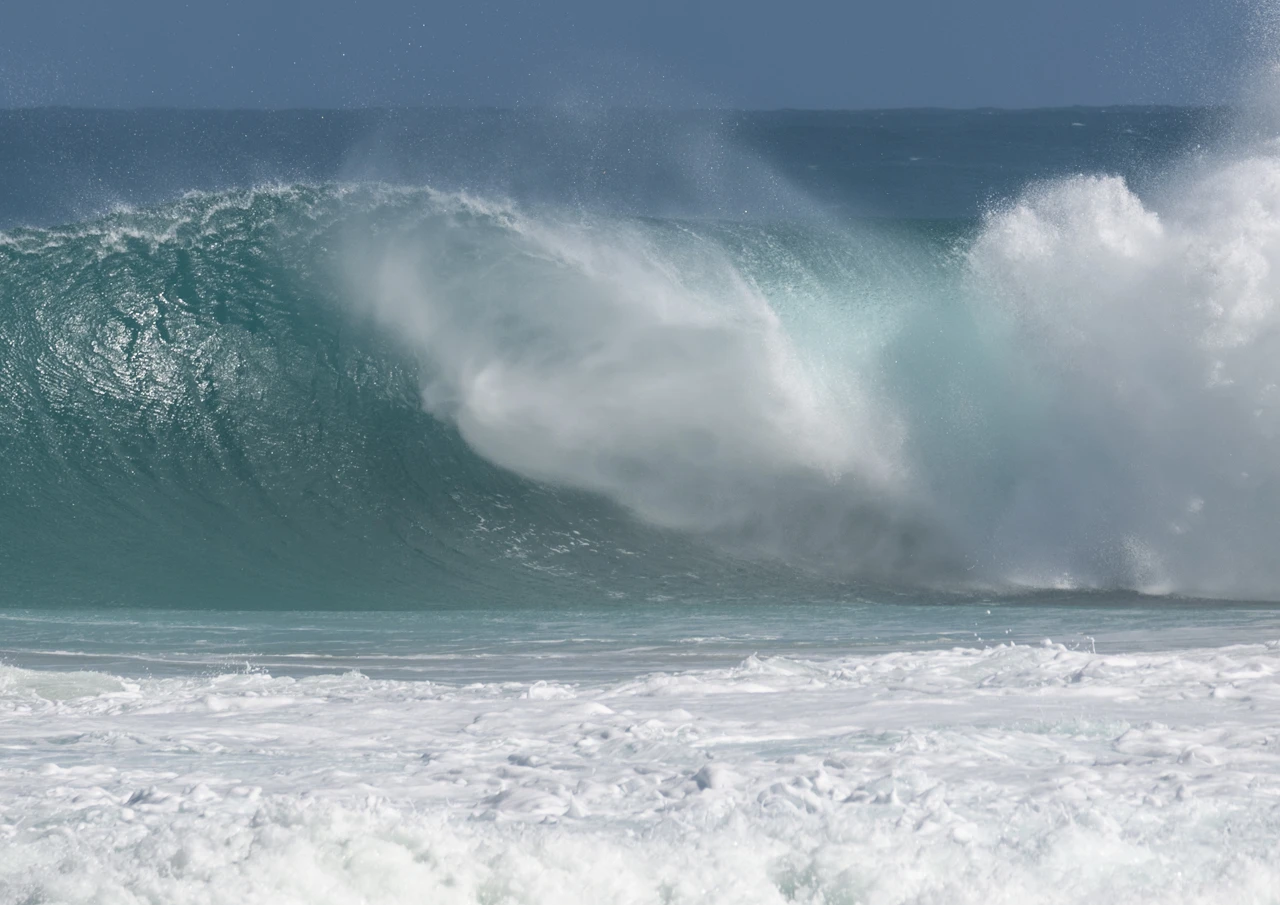
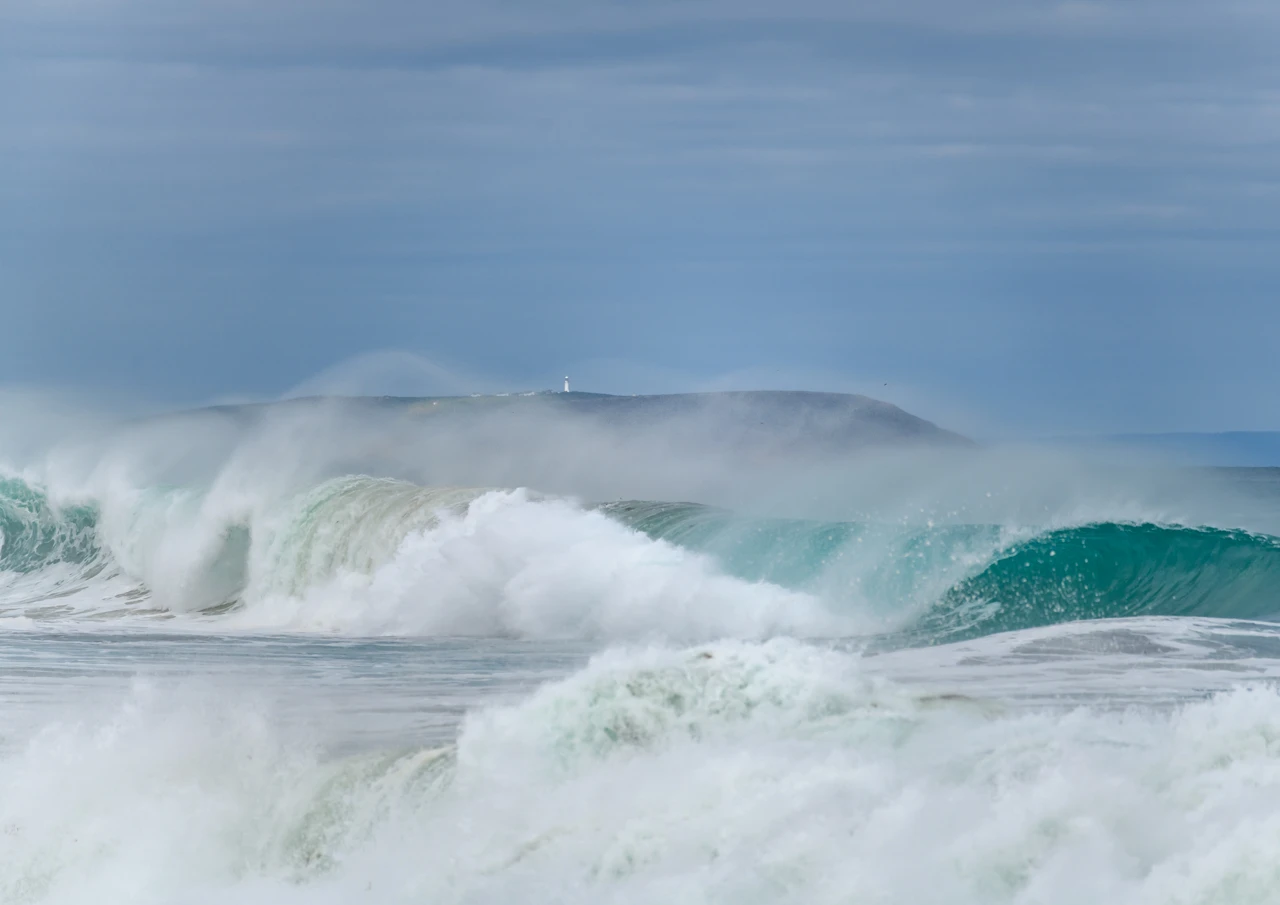
The waves which land on the South Australian shores originate in the Southern ocean.


The Southern Ocean, also known as the Antarctic Ocean, comprises the southernmost waters of the globe, spanning the area south of 60°S latitude and encircling Antarctica, covering  approximately 21,960,000 square kilometers.

Generated by the relentless, unobstructed westerly winds between latitudes 40degrees and 50degrees South, the Roaring Forties fuel the Southern Ocean’s massive groundswells. These swells travel thousands of kilometres before hitting South Australia, producing some of the heaviest, most powerful, and pristine surf breaks in the country.

Because there are practically no landmasses to disrupt the wind in these southern latitudes, the resulting groundswells possess massive wave periods, often exceeding 14-17 seconds, packing incredible energy and power. (According to the local surfers the longer the period between waves, the better and more powerful they are for surfing on.)

The tip of Yorke Peninsula,

…..namely two beaches in particular, West Cape and Ethel Beach, very often receive these waves. On those days when the swell is big, I will undoubtedly meander to the salty shores to photograph and witness this God given phenomenon.


Artistic wave at West cape beach Yorke Peninsula
Big swell rolls in West cape beach Yorke peninsula
Another wave behind West cape beach
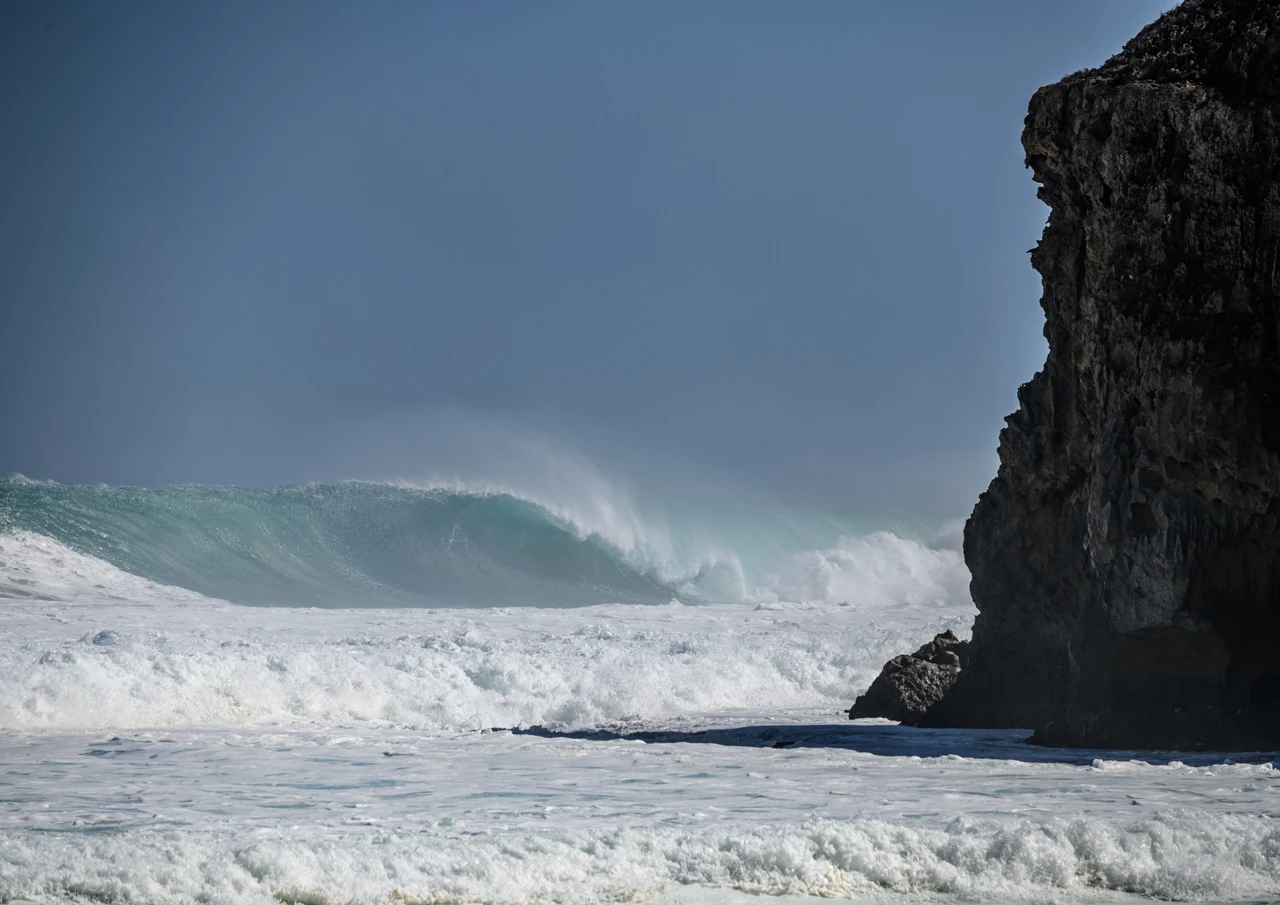
Wave crashing into rocks at West Cape beach Yorke Peninsula.
Sand and sea spray from big wave
The after splash from huge waves Ethel Beach Yorke peninsula
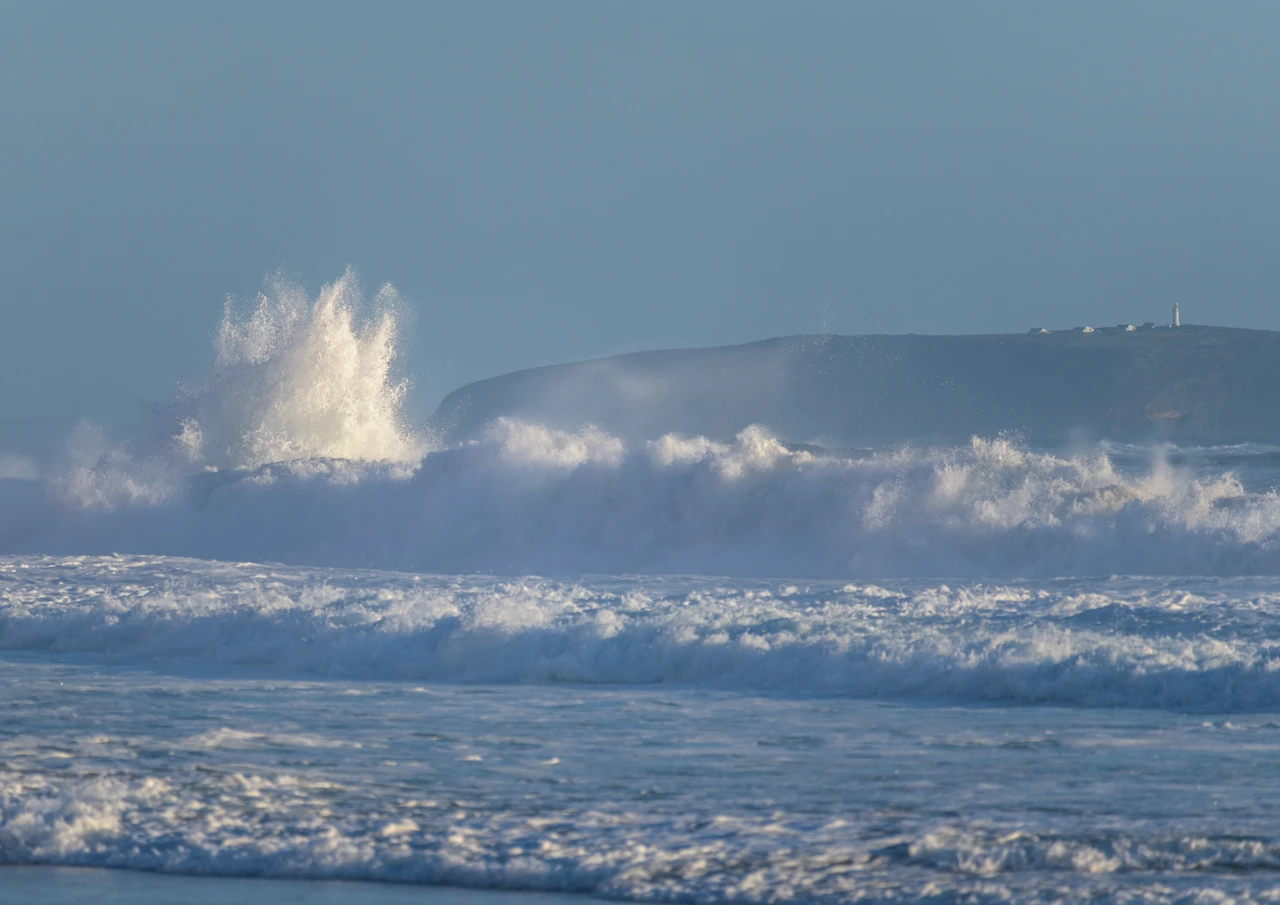
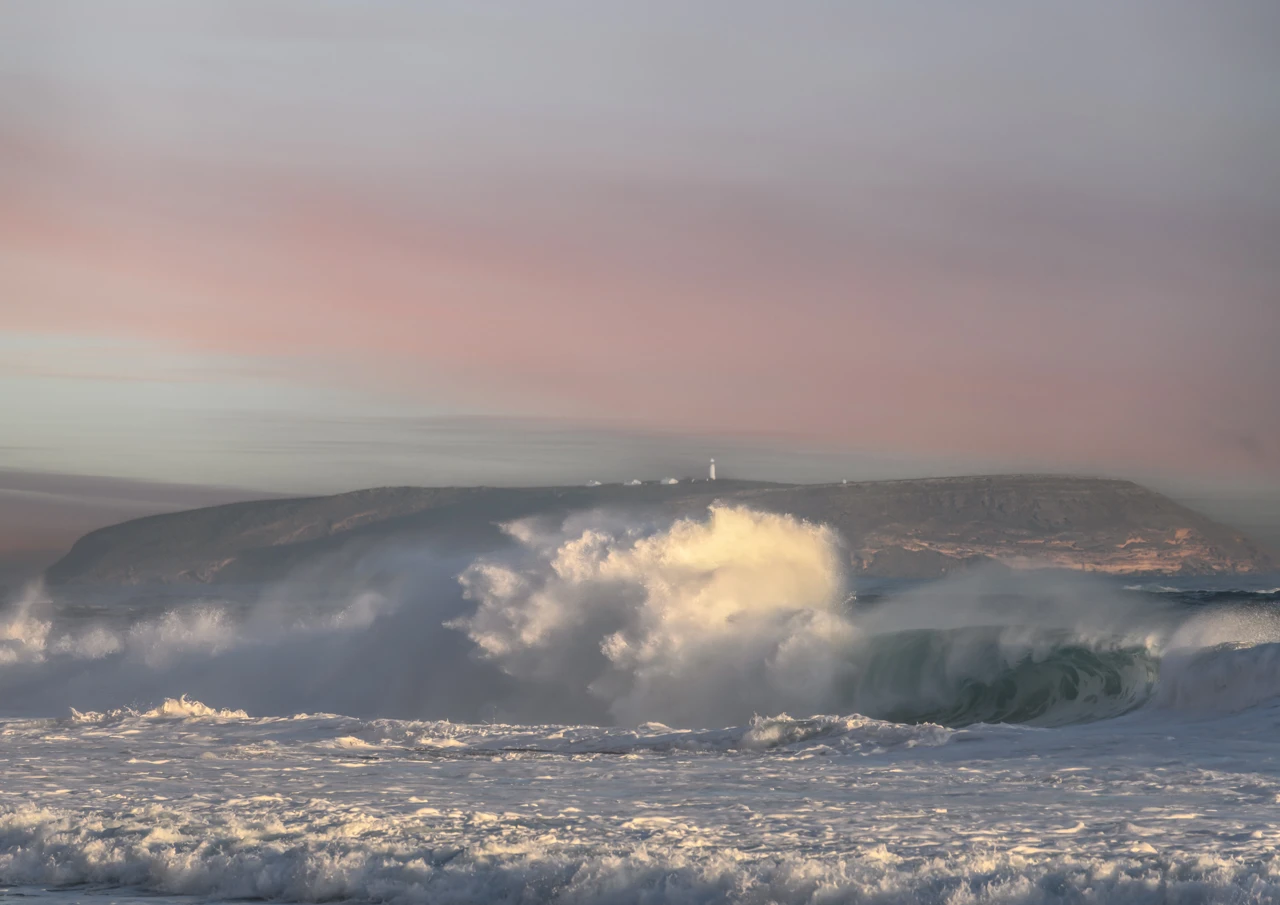
Big waves with Althorpe Island in the distance, Yorke Peninsula
Pink sky and a big swell at west cape beach Yorke Peninsula
Howling winds and big waves West Cape beach Yorke Peninsula
Wave near Ethel beach cliffs Yorke Peninsula
Big waves West Cape beach Innes National Park, West Cape
Evening and back spray from a wave
Waves keep rolling in A high energy beach West cape Yorke peninsula
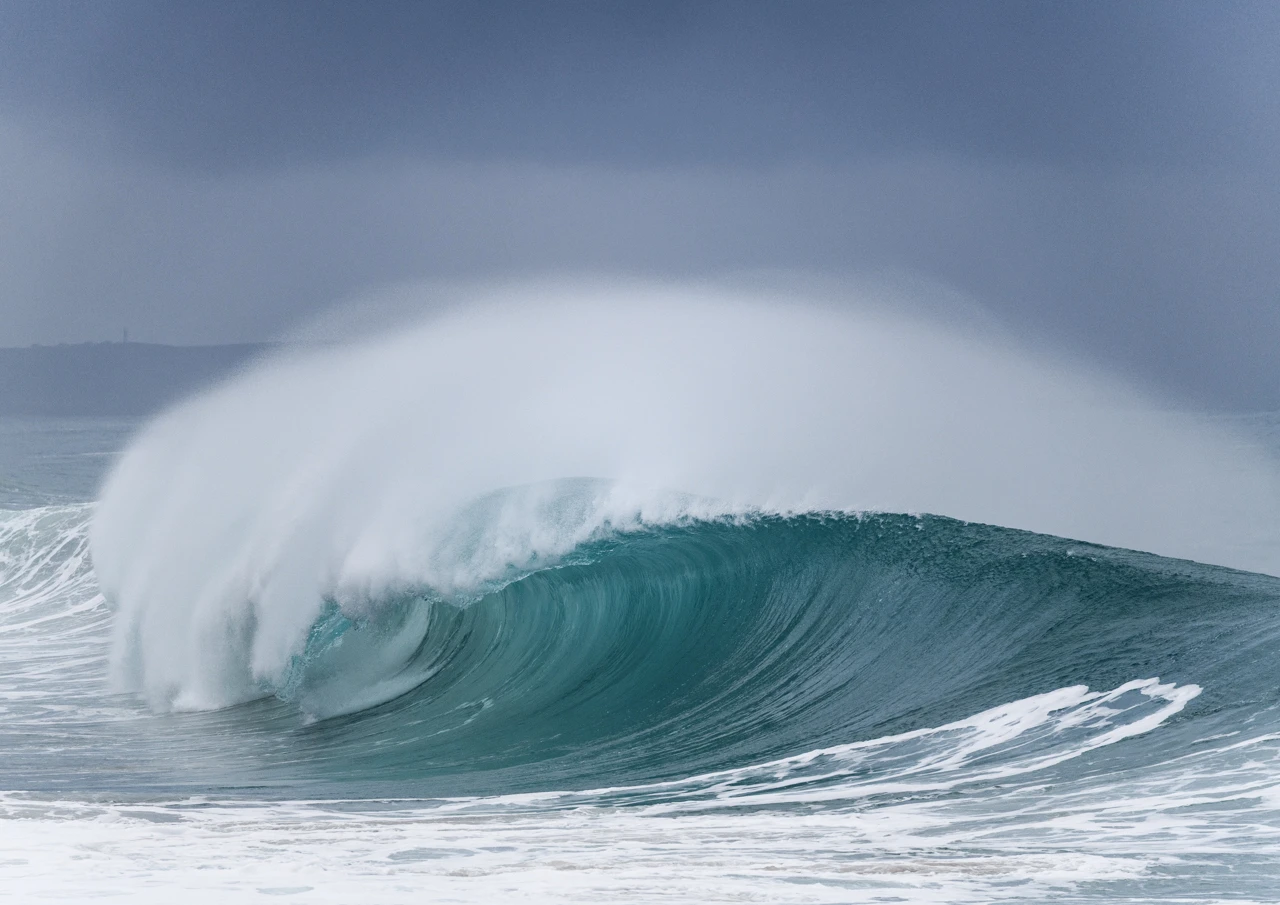
A wave spitting West cape beach Yorke Peninsula
Waves and Althorpe island in the background. South Australia
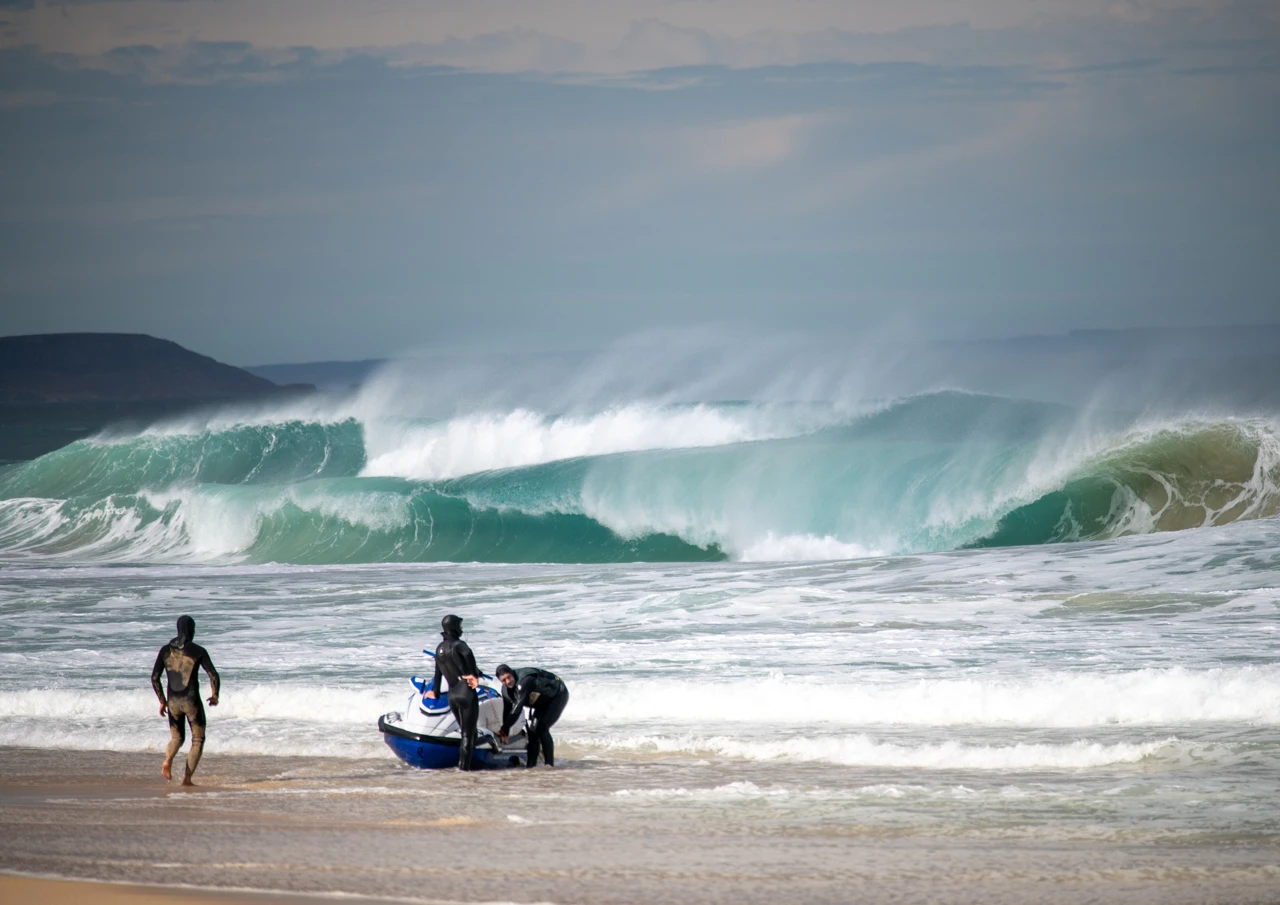
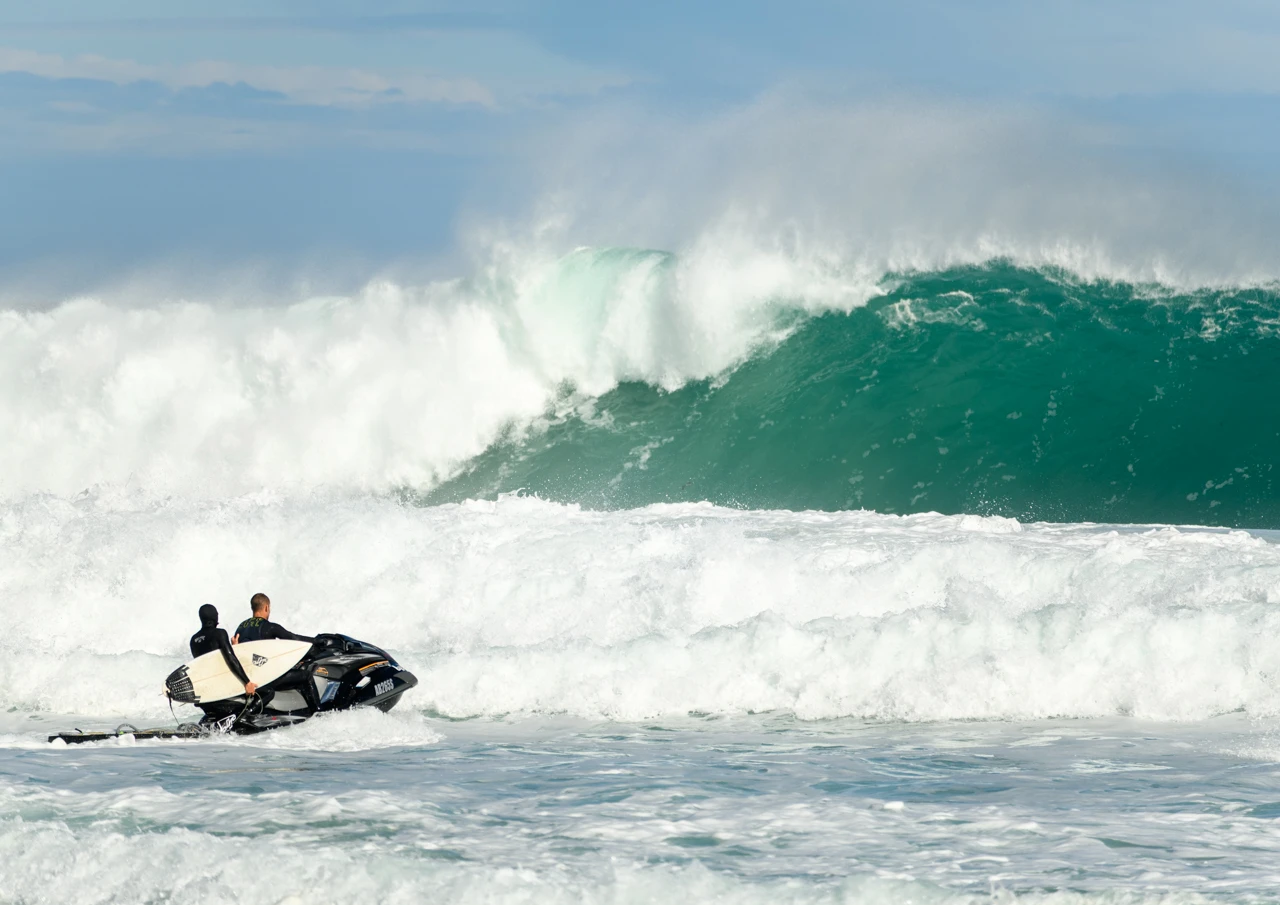
jet ski and surfers at West Cape Yorke Peninsula
Jet ski with surfers at West Cape Yorke Peninsula
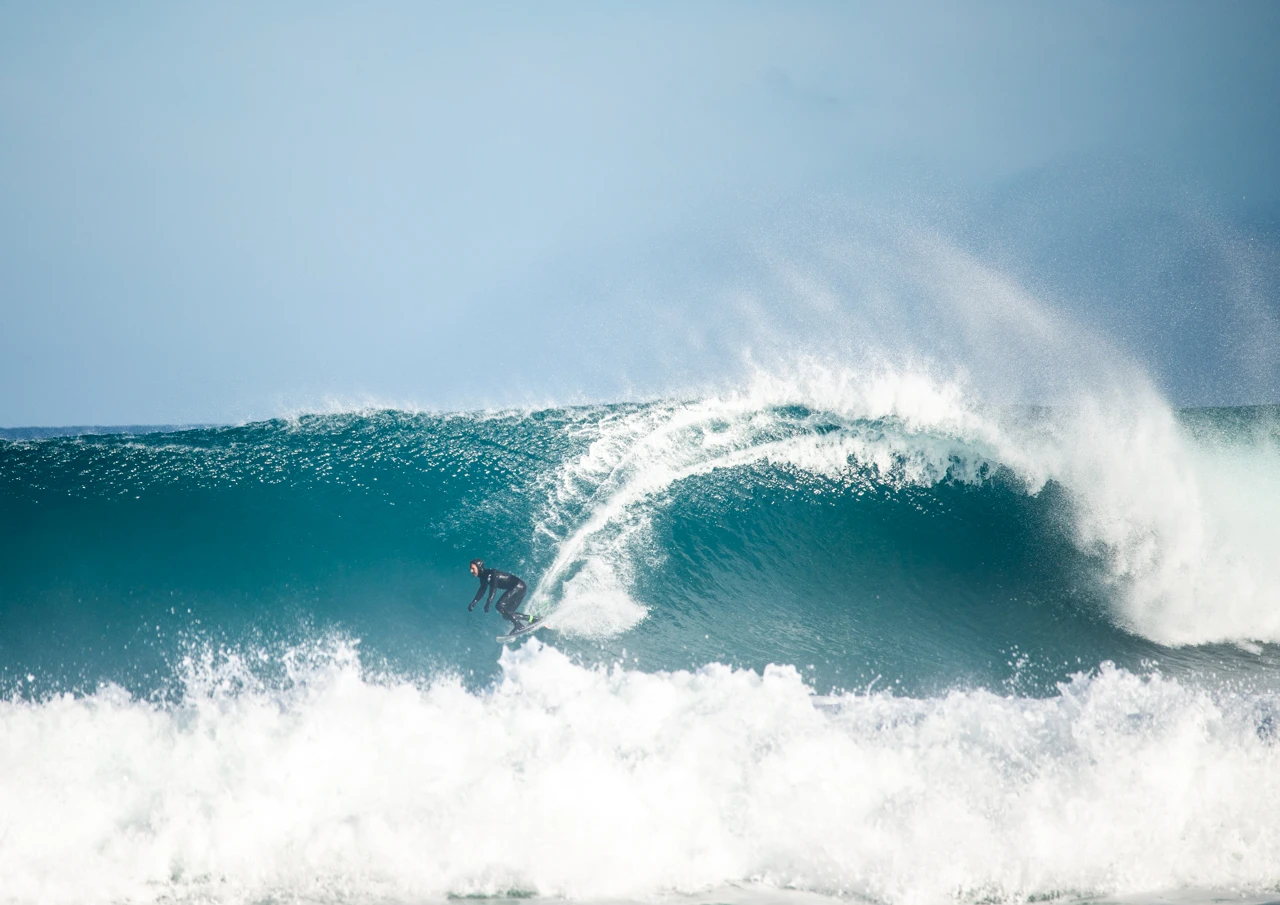
Waves and surfer West Cape Yorke Peninsula
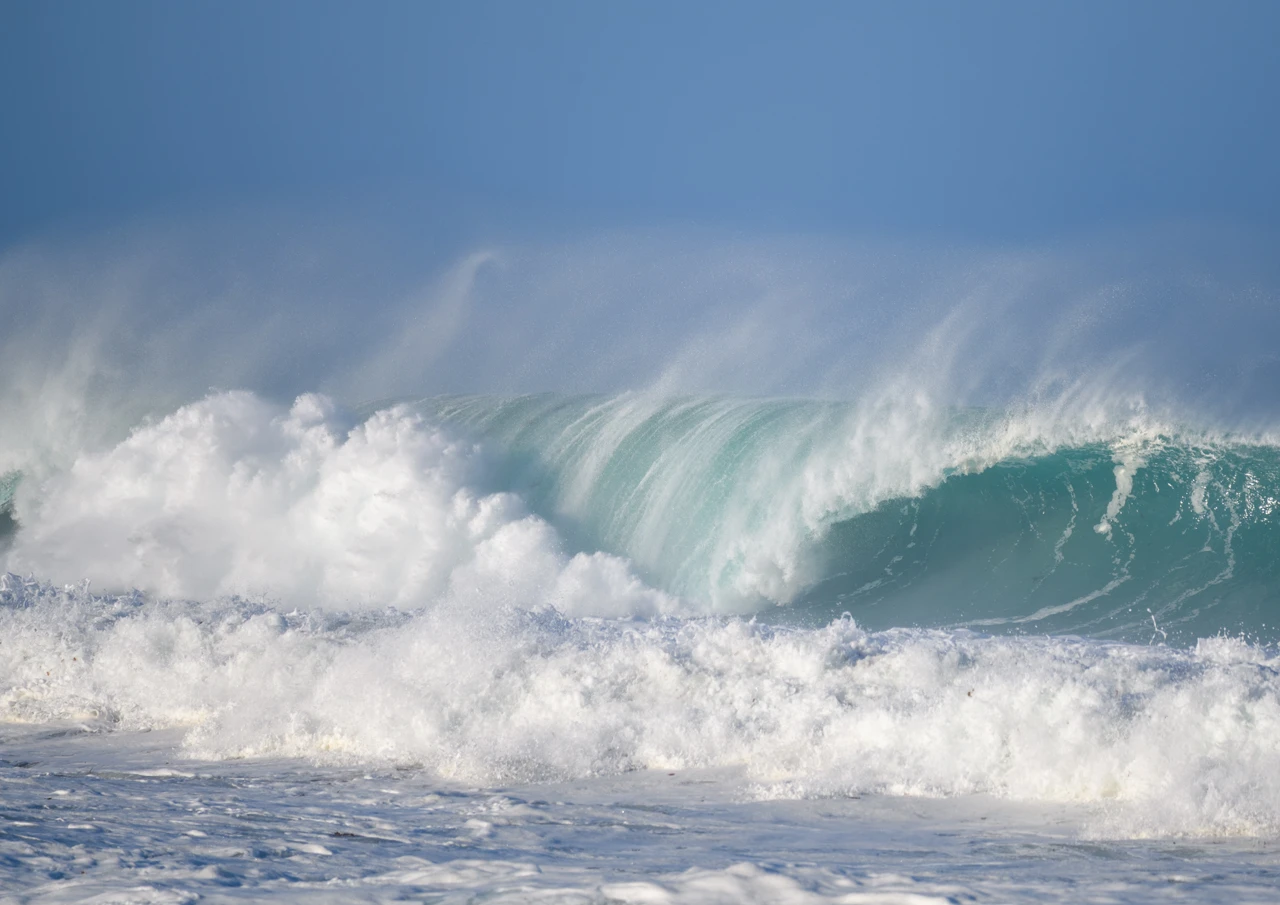
Ocean wave West Cape Yorke Peninsula
Big wave West Cape Yorke Peninsula

A few  interesting facts.


The Antarctic Circumpolar Current:

This is the world’s strongest ocean current. Flowing continuously from west to east, it acts as an icy barrier that separates the relatively warmer waters of the Pacific, Atlantic, and Indian Oceans from the sub-zero waters of the Antarctic.

Global Climate Engine:

The Southern Ocean is Earth’s primary climate sponge, absorbing up to 75% of the excess atmospheric heat from human activity and roughly 40% of human-caused carbon dioxide.

Extreme Conditions:

It is renowned for being the stormiest place on Earth, featuring the planet’s largest waves, strongest winds, and massive, city-sized icebergs.


Depth and Geography

Size:

It represents about one-sixteenth of Earth’s total ocean area.

Depth:

The ocean has an average depth of 3,270 meters (10,728 feet) and reaches a maximum depth of 7,432 meters (24,383 feet) in the South Sandwich Trench.

Natural Boundary:

Its northern limit is defined by the Antarctic Convergence (or Polar Front), where cold, nutrient-rich southern waters meet warmer northern waters.

Marine Life:

The combination of melting sea ice and upwelling nutrients drives the growth of     microscopic phytoplankton, which fuels the entire food web. The ecosystem relies heavily on Antarctic krill—a small, shrimplike crustacean that sustains large populations of whales, seals, penguins, and seabirds.


Next blog

….will be about the winter down yonder in Yorke Peninsula’s southern tip, so stay tuned.


(All images are taken by Wendy Philip. No AI generated images.)

This web site is totally ad free, a peaceful and relaxing experience.